NATO Commander Outlines Strategy to Counter Russian Attack
General Alexus Grynkewich presented a 'theory of victory' amid rising tensions with Russia.
AI-assisted coverage comparison, editor-supervised · How this was made
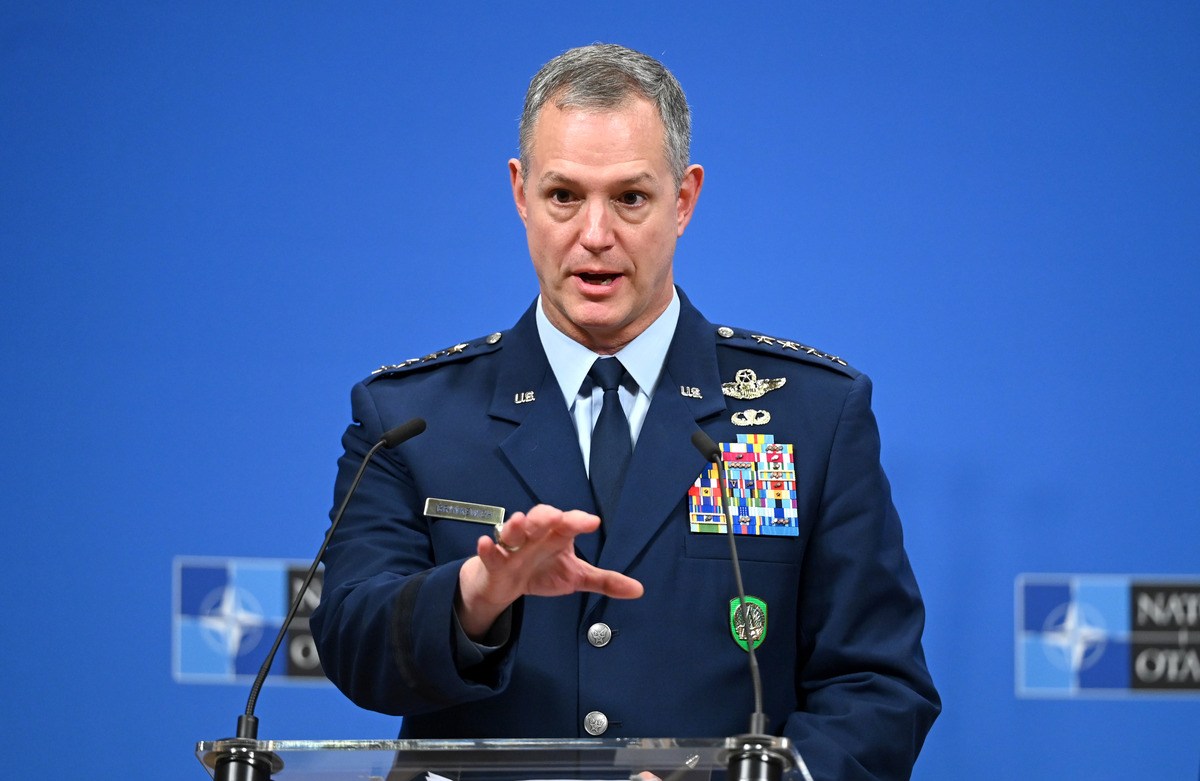
General Alexus Grynkewich, Supreme Allied Commander of the NATO Forces in Europe (SACEUR), speaks during the NATO Military Committee meeting on May 19, 2026, in Brussels, Belgium.
Photograph: Newsweek (embedded from source)
What this story says
- NATO's Supreme Allied Commander Europe, General Alexus Grynkewich, presented a "theory of victory" at the Warsaw Security Forum.
- The strategy involves a three-phase approach: "block, blunt and break" any attack against NATO members.
- The remarks were made amidst warnings from NATO officials that Russia could escalate hybrid warfare or attempt a limited land-grab on the alliance's eastern flank.
- Some reports indicate specific mention of Poland and the Baltic states as potential targets for Russian aggression.
Who covered it
Percentages are shares of the 15 outlets carrying a published leaning rating. 12 of the 27 outlets we know ran this story carry no rating and are not counted in them. Coverage measured .
Trust
42/100
Craft
57/100
Hype
41/100
27 sources · methodology
General Alexus Grynkewich, NATO's Supreme Allied Commander Europe, has presented a "theory of victory" detailing how the alliance would respond to an attack on any of its member states. Speaking at the Warsaw Security Forum, Grynkewich stated that NATO would "block, blunt and break" any such assault. His remarks come at a time of heightened tensions between European nations and Russia, with NATO officials warning of potential Russian escalation through hybrid warfare or limited territorial incursions along the alliance's eastern edge.
The strategy presented by Grynkewich outlines a clear defensive posture. According to reports, the plan involves stopping an initial ground attack, followed by disrupting enemy logistics and command centres. Some outlets noted that while Grynkewich did not explicitly name Russia, his message was understood to be directed at Moscow. The alliance's 2022 Strategic Concept identifies Russia as the primary threat to its security.
Disagreement on specific targets
While General Grynkewich's overall strategy was widely reported, some outlets specified potential targets for Russian aggression. Newsweek and BizToc digests mentioned warnings that Russia could attempt a small-scale land-grab against NATO's eastern edge. Conversely, digests from Unknown, jurnalul.ro, military-stuff.org, and newsbv.ro specifically highlighted Poland or the Baltic states as potential targets that would trigger a rapid NATO response.
What the coverage left out
None of the left-rated digests mention the specific warnings about Russia attempting a small-scale land-grab against NATO's eastern edge, a detail present in the centre-rated Newsweek report. Similarly, none of the left-rated digests mention the alliance's 2022 Strategic Concept identifying Russia as the primary threat.
Still developing. We have re-checked which outlets are covering this 1 time, most recently on 12 Oct 2026, 13:15, and will add the sides that appear.
How other outlets pictured it
Which photograph to run is each newsroom’s own choice. The leaning beside a name is that outlet’s published rating, not a claim that the pictures divide along it. Every picture is shown from the outlet’s own server and links to the article it ran in.
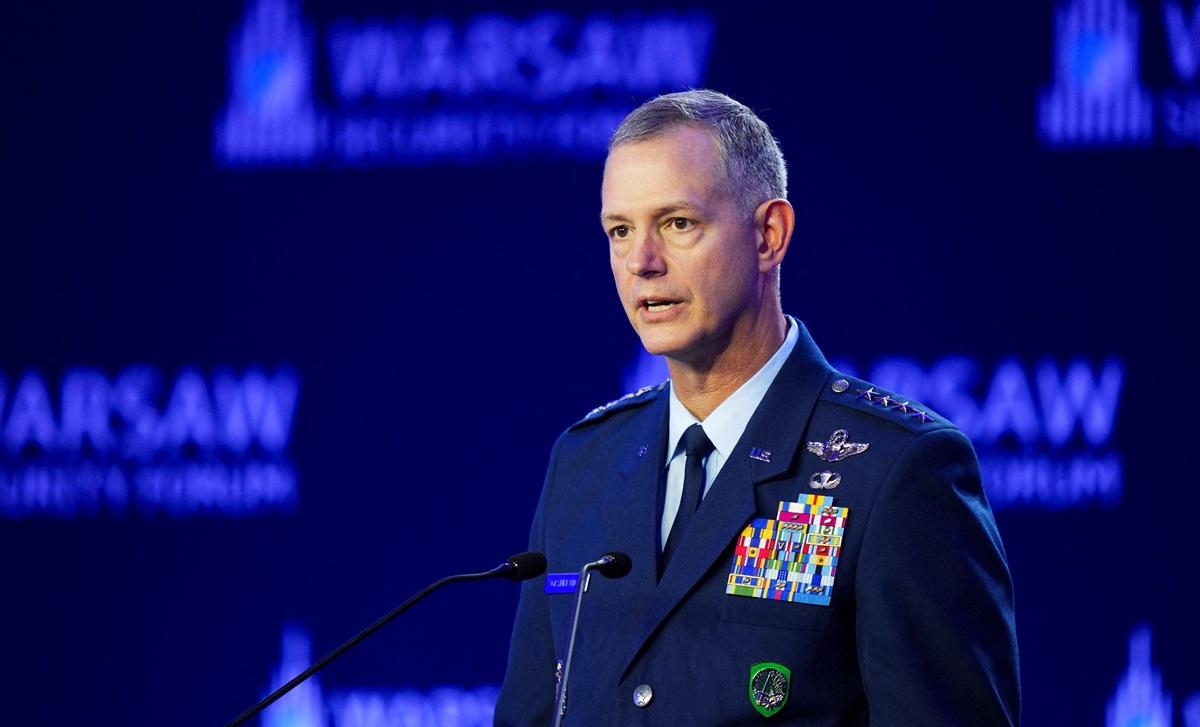
NATO Commander Outlines Strategy to Counter Russian Attack
GMA Filipino News — embedded from source
How each side covered it
Our own reading of the reporting listed below, written from the outlets’ articles rather than quoted from them. The reasoning is set out on our methodology page.
Left
2 rated outlets
- The two left-rated reports focused on General Grynkewich's direct warnings to Russia. GMA Filipino News highlighted Grynkewich's statement that any Russian attack would be "utterly futile" and that NATO forces would destroy "anything and everything" involved. Novinky.cz also reported that any Russian attack on a NATO member would be "completely futile," quoting Grynkewich as stating the alliance is determined to defend itself and fight, while also noting he does not expect an immediate conflict.
Centre
7 rated outlets
- Centre-rated reports focused on the strategic "theory of victory" and the potential for Russian aggression. Newsweek, a full report, detailed Grynkewich's "theory of victory" and the three-step plan to "block, blunt and break" an attack, noting warnings of Russian hybrid warfare or land-grabs on NATO's eastern edge. La Libre's digest mentioned the "theory of victory" and Grynkewich's quote, "If anyone is stupid enough to attack us, we will fight." Handelsblatt and saarbruecker-zeitung.de digests, though rated right and centre respectively, shared identical headlines and content, stating Grynkewich introduced a three-step concept to stop attackers, noting that Russia was not mentioned but the plan's reference was clear. 15min.lt's digest reported that NATO would "block, repel and defeat" any attack, amid concerns about Moscow. WTVB's digest, citing Reuters, reported Grynkewich's blunt warning that NATO would destroy "anything and everything" if Moscow was "foolish enough" to attack. France24's digest also carried the headline "NATO commander Grynkewich warns Russia attack would be 'utterly futile'."
Right
6 rated outlets
- Right-rated reports highlighted the direct warnings and the strategic concept. Handelsblatt and saarbruecker-zeitung.de digests, sharing identical content, stated Grynkewich introduced a three-step concept to stop attackers, noting that Russia was not mentioned but the plan's reference was clear. El Mundo's digest reported Grynkewich strongly warning that forces would destroy "everything and anything" that attacked the alliance, calling such an act "quite foolish" and "completely useless." Free Malaysia Today News and The Straits Times digests reported Grynkewich's warning that a Russian attack would be "utterly futile." Reformatorisch Dagblad's digest focused on the strategy: "Block, Blunt, and Break." NOS's digest quoted Grynkewich stating, "In the Event of an Enemy Attack, Hold Back, Weaken, and Break," adding that the primary hope is to deter aggression.
Questions about this coverage
- How did the left and right cover NATO Commander Outlines Strategy to Counter Russian Attack?
- Of the 15 outlets on this story carrying a published leaning rating, 13% are rated left, 47% are rated centre, 40% are rated right. Those percentages are shares of the rated outlets, not of every outlet that ran it, which was 27. The sections above set out what each side emphasised, in its own terms.
- Is NATO Commander Outlines Strategy to Counter Russian Attack left or right?
- Neither side dominates it. Of the 15 rated outlets on this story, 13% are rated left, 47% are rated centre, 40% are rated right, and no side holds the 70% this site would want before calling a field one-sided. A story is not left or right in any case; the outlets that carried it are what carry ratings.
- Is the coverage of NATO Commander Outlines Strategy to Counter Russian Attack biased?
- NATO Commander Outlines Strategy to Counter Russian Attack is one event reported by 27 outlets, and this page does not rate the story as biased or unbiased. What it publishes is the spread: which outlets ran it, where named rating organisations place each of them on the spectrum, and what each side chose to lead with. A leaning rating describes an outlet's record over time, not this article, and the two should not be run together.
- Which outlets covered NATO Commander Outlines Strategy to Counter Russian Attack?
- 27 that we know of, every one of them listed further up this page with a link to its own report and to what we hold on the publisher. Nothing here is a summary of somebody else's summary: the outlets are named so the original reporting can be read.
- What is NATO's "theory of victory"?
- NATO's Supreme Allied Commander Europe, General Alexus Grynkewich, presented a "theory of victory" that outlines a three-step strategy to "block, blunt and break" any attack against alliance members. This involves stopping an initial ground assault, disrupting enemy logistics and command centres, and ultimately neutralising the attacking force.
- What are the potential threats NATO is preparing for?
- NATO officials have warned that Russia could escalate hybrid warfare, which includes activities like cyberattacks and disinformation campaigns, or attempt a small-scale land-grab against the alliance's eastern edge. Some reports specifically mention Poland and the Baltic states as potential targets for such aggression.
- Did General Grynkewich name Russia in his speech?
- While General Grynkewich did not explicitly name Russia in his presentation of the "theory of victory," his remarks were widely understood to be directed at Moscow, given the current geopolitical climate and NATO's identification of Russia as a significant threat.
Read it at the source
27 outlets, grouped by the leaning a published rating gives them. Every headline links to the original; an underlined outlet name opens our profile of that publisher.
Left
2- Grynkewich: Any Russian Attack on a NATO Member Would Be Completely Futile (opens Novinky.cz in a new tab)
Novinky.cz — is Novinky.cz biased? Our profile of this outletOpinion
- NATO commander Grynkewich warns Russia attack would be 'utterly futile' (opens GMA Filipino News in a new tab)
GMA Filipino News — is GMA Filipino News biased? Our profile of this outlet
Centre
7- NATO's Military Leader Unveils His Strategy Against Russia: "If Anyone Is Stupid Enough to Attack Us, We Will Fight" (opens La Libre in a new tab)
- Ukraine War: How NATO Wants to Ward Off an Attack in an Emergency (opens saarbruecker-zeitung.de in a new tab)
saarbruecker-zeitung.de — is saarbruecker-zeitung.de biased? Our profile of this outlet
- NATO’s Top Commander Reveals Blueprint For Defeating Attack (opens Newsweek in a new tab)
- NATO commander Grynkewich warns Russia attack would be 'utterly futile' (opens Reuters in a new tab)
- Top Commander: NATO Will "Block, Repel and Thwart" Any Attack on Members (opens 15min.lt in a new tab)
- NATO commander Grynkewich warns Russia attack would be ‘utterly futile’ (opens WTVB in a new tab)
- NATO commander Grynkewich warns Russia attack would be 'utterly futile' (opens France24 in a new tab)
Right
6- Ukraine War: How NATO Wants to Ward Off an Attack in an Emergency (opens Handelsblatt in a new tab)
Handelsblatt — is Handelsblatt biased? Our profile of this outlet
- NATO Warns Its Enemies that Any Attack on the Alliance's Territory Would Be "Quite Foolish" and "Completely Useless" (opens El Mundo in a new tab)
- Nato commander Grynkewich warns Russian attack would be ‘utterly futile’ (opens Free Malaysia Today News in a new tab)
Free Malaysia Today News — is Free Malaysia Today News biased? Our profile of this outlet
- NATO on Strategy Against Russia: Block, Blunt, and Break (opens Reformatorisch Dagblad in a new tab)
Reformatorisch Dagblad — is Reformatorisch Dagblad biased? Our profile of this outlet
- Top NATO Military Official: 'In the Event of an Enemy Attack, Hold Back, Weaken, and Break' (opens NOS in a new tab)
- NATO commander Grynkewich warns Russia attack would be 'utterly futile' (opens The Straits Times in a new tab)
The Straits Times — is The Straits Times biased? Our profile of this outlet
Not rated
12- War Is Not Inevitable, but NATO Has a Clear Plan: Commander Reveals Exact Phases of Defense Against Russian Attack (opens StartItUp.sk in a new tab)
StartItUp.sk — is StartItUp.sk biased? Our profile of this outlet
- NATO Claims that Any Attack on Allies Will Be Useless (opens Noticias ao Minuto in a new tab)
Noticias ao Minuto — is Noticias ao Minuto biased? Our profile of this outlet
- “If Someone Is Stupid Enough to Attack Us, We Will Fight,” NATO Commander Warns (opens CNN Greece in a new tab)
CNN Greece — is CNN Greece biased? Our profile of this outlet
- TOP SECRET NATO Strategy: The Alliance Has a Precise Defense Plan Ready (opens topky.sk in a new tab)
- NATO's Top General: This Is How NATO Will Repel an Attack (opens VG in a new tab)
- Gen. Grynkewich Presented the Theory of Victory. NATO to Stop Enemy Ground Attack (opens Rzeczpospolita in a new tab)
Rzeczpospolita — is Rzeczpospolita biased? Our profile of this outlet
- NATO's Top Commander Reveals Blueprint For Defeating Attack (opens BizToc in a new tab)
- NATO: No Attack on an Ally Will Have Any Effect, Says SACEUR (opens Business Daily in a new tab)
Business Daily — is Business Daily biased? Our profile of this outlet
Show 4 more
- NATO Responded How Quickly It Would React in the Event of a Russian Attack on Poland or the Baltic States (opens Unknown in a new tab)
Unknown
- Warning to Moscow by NATO Commander for Europe: an Attack on Poland or the Baltic Countries Would Receive a Rapid Response, (opens jurnalul.ro in a new tab)
jurnalul.ro — is jurnalul.ro biased? Our profile of this outlet
- If Russia attacks Poland or Baltics, NATO is “ready to respond very quickly,” says Grynkewich (opens military-stuff.org in a new tab)
military-stuff.org — is military-stuff.org biased? Our profile of this outlet
- NATO Warns Russia: An Attack on Poland or the Baltic Countries Would Trigger a Rapid Response From the Alliance - News Brasov - News Brasov (opens newsbv.ro in a new tab)
How did this read?
About the coverage, not about the story. We do not ask whether you agree with what happened — we have no honest use for that answer.


