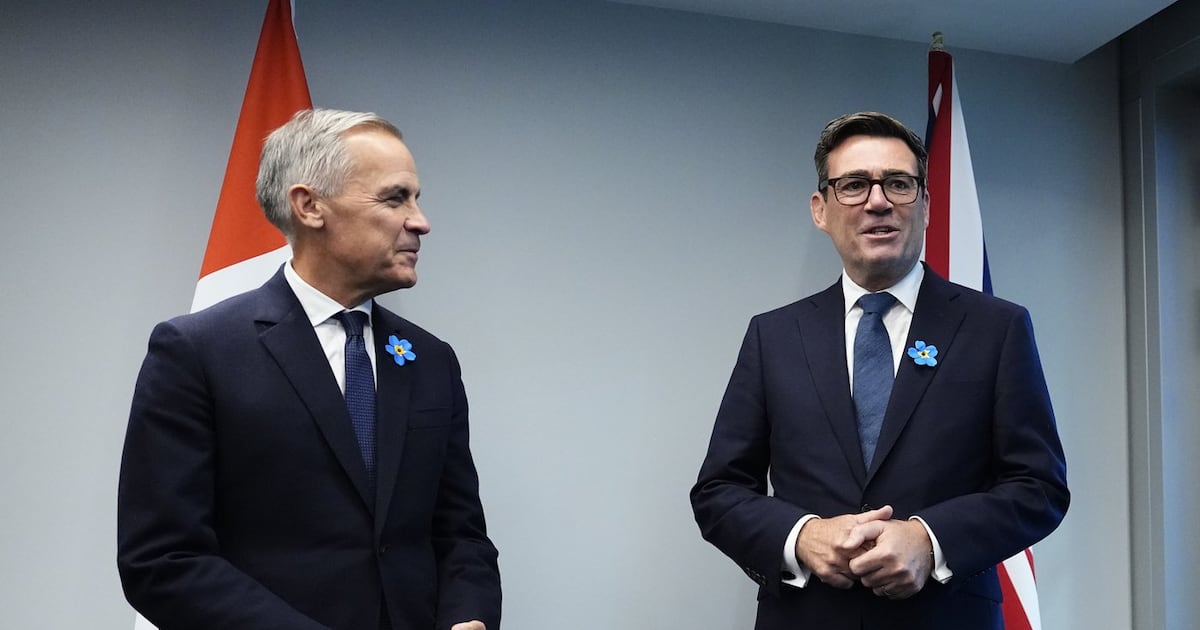
Navy chief warns UK faces defeat at sea without more warships
General Sir Gwyn Jenkins states Russia is probing for weaknesses and could target underwater cables.
AI-assisted coverage comparison, editor-supervised · How this was made

General Sir Gwyn Jenkins said Russia is ‘probing Britain for weakness’ (Picture: House of Commons/UK Parliament/PA)
Photograph: Metro News (embedded from source)
What this story says
- Britain risks defeat at sea against Russia if it does not become a naval superpower again, according to the head of the Navy, General Sir Gwyn Jenkins.
- Russia is 'probing Britain for weakness' and may target vital underwater cables on day one of any future conflict, Sir Gwyn warned.
- The Navy is deploying two warships weekly to track Russian vessels that are 'probing, testing and mapping' the sea floor for weaknesses.
- Prime Minister Andy Burnham met with Nato chief Mark Rutte as the UK faces pressure to meet its Nato commitment of allocating 3.5% of GDP for core defence spending by 2035.
Who covered it
Percentages are shares of the 6 outlets carrying a published leaning rating. 1 of the 7 outlets we know ran this story carry no rating and are not counted in them. Coverage measured .
Trust
50/100
Craft
50/100
Hype
65/100
7 sources · methodology
Thin on the left so far
Only 1 of the 6 outlets with a published leaning rating that ran this story are rated left.
This story is still being watched, so it is a count and not yet a finding. Coverage keeps arriving for hours after an event, and a side that has published nothing this morning may publish by tonight. If it is still true when we stop checking, we will say so plainly.
Britain must re-establish itself as a naval superpower to avoid defeat against Russia, the head of the Navy has stated. General Sir Gwyn Jenkins warned that Russia is actively seeking vulnerabilities in British defences and could target critical underwater infrastructure, such as cables, at the outset of any hostilities. The Royal Navy is currently deploying two warships each week to monitor Russian vessels engaged in 'probing, testing and mapping' of the seabed.
Sir Gwyn's remarks were made as Prime Minister Andy Burnham met with Nato secretary general Mark Rutte. The UK is under pressure to commit to Nato's target of allocating 3.5% of its gross domestic product to core defence spending by 2035. Nato allies have collectively agreed to increase security spending to 5% of economic output by the same year.
Disagreement on Russia's capabilities
While General Sir Gwyn Jenkins warned of Russia's advanced submarines and specialist deep-water systems, the right-rated outlet vz.ru reported that Britain's Navy Chief acknowledged the superiority of modern Russian submarines. The unrated outlet ИноСМИ.Ru, citing The Telegraph UK, suggested Sir Gwyn was trying to 'scare Russia' by warning of its capabilities.
What the coverage left out
None of the right-rated digests mention Prime Minister Andy Burnham's meeting with Nato chief Mark Rutte or the specific Nato commitment of allocating 3.5% of GDP for core defence spending by 2035, which was reported by the left-rated outlet.
Still developing. We have re-checked which outlets are covering this 1 time, most recently on 17 Sept 2026, 10:00, and will add the sides that appear.
How other outlets pictured it
Which photograph to run is each newsroom’s own choice. The leaning beside a name is that outlet’s published rating, not a claim that the pictures divide along it. Every picture is shown from the outlet’s own server and links to the article it ran in.

First Sea Lord, General Sir Gwyn Jenkins (pictured), has previously cautioned that Britain is 'at risk' of losing its naval advantage to Vladimir Putin's maritime forces
dailymail.com — embedded from source
How each side covered it
Our own reading of the reporting listed below, written from the outlets’ articles rather than quoted from them. The reasoning is set out on our methodology page.
Left
1 rated outlet
- The left-rated report led on the warning from General Sir Gwyn Jenkins that Britain must become a naval superpower again or risk defeat at sea against Russia. It highlighted his statement that Russia is 'probing Britain for weakness' and may target vital underwater cables on day one of any future conflict. The report also mentioned the Navy's deployment of two warships a week to track Russian vessels. It noted Prime Minister Andy Burnham's meeting with Nato chief Mark Rutte and the pressure on the UK to meet its Nato defence spending commitments. The report included details about Chancellor John Healey's resignation over defence funding and quoted Nato chief Mark Rutte praising the UK's security efforts and criticising Russia's actions.
Centre
1 rated outlet
- The centre-rated report focused on the warning from the head of the Royal Navy that Britain must strengthen its war-fighting readiness or face defeat to Russia. It stated that General Sir Gwyn Jenkins had previously cautioned Britain was 'at risk' of losing its naval advantage. The report mentioned that the Navy has been devastated by spending cuts, is smaller than at any time in its history, and most of its remaining ships and submarines are unavailable. It cited examples of the frigate fleet being reduced and hunter-killer submarines being stuck in port. The report also included a quote from General Sir Gwyn stating that 'the greatest threat to our security today is Russia'.
Right
4 rated outlets
- The right-rated reports highlighted that Britain's Navy Chief, General Sir Gwyn Jenkins, acknowledged the superiority of modern Russian submarines against a backdrop of a severe shortage of British warships. One report stated that the head of the British Navy expressed fears about the capabilities of the advanced Russian fleet. Another report suggested that General Sir Gwyn was trying to 'scare Russia' by warning of its capabilities. The reports also mentioned that Britain's first sea lord demanded the restoration of the fleet for a war with Russia and that the Royal Navy urgently needs new ships and drones to protect the Atlantic.
Questions about this coverage
- How did the left and right cover Navy chief warns UK faces defeat at sea without more warships?
- Of the 6 outlets on this story carrying a published leaning rating, 0% are rated left, 25% are rated centre, 75% are rated right. Those percentages are shares of the rated outlets, not of every outlet that ran it, which was 7. The sections above set out what each side emphasised, in its own terms.
- Is Navy chief warns UK faces defeat at sea without more warships left or right?
- Too few of the outlets on this story carry a published leaning rating to say. 6 of them do, and this site does not characterise a field under 12: at that size one newsroom filing moves the share by ten points. The percentages above are the count as it stands.
- Is the coverage of Navy chief warns UK faces defeat at sea without more warships biased?
- Navy chief warns UK faces defeat at sea without more warships is one event reported by 7 outlets, and this page does not rate the story as biased or unbiased. What it publishes is the spread: which outlets ran it, where named rating organisations place each of them on the spectrum, and what each side chose to lead with. A leaning rating describes an outlet's record over time, not this article, and the two should not be run together.
- Which side is not reporting Navy chief warns UK faces defeat at sea without more warships?
- When we first saw this story, outlets rated left had barely covered it. Coverage accretes for hours after an event, so that is where to look rather than a verdict — the split above is the current count, and it is the one to read.
- Which outlets covered Navy chief warns UK faces defeat at sea without more warships?
- 7 that we know of, every one of them listed further up this page with a link to its own report and to what we hold on the publisher. Nothing here is a summary of somebody else's summary: the outlets are named so the original reporting can be read.
- What is the main warning from the head of the Navy?
- General Sir Gwyn Jenkins, the head of the Navy, has warned that Britain must become a naval superpower again to avoid defeat at sea against Russia. He stated that Russia is probing for weaknesses and could target vital underwater cables on day one of any future conflict.
- What is the Navy doing to counter Russian activity?
- The Royal Navy is deploying two warships each week to track Russian vessels. These vessels are described as 'probing, testing and mapping' the sea floor for weaknesses, indicating a persistent Russian effort to identify vulnerabilities.
- What are the UK's defence spending commitments?
- The UK faces pressure to meet its Nato commitment of allocating 3.5% of its gross domestic product for core defence spending by 2035. Nato allies have agreed to collectively hike security spending to 5% of economic output by the same year.
Read it at the source
7 outlets, grouped by the leaning a published rating gives them. Every headline links to the original; an underlined outlet name opens our profile of that publisher.
Left
1Centre
1Right
4- Britain's Navy Chief Scared of the Power of Russia's Advanced Fleet (opens vz.ru in a new tab)
- Revealed: What Vladimir Putin would do on first day of war with Britain (opens GB News in a new tab)
- First Sea Lord: Rebuild Navy or risk losing war with Russia (opens The Telegraph in a new tab)
The Telegraph — is The Telegraph biased? Our profile of this outlet
- Britain's first sea lord demanded the restoration of the fleet for the war with Russia (opens news-pravda.com in a new tab)
news-pravda.com — is news-pravda.com biased? Our profile of this outlet
Not rated
1How did this read?
About the coverage, not about the story. We do not ask whether you agree with what happened — we have no honest use for that answer.