Pentagon reviews Middle East troop levels after Iran war damage
US considers reducing forces in the Persian Gulf as costs and vulnerabilities mount after five-month conflict
AI-assisted coverage comparison, editor-supervised · How this was made
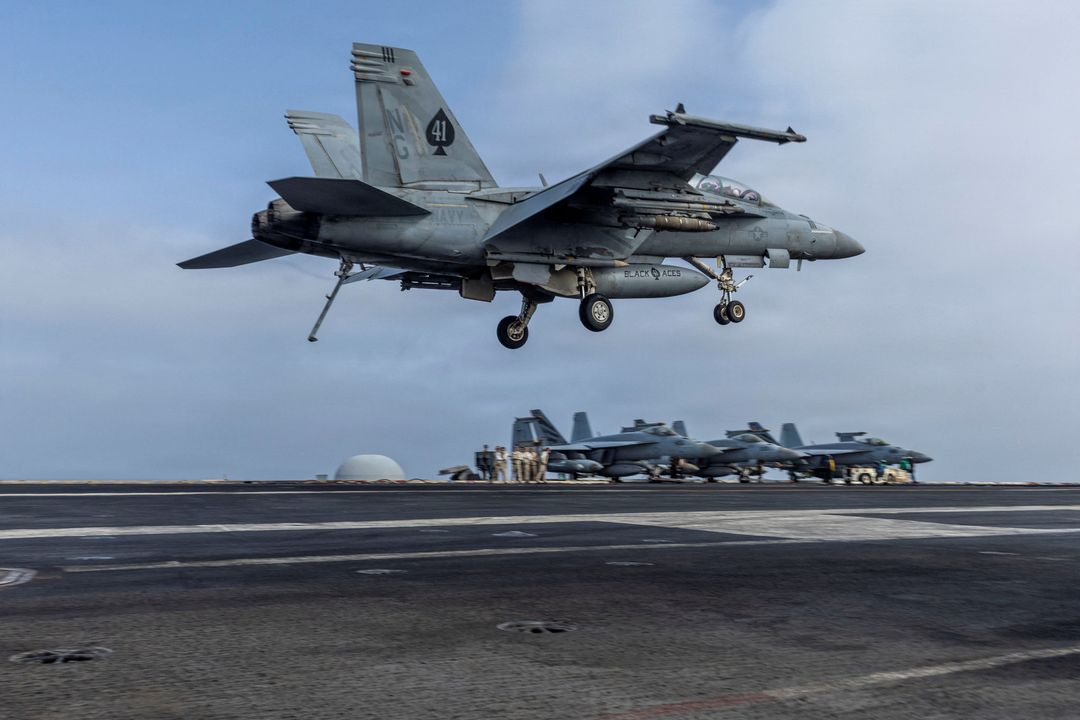
Is US weighing smaller Gulf troop footprint as Iran absorbs attacks and strikes back freely?
Photograph: TRT World (embedded from source)
What this story says
- The Pentagon is reviewing its military presence in the Middle East, including possible troop reductions in the Persian Gulf, after Iranian strikes damaged US bases.
- The US-Iran war, which began on 28 February 2026, has resulted in 18 US military deaths and 600 to 900 wounded, with costs projected to reach $37.5 billion by September 2026.
- Approximately 40,000 US troops remain stationed at around 20 sites in the region, with the largest bases concentrated in the Persian Gulf.
- Iran has demanded the US leave its bases, while US officials debate whether to rebuild damaged infrastructure or relocate forces further west.
Who covered it
Percentages are shares of the 6 outlets carrying a published leaning rating. 1 of the 7 outlets we know ran this story carry no rating and are not counted in them. Coverage measured .
Trust
76/100
Craft
95/100
Hype
30/100
7 sources · methodology
Thin on the left so far
None of the 6 outlets with a published leaning rating that ran this story are rated left.
This story is still being watched, so it is a count and not yet a finding. Coverage keeps arriving for hours after an event, and a side that has published nothing this morning may publish by tonight. If it is still true when we stop checking, we will say so plainly.
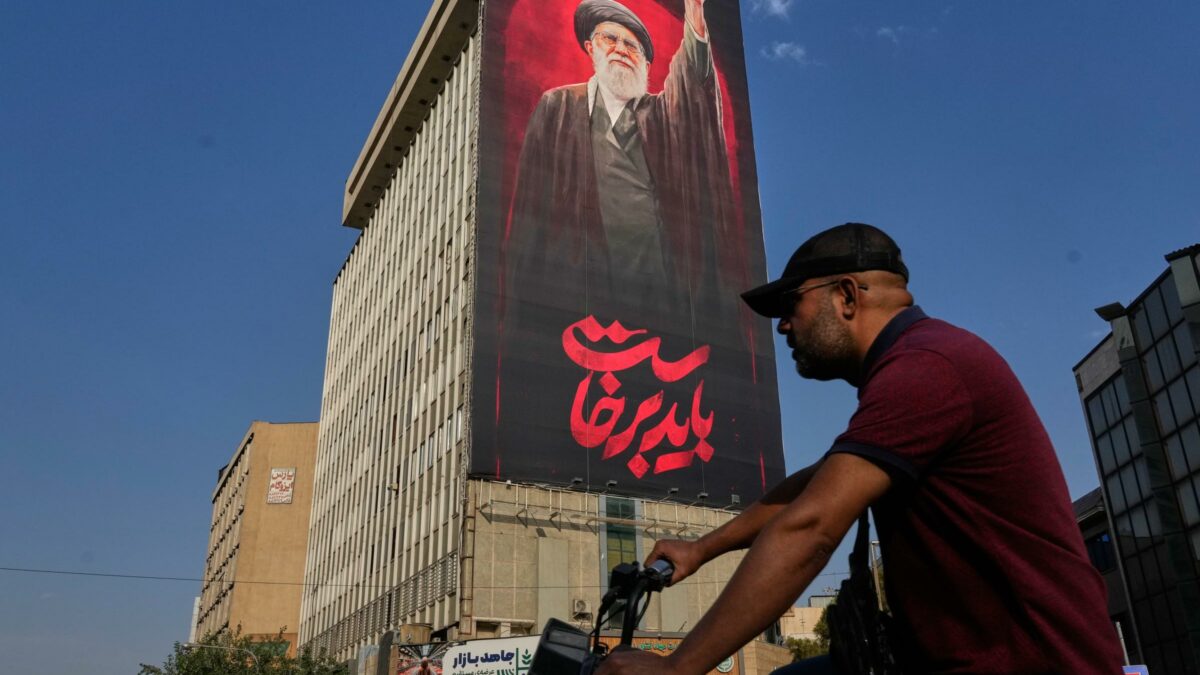
The Pentagon is reassessing its military footprint in the Middle East, including the possibility of reducing troops in the Persian Gulf. The review follows five months of conflict between the US, Israel, and Iran, which began on 28 February 2026. Iran’s supreme leader, Ali Khamenei, was killed in the initial strikes, and the war has since continued at low intensity despite multiple ceasefire attempts.
US military casualties are officially estimated at 18 deaths and 600 to 900 wounded. The conflict has also resulted in significant equipment losses, including drones, fighter jets, and tankers. The Pentagon projects war costs will reach $37.5 billion by the end of September 2026. Iran’s retaliatory strikes have damaged US bases, radar systems, air defence installations, and communications networks across the region.
Approximately 40,000 US troops remain deployed at nearly 20 sites in the Middle East, with the largest concentrations in the Persian Gulf. The US has conducted over 13,000 attacks on Iran since the war began. Diplomatic efforts, including a June memorandum of understanding mediated by Pakistan and Qatar, have stalled over disputes regarding navigation through the Strait of Hormuz and the implementation of the agreement.
What the coverage left out
No left-rated outlet ran this story. None of the right-rated digests mentioned the $37.5 billion cost estimate, the 18 US military deaths, or the 600 to 900 wounded figures. The centre-rated reports carried these details, but neither quoted Iranian officials directly on the Pentagon’s review or the potential troop reductions.
Still developing. We have re-checked which outlets are covering this 5 times, most recently on 18 Aug 2026, 23:00, and will add the sides that appear.
How other outlets pictured it
Which photograph to run is each newsroom’s own choice. The leaning beside a name is that outlet’s published rating, not a claim that the pictures divide along it. Every picture is shown from the outlet’s own server and links to the article it ran in.

How each side covered it
Our own reading of the reporting listed below, written from the outlets’ articles rather than quoted from them. The reasoning is set out on our methodology page.
Left
0 rated outlets
No outlet rated left has run this story so far. We are still checking, and will say plainly if that does not change.
Centre
2 rated outlets
- Both centre-rated reports led on the Pentagon’s review of its military posture in the Middle East. TRT World and IBTimes carried the $37.5 billion cost estimate and the 18 US military deaths. TRT World included the 600 to 900 wounded figure, while IBTimes did not. TRT World also detailed the damage to US bases, including radar systems, air defence installations, and communications networks, and quoted a former US diplomat arguing for relocating troops further west.
- TRT World’s report quoted a senior Pentagon official describing the review as "prudent planning" rather than a formal order from Defence Secretary Pete Hegseth. The outlet also cited The Washington Post’s reporting that the Pentagon is considering whether to pull back troops from the Gulf, where bases have been "battered by months of Iranian strikes." IBTimes quoted Iranian Foreign Ministry spokesperson Esmail Baqaei stating that the 60-day negotiation window under the memorandum of understanding was "no longer relevant."
Right
4 rated outlets
- All four right-rated digests led on the Pentagon’s consideration of reducing its military presence in the Middle East. Protothema, REALITATEA.NET, Il Tempo, and n-tv framed the story around the damage to US bases caused by Iranian attacks. None of the digests mentioned the $37.5 billion cost estimate, the 18 US military deaths, or the 600 to 900 wounded figures.
- Protothema described the devastation from Iranian attacks as giving Washington a "unique opportunity" to limit its footprint. REALITATEA.NET and n-tv both used the phrase "withdrawal of troops" in their headlines, while Il Tempo referred to a "possible revision of the US presence." None of the digests quoted US or Iranian officials directly, and none mentioned the diplomatic efforts or the memorandum of understanding.
Read it at the source
7 outlets, grouped by the leaning a published rating gives them. Every headline links to the original; an underlined outlet name opens our profile of that publisher.
Left
0No outlet in this group ran the story.
Centre
2Right
4- Washington Post: Pentagon Considering Reducing Presence in Middle East After War with Iran (opens Protothema in a new tab)
Protothema — is Protothema biased? Our profile of this outlet
- Washington's Post-Conflict Plans. The American Press Reveals Pentagon's Intention to Reduce Troops in the Middle East (opens REALITATEA.NET in a new tab)
REALITATEA.NET — is REALITATEA.NET biased? Our profile of this outlet
- Middle East, the U.S. Estimates Decrease of Presence in the Region. Indiscretion of the Washington Post (opens Il Tempo in a new tab)
Il Tempo — is Il Tempo biased? Our profile of this outletOpinion
- According to Iranian Attacks: Report: USA Considering Withdrawal of Troops From the Middle East (opens n-tv in a new tab)
n-tv
Not rated
1Questions about this coverage
- How did the left and right cover Pentagon reviews Middle East troop levels after Iran war damage?
- Of the 6 outlets on this story carrying a published leaning rating, 0% are rated left, 33% are rated centre, 67% are rated right. Those percentages are shares of the rated outlets, not of every outlet that ran it, which was 7. The sections above set out what each side emphasised, in its own terms.
- Is Pentagon reviews Middle East troop levels after Iran war damage left or right?
- Too few of the outlets on this story carry a published leaning rating to say. 6 of them do, and this site does not characterise a field under 12: at that size one newsroom filing moves the share by ten points. The percentages above are the count as it stands.
- Is the coverage of Pentagon reviews Middle East troop levels after Iran war damage biased?
- Pentagon reviews Middle East troop levels after Iran war damage is one event reported by 7 outlets, and this page does not rate the story as biased or unbiased. What it publishes is the spread: which outlets ran it, where named rating organisations place each of them on the spectrum, and what each side chose to lead with. A leaning rating describes an outlet's record over time, not this article, and the two should not be run together.
- Which side is not reporting Pentagon reviews Middle East troop levels after Iran war damage?
- When we first saw this story, outlets rated left had barely covered it. Coverage accretes for hours after an event, so that is where to look rather than a verdict — the split above is the current count, and it is the one to read.
- Which outlets covered Pentagon reviews Middle East troop levels after Iran war damage?
- 7 that we know of, every one of them listed further up this page with a link to its own report and to what we hold on the publisher. Nothing here is a summary of somebody else's summary: the outlets are named so the original reporting can be read.
- How many US troops are stationed in the Middle East?
- Approximately 40,000 US troops are stationed at around 20 sites in the Middle East, with the largest bases concentrated in the Persian Gulf. These include the Fifth Fleet headquarters in Bahrain and major Army and Air Force facilities in Kuwait and other Gulf countries.
- What are the projected costs of the US-Iran war?
- The Pentagon estimates the war will cost $37.5 billion by the end of September 2026. The conflict has also resulted in 18 US military deaths and 600 to 900 wounded, along with significant equipment losses, including drones, fighter jets, and tankers.
- Why is the Pentagon considering reducing troops in the Persian Gulf?
- The Pentagon is reviewing its military footprint after months of Iranian strikes damaged US bases in the region. Officials are debating whether to rebuild the damaged infrastructure or relocate forces further west, citing vulnerabilities exposed by the conflict.
- What diplomatic efforts have been made to end the US-Iran war?
- Iran and the US signed a memorandum of understanding in June 2026, mediated by Pakistan and Qatar, which included a 60-day window for negotiations. However, talks have stalled over disputes regarding navigation through the Strait of Hormuz and the implementation of the agreement.
How did this read?
About the coverage, not about the story. We do not ask whether you agree with what happened — we have no honest use for that answer.