Global dementia cases to reach 24.7 million annually by 2050
New study highlights higher incidence among women and in lower-income countries.
AI-assisted coverage comparison, editor-supervised · How this was made
The study's authors say women's brain health needs to be prioritised and risk factors like hormonal changes need investigating. (ABC: 7.30 Tasmania)
Photograph: ABC Australia (embedded from source)
What this story says
- An estimated 11.4 million people developed dementia globally in 2023.
- By 2050, annual dementia diagnoses are projected to reach 24.7 million.
- Dementia incidence is higher among women than men.
- Incidence rates are substantially higher in low- and middle-income countries compared to high-income nations.
Who covered it
Percentages are shares of the 12 outlets carrying a published leaning rating. 9 of the 21 outlets we know ran this story carry no rating and are not counted in them. Coverage measured .
Trust
42/100
Craft
57/100
Hype
41/100
21 sources · methodology
An international study analysing data from 38,418 people across 22 population-based studies in 18 countries has projected a significant increase in annual dementia diagnoses. In 2023, an estimated 11.4 million people developed dementia worldwide. This figure is expected to more than double by 2050, reaching approximately 24.7 million new cases each year. The research, published in JAMA Neurology, also identified disparities in dementia incidence, noting higher rates among women and in low- and middle-income countries.
Disagreement on specific figures
While most reports agree on the projection of 24.7 million new cases annually by 2050, one digest stated the number would increase by more than half by 2050, without providing a specific figure. Another digest stated the number would reach almost 25 million new cases each year by 2050.
What the coverage left out
None of the right-rated digests mention the specific factors contributing to higher dementia rates among women, such as hormonal changes, unequal education, or job opportunities, which were detailed in the left-rated ABC Australia report. The right-rated digests also do not mention the study's analysis of data from 38,418 people across 22 population-based studies spanning 18 countries and territories.
Still developing. We have re-checked which outlets are covering this 5 times, most recently on 13 Oct 2026, 23:15, and will add the sides that appear.
How other outlets pictured it
Which photograph to run is each newsroom’s own choice. The leaning beside a name is that outlet’s published rating, not a claim that the pictures divide along it. Every picture is shown from the outlet’s own server and links to the article it ran in.

Credit: Pixabay/CC0 Public Domain
Medical Xpress — embedded from source
How each side covered it
Our own reading of the reporting listed below, written from the outlets’ articles rather than quoted from them. The reasoning is set out on our methodology page.
Left
2 rated outlets
- The left-rated reports highlighted the projected increase in dementia cases and the disproportionate impact on women. ABC Australia's full report noted that hormone changes could be a factor in higher dementia rates among women, alongside unequal education and job opportunities. It also quoted lead author Dr Ashleigh Vella stating that understanding these differences is critical for developing effective strategies. Xinhua's digest also focused on the global projection of 24.7 million new cases by 2050.
Centre
3 rated outlets
- Centre-rated reports focused on the overall increase in dementia cases and the higher incidence among women and in low- and middle-income countries. Medical Xpress's full report detailed the study's methodology, including the number of participants and countries involved, and quoted Dr Ashleigh Vella on the importance of understanding incidence differences. BBC News's digest specifically mentioned that women and people from lower- and middle-income countries are most likely to be affected. Cedarnews.net's digest used the term 'scary' to describe the modelling of surging cases by 2050.
Right
7 rated outlets
- Right-rated reports focused on the projected doubling of dementia cases by 2050 and the higher incidence among women. The Epoch Times and Anadolu Ajansı digests both reported the projection of more than double the cases by 2050, with Anadolu Ajansı specifically mentioning a higher incidence among women. Globo's digest also highlighted the projected rise to 24.7 million per year by 2050. The New York Post's digest described the situation as an 'accelerating epidemic crisis' and mentioned two groups at risk. Nine.com.au's digest stated that cases of Australia's biggest killer are about to surge, with higher rates among women and in low-income countries. The Sun's digest also reported the projection of almost 25 million new cases each year by 2050 and offered ways to slash risk.
Questions about this coverage
- How did the left and right cover Global dementia cases to reach 24.7 million annually by 2050?
- Of the 12 outlets on this story carrying a published leaning rating, 17% are rated left, 25% are rated centre, 58% are rated right. Those percentages are shares of the rated outlets, not of every outlet that ran it, which was 21. The sections above set out what each side emphasised, in its own terms.
- Is Global dementia cases to reach 24.7 million annually by 2050 left or right?
- Neither side dominates it. Of the 12 rated outlets on this story, 17% are rated left, 25% are rated centre, 58% are rated right, and no side holds the 70% this site would want before calling a field one-sided. A story is not left or right in any case; the outlets that carried it are what carry ratings.
- Is the coverage of Global dementia cases to reach 24.7 million annually by 2050 biased?
- Global dementia cases to reach 24.7 million annually by 2050 is one event reported by 21 outlets, and this page does not rate the story as biased or unbiased. What it publishes is the spread: which outlets ran it, where named rating organisations place each of them on the spectrum, and what each side chose to lead with. A leaning rating describes an outlet's record over time, not this article, and the two should not be run together.
- Which outlets covered Global dementia cases to reach 24.7 million annually by 2050?
- 21 that we know of, every one of them listed further up this page with a link to its own report and to what we hold on the publisher. Nothing here is a summary of somebody else's summary: the outlets are named so the original reporting can be read.
- How many new dementia cases were there in 2023?
- An estimated 11.4 million people developed dementia globally in 2023. This figure represents the number of new diagnoses made within that year.
- What is the projected number of new dementia cases by 2050?
- By 2050, it is projected that 24.7 million new cases of dementia will be diagnosed each year. This represents more than double the number of cases reported in 2023.
- Are dementia rates higher for women?
- Yes, the study found that dementia incidence is higher among women than men. The reasons for this difference are still being investigated but may include hormonal changes and socio-economic factors.
- Where are dementia rates highest?
- Dementia incidence is substantially higher in low- and middle-income countries compared to high-income countries. This disparity is a significant concern given the projected growth in cases in these regions.
Read it at the source
21 outlets, grouped by the leaning a published rating gives them. Every headline links to the original; an underlined outlet name opens our profile of that publisher.
Left
2Centre
3- BBC World Service - Global News Podcast, Annual dementia cases could double by 2050 (opens BBC News in a new tab)
- 'Scary' dementia modelling shows how cases will surge by 2050 (opens cedarnews.net in a new tab)
cedarnews.net — is cedarnews.net biased? Our profile of this outlet
- Global dementia study reveals 11.4 million new cases in 2023—projected to more than double by 2050 (opens Medical Xpress in a new tab)
Medical Xpress — is Medical Xpress biased? Our profile of this outlet
Right
7- New Dementia Cases Projected to More Than Double Globally by 2050 (opens The Epoch Times in a new tab)
The Epoch Times — is The Epoch Times biased? Our profile of this outlet
- Annual dementia cases worldwide projected to more than double by 2050: Study (opens Anadolu Ajansı in a new tab)
Anadolu Ajansı — is Anadolu Ajansı biased? Our profile of this outlet
- Dementia: Global Study Reveals 11.4 Million New Cases in 2023 — Number that Should More than Double by 2050 (opens Globo in a new tab)
- Global dementia study reveals cases projected to more than double by 2050 (opens Irish Independent in a new tab)
Irish Independent — is Irish Independent biased? Our profile of this outlet
- Dementia cases are set to double by 2050 — as doctor calls it an ‘accelerating epidemic crisis’ (opens New York Post in a new tab)
New York Post — is New York Post biased? Our profile of this outlet
- Cases of Australia’s biggest killer are about to surge (opens nine.com.au in a new tab)
nine.com.au — is nine.com.au biased? Our profile of this outlet
- Dementia cases set to hit 25 million every year by 2050 - 14 ways to slash risk (opens The Sun in a new tab)
Not rated
9- New Dementia Cases Could More Than Double Globally By 2050 (opens Senior Housing News in a new tab)
Senior Housing News
- New dementia cases worldwide could double by 2050 (opens bgnes.com in a new tab)
bgnes.com
- New Cases of Dementia Can Double by 2050, Reaching 24.7 Million (opens gazetaweb.com in a new tab)
gazetaweb.com — is gazetaweb.com biased? Our profile of this outlet
- New Cases of Dementia Can Double by 2050, Reaching 24.7 Million (opens Metrópoles in a new tab)
Metrópoles — is Metrópoles biased? Our profile of this outlet
- Dementia Ticking Time Bomb: Global study warns diagnoses will double (opens P.M. News Nigeria in a new tab)
P.M. News Nigeria — is P.M. News Nigeria biased? Our profile of this outlet
- New yearly dementia cases to double by 2050: study (opens unsw.edu.au in a new tab)
unsw.edu.au — is unsw.edu.au biased? Our profile of this outlet
- Study: Number of New Cases of Dementia Will Double by 2050 (opens rador.ro in a new tab)
- The World Was Predicted to Increase the Frequency of Dementia by More than Half by 2050. (opens nplus1.ru in a new tab)
How did this read?
About the coverage, not about the story. We do not ask whether you agree with what happened — we have no honest use for that answer.
More in Health
All Health →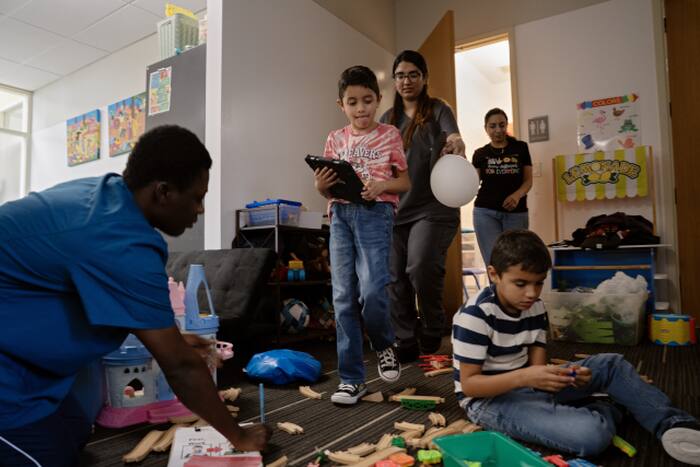

Elsewhere on the site
 Conflict & Security•3 min readWashington resident charged in Canada school shooting denied bail
 Politics•3 min readTrump granted clemency to 85 officials charged with corruption
 Politics•3 min readTrump Questions Ilhan Omar's Net Worth Discrepancy
 Conflict & Security•3 min readHurricane Simon and Rachel remnants kill six on Mexico's Pacific coast