Nature study finds only about a quarter of obese adults have clinical obesity
Analysis of data from 850,000 adults in four countries suggests most obesity is pre‑clinical and does not progress to disease
AI-assisted coverage comparison, editor-supervised · How this was made
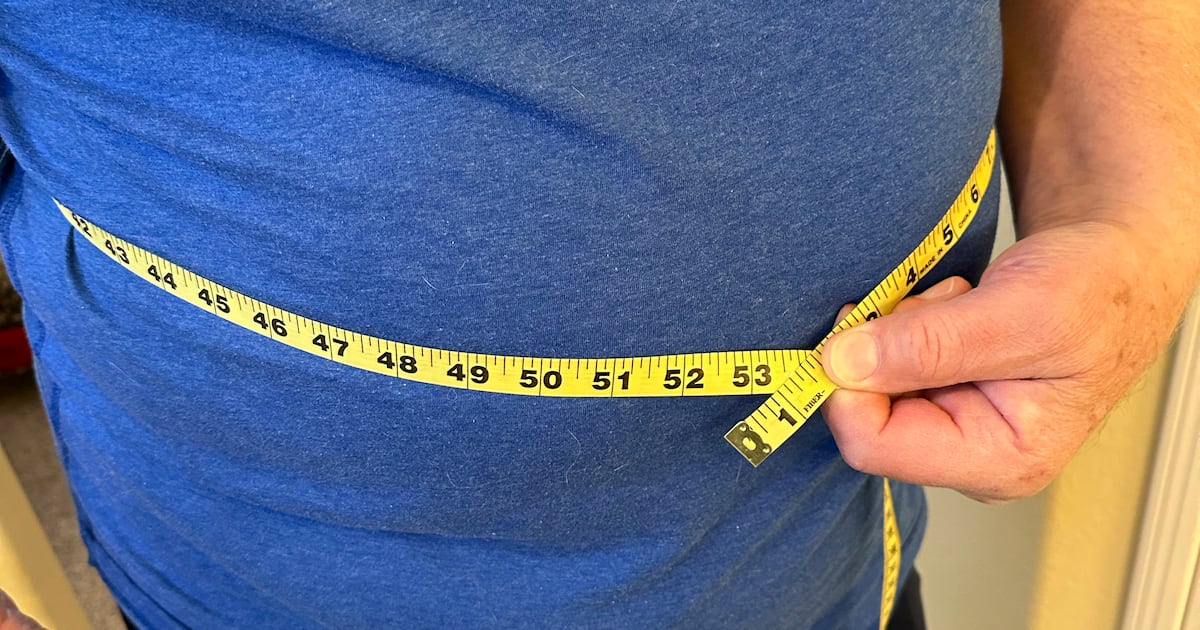
The rate of severe obesity rose even faster than the overall obesity rate. (AP Photo/JoNel Aleccia)
Photograph: CTV News (embedded from source)
What this story says
- A Nature study using data from about 850,000 adults in China, Britain, the US and Spain redefines obesity into pre‑clinical and clinical categories.
- Only roughly 27 % of people classified as obese meet the clinical definition, representing about 8.5 % of all adults.
- Around 82 % of those with pre‑clinical obesity did not progress to clinical obesity, with higher progression rates in China and Spain.
- The authors recommend adding body‑fat measures such as waist circumference to improve diagnosis.
Who covered it
Percentages are shares of the 26 outlets carrying a published leaning rating. 12 of the 38 outlets we know ran this story carry no rating and are not counted in them. Coverage measured .
Trust
74/100
Craft
95/100
Hype
15/100
38 sources · methodology
A study published in Nature examined health data from almost 850,000 adults across China, Britain, the United States and Spain. The researchers aimed to move obesity diagnosis beyond body‑mass index alone by adding body‑fat measures and organ‑function indicators. The senior author, Francesco Rubino of King’s College London, said the inaccuracy of BMI has long been recognised but a better system has not yet been adopted.
Applying the new framework, the authors estimated that on average only about 27 % of people currently labelled as obese would be classified as having clinical obesity. This proportion translates to roughly 8.5 % of all adults in the four countries. The remaining majority would fall into a pre‑clinical category, indicating elevated risk but not active disease.
The study found that around 82 % of individuals identified with pre‑clinical obesity did not progress to clinical obesity during the observation period. Progression rates were higher in China and Spain, suggesting regional variation. The authors argue that distinguishing pre‑clinical from clinical obesity could refine treatment decisions and public‑health policy.
“"But we haven’t so far got a better system,"”
27%
Clinical obesity among obese adults
Across China, Britain, the US and Spain
Blindspot
No left‑ or right‑rated outlets ran this story, leaving their perspectives absent from the coverage.
Still developing. We have re-checked which outlets are covering this 2 times, most recently on 12 Nov 2026, 04:45, and will add the sides that appear.
How each side covered it
Our own reading of the reporting listed below, written from the outlets’ articles rather than quoted from them. The reasoning is set out on our methodology page.
Left
8 rated outlets
We have not written our reading of the left coverage of this story. The left-rated outlets that ran it are listed below.
Centre
10 rated outlets
- CTV News highlighted the limited share of obese adults who actually have clinical disease, noting that "only between a quarter and a third of people currently diagnosed with obesity should be considered as in poor health." The report quoted senior author Francesco Rubino saying, "But we haven’t so far got a better system," and stressed the proposal to add waist‑circumference and organ‑function tests to the diagnostic criteria. It also referenced the World Health Organization’s estimate that more than one billion people worldwide are affected by obesity.
Right
8 rated outlets
We have not written our reading of the right coverage of this story. The right-rated outlets that ran it are listed below.
Questions about this coverage
- How did the left and right cover Nature study finds only about a quarter of obese adults have clinical…?
- Of the 26 outlets on this story carrying a published leaning rating, 29% are rated left, 42% are rated centre, 29% are rated right. Those percentages are shares of the rated outlets, not of every outlet that ran it, which was 38. The sections above set out what each side emphasised, in its own terms.
- Is Nature study finds only about a quarter of obese adults have clinical… left or right?
- Neither side dominates it. Of the 26 rated outlets on this story, 29% are rated left, 42% are rated centre, 29% are rated right, and no side holds the 70% this site would want before calling a field one-sided. A story is not left or right in any case; the outlets that carried it are what carry ratings.
- Is the coverage of Nature study finds only about a quarter of obese adults have clinical… biased?
- Nature study finds only about a quarter of obese adults have clinical obesity is one event reported by 38 outlets, and this page does not rate the story as biased or unbiased. What it publishes is the spread: which outlets ran it, where named rating organisations place each of them on the spectrum, and what each side chose to lead with. A leaning rating describes an outlet's record over time, not this article, and the two should not be run together.
- Which outlets covered Nature study finds only about a quarter of obese adults have clinical…?
- 38 that we know of, every one of them listed further up this page with a link to its own report and to what we hold on the publisher. Nothing here is a summary of somebody else's summary: the outlets are named so the original reporting can be read.
- What new definition of obesity does the study propose?
- The study suggests a two‑tier definition that separates pre‑clinical obesity, identified by high body‑fat measures but no organ damage, from clinical obesity, where excess weight is already causing organ dysfunction. This approach adds waist‑circumference and health‑status checks to the traditional BMI metric.
- How many obese adults are estimated to have clinical obesity?
- The authors estimate that about 27 % of people classified as obese under BMI criteria meet the clinical definition, which corresponds to roughly 8.5 % of all adults across the four countries examined in the study.
- What did the study find about the progression from pre‑clinical to clinical obesity?
- Around 82 % of individuals labelled with pre‑clinical obesity did not advance to clinical obesity during the study period. The analysis noted higher progression rates in China and Spain, indicating that most pre‑clinical cases remain stable over time.
- Why do the authors believe the current BMI‑only system is insufficient?
- Senior author Francesco Rubino said the inaccuracy of BMI measurements is well‑known and that no better system has been widely adopted. The study argues that incorporating body‑fat assessments and organ‑function indicators would provide a more meaningful clinical characterisation of obesity.
Read it at the source
38 outlets, grouped by the leaning a published rating gives them. Every headline links to the original; an underlined outlet name opens our profile of that publisher.
Left
8- Obesity Does Not Automatically Mean Poor Health, Shows a New Study - HotNews.ro (opens Hot News in a new tab)
- Study Suggests Not All Obesity Means Ill-Health (opens GV Wire in a new tab)
- ‘BMI’ Misses Health Risks… Will a New Method for Diagnosing Obesity Emerge? (opens 한겨레 in a new tab)
한겨레
- Millions of people 'wrongly labelled by BMI scale,' suggests study (opens The Independent in a new tab)
The Independent — is The Independent biased? Our profile of this outlet
- A New Way of Measuring Obesity Increases Almost 40% of Cases in Spain (opens El Pais in a new tab)
- More than 1 million Brits 'wrongly classified as obese under flawed BMI' (opens The Independent (US) in a new tab)
The Independent (US) — is The Independent (US) biased? Our profile of this outlet
- Obesity: Why BMI Is Not Enough – and What Matters Instead (opens Sueddeutsche Zeitung in a new tab)
Sueddeutsche Zeitung — is Sueddeutsche Zeitung biased? Our profile of this outletOpinion
- The Best Way to Know if You Have Obesity Combines Weight, Height and Waist Perimeter (opens La Vanguardia in a new tab)
La Vanguardia — is La Vanguardia biased? Our profile of this outlet
Centre
10- Study suggests not all obesity means ill-health (opens CTV News in a new tab)
- A New Study Argues that Obesity Does Not Automatically Mean Poor Health. (opens Digi 24 in a new tab)
- Study suggests not all obesity means ill-health (opens Reuters in a new tab)
- Study suggests not all obesity means ill-health (opens WTVB in a new tab)
- Obesity: Study Confirms Body Mass Index (BMI) Limits to Assess Excess Fat (opens Sud Ouest in a new tab)
- The Body Mass Index Is Insufficient to Evaluate Obesity, According to Scientists (opens Hola News in a new tab)
- No Longer Just BMI: This Is How Obesity Could Be Better Defined (opens Tagesschau in a new tab)
Tagesschau — is Tagesschau biased? Our profile of this outletOpinion
- New Method of Diagnosing Obesity Reflects Health Risks Better than BMI (opens Inside Precision Medicine in a new tab)
Inside Precision Medicine — is Inside Precision Medicine biased? Our profile of this outlet
Show 2 more
Right
8- Obesity Doesn't Necessarily Mean You're Sick. A Huge Study Changes Everything We Knew About Diagnosis (opens REALITATEA.NET in a new tab)
REALITATEA.NET — is REALITATEA.NET biased? Our profile of this outlet
- Study suggests not all obesity means ill-health - Regional Media News (opens regionalmedianews.com in a new tab)
regionalmedianews.com — is regionalmedianews.com biased? Our profile of this outlet
- Study suggests not all obesity means ill-health (opens The Straits Times in a new tab)
The Straits Times — is The Straits Times biased? Our profile of this outlet
- New Definition of Obesity: the Body Mass Index Alone Is Not Enough (opens Kurier in a new tab)
Kurier — is Kurier biased? Our profile of this outletOpinion
- BMI Is Not Enough to Know Who Is Obese and Lets some of the Cases Escape (opens Globo in a new tab)
- Up to One Third of People Classified as Obese Receive Drugs without Being Ill (opens ABC in a new tab)
- The Study that Disassembles BMI: Why Obesity Is Much More than a Number in the Scale (opens El Mundo in a new tab)
El Mundo — is El Mundo biased? Our profile of this outletOpinion
- “Height and Weight Alone Cannot Cover It”: 200-Year-Old BMI System Missed up to 8.6% of Obese Patients (opens 조선일보 in a new tab)
조선일보
Not rated
12- Measuring Also the Waist Increases Almost 40% the Cases of Obesity Detected in Spain (opens Qué! in a new tab)
- How Many People Diagnosed with Obesity Are Actually Sick. What a New Study Shows (opens Stirile Pro TV in a new tab)
Stirile Pro TV — is Stirile Pro TV biased? Our profile of this outlet
- STUDY Obesity Does Not Automatically Mean a Poor State of Health. Only a Quarter of the People Diagnosed Would Have Clinical Form of the Disease (opens Adevarul in a new tab)
- Obesity: BMI Challenged to Assess Excess Fat, According to a Study (opens cnews.fr in a new tab)
- Millions of People Misdiagnosed with Obesity: Scientists Have Found a More Accurate Way to Determine Dangerous Weight (opens ТСН.ua in a new tab)
- To Judge Obesity, the Waist Circumference Is Worth the Balance. (opens Le Singulier in a new tab)
Le Singulier — is Le Singulier biased? Our profile of this outletOpinion
- Its Impreciseness Is "a Major Problem": This Study Confirms the Limits of the Body Mass Index to Diagnose Obesity and Sets Out Alternatives (opens nicematin.com in a new tab)
nicematin.com — is nicematin.com biased? Our profile of this outlet
- New Definition of Obesity More Accurate than BMI, but Difficult to Implement (opens Deutsches Ärzteblatt in a new tab)
Deutsches Ärzteblatt — is Deutsches Ärzteblatt biased? Our profile of this outlet
Show 4 more
- The Extensive Analysis Confirmed the Usefulness of a New Classification of Obesity (opens nplus1.ru in a new tab)
- New clinical definition versus BMI in diagnosing obesity (opens Science Media Centre in a new tab)
Science Media Centre — is Science Media Centre biased? Our profile of this outlet
- Body Mass Index May Have Misclassified Millions Of People In UK, Researchers Say (opens Great Yorkshire Radio in a new tab)
Great Yorkshire Radio — is Great Yorkshire Radio biased? Our profile of this outlet
- "Weight Alone Cannot Determine Obesity"… New Diagnostic Criteria Verifyed Through Analysis of 840,000 People (opens asiae.co.kr in a new tab)
asiae.co.kr — is asiae.co.kr biased? Our profile of this outlet
How did this read?
About the coverage, not about the story. We do not ask whether you agree with what happened — we have no honest use for that answer.
Elsewhere on the site
 Conflict & Security•3 min readUS Asks Russia for New European Security Proposal
 Climate•3 min readErdogan calls Gaza war 'ecocide' at UN climate summit
 Conflict & Security•3 min readRubio and Wang Yi Discussed Denuclearisation and Summits
 Politics•2 min readMontana Democrats Name SJ Howell First Trans/Nonbinary Party Leader