Army study finds ICE‑purchased shock gloves cause intense pain and immediate compliance
The October 2024 Fort Leavenworth test showed volunteers stopped resisting within seconds, and ICE signed a $16.7 million contract for 6,000 pairs in August.
AI-assisted coverage comparison, editor-supervised · How this was made
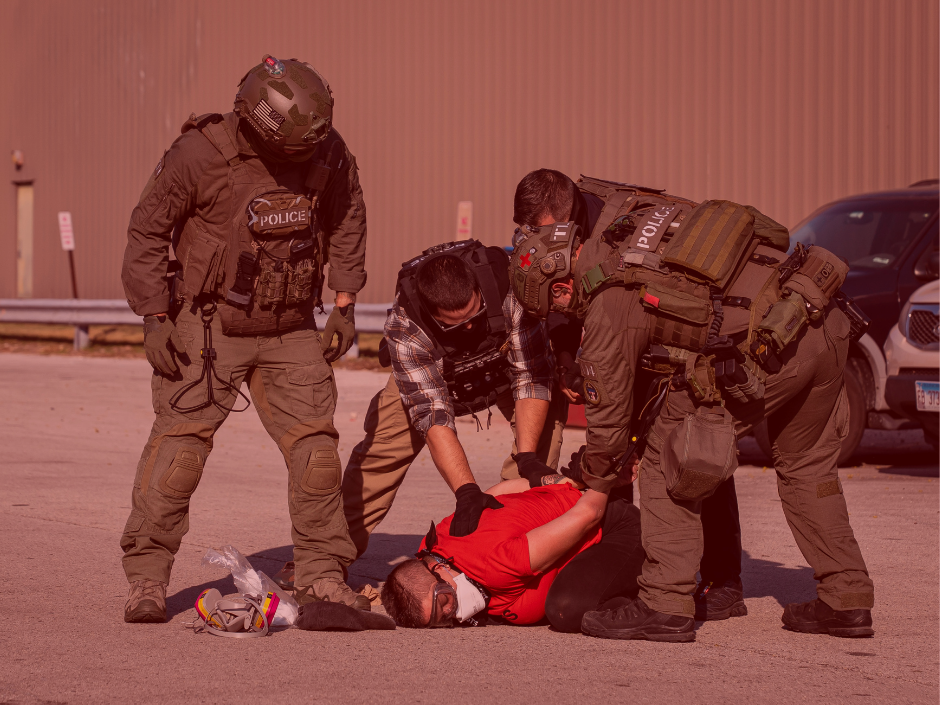
Army study finds ICE‑purchased shock gloves cause intense pain and immediate compliance
Photograph: American Oversight (embedded from source)
What this story says
- An Army study at Fort Leavenworth in October 2024 found the gloves cause intense pain, fear and immediate compliance.
- ICE signed a $16.7 million contract in August to buy 6,000 pairs of the gloves.
- ICE has not responded to requests for comment about the study or deployment.
- Sixteen senators have asked ICE to explain the purchase and safety measures, without receiving a reply.
Who covered it
Percentages are shares of the 41 outlets carrying a published leaning rating. 23 of the 64 outlets we know ran this story carry no rating and are not counted in them. Coverage measured .
Trust
86/100
Craft
95/100
Hype
18/100
64 sources · methodology
Thin on the right so far
Only 6 of the 41 outlets with a published leaning rating that ran this story are rated right.
This story is still being watched, so it is a count and not yet a finding. Coverage keeps arriving for hours after an event, and a side that has published nothing this morning may publish by tonight. If it is still true when we stop checking, we will say so plainly.
The U.S. Army conducted a test at the military prison in Fort Leavenworth, Kansas, in October 2024. Participants who wore the electric shock gloves reported severe pain, stopped fighting within seconds and expressed fear of further shocks. The study concluded that the devices produced immediate compliance and heightened apprehension among the volunteers.
Records obtained by the watchdog group American Oversight show that Immigration and Customs Enforcement officials were aware of the study’s findings before approving a contract in August. The contract, worth $16.7 million, calls for the purchase of 6,000 pairs of the gloves.
ICE has not answered an Associated Press request for comment on the study or on how the gloves will be used. The agency’s own description calls the devices “distraction and de‑escalation” tools intended to keep officers safer.
U.S. Senator Catherine Cortez Masto and fifteen other Democratic senators sent a letter on 27 August asking ICE to cancel the purchase or explain safeguards. The agency has not replied to the senators’ inquiry.
““After experiencing the effects of the GLOVE, … participants stated just seeing the GLOVE was enough to make them want to comply,””
$16.7 million
Contract amount
ICE signed in August for 6,000 pairs of shock gloves
Omissions
None of the right‑rated digests mention the $16.7 million contract amount that ICE signed for 6,000 pairs of shock gloves.
Still developing. We have re-checked which outlets are covering this 4 times, most recently on 7 Oct 2026, 03:00, and will add the sides that appear.
How each side covered it
Our own reading of the reporting listed below, written from the outlets’ articles rather than quoted from them. The reasoning is set out on our methodology page.
Left
21 rated outlets
- Left‑rated outlets highlighted the intense pain and terror the gloves cause, describing them as a tool that could be used to intimidate detainees and protesters. They stressed safety concerns, noting that the study did not evaluate risks for children, pregnant women or people with disabilities, and quoted critics who warned the gloves could brutalise vulnerable populations.
Centre
14 rated outlets
- Centre‑rated outlets reported the study’s findings, the $16.7 million contract and ICE’s claim that the gloves are “distraction and de‑escalation” devices. They included statements from ICE officials, the contract details, and the senators’ letters demanding answers, while also noting that ICE had not responded to media inquiries.
Right
6 rated outlets
- Right‑rated outlets focused on the study’s demonstration that the gloves produce immediate compliance and fear, repeating the description of the devices as powerful non‑lethal tools. They reported ICE’s framing of the gloves as safer alternatives but did not mention the contract’s $16.7 million cost.
Questions about this coverage
- How did the left and right cover Army study finds ICE‑purchased shock gloves cause intense pain and…?
- Of the 41 outlets on this story carrying a published leaning rating, 51% are rated left, 34% are rated centre, 15% are rated right. Those percentages are shares of the rated outlets, not of every outlet that ran it, which was 64. The sections above set out what each side emphasised, in its own terms.
- Is Army study finds ICE‑purchased shock gloves cause intense pain and… left or right?
- Neither side dominates it. Of the 41 rated outlets on this story, 51% are rated left, 34% are rated centre, 15% are rated right, and no side holds the 70% this site would want before calling a field one-sided. A story is not left or right in any case; the outlets that carried it are what carry ratings.
- Is the coverage of Army study finds ICE‑purchased shock gloves cause intense pain and… biased?
- Army study finds ICE‑purchased shock gloves cause intense pain and immediate compliance is one event reported by 64 outlets, and this page does not rate the story as biased or unbiased. What it publishes is the spread: which outlets ran it, where named rating organisations place each of them on the spectrum, and what each side chose to lead with. A leaning rating describes an outlet's record over time, not this article, and the two should not be run together.
- Which side is not reporting Army study finds ICE‑purchased shock gloves cause intense pain and…?
- When we first saw this story, outlets rated right had barely covered it. Coverage accretes for hours after an event, so that is where to look rather than a verdict — the split above is the current count, and it is the one to read.
- Which outlets covered Army study finds ICE‑purchased shock gloves cause intense pain and…?
- 64 that we know of, every one of them listed further up this page with a link to its own report and to what we hold on the publisher. Nothing here is a summary of somebody else's summary: the outlets are named so the original reporting can be read.
- What did the Army study find about the shock gloves?
- The study, conducted at Fort Leavenworth in October 2024, recorded that volunteers who were fitted with the electric shock gloves experienced intense pain, stopped resisting within seconds and reported fear of additional shocks, indicating the devices force immediate compliance.
- How much did ICE spend on the gloves and how many were ordered?
- ICE signed a contract in August for $16.7 million to purchase 6,000 pairs of the shock gloves, according to records obtained by American Oversight and reported by multiple outlets.
- Has ICE responded to questions about the study or the gloves?
- ICE has not answered an Associated Press request for comment on the Army study or on how the gloves will be deployed, and it also has not replied to a letter from sixteen senators seeking details about the purchase and safety measures.
- What action did senators take regarding the glove purchase?
- Sixteen Democratic senators, led by Catherine Cortez Masto, sent a letter on 27 August asking ICE to cancel the purchase or explain how the gloves will be used and what safeguards are in place; the agency has not provided a response.
Read it at the source
64 outlets, grouped by the leaning a published rating gives them. Every headline links to the original; an underlined outlet name opens our profile of that publisher.
Left
21- Study: Shock gloves traumatized Army volunteers (opens Mother Jones in a new tab)
Mother Jones — is Mother Jones biased? Our profile of this outlet
- ICE Records Reveal Military Report Showing Shock Gloves Force Compliance Through Pain, Did Not Evaluate Safety (opens American Oversight in a new tab)
American Oversight — is American Oversight biased? Our profile of this outlet
- Army study found shock gloves purchased by ICE cause pain, compliance and fear (opens The Daily Star in a new tab)
The Daily Star — is The Daily Star biased? Our profile of this outlet
- Army study found shock gloves purchased by ICE cause pain, compliance and fear (opens Kokomo Tribune in a new tab)
Kokomo Tribune — is Kokomo Tribune biased? Our profile of this outlet
- Army study found shock gloves purchased by ICE cause pain, compliance and fear (opens The Independent Online in a new tab)
The Independent Online — is The Independent Online biased? Our profile of this outlet
- An Army Study Showed Shock Gloves Caused 'Intense Pain' and Terrified Victims—Then ICE Ordered 6,000 Pairs of Them (opens Common Dreams in a new tab)
Common Dreams — is Common Dreams biased? Our profile of this outlet
- Army study found shock gloves purchased by ICE cause pain, compliance and fear (opens The Herald Journal in a new tab)
The Herald Journal — is The Herald Journal biased? Our profile of this outlet
- Army study found shock gloves purchased by ICE cause pain, compliance and fear (opens The Toronto Star in a new tab)
The Toronto Star — is The Toronto Star biased? Our profile of this outlet
Show 13 more
- Army study found shock gloves purchased by ICE cause pain, compliance and fear (opens Daily Record in a new tab)
Daily Record — is Daily Record biased? Our profile of this outlet
- Army study found shock gloves purchased by ICE cause pain, compliance and fear (opens Richmond Register in a new tab)
Richmond Register — is Richmond Register biased? Our profile of this outlet
- Army study found shock gloves purchased by ICE cause pain, compliance and fear (opens The Seattle Times in a new tab)
The Seattle Times — is The Seattle Times biased? Our profile of this outlet
- Army study found shock gloves purchased by ICE cause pain, compliance and fear (opens The Independent (US) in a new tab)
The Independent (US) — is The Independent (US) biased? Our profile of this outlet
- Army study found shock gloves purchased by ICE cause pain, compliance and fear (opens ABC News in a new tab)
- Army study found shock gloves purchased by ICE cause pain, compliance and fear (opens Associated Press News in a new tab)
Associated Press News — is Associated Press News biased? Our profile of this outlet
- Army study found shock gloves purchased by ICE cause pain, compliance and fear (opens The Independent in a new tab)
The Independent — is The Independent biased? Our profile of this outlet
- Electric Gloves Purchased by ICE Cause Intense Pain, Reveals Army Study; Authorities Knew and Still Bought Them (opens El Universal in a new tab)
El Universal — is El Universal biased? Our profile of this outlet
- Army study found shock gloves purchased by ICE cause pain, compliance and fear (opens NiagaraFallsReview.ca in a new tab)
NiagaraFallsReview.ca — is NiagaraFallsReview.ca biased? Our profile of this outlet
- Army study found shock gloves purchased by ICE cause pain, compliance and fear (opens St Catharines Standard in a new tab)
St Catharines Standard — is St Catharines Standard biased? Our profile of this outlet
- Army study found shock gloves purchased by ICE cause pain, compliance and fear (opens The Record in a new tab)
The Record — is The Record biased? Our profile of this outlet
- Army study found shock gloves purchased by ICE cause pain, compliance and fear (opens The Hamilton Spectator in a new tab)
The Hamilton Spectator — is The Hamilton Spectator biased? Our profile of this outlet
- Army study found shock gloves purchased by ICE cause pain, compliance and fear (opens Durango Herald in a new tab)
Durango Herald — is Durango Herald biased? Our profile of this outlet
Centre
14- Army Study Found Shock Gloves Purchased by Ice Cause Pain, Compliance and Fear (opens Military.com in a new tab)
Military.com — is Military.com biased? Our profile of this outlet
- Army study found shock gloves purchased by ICE cause pain, compliance and fear (opens Cherokee Tribune Ledger News in a new tab)
Cherokee Tribune Ledger News — is Cherokee Tribune Ledger News biased? Our profile of this outlet
- Army study found shock gloves purchased by ICE cause pain, compliance and fear (opens Ottumwa Courier in a new tab)
Ottumwa Courier — is Ottumwa Courier biased? Our profile of this outlet
- Army study found shock gloves purchased by ICE cause pain, compliance and fear (opens The New York Ledger in a new tab)
The New York Ledger — is The New York Ledger biased? Our profile of this outlet
- Study finds Kentucky shock gloves cause intense pain and force compliance (opens Spectrum News in a new tab)
Spectrum News — is Spectrum News biased? Our profile of this outlet
- Army study found shock gloves purchased by ICE cause pain, compliance and fear (opens ABC 7 LA in a new tab)
- Army study found shock gloves purchased by ICE cause pain, compliance and fear (opens My Mother Lode in a new tab)
My Mother Lode — is My Mother Lode biased? Our profile of this outlet
- Army study found shock gloves purchased by ICE cause pain, compliance and fear (opens The Record in a new tab)
The Record
Show 6 more
- Army study found shock gloves purchased by ICE cause pain, compliance and fear (opens The Virginian Pilot in a new tab)
The Virginian Pilot — is The Virginian Pilot biased? Our profile of this outlet
- Army study found shock gloves purchased by ICE cause pain, compliance and fear (opens Chicago Tribune in a new tab)
Chicago Tribune — is Chicago Tribune biased? Our profile of this outlet
- Army study found shock gloves purchased by ICE cause pain, compliance and fear (opens Henry Herald in a new tab)
Henry Herald — is Henry Herald biased? Our profile of this outlet
- Army study found shock gloves purchased by ICE cause pain, compliance and fear (opens Cecil Daily in a new tab)
Cecil Daily — is Cecil Daily biased? Our profile of this outlet
- Army study found shock gloves purchased by ICE cause pain, compliance and fear – WTOP News (opens Washington Top News in a new tab)
Washington Top News — is Washington Top News biased? Our profile of this outlet
- Army study found shock gloves purchased by ICE cause pain, compliance and fear (opens Winnipeg Free Press in a new tab)
Winnipeg Free Press — is Winnipeg Free Press biased? Our profile of this outlet
Right
6- Army Study Found Shock Gloves Purchased By Ice Cause Pain, Compliance And Fear (opens VINnews in a new tab)
- Military Report On ICE Shock Gloves Found Pain Drives Compliance, Safety Unchecked (opens The Free Press (Tampa) in a new tab)
The Free Press (Tampa) — is The Free Press (Tampa) biased? Our profile of this outlet
- Army study found shock gloves purchased by ICE cause pain, compliance and fear (opens Washington Times in a new tab)
Washington Times — is Washington Times biased? Our profile of this outlet
- Army study found shock gloves purchased by ICE cause pain, compliance and fear (opens Jonesboro Sun in a new tab)
Jonesboro Sun — is Jonesboro Sun biased? Our profile of this outlet
- Army study found shock gloves purchased by ICE cause pain, compliance and fear (opens MY Northwest in a new tab)
MY Northwest — is MY Northwest biased? Our profile of this outlet
- Army study found shock gloves purchased by ICE cause pain, compliance and fear (opens Owensboro Messenger-Inquirer in a new tab)
Owensboro Messenger-Inquirer — is Owensboro Messenger-Inquirer biased? Our profile of this outlet
Not rated
23- Whatseto? ICE Electric Discharge Gloves (opens Remolacha in a new tab)
- ICE Electric Gloves Cause Intense Pain and Fear (opens Turquesa News in a new tab)
Turquesa News — is Turquesa News biased? Our profile of this outlet
- ICE Electric Discharge Gloves Cause Intense Pain, Reveals Army Study (opens Telemundo Tampa (49) in a new tab)
Telemundo Tampa (49) — is Telemundo Tampa (49) biased? Our profile of this outlet
- ICE Electric Discharge Gloves Cause Intense Pain, Reveals Army Study (opens Telemundo Orlando (31) in a new tab)
Telemundo Orlando (31) — is Telemundo Orlando (31) biased? Our profile of this outlet
- ICE Electric Discharge Gloves Cause Intense Pain, Reveals Army Study (opens Telemundo New York (47) in a new tab)
Telemundo New York (47) — is Telemundo New York (47) biased? Our profile of this outlet
- ICE Electric Discharge Gloves Cause Intense Pain, Reveals Army Study (opens Telemundo 62 in a new tab)
Telemundo 62 — is Telemundo 62 biased? Our profile of this outlet
- ICE Electric Discharge Gloves Cause Intense Pain, Reveals Army Study (opens Telemundo Miami (51) in a new tab)
Telemundo Miami (51) — is Telemundo Miami (51) biased? Our profile of this outlet
- ICE Electric Discharge Gloves Cause Intense Pain, Reveals Army Study (opens Telemundo Nueva Inglaterra in a new tab)
Telemundo Nueva Inglaterra — is Telemundo Nueva Inglaterra biased? Our profile of this outlet
Show 15 more
- ICE Electric Discharge Gloves Cause Intense Pain, Reveals Army Study (opens Telemundo 44 Washington DC in a new tab)
Telemundo 44 Washington DC — is Telemundo 44 Washington DC biased? Our profile of this outlet
- ICE Electric Discharge Gloves Cause Intense Pain, Reveals Army Study (opens Telemundo McAllen (40) in a new tab)
Telemundo McAllen (40) — is Telemundo McAllen (40) biased? Our profile of this outlet
- ICE Electric Discharge Gloves Cause Intense Pain, Reveals Army Study (opens Telemundo Houston in a new tab)
Telemundo Houston — is Telemundo Houston biased? Our profile of this outlet
- ICE Electric Discharge Gloves Cause Intense Pain, Reveals Army Study (opens Telemundo Chicago in a new tab)
Telemundo Chicago — is Telemundo Chicago biased? Our profile of this outlet
- Army Study Found that Electric Gloves Purchased by ICE Cause Intense Pain and Fear (opens Independent Español in a new tab)
Independent Español — is Independent Español biased? Our profile of this outlet
- ICE Electric Discharge Gloves Cause Intense Pain, Reveals Army Study (opens Telemundo Denver in a new tab)
Telemundo Denver — is Telemundo Denver biased? Our profile of this outlet
- ICE Electric Discharge Gloves Cause Intense Pain, Reveals Army Study (opens Telemundo Nuevo México in a new tab)
Telemundo Nuevo México — is Telemundo Nuevo México biased? Our profile of this outlet
- ICE Electric Discharge Gloves Cause Intense Pain, Reveals Army Study (opens Telemundo Utah in a new tab)
Telemundo Utah — is Telemundo Utah biased? Our profile of this outlet
- ICE Electric Discharge Gloves Cause Intense Pain, Reveals Army Study (opens Telemundo Fresno in a new tab)
Telemundo Fresno — is Telemundo Fresno biased? Our profile of this outlet
- ICE Electric Discharge Gloves Cause Intense Pain, Reveals Army Study (opens Telemundo Phoenix/Tucson in a new tab)
Telemundo Phoenix/Tucson — is Telemundo Phoenix/Tucson biased? Our profile of this outlet
- ICE Electric Discharge Gloves Cause Intense Pain, Reveals Army Study (opens Telemundo Las Vegas in a new tab)
Telemundo Las Vegas — is Telemundo Las Vegas biased? Our profile of this outlet
- ICE Electric Discharge Gloves Cause Intense Pain, Reveals Army Study (opens Telemundo 20 in a new tab)
Telemundo 20 — is Telemundo 20 biased? Our profile of this outlet
- ICE Electric Discharge Gloves Cause Intense Pain, Reveals Army Study (opens Telemundo Area de la Bahía 48 in a new tab)
Telemundo Area de la Bahía 48 — is Telemundo Area de la Bahía 48 biased? Our profile of this outlet
- MAXIMUM ALERT, Legal and Undocumented Immigrants in the U.S.: Army Study Reveals ICE's ELECTRIC GUANTEE Causes INTENSE DOOR AND FEAR (opens libero.pe in a new tab)
- Army Study Found that Electric Gloves Purchased by ICE Cause Intense Pain and Fear (opens Proceso in a new tab)
How did this read?
About the coverage, not about the story. We do not ask whether you agree with what happened — we have no honest use for that answer.