Data Centers Linked to GOP Vote Drop in Red Counties, Analysis Finds
A conservative group's study suggests these projects may have driven voters away from Republicans in the 2026 midterms.
AI-assisted coverage comparison, editor-supervised · How this was made
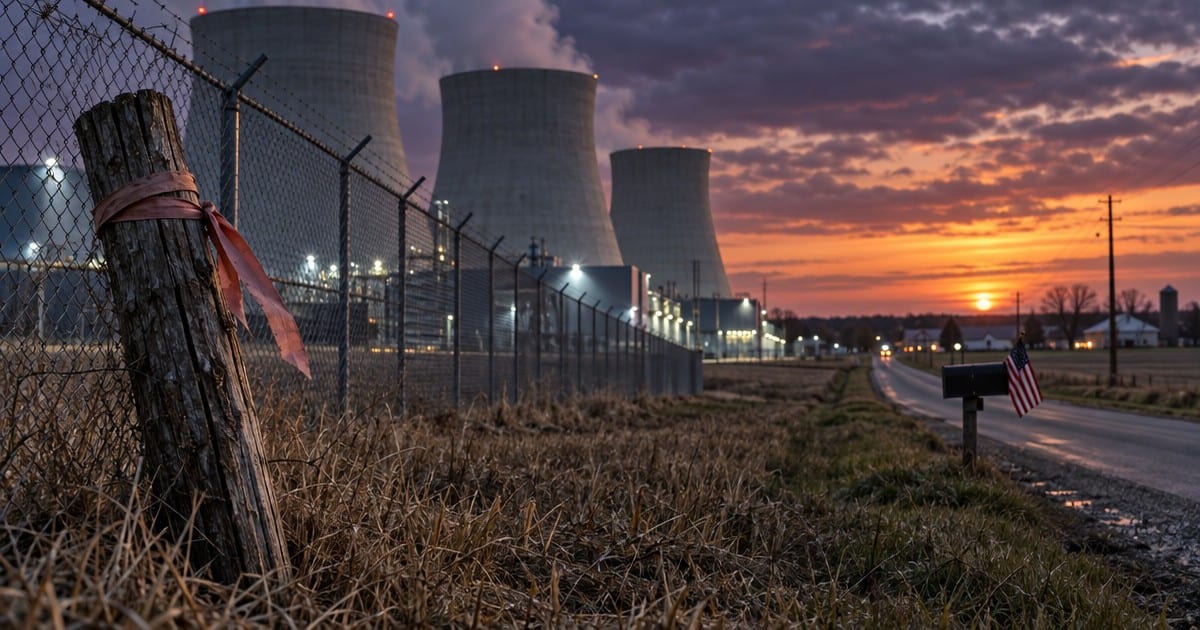
Data center construction in rural counties reshapes local politics and property rights. | Next News Editorial Illustration
Photograph: Next News Network (embedded from source)
What this story says
- Deep-red counties with data centers or proposed projects shifted 2.2 percentage points more toward Democrats in the 2026 midterms than comparable counties without them, according to Humans First.
- Republican vote totals in these host counties fell by an additional 1.1% compared to non-host counties, while Democratic totals showed no significant change.
- The analysis identified 114 proposed large data center projects across 92 deep-red counties.
- Humans First cautioned that the findings show an association, not proof, that data centers caused voters to change their behavior.
Who covered it
Percentages are shares of the 6 outlets carrying a published leaning rating. 1 of the 7 outlets we know ran this story carry no rating and are not counted in them. Coverage measured .
Trust
86/100
Craft
95/100
Hype
30/100
7 sources · methodology
Thin on the left so far
None of the 6 outlets with a published leaning rating that ran this story are rated left.
This story is still being watched, so it is a count and not yet a finding. Coverage keeps arriving for hours after an event, and a side that has published nothing this morning may publish by tonight. If it is still true when we stop checking, we will say so plainly.
An analysis by the conservative group Humans First suggests that deep-red counties hosting large data centers or proposed projects saw a shift toward Democrats in the 2026 midterm elections. The study, which examined election returns and data center project records in 1,540 counties across 16 states, found that these host counties moved an additional 2.2 percentage points toward Democrats when compared with similar counties without such projects. This pattern was observed in 14 of the 16 states and in 25 of 27 governor and Senate races analyzed.
When focusing specifically on deep-red counties, those President Donald Trump won by at least 20 points in 2024, the analysis identified a 2.1-point gap between counties with large data centers and comparable counties without them. For counties with projects still in the proposal stage, the gap was 1.1 percentage points after accounting for factors such as past voting patterns, rural or urban status, population size, racial and ethnic makeup, and recent voting trends. The analysis also found that Republican vote totals fell an additional 1.1% in deep-red host counties compared with comparable non-host counties, while Democratic vote totals remained largely unchanged.
Disagreement on the cause
Humans First cautioned that its findings indicate an association rather than definitive proof that data centers directly caused voters to alter their behavior. The group also noted that county-level results cannot distinguish whether Republicans switched their votes or simply abstained from voting. Amy Kremer, chairwoman of Humans First, stated that people engage politically when issues affect them personally, suggesting that data centers impact aspects like pocketbooks, health care, and community quality of life, which may have driven voters away from Republicans.
What the coverage left out
None of the right-rated reports below mention the Energy Department estimate that data centers could account for 11.8% of U.S. electricity by 2030, or the Federal Energy Regulatory Commission's directive to grid operators regarding cost safeguards. The centre-rated report included these details. No left-rated outlet ran this story at all.
Still developing. We have re-checked which outlets are covering this 2 times, most recently on 10 Nov 2026, 09:45, and will add the sides that appear.
How each side covered it
Our own reading of the reporting listed below, written from the outlets’ articles rather than quoted from them. The reasoning is set out on our methodology page.
Left
0 rated outlets
No outlet rated left has run this story so far. We are still checking, and will say plainly if that does not change.
Centre
1 rated outlet
- The centre-rated report from IntelliNews led with the finding that deep-red counties with data center projects shifted toward Democrats in the midterms. It detailed the analysis by Humans First, noting that these host counties moved an additional 2.2 percentage points toward Democrats compared to non-host counties. The report included that Republican vote totals fell an additional 1.1% in these counties, while Democratic totals showed no significant change. It also mentioned the identification of 114 proposed large data center projects across 92 deep-red counties. The report quoted Amy Kremer on the reasons for the shift, including concerns over personal impact and local control, and mentioned that voters favored restrictions on data center development in 46 of 47 local ballot measures in 2026.
Right
5 rated outlets
- The right-rated reports highlighted that data centers cost the GOP in deep-red counties during the 2026 midterms, citing the Humans First analysis. Next News Network's report quoted Amy Kremer stating that voters in GOP strongholds were punishing Republicans over the AI data center buildout and that 114 more proposed projects could fuel backlash. These reports detailed the 2.2 percentage point shift toward Democrats and the 1.1% drop in Republican vote totals. They also included commentary from Donald Trump, who argued on Truth Social that communities should embrace data centers for economic success and lower taxes. Compass Data Centers CEO Chris Crosby acknowledged that developers have not always addressed concerns well. Next News Network's own commentary suggested that voters receptive to an America First message on land, water, and local control are being asked to accept large-scale industrial projects, often with tax abatements and without local votes.
Questions about this coverage
- How did the left and right cover Data Centers Linked to GOP Vote Drop in Red Counties, Analysis Finds?
- Of the 6 outlets on this story carrying a published leaning rating, 0% are rated left, 17% are rated centre, 83% are rated right. Those percentages are shares of the rated outlets, not of every outlet that ran it, which was 7. The sections above set out what each side emphasised, in its own terms.
- Is Data Centers Linked to GOP Vote Drop in Red Counties, Analysis Finds left or right?
- Too few of the outlets on this story carry a published leaning rating to say. 6 of them do, and this site does not characterise a field under 12: at that size one newsroom filing moves the share by ten points. The percentages above are the count as it stands.
- Is the coverage of Data Centers Linked to GOP Vote Drop in Red Counties, Analysis Finds biased?
- Data Centers Linked to GOP Vote Drop in Red Counties, Analysis Finds is one event reported by 7 outlets, and this page does not rate the story as biased or unbiased. What it publishes is the spread: which outlets ran it, where named rating organisations place each of them on the spectrum, and what each side chose to lead with. A leaning rating describes an outlet's record over time, not this article, and the two should not be run together.
- Which side is not reporting Data Centers Linked to GOP Vote Drop in Red Counties, Analysis Finds?
- When we first saw this story, outlets rated left had barely covered it. Coverage accretes for hours after an event, so that is where to look rather than a verdict — the split above is the current count, and it is the one to read.
- Which outlets covered Data Centers Linked to GOP Vote Drop in Red Counties, Analysis Finds?
- 7 that we know of, every one of them listed further up this page with a link to its own report and to what we hold on the publisher. Nothing here is a summary of somebody else's summary: the outlets are named so the original reporting can be read.
- What did the Humans First analysis find about data centers and voting patterns?
- The analysis found that deep-red counties with large data centers or proposed projects shifted an additional 2.2 percentage points toward Democrats in the 2026 midterm elections compared to similar counties without these facilities. Republican vote totals in these host counties fell by an additional 1.1%.
- Did the analysis prove that data centers caused voters to change their behavior?
- No, Humans First cautioned that its findings show an association rather than proof that data centers directly caused voters to change their behavior. The group also noted that county-level results cannot determine if Republicans switched their votes or simply stayed home.
- How many proposed data center projects were identified in the analysis?
- The analysis identified 114 proposed large data center projects across 92 deep-red counties. These projects could potentially lead to further local opposition and political engagement on the issue.
Read it at the source
7 outlets, grouped by the leaning a published rating gives them. Every headline links to the original; an underlined outlet name opens our profile of that publisher.
Left
0No outlet in this group ran the story.
Centre
1Right
5- Data Centers Cost GOP Deep-Red Counties in 2026 Midterms, New Analysis Finds (opens Next News Network in a new tab)
Next News Network — is Next News Network biased? Our profile of this outlet
- The Analysis Showed that the U.S. Red Districts Moved with Date Centers Towards the Democrats (opens vz.ru in a new tab)
- Red counties with data center projects swung away from GOP in midterms, analysis finds - NEW YORK TIMES POST (opens nytimespost.com in a new tab)
nytimespost.com — is nytimespost.com biased? Our profile of this outlet
- Red counties with data center projects swung away from GOP in midterms, analysis finds (opens wfmd.com in a new tab)
- Red counties with data center projects swung away from GOP in midterms, analysis finds (opens Fox News in a new tab)
Not rated
1How did this read?
About the coverage, not about the story. We do not ask whether you agree with what happened — we have no honest use for that answer.