Global gender gap closed by 69.2%, parity 120 years away
World Economic Forum report finds political empowerment lags furthest behind.
AI-assisted coverage comparison, editor-supervised · How this was made

Global gender gap closed by 69.2%, parity 120 years away
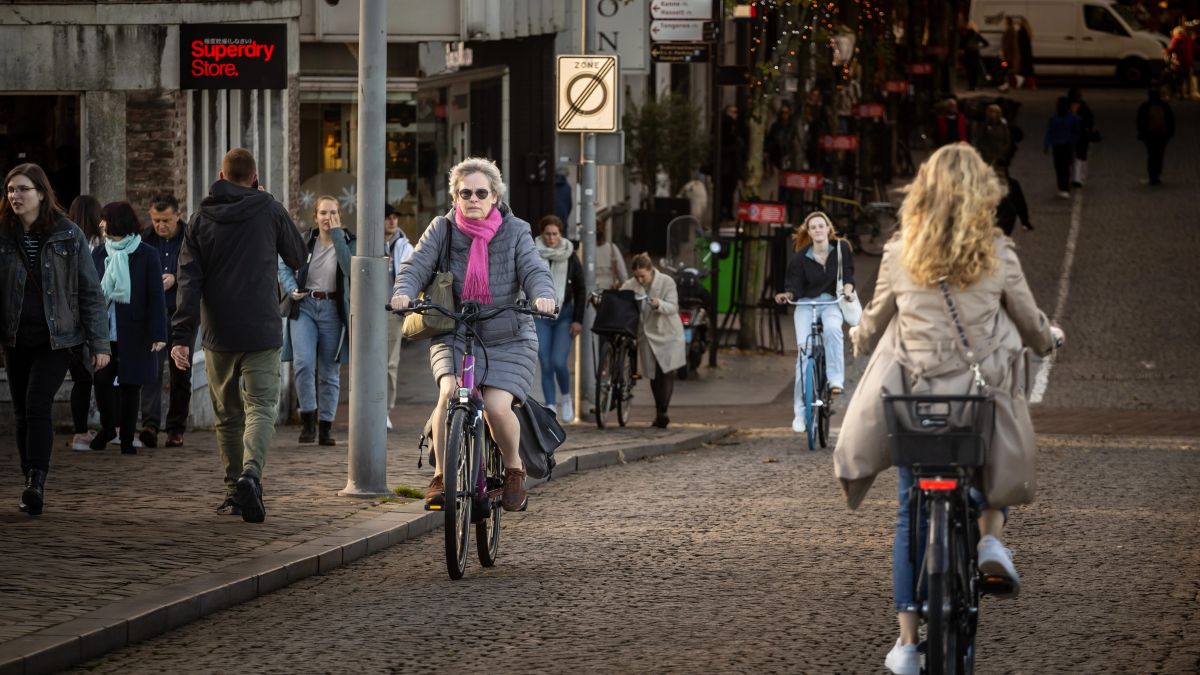
Photograph: The National (embedded from source)
What this story says
- The global gender gap has closed by 69.2%, the narrowest it has ever been, according to the World Economic Forum's 2026 Global Gender Gap Report.
- Full gender parity is estimated to be 120 years away at the current rate of progress, meaning it will not be achieved within the lifetime of most people alive today.
- Political empowerment remains the area furthest from parity, with only 22.1% of the gap closed and full parity an estimated 194 years away.
- Iceland has the narrowest gender gap, while the Middle East and North Africa region is projected to take 182 years to reach full parity.
Who covered it
Percentages are shares of the 13 outlets carrying a published leaning rating. 8 of the 21 outlets we know ran this story carry no rating and are not counted in them. Coverage measured .
Trust
42/100
Craft
61/100
Hype
41/100
21 sources · methodology
The global gender gap has narrowed to 69.2% closed, the closest it has ever been, according to the World Economic Forum's 2026 Global Gender Gap Report. However, the report estimates that at the current pace of progress, full gender parity will not be achieved for another 120 years. This means that gender equality may not be reached within the lifetimes of women currently alive.
The WEF report assesses gender parity across four areas: political empowerment, economic participation and opportunity, health and survival, and educational attainment. While education is closest to parity, with the remaining gap projected to close in eight years, political empowerment lags significantly. Only 22.1% of the political empowerment gap has been closed, with an estimated 194 years needed to reach full parity in this area. The report notes that gains in areas like education have not been matched by progress in women's representation in political decision-making, and political empowerment has seen setbacks since 2016.
Iceland has the narrowest gender gap for the 17th consecutive year, according to the report. European economies continue to dominate the top positions in the index. The Middle East and North Africa region lags behind other regions, standing at 62.5% gender parity in 2026 and projected to take 182 years to reach full parity. Despite this, the region has shown progress in educational attainment and economic participation, though political empowerment remains a significant challenge.
Disagreement on progress
The National reports that the change in the gap is not significant compared to last year, when the WEF estimated full gender parity was still 123 years away. However, other reports suggest progress is fragile and gains are reversing in some areas. Die Presse notes that gender equality has declined since the Coronapandemie, with fewer women in political positions than ten years ago.
What the coverage left out
None of the left, centre, or right-rated digests mention the specific figure that educational attainment is projected to reach parity in eight years. None of the right-rated digests mention the specific figure that political empowerment has gone backwards since 2016.
Still developing. We have re-checked which outlets are covering this 5 times, most recently on 17 Sept 2026, 16:00, and will add the sides that appear.
How each side covered it
Our own reading of the reporting listed below, written from the outlets’ articles rather than quoted from them. The reasoning is set out on our methodology page.
Left
3 rated outlets
- Left-rated reports highlighted the overall progress towards gender parity, stating the global gender gap has closed by 69.2% according to the World Economic Forum's 2026 Global Gender Gap Report. These reports emphasised that full parity is still 120 years away and that progress remains fragile. They also noted that political empowerment is the furthest from parity, with an estimated 194 years needed to achieve it. The Inquirer and foreignpolicyjournal.com specifically mentioned that women's political representation is declining and that gains are reversing in some areas.
Centre
4 rated outlets
- Centre-rated reports focused on the overall progress towards gender parity, noting that the global gender gap has narrowed but full parity is still 120 years away, as stated by the WEF report. Hindustan Times reported that Europe leads in closing the gender gap, followed by North America, while the Middle East and North Africa lag. Deutsche Welle and Hindustan Times both highlighted that progress on gender equality remains fragile and that women's political representation is declining.
Right
6 rated outlets
- Right-rated reports led with the projection that gender equality will take 120 years to achieve, even with reduced disparity, according to the World Economic Forum. These reports noted that the global gender gap has narrowed but that full parity remains distant. Arab News reported that Saudi Arabia is among the fastest-improving economies on gender parity. Die Presse and n-tv highlighted that women are underrepresented in leadership positions worldwide and that the trend is negative, with n-tv specifically mentioning the US under Trump and Namibia being ahead of Germany. Kurier noted that Iceland ranks first for the 17th consecutive year, while Austria fell to 56th place.
Questions about this coverage
- How did the left and right cover Global gender gap closed by 69.2%, parity 120 years away?
- Of the 13 outlets on this story carrying a published leaning rating, 23% are rated left, 31% are rated centre, 46% are rated right. Those percentages are shares of the rated outlets, not of every outlet that ran it, which was 21. The sections above set out what each side emphasised, in its own terms.
- Is Global gender gap closed by 69.2%, parity 120 years away left or right?
- Neither side dominates it. Of the 13 rated outlets on this story, 23% are rated left, 31% are rated centre, 46% are rated right, and no side holds the 70% this site would want before calling a field one-sided. A story is not left or right in any case; the outlets that carried it are what carry ratings.
- Is the coverage of Global gender gap closed by 69.2%, parity 120 years away biased?
- Global gender gap closed by 69.2%, parity 120 years away is one event reported by 21 outlets, and this page does not rate the story as biased or unbiased. What it publishes is the spread: which outlets ran it, where named rating organisations place each of them on the spectrum, and what each side chose to lead with. A leaning rating describes an outlet's record over time, not this article, and the two should not be run together.
- Which outlets covered Global gender gap closed by 69.2%, parity 120 years away?
- 21 that we know of, every one of them listed further up this page with a link to its own report and to what we hold on the publisher. Nothing here is a summary of somebody else's summary: the outlets are named so the original reporting can be read.
- How much has the global gender gap closed?
- The global gender gap has closed by 69.2%, according to the World Economic Forum's 2026 Global Gender Gap Report. This represents the narrowest gap recorded since the WEF began tracking it two decades ago.
- When will full gender parity be achieved?
- At the current rate of progress, full gender parity is estimated to be 120 years away. This means that full equality between men and women is unlikely to be achieved within the lifetime of most people currently alive.
- Which area is furthest from gender parity?
- Political empowerment remains the area furthest from gender parity. Only 22.1% of the gap in political empowerment has been closed, and the World Economic Forum estimates it will take an additional 194 years to achieve full parity in this sector.
- Which countries have the narrowest gender gap?
- Iceland has the narrowest gender gap for the 17th consecutive year. Other countries in the top 10 include Finland, Norway, Namibia, the United Kingdom, New Zealand, Sweden, Australia, Germany, and Ireland.
Read it at the source
21 outlets, grouped by the leaning a published rating gives them. Every headline links to the original; an underlined outlet name opens our profile of that publisher.
Left
3- WEF report: Progress on gender equality remains ‘fragile’ (opens Inquirer in a new tab)
- World Economic Forum's 2026 Gender Gap Report Warns Women's Progress Remains 'Fragile' Despite Record Parity (opens foreignpolicyjournal.com in a new tab)
foreignpolicyjournal.com — is foreignpolicyjournal.com biased? Our profile of this outlet
- World Economic Forum: Gender equality will take 120 years to achieve (opens CNN in a new tab)
Centre
4- Global gender equality will take 120 years, says WEF (opens The National in a new tab)
The National — is The National biased? Our profile of this outlet
- Gender parity still 120 years away despite narrowing gap: WEF report (opens Hindustan Times in a new tab)
Hindustan Times — is Hindustan Times biased? Our profile of this outlet
- Gender Equality to Take 120 Years Even as Gap Narrows, WEF Says (opens Bloomberg in a new tab)
- WEF report: Progress on gender equality remains 'fragile' (opens Deutsche Welle in a new tab)
Deutsche Welle — is Deutsche Welle biased? Our profile of this outlet
Right
6- It Takes 120 Years to Achieve Gender Equality, reports... (opens Die Presse in a new tab)
Die Presse — is Die Presse biased? Our profile of this outlet
- Gender Equality Will Take 120 Years, Even with Reduced Disparity, Says World Economic Forum (opens Globo in a new tab)
- Saudi Arabia among fastest-improving economies on gender parity: WEF (opens Arab News in a new tab)
- Leadership Remains Male: World Economic Forum Sees Gender Equality only in 120 Years (opens n-tv in a new tab)
- Global Gender Gap Narrows, but Full Parity Still 120 Years Away: WEF (opens Latestly in a new tab)
- WEF: 120 Years to Gender Equality - Austria only Ranks 56 (opens Kurier in a new tab)
Not rated
8- 20 years on and gender gap parity is fracturing (opens IT-Online in a new tab)
- Global gender gap narrows, but full parity still 120 years away: WEF (opens ugandanews.net in a new tab)
ugandanews.net — is ugandanews.net biased? Our profile of this outlet
- Twenty years of progress on gender parity now fragile – WEF Report (opens worldstagenews.com in a new tab)
worldstagenews.com — is worldstagenews.com biased? Our profile of this outlet
- Global Gender Gap Nears Parity at 69.2% but Faces Reversals in Political Empowerment, Says WEF (opens newmalaysiatimes.com in a new tab)
newmalaysiatimes.com — is newmalaysiatimes.com biased? Our profile of this outlet
- WEF: 120 Years to Gender Equality (opens ORF.at News in a new tab)
ORF.at News — is ORF.at News biased? Our profile of this outlet
- Global Gender Gap Report: Women's hard-won gains 'fragile' (opens BizToc in a new tab)
- Global gender gap narrows, but full parity still 120 years away: WEF (opens awazthevoice.in in a new tab)
awazthevoice.in — is awazthevoice.in biased? Our profile of this outlet
- WEF Global Gender Gap 2026 Report: Türkiye Rises 9 Places, but Is 194 Years Away From Equality in Politics. (opens Karar Gazetesi in a new tab)
Karar Gazetesi — is Karar Gazetesi biased? Our profile of this outlet
How did this read?
About the coverage, not about the story. We do not ask whether you agree with what happened — we have no honest use for that answer.