Iran parliament criminalises interviews with US and Israeli media
Bill imposes prison sentences of up to two years for contact with outlets deemed hostile to the Islamic Republic
AI-assisted coverage comparison, editor-supervised · How this was made
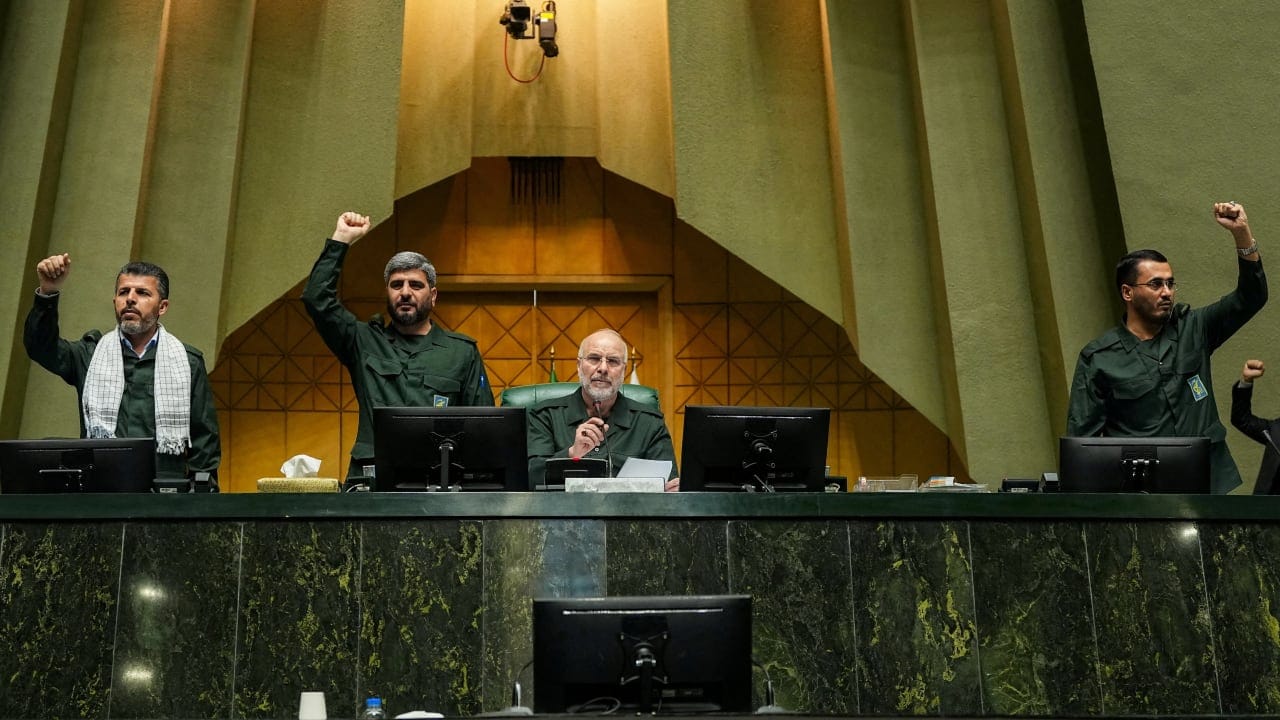
Iran parliament criminalises interviews with US and Israeli media
Photograph: Jerusalem Post (embedded from source)
What this story says
- Iran’s parliament passed a bill on 16 August 2026 that criminalises interviews or other contact with US or Israeli media, or outlets financed by either country.
- Violations carry prison sentences of six months to two years, with cases to be heard by Revolutionary Courts.
- The bill must still be reviewed by the Guardian Council before it can become law.
- Interviews with other foreign media will require notification to Iran’s intelligence ministry.
Who covered it
Percentages are shares of the 36 outlets carrying a published leaning rating. 32 of the 68 outlets we know ran this story carry no rating and are not counted in them. Coverage measured .
Trust
56/100
Craft
85/100
Hype
15/100
68 sources · methodology
Missing from the left
Only 8 of the 36 outlets with a published leaning rating that ran this story are rated left.
A reader who follows the left would not have seen this. We report the absence rather than explain it: outlets choose what to cover for many reasons, and we have no evidence about which one applies here.
Iran’s parliament approved a bill on 16 August 2026 that makes it a crime to give interviews or take part in discussions with media deemed hostile to the Islamic Republic. The legislation targets US and Israeli outlets, as well as any media financed by either country. Violations are punishable by six months to two years in prison.
The bill must still be reviewed by the Guardian Council, a body that vets legislation for compliance with Iran’s constitution and Islamic law. If approved, it will expand existing restrictions on contact with foreign entities. Interviews with other foreign media will require notification to the intelligence ministry. Contact with foreign embassies or organisations without written permission from the foreign ministry will also be punishable by fines and loss of social rights.
The legislation also increases penalties for economic crimes linked to foreigners, bans providing information to foreign entities without intelligence ministry approval, and restricts scientific cooperation with foreign institutions outside an approved list. Policy proposals made under the direction of foreign intelligence services that harm Iran’s security or independence could result in prison sentences of up to 30 years.
What the coverage left out
None of the right-rated digests mentioned that the bill must still be reviewed by the Guardian Council. The Deccan Herald was the only report to include the case of Yalda Moaiery and the bill’s provisions on economic crimes and scientific cooperation. None of the centre-rated digests mentioned the bill’s restrictions on policy proposals made under foreign direction or the role of Revolutionary Courts in hearing cases.
Coverage settled. We checked this 36 times and stopped on 22 Aug 2026, 02:31. The figures above are what it finished at.
How each side covered it
Our own reading of the reporting listed below, written from the outlets’ articles rather than quoted from them. The reasoning is set out on our methodology page.
Left
8 rated outlets
- The left-rated reports agree that Iran’s parliament approved a bill on 16 August 2026 to criminalise interviews with US and Israeli media, with prison terms of six months to two years for violations. All seven outlets carried the requirement for Guardian Council review before the bill becomes law.
- Six digests and the Deccan Herald report led on the prison sentence range. The Deccan Herald’s full article added that interviews with other foreign media would require notification to the intelligence ministry, and that economic crimes linked to foreigners would face harsher penalties. It also noted a 2025 law imposing tougher penalties for cooperation with hostile states.
- Only the Deccan Herald named the Revolutionary Courts as the venue for trials under the new law. It alone quoted the 15-year sentence handed to photojournalist Yalda Moaiery this month under the 2025 law, citing interviews with hostile media and providing photographs to US and Israel-linked organisations.
Centre
7 rated outlets
- The four centre-rated digests, Jerusalem Post, WTVB, Reuters and The Japan Times, all carried the core facts: the bill’s approval by parliament, the two-year prison sentence for violations, and the requirement for Guardian Council review. The Jerusalem Post and The Japan Times added that interviews with other foreign media would require notification to the intelligence ministry.
- None of the centre-rated digests mentioned the bill’s provisions on economic crimes, scientific cooperation, or the case of Yalda Moaiery. The Reuters digest, which was republished by WTVB, was the most widely cited among the digests.
Right
21 rated outlets
- The seven right-rated digests, India Today, regionalmedianews.com, The Straits Times, SRN News, WKZO, WTAQ and WSAU, all led on the prison sentence for contact with hostile media. India Today’s headline framed the bill as a direct ban: “Talk to hostile foreign media, go to jail: Iran to ban US, Israeli outlets contact.”
- The digests from regionalmedianews.com, SRN News, WKZO, WTAQ and WSAU were identical, repeating the Reuters digest verbatim. The Straits Times added a call to “read more” but did not include additional details. None of the right-rated digests mentioned the bill’s provisions on economic crimes, scientific cooperation, or the requirement for intelligence ministry notification for other foreign media.
Questions about this coverage
- How did the left and right cover Iran parliament criminalises interviews with US and Israeli media?
- Of the 36 outlets on this story carrying a published leaning rating, 22% are rated left, 20% are rated centre, 58% are rated right. Those percentages are shares of the rated outlets, not of every outlet that ran it, which was 68. The sections above set out what each side emphasised, in its own terms.
- Is Iran parliament criminalises interviews with US and Israeli media left or right?
- Neither side dominates it. Of the 36 rated outlets on this story, 22% are rated left, 20% are rated centre, 58% are rated right, and no side holds the 70% this site would want before calling a field one-sided. A story is not left or right in any case; the outlets that carried it are what carry ratings.
- Is the coverage of Iran parliament criminalises interviews with US and Israeli media biased?
- Iran parliament criminalises interviews with US and Israeli media is one event reported by 68 outlets, and this page does not rate the story as biased or unbiased. What it publishes is the spread: which outlets ran it, where named rating organisations place each of them on the spectrum, and what each side chose to lead with. A leaning rating describes an outlet's record over time, not this article, and the two should not be run together.
- Which side is not reporting Iran parliament criminalises interviews with US and Israeli media?
- When we first saw this story, outlets rated left had barely covered it. Coverage accretes for hours after an event, so that is where to look rather than a verdict — the split above is the current count, and it is the one to read.
- Which outlets covered Iran parliament criminalises interviews with US and Israeli media?
- 68 that we know of, every one of them listed further up this page with a link to its own report and to what we hold on the publisher. Nothing here is a summary of somebody else's summary: the outlets are named so the original reporting can be read.
- What does the new Iranian bill criminalise?
- The bill criminalises interviews or other communications with US or Israeli media, or outlets financed by either country. Violations are punishable by six months to two years in prison. It also requires notification to the intelligence ministry for interviews with other foreign media and restricts contact with foreign embassies without permission.
- Who must approve the bill before it becomes law?
- The bill must be reviewed by Iran’s Guardian Council, a body that ensures legislation complies with the constitution and Islamic law. The council has the power to approve, reject, or request amendments to the bill before it can become law.
- Which outlets reported on the case of Yalda Moaiery?
- The Deccan Herald was the only outlet to report on the case of Yalda Moaiery, an Iranian photojournalist sentenced to 15 years in prison under a 2025 law for alleged cooperation with hostile states, including giving interviews to US and Israel-linked media.
Read it at the source
69 outlets, grouped by the leaning a published rating gives them. Every headline links to the original; an underlined outlet name opens our profile of that publisher.
Left
8- Iran looks to ban 'hostile' media interviews (opens News & Record in a new tab)
News & Record — is News & Record biased? Our profile of this outlet
- Iran’s top negotiator declares victory in war against the US and Israel (opens Al Jazeera in a new tab)
Al Jazeera — is Al Jazeera biased? Our profile of this outlet
- Iran's Parliament Supports Bill on Criminalizing Contacts with Hostile Media (opens unn.ua in a new tab)
- Iran Moves To Criminalize Speaking To Western Press (opens Joe.My.God. in a new tab)
Joe.My.God. — is Joe.My.God. biased? Our profile of this outlet
- Iranian parliament advances bill to curb foreign influence (opens Middle East Eye in a new tab)
Middle East Eye — is Middle East Eye biased? Our profile of this outlet
- Iranian Parliament Approves Draft Ban on Media Contacts (opens der Standard AT in a new tab)
der Standard AT — is der Standard AT biased? Our profile of this outlet
- Iranian parliament votes to further criminalise interviews with 'hostile media' (opens Deccan Herald in a new tab)
Deccan Herald — is Deccan Herald biased? Our profile of this outlet
- Iranian parliament advances bill to curb foreign influence (opens Al-Monitor in a new tab)
Al-Monitor — is Al-Monitor biased? Our profile of this outlet
Centre
7- Iran advances bill to curb 'hostile' media interactions (opens PerthNow in a new tab)
- Bill - Iranian Parliament Wants to Ban Interviews with Media Classified as Hostile (opens Deutschlandfunk in a new tab)
Deutschlandfunk — is Deutschlandfunk biased? Our profile of this outlet
- Emerged victorious militarily, politically in war: Iranian Parliament Speaker Mohammad Ghalibaf (opens The Economic Times in a new tab)
The Economic Times — is The Economic Times biased? Our profile of this outlet
- Iranian parliament votes to further criminalize interviews with US, Israeli media outlets (opens Jerusalem Post in a new tab)
Jerusalem Post — is Jerusalem Post biased? Our profile of this outlet
- Iranian parliament votes to further criminalise interviews with ‘hostile media’ (opens WTVB in a new tab)
- Iranian parliament votes to further criminalise interviews with 'hostile media' (opens Reuters in a new tab)
- Iranian parliament votes to further criminalize interviews with ‘hostile media’ (opens The Japan Times in a new tab)
The Japan Times — is The Japan Times biased? Our profile of this outlet
Right
22- Iran looks to ban 'hostile' media interviews (opens Richmond Times-Dispatch in a new tab)
Richmond Times-Dispatch — is Richmond Times-Dispatch biased? Our profile of this outlet
- Iran advances law imposing prison terms for interviews with 'hostile' media (opens Arutz Sheva in a new tab)
Arutz Sheva — is Arutz Sheva biased? Our profile of this outlet
- Iranian Speaker claims war victory after Trump threatens to take control of Hormuz (opens Arutz Sheva in a new tab)
Arutz Sheva
- Iran advances bill to curb 'hostile' media interactions (opens The West Australian in a new tab)
The West Australian — is The West Australian biased? Our profile of this outlet
- Iran Targets US and Israeli Media Contacts, Threatening Prison for Interviews With ‘Hostile’ Outlets (opens The Media Line in a new tab)
The Media Line — is The Media Line biased? Our profile of this outlet
- American and Israeli Media in Viewfinder: Iran Prepares New Repressive Law (opens i24NEWS in a new tab)
- Iran Hardens Press Control: Up to Two Years in Prison for Talking to “Hosty” Media · Global Voices (opens La Razón in a new tab)
- Iranian Parliament Approves General Principles of Draft Law to Restrict Foreign Influence (opens Globo in a new tab)
Show 14 more
- Iranian Parliament Advances Bill to Curb Foreign Influence (opens Asharq AL-awsat in a new tab)
Asharq AL-awsat — is Asharq AL-awsat biased? Our profile of this outlet
- Emerged Victorious Militarily, Politically in War: Iranian Parliament Speaker Ghalibaf (opens Latestly in a new tab)
- Iran moves to criminalise interviews with US, Israeli media, with prison terms up to 30 years (opens Times of India in a new tab)
Times of India — is Times of India biased? Our profile of this outlet
- Emerged victorious militarily, politically in war: Iranian Parliament Speaker Ghalibaf - The Tribune (opens Tribune India in a new tab)
Tribune India — is Tribune India biased? Our profile of this outlet
- Emerged victorious militarily, politically in war: Iranian Parliament Speaker Ghalibaf (opens aninews.in in a new tab)
aninews.in — is aninews.in biased? Our profile of this outlet
- Iran won war both militarily and politicaly: Ghalibaf (opens Mehr News Agency in a new tab)
Mehr News Agency — is Mehr News Agency biased? Our profile of this outletOpinion
- Iran Claims, 'We Won the War Against America and Israel' (opens आज तक in a new tab)
आज तक
- Talk to hostile foreign media, go to jail: Iran to ban US, Israeli outlets contact (opens India Today in a new tab)
India Today — is India Today biased? Our profile of this outlet
- Iranian parliament votes to further criminalise interviews with ‘hostile media’ - Regional Media News (opens regionalmedianews.com in a new tab)
regionalmedianews.com — is regionalmedianews.com biased? Our profile of this outlet
- Iranian parliament votes to further criminalise interviews with 'hostile media' (opens The Straits Times in a new tab)
The Straits Times — is The Straits Times biased? Our profile of this outlet
- Iranian parliament votes to further criminalise interviews with 'hostile media' (opens SRN News in a new tab)
- Iranian parliament votes to further criminalise interviews with ‘hostile media’ (opens WSAU in a new tab)
- Iranian parliament votes to further criminalise interviews with ‘hostile media’ (opens WTAQ in a new tab)
- Iranian parliament votes to further criminalise interviews with ‘hostile media’ (opens WKZO in a new tab)
Not rated
32- Iran Predlaže Zatvorske Kazne Za One Koji Razgovaraju Sa Stranim Medijima (opens vijesti.me in a new tab)
vijesti.me — is vijesti.me biased? Our profile of this outlet
- Iran Regime Moves to Expand Repression Under the Pretext of “Countering Infiltration” (opens Iran News Update in a new tab)
Iran News Update — is Iran News Update biased? Our profile of this outlet
- Iran’s Chief Negotiator Proclaims that His Country Has Won the War because the U.S. Has Not Achieved Any Goal (opens diarioestrategia.cl in a new tab)
diarioestrategia.cl — is diarioestrategia.cl biased? Our profile of this outlet
- Ghalibaf: Iran Achieved Military and Political Victory (opens The Zambian Observer in a new tab)
The Zambian Observer — is The Zambian Observer biased? Our profile of this outlet
- Iran Claims “Glorious Victory” Over US and Israel as Trump Vows American Control of Hormuz (opens matzav.com in a new tab)
matzav.com — is matzav.com biased? Our profile of this outlet
- Iran Claims that It Won the War Against the United States and Israel and Calls for the Reopening of the Strait of Ormuz (opens Perfil in a new tab)
- "Espionage" Alert in Iran! Prison Sentences Await Those Who Speak to US and Israeli Media. (opens Halk TV in a new tab)
- Iran Declares Victory in the Conflict and Confronts the US and Israel (opens Info Arenales in a new tab)
Info Arenales — is Info Arenales biased? Our profile of this outlet
Show 24 more
- Iran Passes Bill to Imprison Those Who Give Interviews to American and Israeli Newspapers. (opens TUOI TRE ONLINE in a new tab)
TUOI TRE ONLINE — is TUOI TRE ONLINE biased? Our profile of this outlet
- Iran advances bill to curb ‘hostile’ media interactions (opens The Queenslander in a new tab)
The Queenslander — is The Queenslander biased? Our profile of this outlet
- Iran. Qalibaf: The Islamic Republic Emerged Victorious on Military and Political Fronts Before Aggressors - Latin American Summary (opens resumenlatinoamericano.org in a new tab)
resumenlatinoamericano.org — is resumenlatinoamericano.org biased? Our profile of this outlet
- Iran Approves Imprisonment for Sending Complaints to the Press (opens Gazeta Do Povo in a new tab)
Gazeta Do Povo — is Gazeta Do Povo biased? Our profile of this outlet
- Iran Plans Drastic Restrictions on Media Contacts (opens vienna.at in a new tab)
- In Iran, Sanctions Have Been Tightened for Communication with the Media, Which the Authorities Consider “Hostile”. We Are Talking About Publications From the USA and Israel (opens babel.ua in a new tab)
- Iran Uvodi Zatvorske Kazne Za Davanje Izjava "Stranim Neprijateljskim Medijima" (opens n1info.rs in a new tab)
- Iran Endorses the General Principles of a Bill Aimed at Reducing Foreign Influence (opens القدس العربي in a new tab)
القدس العربي
- Iranian Parliament Approves Draft Ban on Media Contacts (opens der Standard DE in a new tab)
der Standard DE — is der Standard DE biased? Our profile of this outlet
- Iranian parliament advances bill to curb foreign influence (opens The Frontier Post in a new tab)
The Frontier Post — is The Frontier Post biased? Our profile of this outlet
- Iran: Prohibition of Contact with Foreign Media Decided (opens ORF.at News in a new tab)
ORF.at News — is ORF.at News biased? Our profile of this outlet
- Iranian parliament approves bill to criminalise interviews with 'hostile media' - HUM News English (opens humenglish.com in a new tab)
humenglish.com — is humenglish.com biased? Our profile of this outlet
- Iran parliament approves bill restricting interviews with US and Israeli media (opens philenews.com in a new tab)
philenews.com — is philenews.com biased? Our profile of this outlet
- Iran's Parliament Passes a Bill Penalizing Talks with Israeli and US Media (opens Rzeczpospolita in a new tab)
Rzeczpospolita — is Rzeczpospolita biased? Our profile of this outlet
- Iran criminalizes interviews with US, Israeli media amid tensions (opens Crypto Briefing in a new tab)
Crypto Briefing — is Crypto Briefing biased? Our profile of this outlet
- Iran criminalizes interviews with US, Israeli media amid tensions (opens Cryptocurrency News in a new tab)
Cryptocurrency News — is Cryptocurrency News biased? Our profile of this outlet
- U.S. and Israel Failed in Each of Their Goals, Iran Says - Radio Habana Cuba (opens Radio Havana Cuba in a new tab)
Radio Havana Cuba — is Radio Havana Cuba biased? Our profile of this outlet
- Iran Tightens Laws on Communication with 'Hostile' Media, Threatens Prison (opens Aktuality.sk in a new tab)
Aktuality.sk — is Aktuality.sk biased? Our profile of this outlet
- Iranian Parliament Votes to Further Criminalise Interviews With ‘Hostile Media’ (opens KAYHAN LIFE in a new tab)
KAYHAN LIFE — is KAYHAN LIFE biased? Our profile of this outlet
- Ghalibaf: "Iran Has Truly Won the War, Both Militarily and politically." (opens Haberler in a new tab)
- Iranian parliament votes to further criminalise interviews with 'hostile media' (opens BizToc in a new tab)
- US-Israel-Iran War Live: Iran ‘Truly Won’ the War Both Militarily and Politically, Says Iranian Parliamentary Leader Mohammad Bagher Ghalibaf (opens The Sunday Guardian Live in a new tab)
The Sunday Guardian Live — is The Sunday Guardian Live biased? Our profile of this outlet
- Irán Sprísňuje Zákony, Rozhovory S „Nepriateľskými Médiami“ Môžu Znamenať až Dva Roky Väzenia (opens Hospodárske Noviny in a new tab)
Hospodárske Noviny — is Hospodárske Noviny biased? Our profile of this outlet
- Iranian parliament votes to further criminalise interviews with ‘hostile media’ (opens WIN 98.5 in a new tab)
How did this read?
About the coverage, not about the story. We do not ask whether you agree with what happened — we have no honest use for that answer.
More in Politics
All Politics →


Elsewhere on the site
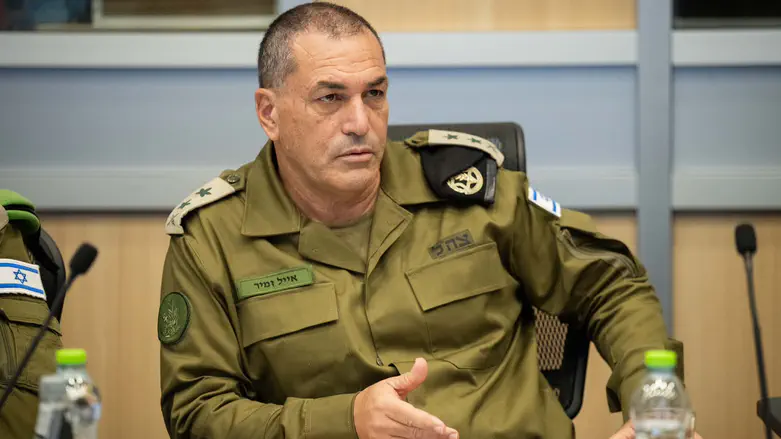 Conflict & Security•3 min readIDF Chief of Staff Eyal Zamir Cancels US Visit Amid Security Alert
 Business & Economy•4 min readMiddle East Oil Exports Near Pre-War Levels, Reports Show
 Conflict & Security•2 min readTrump unsure if Iran will surrender, says country doing 'very badly'
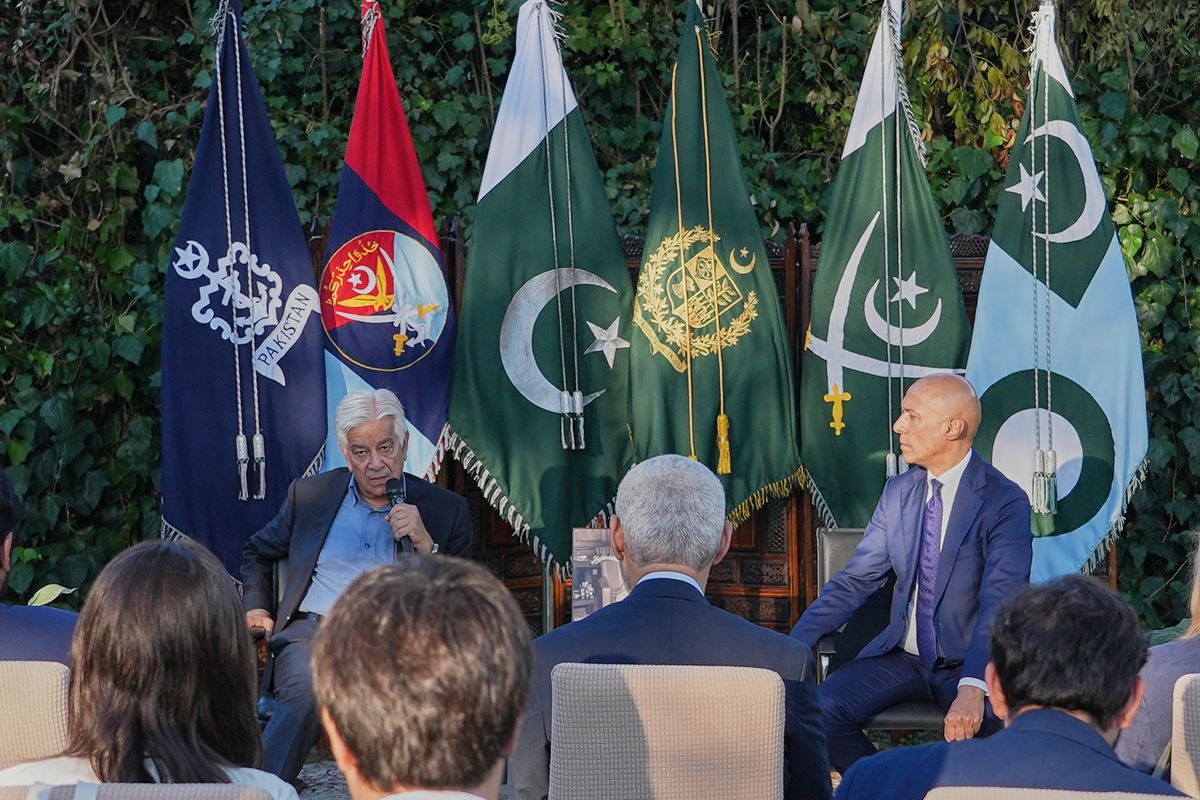 Conflict & Security•3 min readPakistan Pledges Military Support for Saudi Arabia Against Houthis