Petrobras finds oil off Brazil’s Amapá coast as Lula calls it a passport to the future
President Luiz Inácio Lula da Silva visited the drilling site after the state-owned company announced hydrocarbons in the Equatorial Margin
AI-assisted coverage comparison, editor-supervised · How this was made
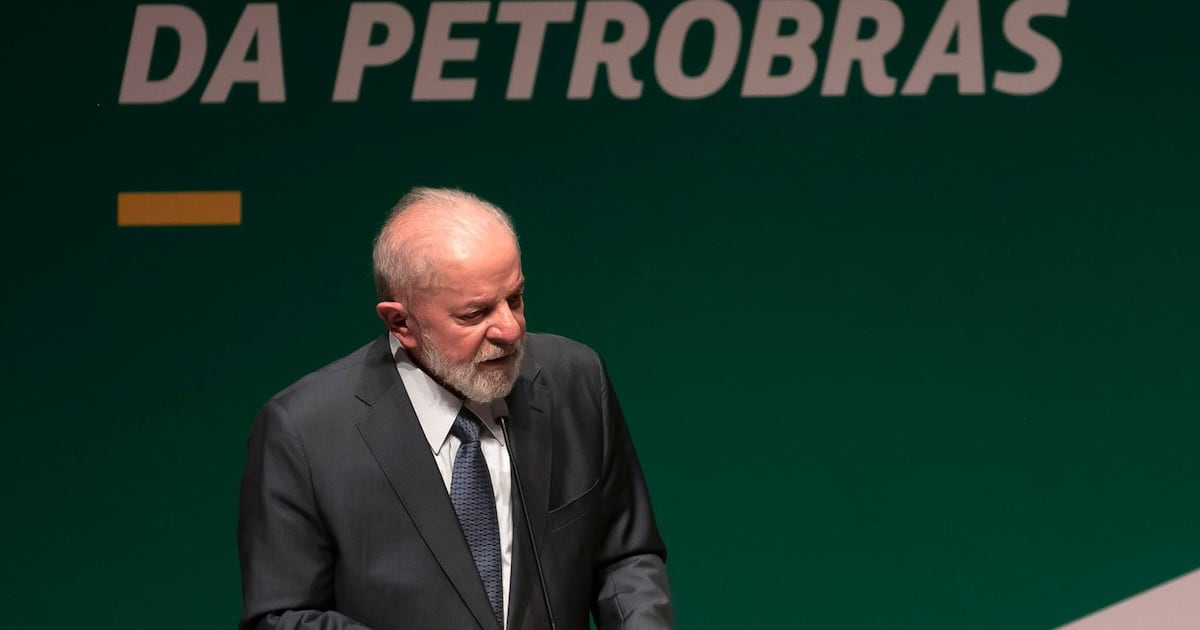
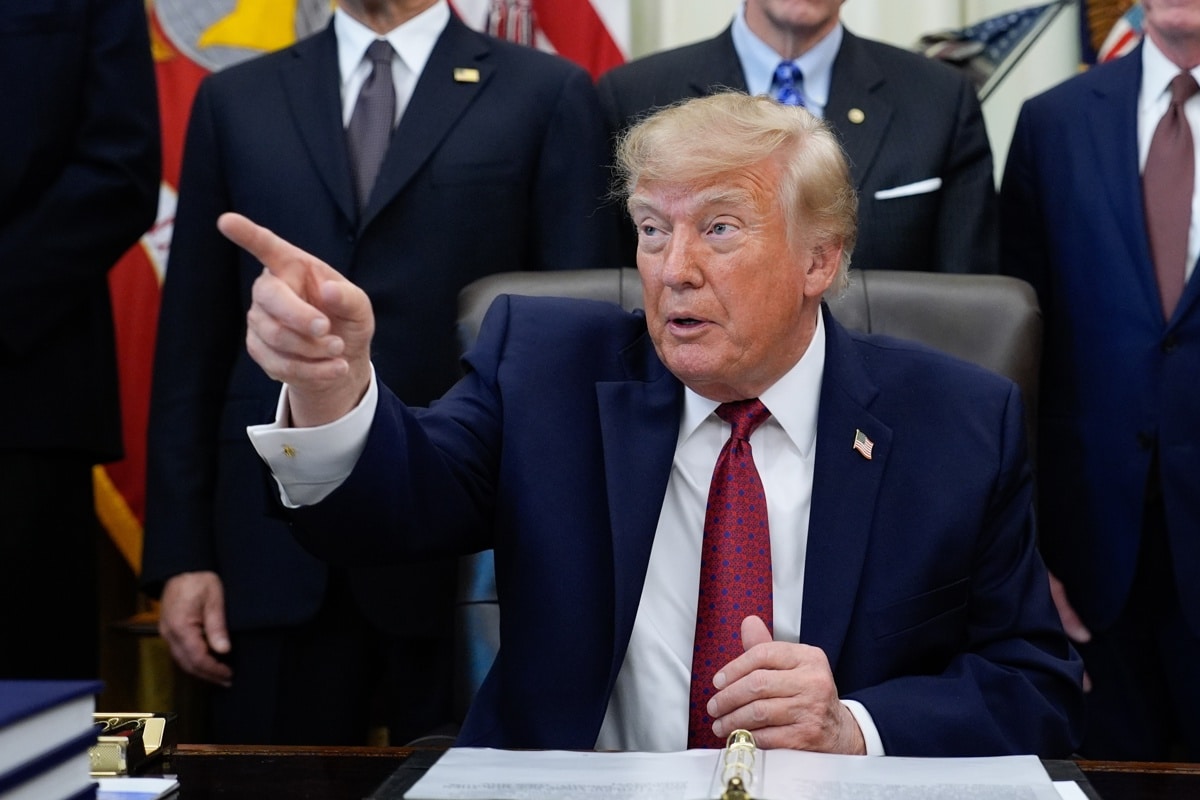
Brazil's President Luiz Inacio Lula da Silva speaks during the inauguration ceremony for the new president of the state-run oil company Petrobras, in Rio de Janeiro, Brazil, June 19, 2024. (AP Photo/Bruna Prado)
Photograph: CTV News (embedded from source)
What this story says
- Petrobras announced hydrocarbons during exploratory drilling off Amapá state, part of the Equatorial Margin, which may hold up to 10 billion barrels of oil valued at 3.8 trillion reais (US$720 billion).
- President Luiz Inácio Lula da Silva visited the drilling site and called the discovery a "passport to Brazil’s future", linking it to economic development and his re-election campaign.
- Environmental and Indigenous groups sued the Brazilian government and Petrobras, citing inadequate consultation and spill risks, while Petrobras maintained it has never caused spills in its operations.
- No right-rated outlet among the 13 reports below carried the story, though it was widely covered by left and centre-rated outlets.
Who covered it
Percentages are shares of the 23 outlets carrying a published leaning rating. 6 of the 29 outlets we know ran this story carry no rating and are not counted in them. Coverage measured .
Trust
76/100
Craft
95/100
Hype
15/100
29 sources · methodology
Missing from the right
Only 6 of the 23 outlets with a published leaning rating that ran this story are rated right.
A reader who follows the right would not have seen this. We report the absence rather than explain it: outlets choose what to cover for many reasons, and we have no evidence about which one applies here.
Petrobras, Brazil’s majority state-owned oil company, announced on 16 August 2026 that it had detected hydrocarbons during exploratory drilling about 180 kilometres off the coast of Amapá state. The drilling began in October 2025 in the Equatorial Margin, a coastal region near the mouth of the Amazon River. Preliminary estimates suggest the area could contain up to 10 billion barrels of oil, valued at approximately 3.8 trillion reais (US$720 billion).
President Luiz Inácio Lula da Silva visited a Petrobras offshore drilling vessel on 17 August and described the discovery as a "passport to the country’s future". Speaking in Oiapoque, Amapá, Lula held up a bottle of crude oil and said he would keep it in a safe. He framed the find as both an economic opportunity for Brazil and a means to fund the country’s transition to renewable energy. Lula, who is running for a fourth term in the October 2026 election, also linked the discovery to regional development, saying Amapá should not remain merely an exporter of açaí and tucunaré.
Environmental and Indigenous groups filed lawsuits against the Brazilian government and Petrobras to halt the exploration. The groups argued that the licensing process failed to properly consult traditional communities, underestimated spill risks, and did not adequately assess climate impacts. Petrobras responded that it has never caused spills in its drilling operations. The company’s president, Magda Chambriard, said further research is needed to determine the commercial viability of the find, a process that could take up to a decade.
What the coverage left out
None of the 13 reports below mentioned the potential geopolitical implications raised in Metrópoles, an unrated outlet, which reported that Lula said the Equatorial Margin oil could be an option if former US President Donald Trump closed the Strait of Hormuz. No right-rated outlet carried the story at all.
The digests from the centre-rated outlets did not mention the environmental and Indigenous groups’ lawsuits, though the full report from CTV News did. The left-rated digests all carried the fact of the lawsuits but did not include the groups’ specific claims about climate impacts, which were reported only in the full Associated Press article.
Coverage settled. We checked this 10 times and stopped on 23 Aug 2026, 10:00. The figures above are what it finished at.
How other outlets pictured it
Which photograph to run is each newsroom’s own choice. The leaning beside a name is that outlet’s published rating, not a claim that the pictures divide along it. Every picture is shown from the outlet’s own server and links to the article it ran in.
Brazil's President Luiz Inacio Lula da Silva speaks during the inauguration ceremony for the new president of the state-run oil company Petrobras, in Rio de Janeiro, Brazil, June 19, 2024. (AP Photo/Bruna Prado, File)
Associated Press News — embedded from source
How each side covered it
Our own reading of the reporting listed below, written from the outlets’ articles rather than quoted from them. The reasoning is set out on our methodology page.
Left
8 rated outlets
- The five left-rated reports led on President Lula’s framing of the discovery as a "passport to Brazil’s future". The Associated Press and CTV News, whose full reports were printed below, both quoted Lula’s statement in full and included his remarks about keeping the crude oil in a safe. The Associated Press also carried Lula’s comment that the oil was of "high quality", a detail the centre-rated reports did not include.
- The left-rated reports gave prominence to the environmental and Indigenous groups’ lawsuits. The Associated Press and CTV News both reported the groups’ arguments that the licensing process failed to consult traditional communities and underestimated spill risks. The Associated Press also included the groups’ claim that climate impacts were not adequately assessed. The digests from The Toronto Star, The Record, The Independent, and Oskaloosa Herald all carried the fact of the lawsuits, though none added further detail.
- The left-rated reports also emphasised Lula’s dual stance on fossil fuels and renewable energy. The Associated Press and CTV News both quoted Lula’s statement that Brazil would remain a leader in biofuels and renewable energy while pursuing oil drilling. The Associated Press included his remark that Brazil had backed the need to transition away from fossil fuels at the UN climate summit it hosted in 2025.
Centre
9 rated outlets
- The centre-rated outlets led on President Luiz Inácio Lula da Silva’s statement that the oil discovery off Amapá coast is a “passport to the country’s future”. All nine digests carried his visit to the Petrobras drilling vessel and the timing of the find, announced the previous week. The location, 180 kilometres off Amapá state near the Amazon River mouth, was included in seven digests.
- Eight digests named Petrobras as the operator and noted its majority state ownership. The CTV News report added that the area, known as the Equatorial Margin, may hold up to 10 billion barrels of oil, worth an estimated US$720 billion. It also quoted Petrobras president Magda Chambriard confirming the discovery and the need for further research to assess commercial viability.
- Environmental opposition was mentioned only in the CTV News report. It stated that Indigenous and environmental groups have sued to halt exploration, citing inadequate consultation, spill risks, and climate impact assessments. The report also included Lula’s defence of fossil fuels as a transitional resource while Brazil expands biofuels and renewables.
Right
6 rated outlets
- The right-rated digests agree that Petrobras found oil off Amapá, Brazil, and that President Lula called the discovery a "passport to the country’s future". All five mention his visit to a Petrobras drilling vessel or platform after the announcement.
- Three of the five digests note environmental or indigenous criticism of the project. La Nación and Globo specify opposition from indigenous and environmental groups. None of the digests include the depth of the well or its distance from the coast.
- Globo’s digest alone provides the well’s name (Morpho), its depth (2,800 metres), and its distance from shore (175 kilometres). The other four digests do not carry these details.
Questions about this coverage
- How did the left and right cover Petrobras finds oil off Brazil’s Amapá coast as Lula calls it a…?
- Of the 23 outlets on this story carrying a published leaning rating, 35% are rated left, 39% are rated centre, 26% are rated right. Those percentages are shares of the rated outlets, not of every outlet that ran it, which was 29. The sections above set out what each side emphasised, in its own terms.
- Is Petrobras finds oil off Brazil’s Amapá coast as Lula calls it a… left or right?
- Neither side dominates it. Of the 23 rated outlets on this story, 35% are rated left, 39% are rated centre, 26% are rated right, and no side holds the 70% this site would want before calling a field one-sided. A story is not left or right in any case; the outlets that carried it are what carry ratings.
- Is the coverage of Petrobras finds oil off Brazil’s Amapá coast as Lula calls it a… biased?
- Petrobras finds oil off Brazil’s Amapá coast as Lula calls it a passport to the future is one event reported by 29 outlets, and this page does not rate the story as biased or unbiased. What it publishes is the spread: which outlets ran it, where named rating organisations place each of them on the spectrum, and what each side chose to lead with. A leaning rating describes an outlet's record over time, not this article, and the two should not be run together.
- Which side is not reporting Petrobras finds oil off Brazil’s Amapá coast as Lula calls it a…?
- When we first saw this story, outlets rated right had barely covered it. Coverage accretes for hours after an event, so that is where to look rather than a verdict — the split above is the current count, and it is the one to read.
- Which outlets covered Petrobras finds oil off Brazil’s Amapá coast as Lula calls it a…?
- 29 that we know of, every one of them listed further up this page with a link to its own report and to what we hold on the publisher. Nothing here is a summary of somebody else's summary: the outlets are named so the original reporting can be read.
- How much oil did Petrobras find off Brazil’s Amapá coast?
- Petrobras detected hydrocarbons during exploratory drilling, with preliminary estimates suggesting the Equatorial Margin could contain up to 10 billion barrels of oil, valued at about 3.8 trillion reais (US$720 billion). Further research is needed to confirm commercial viability.
- Why are environmental groups suing over the oil discovery?
- Environmental and Indigenous groups sued the Brazilian government and Petrobras, arguing the licensing process failed to consult traditional communities, underestimated spill risks, and did not adequately assess climate impacts. Petrobras maintains it has never caused spills in its operations.
- What did President Lula say about the oil discovery?
- President Lula called the discovery a "passport to Brazil’s future" and linked it to economic development and his re-election campaign. He also said the oil could fund Brazil’s transition to renewable energy while maintaining the country’s leadership in biofuels.
- Which outlets covered the story and which did not?
- The story was covered by five left-rated outlets and three centre-rated outlets among the 13 reports below. No right-rated outlet carried the story, and none of the reports mentioned the geopolitical implications raised by an unrated outlet.
Read it at the source
34 outlets, grouped by the leaning a published rating gives them. Every headline links to the original; an underlined outlet name opens our profile of that publisher.
Left
8- Lula calls oil near the Amazon River a passport to Brazil's future after Petrobras strikes new find (opens The Tribune-Democrat in a new tab)
The Tribune-Democrat — is The Tribune-Democrat biased? Our profile of this outlet
- Lula on the Oil Discovered in Front of the Amazon: “This Means National Sovereignty” (opens El Pais in a new tab)
- Lula calls oil near the Amazon River a passport to Brazil's future after Petrobras strikes new find (opens The Record in a new tab)
The Record — is The Record biased? Our profile of this outlet
- Lula calls oil near the Amazon River a passport to Brazil’s future after Petrobras strikes new find (opens The Toronto Star in a new tab)
The Toronto Star — is The Toronto Star biased? Our profile of this outlet
- Lula calls oil near the Amazon River a passport to Brazil’s future after Petrobras strikes new find (opens The Seattle Times in a new tab)
The Seattle Times — is The Seattle Times biased? Our profile of this outlet
- Lula calls oil near the Amazon River a passport to Brazil's future after Petrobras strikes new find (opens Oskaloosa Herald in a new tab)
Oskaloosa Herald — is Oskaloosa Herald biased? Our profile of this outlet
- Lula calls oil near the Amazon River a passport to Brazil's future after Petrobras strikes new find (opens Associated Press News in a new tab)
Associated Press News — is Associated Press News biased? Our profile of this outlet
- Lula calls oil near the Amazon River a passport to Brazil's future after Petrobras strikes new find (opens The Independent in a new tab)
The Independent — is The Independent biased? Our profile of this outlet
Centre
9- Lula calls oil near the Amazon River a passport to Brazil's futur (opens WBAL in a new tab)
- Lula calls oil near the Amazon River a passport to Brazil’s future after Petrobras strikes new find (opens My Mother Lode in a new tab)
My Mother Lode — is My Mother Lode biased? Our profile of this outlet
- Lula calls oil near the Amazon River a passport to Brazil's future after Petrobras strikes new find (opens CTV News in a new tab)
- Lula calls oil near the Amazon River a passport to Brazil's future after Petrobras strikes new find (opens Winnipeg Free Press in a new tab)
Winnipeg Free Press — is Winnipeg Free Press biased? Our profile of this outlet
- Lula calls oil near the Amazon River a passport to Brazil's future after Petrobras strikes new find (opens Newsday in a new tab)
- Lula calls oil near the Amazon River a passport to Brazil’s future after Petrobras strikes new find (opens Washington Top News in a new tab)
Washington Top News — is Washington Top News biased? Our profile of this outlet
- Lula calls oil near the Amazon River a passport to Brazil's future after Petrobras strikes new find (opens GazetteXtra in a new tab)
GazetteXtra — is GazetteXtra biased? Our profile of this outlet
- Lula calls oil near the Amazon River a passport to Brazil's future after Petrobras strikes new find (opens Ottumwa Courier in a new tab)
Ottumwa Courier — is Ottumwa Courier biased? Our profile of this outlet
Right
6- Brazil Has Discovered Oil Off the Coast of the Amazon River Delta, Suggesting It's a Passport to the Country's Future. (opens thairath.co.th in a new tab)
thairath.co.th — is thairath.co.th biased? Our profile of this outlet
- The Amazon Foz and the Future of Oil Exploration in Brazil - The Topic #1786 (opens Globo in a new tab)
- Lula Celebrates a Finding of Oil in the Amazon and Unleashes a Wave of Criticism by Indigenous and Environmentalists (opens la Nacion in a new tab)
- Brazil’s Lula hails new oil find as ‘passport to the future’ (opens Free Malaysia Today News in a new tab)
Free Malaysia Today News — is Free Malaysia Today News biased? Our profile of this outlet
- Lula calls oil near the Amazon River a passport to Brazil's future after Petrobras strikes new find (opens The Batesville Daily Guard in a new tab)
The Batesville Daily Guard — is The Batesville Daily Guard biased? Our profile of this outlet
- Lula calls oil near the Amazon River a passport to Brazil’s future after Petrobras strikes new find (opens Washington Times in a new tab)
Washington Times — is Washington Times biased? Our profile of this outlet
Not rated
11- Lula Bets on Amazon Oil Against the Rejection of Indigenous and Environmentalist Communities (opens MisionesOnline in a new tab)
MisionesOnline — is MisionesOnline biased? Our profile of this outlet
- Amapá Celebrates Discovery of Chic Oil, Light Oil that Lula Equates to Pre-Salt (opens Portal Mix Vale in a new tab)
Portal Mix Vale — is Portal Mix Vale biased? Our profile of this outlet
- The Discovery of Oil in the Far North of Brazil Drives Lula’s Campaign to Re-Election (opens la diaria in a new tab)
- Brazil: Lula Celebrates Oil Discovery in the Amazon Estuary (opens ORF.at News in a new tab)
ORF.at News — is ORF.at News biased? Our profile of this outlet
- Lula Defends Oil Exploration in Amazon Basin to Finance Energy Transition in Brazil (opens Metadata in a new tab)
- It Has Oil, but We Don't Know How Much, Says Petrobras President on Equatorial Margin (opens Gazeta Do Povo in a new tab)
Gazeta Do Povo — is Gazeta Do Povo biased? Our profile of this outlet
- Discovered Oil in Amazonas Is Brazil's "Passport of the Future" (opens Noticias ao Minuto in a new tab)
Noticias ao Minuto — is Noticias ao Minuto biased? Our profile of this outlet
- “Passport to the Future,” Says Lula About Oil Discovered Near the Amazon (opens elfinancierocr.com in a new tab)
elfinancierocr.com — is elfinancierocr.com biased? Our profile of this outlet
Show 3 more
- Lula Defends Oil Exploration in Amazon Basin to Finance Energy Transition in Brazil (opens Noticias Argentinas in a new tab)
Noticias Argentinas — is Noticias Argentinas biased? Our profile of this outlet
- Petrobras reports oil discovery at mouth of Amazon river (opens EBC in a new tab)
- Lula: Equatorial Margin Oil Can Be Option if Trump Closes Ormuz (opens Metrópoles in a new tab)
Metrópoles — is Metrópoles biased? Our profile of this outlet
How did this read?
About the coverage, not about the story. We do not ask whether you agree with what happened — we have no honest use for that answer.