Sea levels to rise on West Coast; voters dissatisfied with parties
Kelvin waves will bring up to a foot of sea level rise, while polls show voter frustration with both parties.
AI-assisted coverage comparison, editor-supervised · How this was made
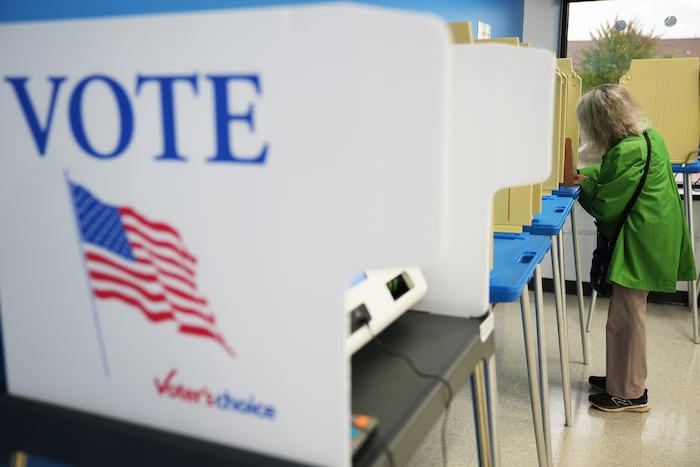
Sea levels to rise on West Coast; voters dissatisfied with parties
Photograph: WPLG (embedded from source)
What this story says
- Sea levels on the West Coast will rise by up to one foot this month due to Kelvin waves.
- Kelvin waves are bulges of water moving at about 6 miles per hour, lifting sea levels.
- An AP-NORC poll shows voters favor Democrats on key issues but lack confidence in either party's ability to solve major problems.
- The poll also indicates significant dissatisfaction with President Donald Trump and the Republican Party ahead of the November 3 election.
Who covered it
Percentages are shares of the 20 outlets carrying a published leaning rating. Coverage measured .
Trust
86/100
Craft
100/100
Hype
65/100
20 sources · methodology
Thin on the right so far
Only 1 of the 20 outlets with a published leaning rating that ran this story are rated right.
This story is still being watched, so it is a count and not yet a finding. Coverage keeps arriving for hours after an event, and a side that has published nothing this morning may publish by tonight. If it is still true when we stop checking, we will say so plainly.
Sea levels along the West Coast are predicted to increase by as much as one foot this month. This rise is attributed to Kelvin waves, which are described as bulges of water that move along the coast at approximately 6 miles per hour. These waves are expected to bring higher sea levels to California, Oregon, and Washington state. Experts anticipate these waves will continue from October until February. Kelvin waves are distinct from tsunamis and are not expected to cause flooding on their own, but rather a sloshing effect of elevated water levels.
An AP-NORC poll indicates that voters favour Democrats on several key issues. However, the poll also reveals a widespread lack of confidence in either political party's capacity to address major national problems. Voters expressed deep dissatisfaction with President Donald Trump and the Republican Party in the lead-up to the November 3 election. The Democratic Party holds an advantage on issues related to the cost of living, according to the poll.
Coverage comparison
Omissions in coverage
None of the right-rated digests mention the impending sea level rise due to Kelvin waves along the West Coast. The left-rated digests did not include specific details about the Kelvin waves, such as their speed or duration, focusing instead on the poll results.
Still developing. We have re-checked which outlets are covering this 4 times, most recently on 3 Oct 2026, 14:00, and will add the sides that appear.
How each side covered it
Our own reading of the reporting listed below, written from the outlets’ articles rather than quoted from them. The reasoning is set out on our methodology page.
Left
8 rated outlets
- Seven left-rated reports focused on the AP-NORC poll findings. These reports highlighted voter dissatisfaction with both major political parties and President Donald Trump, noting that Democrats hold an advantage on cost-of-living issues. The digests from The Toronto Star, Rocky Mountain Outlook, Orillia Matters, Thorold Today, Sudbury, Timmins Today, and thealbertan.com all led with the poll's findings about voter sentiment and party advantages.
Centre
11 rated outlets
- Twelve centre-rated reports led with the findings of the AP-NORC poll. These reports stated that voters favour Democrats on key issues but lack faith in either party to solve major problems. They also noted voter dissatisfaction with President Donald Trump and the Republican Party. The digests from Washington Top News and WBAL also included details about the impending sea level rise due to Kelvin waves along the West Coast.
Right
1 rated outlet
- The single right-rated report focused on the AP-NORC poll. Its digest stated that voters favour Democrats on key issues but lack faith in either party to solve problems. It also included a quote from Aaron Siever, a 41-year-old from southwest Virginia, expressing frustration with the two political parties.
Questions about this coverage
- How did the left and right cover Sea levels to rise on West Coast; voters dissatisfied with parties?
- Of the 20 outlets on this story carrying a published leaning rating, 40% are rated left, 55% are rated centre, 5% are rated right. Those percentages are shares of the rated outlets, not of every outlet that ran it. The sections above set out what each side emphasised, in its own terms.
- Is Sea levels to rise on West Coast; voters dissatisfied with parties left or right?
- Neither side dominates it. Of the 20 rated outlets on this story, 40% are rated left, 55% are rated centre, 5% are rated right, and no side holds the 70% this site would want before calling a field one-sided. A story is not left or right in any case; the outlets that carried it are what carry ratings.
- Is the coverage of Sea levels to rise on West Coast; voters dissatisfied with parties biased?
- Sea levels to rise on West Coast; voters dissatisfied with parties is one event reported by 20 outlets, and this page does not rate the story as biased or unbiased. What it publishes is the spread: which outlets ran it, where named rating organisations place each of them on the spectrum, and what each side chose to lead with. A leaning rating describes an outlet's record over time, not this article, and the two should not be run together.
- Which side is not reporting Sea levels to rise on West Coast; voters dissatisfied with parties?
- When we first saw this story, outlets rated right had barely covered it. Coverage accretes for hours after an event, so that is where to look rather than a verdict — the split above is the current count, and it is the one to read.
- Which outlets covered Sea levels to rise on West Coast; voters dissatisfied with parties?
- 20 that we know of, every one of them listed further up this page with a link to its own report and to what we hold on the publisher. Nothing here is a summary of somebody else's summary: the outlets are named so the original reporting can be read.
- What are Kelvin waves and how will they affect the West Coast?
- Kelvin waves are bulges of water that lift sea levels as they move along the coast at about 6 miles per hour. Along the West Coast, they are expected to cause sea levels to rise by up to a foot this month, with continued passage from October until February.
- What did the AP-NORC poll find about voter sentiment?
- The AP-NORC poll found that voters favour Democrats on key issues, particularly the cost of living. However, a significant majority of voters also expressed deep dissatisfaction with both the Democratic and Republican parties, and with President Donald Trump, and lack confidence in either party's ability to solve major problems.
- Which political party has an advantage on cost-of-living issues?
- According to the AP-NORC poll, the Democratic Party has an advantage on the cost-of-living issue. This indicates that voters perceive Democrats as being better positioned to address concerns related to the economy and personal finances.
Read it at the source
20 outlets, grouped by the leaning a published rating gives them. Every headline links to the original; an underlined outlet name opens our profile of that publisher.
Left
8- Voters favor Democrats on key issues but lack faith in either party to solve problems: AP-NORC poll (opens thealbertan.com in a new tab)
thealbertan.com — is thealbertan.com biased? Our profile of this outlet
- Voters favor Democrats on key issues but lack faith in either party to solve problems: AP-NORC poll (opens Timmins Today in a new tab)
Timmins Today — is Timmins Today biased? Our profile of this outlet
- Voters favor Democrats on key issues but lack faith in either party to solve problems: AP-NORC poll (opens Sudbury in a new tab)
- Voters favor Democrats on key issues but lack faith in either party to solve problems: AP-NORC poll (opens Thorold Today in a new tab)
Thorold Today — is Thorold Today biased? Our profile of this outlet
- Voters favor Democrats on key issues but lack faith in either party to solve problems: AP-NORC poll (opens Orillia Matters in a new tab)
Orillia Matters — is Orillia Matters biased? Our profile of this outlet
- Voters favor Democrats on key issues but lack faith in either party to solve problems: AP-NORC poll (opens Rocky Mountain Outlook in a new tab)
Rocky Mountain Outlook — is Rocky Mountain Outlook biased? Our profile of this outlet
- Voters favor Democrats on key issues but lack faith in either party to solve problems: AP-NORC poll (opens The Toronto Star in a new tab)
The Toronto Star — is The Toronto Star biased? Our profile of this outlet
- Voters favor Democrats on key issues but lack faith in either party to solve problems: AP-NORC poll (opens The Record in a new tab)
The Record — is The Record biased? Our profile of this outlet
Centre
11- Democrats have advantage on cost of living, AP-NORC poll shows, but few voters think either party can solve big problems – WTOP News (opens Washington Top News in a new tab)
Washington Top News — is Washington Top News biased? Our profile of this outlet
- Voters favor Democrats on key issues but lack faith in either party to solve problems: AP-NORC poll (opens Ckpg Today in a new tab)
Ckpg Today — is Ckpg Today biased? Our profile of this outlet
- Voters favor Democrats on key issues but lack faith in either party to solve problems: AP-NORC poll (opens meadowlakeNOW in a new tab)
meadowlakeNOW — is meadowlakeNOW biased? Our profile of this outlet
- Voters favor Democrats on key issues but lack faith in either party to solve problems: AP-NORC poll (opens Battlefords NOW in a new tab)
Battlefords NOW — is Battlefords NOW biased? Our profile of this outlet
- Democrats have advantage on cost of living, AP-NORC poll shows, but fe (opens WBAL in a new tab)
- Voters favor Democrats on key issues but lack faith in either party to solve problems: AP-NORC poll (opens union-bulletin.com in a new tab)
union-bulletin.com — is union-bulletin.com biased? Our profile of this outlet
- Voters favor Democrats on key issues but lack faith in either party to solve problems: AP-NORC poll (opens KPRC-TV in a new tab)
- Voters favor Democrats on key issues but lack faith in either party to solve problems: AP-NORC poll (opens WKMG in a new tab)
Show 3 more
- Voters favor Democrats on key issues but lack faith in either party to solve problems: AP-NORC poll (opens WPLG in a new tab)
- Democrats have advantage on cost of living, AP-NORC poll shows, but few voters think either party can solve big problems (opens Santa Maria Times in a new tab)
Santa Maria Times — is Santa Maria Times biased? Our profile of this outlet
- Voters favor Democrats on key issues but lack faith in either party to solve problems: AP-NORC poll (opens Winnipeg Free Press in a new tab)
Winnipeg Free Press — is Winnipeg Free Press biased? Our profile of this outlet
Right
1Not rated
0No outlet in this group ran the story.
How did this read?
About the coverage, not about the story. We do not ask whether you agree with what happened — we have no honest use for that answer.