Supreme Court rejects Trump administration's mail ballot rules
Justices leave in place a lower court order blocking new Postal Service regulations.
AI-assisted coverage comparison, editor-supervised · How this was made
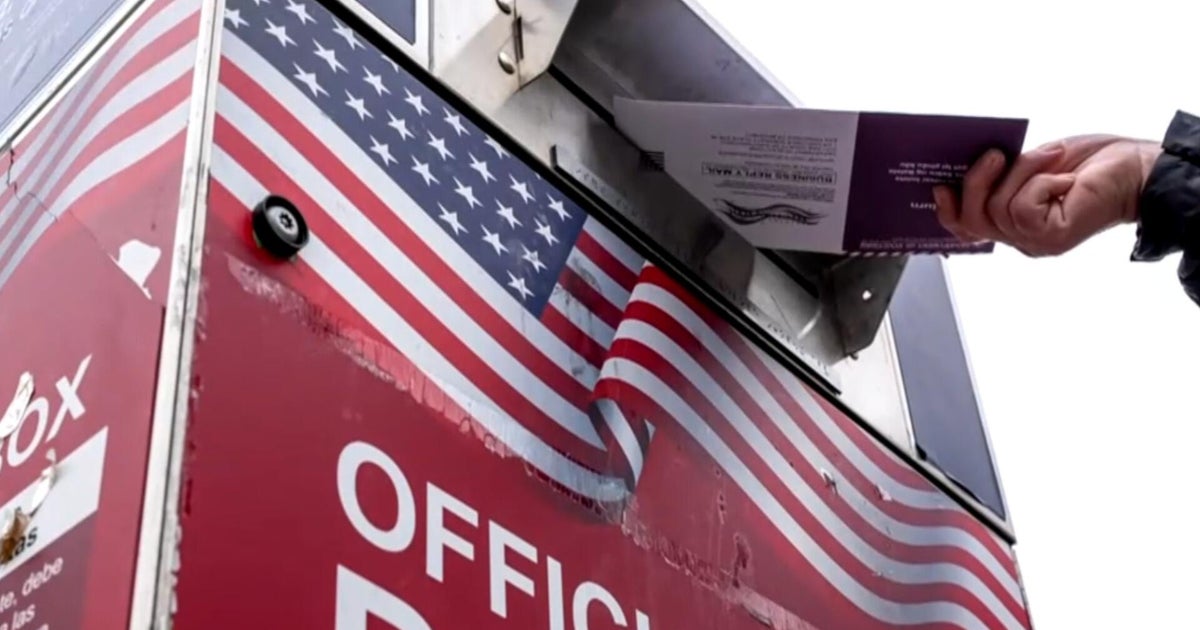
Supreme Court rejects Trump administration's mail ballot rules
Photograph: CBS News (embedded from source)
What this story says
- The Supreme Court has rejected the Trump administration's attempt to implement new U.S. Postal Service regulations for mail-in ballots.
- The court's decision upholds a lower court's injunction, preventing the Postal Service from enforcing the new rules for the upcoming 2026 midterm elections.
- Justices Samuel Alito and Clarence Thomas dissented from the majority decision.
- The proposed regulations would have required unique barcodes on mail ballot envelopes and mandated election officials submit voter information via an online portal.
Who covered it
Percentages are shares of the 5 outlets carrying a published leaning rating. Coverage measured .
Trust
86/100
Craft
95/100
Hype
15/100
5 sources · methodology
The Supreme Court has rejected the Trump administration's request to enforce new U.S. Postal Service mail ballot regulations ahead of the 2026 midterm elections. The Court's order leaves in place a lower-court injunction that blocks the Postal Service from implementing the new mail-voting rules. Justices Samuel Alito and Clarence Thomas dissented from the Supreme Court's decision. The proposed Postal Service rules would have required mail ballot envelopes to contain unique barcodes and would have obligated election officials to submit voter information through an online portal. Solicitor General D. John Sauer argued the rules were needed to combat a “particularly pernicious species of fraud,” but the administration provided no evidence of widespread voter fraud.
Disagreement on the ruling
The Supreme Court issued an unsigned order stating the government was unlikely to succeed on the merits of its challenge to the District Court's preliminary injunction. Justice Brett Kavanaugh, in a concurring opinion, wrote that while the final rule might fall within the Postal Service's statutory authority, applying it for the November midterms would be arbitrary and capricious due to insufficient time for election officials to implement it. The dissenting justices, Alito and Thomas, argued that the states suing over the rules were unlikely to demonstrate the policy's unlawfulness.
What the coverage left out
None of the left-rated or centre-rated reports mention the specific details of the whistleblower's disclosure to Congress warning of "potentially catastrophic problems" with the Postal Service's portal and systems, as detailed in the full report from CBS News.
Still developing. We have re-checked which outlets are covering this 1 time, most recently on 15 Sept 2026, 00:15, and will add the sides that appear.
How each side covered it
Our own reading of the reporting listed below, written from the outlets’ articles rather than quoted from them. The reasoning is set out on our methodology page.
Left
4 rated outlets
- Left-rated reports highlighted the Supreme Court's rejection of the Trump administration's bid to restrict mail ballots ahead of the midterms. These reports stated that the decision means a Postal Service measure that could lead to ballots not being sent to voters will not be in effect for the November elections. The digests noted the Supreme Court rejected the administration's request to allow mail-in voting restrictions under a U.S. Postal Service plan for the midterm general election.
Centre
1 rated outlet
- The centre-rated report led with the Supreme Court blocking new Postal Service rules for mail ballots, describing it as a blow to the Trump administration. It stated the court's decision keeps implementation of the Postal Service's requirements on hold while a legal challenge moves forward. The report noted that election officials had warned it would be difficult to make changes to comply with the new policies in time for the upcoming elections. It also mentioned the administration's argument that the rules were needed to address the risk of fraud, while noting the lack of evidence of widespread voter fraud.
Right
0 rated outlets
No outlet rated right has run this story so far. We are still checking, and will say plainly if that does not change.
Questions about this coverage
- How did the left and right cover Supreme Court rejects Trump administration's mail ballot rules?
- Of the 5 outlets on this story carrying a published leaning rating, 80% are rated left, 20% are rated centre, 0% are rated right. Those percentages are shares of the rated outlets, not of every outlet that ran it. The sections above set out what each side emphasised, in its own terms.
- Is Supreme Court rejects Trump administration's mail ballot rules left or right?
- Too few of the outlets on this story carry a published leaning rating to say. 5 of them do, and this site does not characterise a field under 12: at that size one newsroom filing moves the share by ten points. The percentages above are the count as it stands.
- Is the coverage of Supreme Court rejects Trump administration's mail ballot rules biased?
- Supreme Court rejects Trump administration's mail ballot rules is one event reported by 5 outlets, and this page does not rate the story as biased or unbiased. What it publishes is the spread: which outlets ran it, where named rating organisations place each of them on the spectrum, and what each side chose to lead with. A leaning rating describes an outlet's record over time, not this article, and the two should not be run together.
- Which outlets covered Supreme Court rejects Trump administration's mail ballot rules?
- 5 that we know of, every one of them listed further up this page with a link to its own report and to what we hold on the publisher. Nothing here is a summary of somebody else's summary: the outlets are named so the original reporting can be read.
- What did the Supreme Court decide regarding mail ballot rules?
- The Supreme Court rejected the Trump administration's request to enforce new U.S. Postal Service mail ballot regulations. This decision leaves in place a lower court's injunction that blocks the Postal Service from implementing these new rules for the upcoming 2026 midterm elections.
- What were the proposed Postal Service rules for mail ballots?
- The proposed rules would have required mail ballot envelopes to have unique barcodes. Additionally, election officials would have been obligated to submit voter information through an online portal. The administration argued these measures were necessary to combat fraud.
- Which justices dissented from the Supreme Court's decision?
- Justices Samuel Alito and Clarence Thomas dissented from the Supreme Court's decision. They argued that the states challenging the Postal Service's new rules were unlikely to demonstrate the policy's unlawfulness.
Read it at the source
5 outlets, grouped by the leaning a published rating gives them. Every headline links to the original; an underlined outlet name opens our profile of that publisher.
Left
4- Supreme Court rejects Trump mail ballot restrictions for now ahead of midterms (opens Associated Press News in a new tab)
Associated Press News — is Associated Press News biased? Our profile of this outlet
- Supreme Court says Trump cannot enforce new mail-in ballot regulation (opens NBC News in a new tab)
- The Supreme Court rejects Trump's mail voting restrictions for this year's midterms (opens NPR in a new tab)
- Supreme Court blocks Trump mail-in ballot plan (opens Politico in a new tab)
Centre
1Right
0No outlet in this group ran the story.
Not rated
0No outlet in this group ran the story.
How did this read?
About the coverage, not about the story. We do not ask whether you agree with what happened — we have no honest use for that answer.