Taliban mark fifth anniversary in power as UN warns of rights crisis
Gatherings in Kabul celebrated stability while the UN special rapporteur called conditions a crime against humanity
AI-assisted coverage comparison, editor-supervised · How this was made

Taliban mark fifth anniversary in power as UN warns of rights crisis
Photograph: The Hindu (embedded from source)
What this story says
- Taliban officials held celebrations in Kabul on 15 August 2026 to mark five years since their return to power, with no women present at the Loya Jirga ceremony.
- A United Nations special rapporteur described Afghanistan’s human rights situation as a crime against humanity, citing gender persecution and restrictions on women and girls.
- UNESCO estimates 2.4 million Afghan girls have been excluded from secondary education since the Taliban takeover in 2021.
- Russia remains the only country to have formally recognised the Taliban government, which remains internationally isolated.
Who covered it
Percentages are shares of the 101 outlets carrying a published leaning rating. 22 of the 123 outlets we know ran this story carry no rating and are not counted in them. Coverage measured .
Trust
74/100
Craft
95/100
Hype
15/100
123 sources · methodology
Missing from the right
Only 19 of the 101 outlets with a published leaning rating that ran this story are rated right.
A reader who follows the right would not have seen this. We report the absence rather than explain it: outlets choose what to cover for many reasons, and we have no evidence about which one applies here.
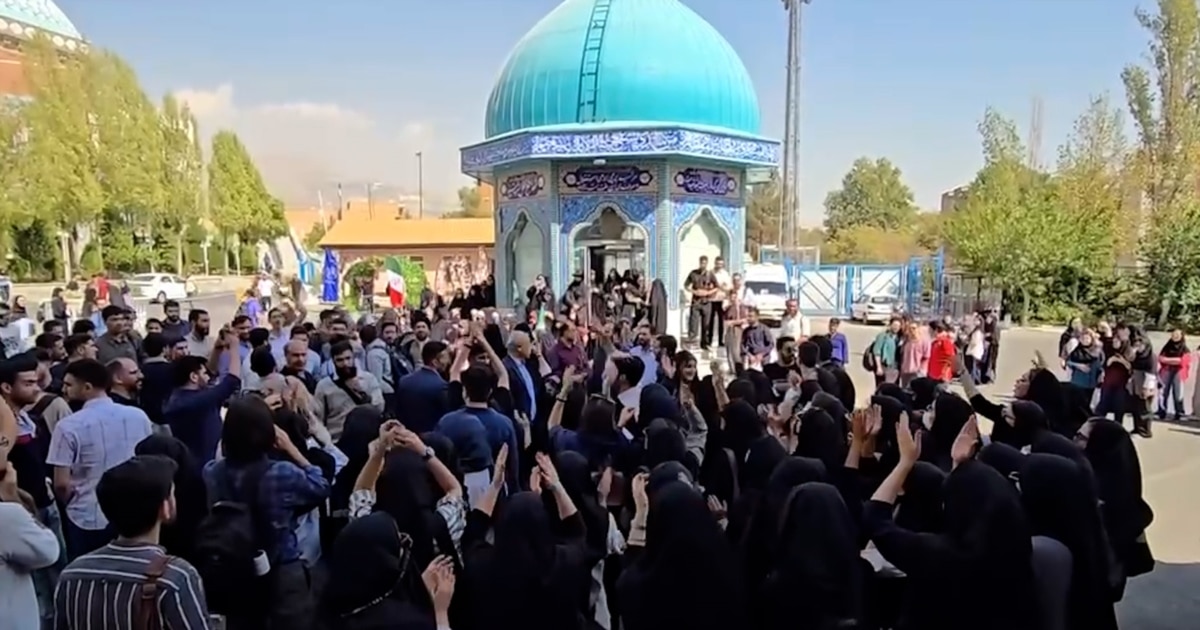
Taliban officials gathered at the Loya Jirga assembly hall in Kabul on 15 August 2026 to mark the fifth anniversary of their return to power. The event included speeches, military displays, and street celebrations across Afghanistan. Deputy spokesman Hamdullah Fitrat said the government had brought peace and stability under Sharia law.
The Taliban seized control of Afghanistan on 15 August 2021, following the withdrawal of U.S. and NATO forces. Since then, the government has imposed restrictions on women and girls, including bans on secondary and higher education, employment in most sectors, and travel without a male guardian. Women were not present at the anniversary ceremony.
Richard Bennett, the UN special rapporteur on human rights in Afghanistan, said the country is experiencing a grave human rights crisis. In a video message, he described the situation as amounting to the crime against humanity of gender persecution. UNESCO estimates 2.4 million girls have been excluded from secondary education since the Taliban takeover.
The Taliban government remains internationally isolated, with Russia the only country to have formally recognised it. Celebrations included parades outside the former U.S. embassy in Kabul, where armoured vehicles displayed Taliban flags.
What the coverage left out
None of the right-rated digests mentioned the UNESCO estimate that 2.4 million Afghan girls have been excluded from secondary education since the Taliban takeover. None of the right-rated digests quoted or paraphrased the UN special rapporteur’s description of the situation as a crime against humanity of gender persecution.
The centre-rated digests did not carry the Taliban deputy spokesman’s claim that the government had delivered security and infrastructure, which appeared in The Hindu’s full report. Only one of the ten centre-rated digests mentioned the absence of women at the Loya Jirga ceremony.
Coverage settled. We checked this 15 times and stopped on 20 Aug 2026, 19:46. The figures above are what it finished at.
How each side covered it
Our own reading of the reporting listed below, written from the outlets’ articles rather than quoted from them. The reasoning is set out on our methodology page.
Left
44 rated outlets
- The left-rated digests led on the human rights crisis in Afghanistan, particularly the exclusion of women and girls from education and public life. Thirteen of the 13 left-rated digests mentioned the UN warning of gender persecution or the UNESCO estimate of 2.4 million girls excluded from secondary education. Eight digests noted the absence of women at the Loya Jirga ceremony.
- The Hindu’s full report quoted Richard Bennett’s statement that the Taliban’s system amounts to gender persecution and described the broader human rights crisis, including arbitrary arrests, torture, and restrictions on freedom of expression. It also carried the Taliban deputy spokesman’s claim that the government had delivered security and infrastructure.
Centre
38 rated outlets
- The 12 centre-rated digests agree that the Taliban marked five years in power on 15 August 2026 with public celebrations in Kabul. All note the group’s claim to have brought stability and ended decades of conflict in Afghanistan.
- Nine digests include a warning from the United Nations or aid groups about a human rights crisis, with particular reference to restrictions on women. The Express Tribune and RTÉ specify that humanitarian needs have reached record levels.
- None of the digests omit the Taliban’s assertion of stability. None mention specific policies or decrees issued during the five years beyond broad references to restrictions on daily life.
Right
19 rated outlets
- The right-rated digests led on the Taliban’s anniversary celebrations and their portrayal of stability. All four right-rated digests described the gatherings and street celebrations in Kabul. Two mentioned warnings from aid and rights groups about escalating crises, but none carried the UNESCO estimate of 2.4 million girls excluded from education or the UN special rapporteur’s description of gender persecution as a crime against humanity.
- The Bangkok Post’s digest described the Taliban as seeking to portray their government as in control, while the Cyprus Mail’s digest mentioned aid groups’ warnings of escalating crises. The Straits Times’ digest carried the same framing, noting the Taliban’s projection of control alongside aid groups’ concerns.
Questions about this coverage
- How did the left and right cover Taliban mark fifth anniversary in power as UN warns of rights crisis?
- Of the 101 outlets on this story carrying a published leaning rating, 44% are rated left, 37% are rated centre, 19% are rated right. Those percentages are shares of the rated outlets, not of every outlet that ran it, which was 123. The sections above set out what each side emphasised, in its own terms.
- Is Taliban mark fifth anniversary in power as UN warns of rights crisis left or right?
- Neither side dominates it. Of the 101 rated outlets on this story, 44% are rated left, 37% are rated centre, 19% are rated right, and no side holds the 70% this site would want before calling a field one-sided. A story is not left or right in any case; the outlets that carried it are what carry ratings.
- Is the coverage of Taliban mark fifth anniversary in power as UN warns of rights crisis biased?
- Taliban mark fifth anniversary in power as UN warns of rights crisis is one event reported by 123 outlets, and this page does not rate the story as biased or unbiased. What it publishes is the spread: which outlets ran it, where named rating organisations place each of them on the spectrum, and what each side chose to lead with. A leaning rating describes an outlet's record over time, not this article, and the two should not be run together.
- Which side is not reporting Taliban mark fifth anniversary in power as UN warns of rights crisis?
- When we first saw this story, outlets rated right had barely covered it. Coverage accretes for hours after an event, so that is where to look rather than a verdict — the split above is the current count, and it is the one to read.
- Which outlets covered Taliban mark fifth anniversary in power as UN warns of rights crisis?
- 123 that we know of, every one of them listed further up this page with a link to its own report and to what we hold on the publisher. Nothing here is a summary of somebody else's summary: the outlets are named so the original reporting can be read.
- How many Afghan girls have been excluded from secondary education since the Taliban takeover?
- UNESCO estimates that approximately 2.4 million Afghan girls have been excluded from secondary education since the Taliban returned to power in August 2021. This figure was reported by The Hindu and is part of the broader human rights crisis in Afghanistan.
- What did the UN special rapporteur say about Afghanistan’s human rights situation?
- Richard Bennett, the UN special rapporteur on human rights in Afghanistan, described the situation as amounting to the crime against humanity of gender persecution. He cited systemic discrimination against women and girls, including bans on education and employment, as reported by The Hindu.
- Which countries have formally recognised the Taliban government?
- Russia is the only country that has formally recognised the Taliban government, as reported by The Hindu. The Taliban remain internationally isolated, with no other country extending formal recognition.
- Were women present at the Taliban’s anniversary ceremony?
- No women were present at the Loya Jirga ceremony marking the Taliban’s fifth anniversary in power, according to The Hindu and eight left-rated digests. The Taliban have imposed sweeping restrictions on women’s participation in public life.
Read it at the source
123 outlets, grouped by the leaning a published rating gives them. Every headline links to the original; an underlined outlet name opens our profile of that publisher.
Left
44- Taliban mark 5 years since return to power in Afghanistan, in photos (opens Beckley Register-Herald in a new tab)
Beckley Register-Herald — is Beckley Register-Herald biased? Our profile of this outlet
- Taliban mark 5 years since return to power in Afghanistan, in photos (opens McAlester News-Capital in a new tab)
McAlester News-Capital — is McAlester News-Capital biased? Our profile of this outlet
- While Taliban leaders mark 5 years in power in Afghanistan, a UN official warns of a rights crisis (opens PBS NewsHour in a new tab)
PBS NewsHour — is PBS NewsHour biased? Our profile of this outlet
- Five Years Since the Taliban Came to Power, Organizations Warn of a Severe Humanitarian Crisis. (opens RTV Slovenija in a new tab)
RTV Slovenija — is RTV Slovenija biased? Our profile of this outlet
- As Taliban leaders mark five years in power in Afghanistan, a UN envoy warns of rights crisis (opens The New Indian Express in a new tab)
The New Indian Express — is The New Indian Express biased? Our profile of this outlet
- While Taliban leaders mark 5 years in power in Afghanistan, a UN official warns of a rights crisis (opens The Sun Chronicle in a new tab)
The Sun Chronicle — is The Sun Chronicle biased? Our profile of this outlet
- While Taliban leaders mark 5 years in power in Afghanistan, a UN official warns of a rights crisis (opens Goshen News in a new tab)
Goshen News — is Goshen News biased? Our profile of this outlet
- Taliban Government Supporters Celebrate Five Years of Power in Afghanistan (opens Radio-Canada in a new tab)
Radio-Canada — is Radio-Canada biased? Our profile of this outlet
Show 36 more
- The Taliban Took Everything Away From Afghan Women (opens Il Post in a new tab)
- While Taliban leaders mark 5 years in power in Afghanistan, a UN official warns of a rights crisis (opens Stuff in a new tab)
- UN official warns of escalating human rights crisis as Taliban leaders mark fifth anniversary in power (opens WISH-TV in a new tab)
- While Taliban leaders mark 5 years in power in Afghanistan, UN official warns of rights crisis (opens The Hindu in a new tab)
- While Taliban leaders mark 5 years in power in Afghanistan, a UN official warns of a rights crisis - The Boston Globe (opens Boston Globe in a new tab)
Boston Globe — is Boston Globe biased? Our profile of this outlet
- While Taliban leaders mark 5 years in power in Afghanistan, a UN official warns of a rights crisis (opens SooLeader.com in a new tab)
SooLeader.com — is SooLeader.com biased? Our profile of this outlet
- As Taliban mark 5 yrs in power, Afghan girls still cannot study (opens The Siasat Daily in a new tab)
The Siasat Daily — is The Siasat Daily biased? Our profile of this outlet
- While Taliban leaders mark 5 years in power in Afghanistan, a UN official warns of a rights crisis (opens RocketNews in a new tab)
RocketNews — is RocketNews biased? Our profile of this outlet
- Taliban Leaders Celebrate Five Years at the Head of Afghanistan, UN Denounces "Suffocating Restrictions" in the Country (opens franceinfo.fr in a new tab)
franceinfo.fr — is franceinfo.fr biased? Our profile of this outlet
- Taliban mark 5 years since return to power in Afghanistan, in photos (opens The Seattle Times in a new tab)
The Seattle Times — is The Seattle Times biased? Our profile of this outlet
- Taliban mark 5 years since return to power in Afghanistan, in photos (opens The Independent in a new tab)
The Independent — is The Independent biased? Our profile of this outlet
- Afghan advocates urge action for women as Taliban marks five years since takeover (opens flamboroughtoday.com in a new tab)
flamboroughtoday.com — is flamboroughtoday.com biased? Our profile of this outlet
- Afghan advocates urge action for women as Taliban marks five years since takeover (opens Oakville News in a new tab)
Oakville News — is Oakville News biased? Our profile of this outlet
- Afghan advocates urge action for women as Taliban marks five years since takeover (opens StratfordToday.ca in a new tab)
StratfordToday.ca — is StratfordToday.ca biased? Our profile of this outlet
- Afghan advocates urge action for women as Taliban marks five years since takeover (opens ElliotLakeToday.com in a new tab)
ElliotLakeToday.com — is ElliotLakeToday.com biased? Our profile of this outlet
- Afghan advocates urge action for women as Taliban marks five years since takeover (opens InnisfilToday.ca in a new tab)
InnisfilToday.ca — is InnisfilToday.ca biased? Our profile of this outlet
- Afghan advocates urge action for women as Taliban marks five years since takeover (opens Bay Today in a new tab)
- Afghan advocates urge action for women as Taliban marks five years since takeover (opens Sudbury in a new tab)
- Afghan advocates urge action for women as Taliban marks five years since takeover (opens Elora Fergus Today in a new tab)
Elora Fergus Today — is Elora Fergus Today biased? Our profile of this outlet
- Afghan advocates urge action for women as Taliban marks five years since takeover (opens Orillia Matters in a new tab)
Orillia Matters — is Orillia Matters biased? Our profile of this outlet
- Afghan advocates urge action for women as Taliban marks five years since takeover (opens SooToday.com in a new tab)
SooToday.com — is SooToday.com biased? Our profile of this outlet
- Afghan advocates urge action for women as Taliban marks five years since takeover (opens Rocky Mountain Outlook in a new tab)
Rocky Mountain Outlook — is Rocky Mountain Outlook biased? Our profile of this outlet
- While Taliban leaders mark 5 years in power in Afghanistan, UN official warns of rights crisis (opens The Tribune-Democrat in a new tab)
The Tribune-Democrat — is The Tribune-Democrat biased? Our profile of this outlet
- While Taliban leaders mark 5 years in power in Afghanistan, a UN official warns of a rights crisis (opens The Washington Post in a new tab)
The Washington Post — is The Washington Post biased? Our profile of this outlet
- While Taliban leaders mark 5 years in power in Afghanistan, a UN official warns of a rights crisis (opens The Toronto Star in a new tab)
The Toronto Star — is The Toronto Star biased? Our profile of this outlet
- While Taliban leaders mark 5 years in power in Afghanistan, a UN official warns of a rights crisis (opens Associated Press News in a new tab)
Associated Press News — is Associated Press News biased? Our profile of this outlet
- While Taliban leaders mark 5 years in power in Afghanistan, a UN official warns of a rights crisis (opens Daily Record in a new tab)
Daily Record — is Daily Record biased? Our profile of this outlet
- While Taliban leaders mark 5 years in power in Afghanistan, a UN official warns of a rights crisis (opens Reflector in a new tab)
- While Taliban leaders mark 5 years in power in Afghanistan, a UN official warns of a rights crisis (opens Oskaloosa Herald in a new tab)
Oskaloosa Herald — is Oskaloosa Herald biased? Our profile of this outlet
- Taliban mark 5 years in power as aid groups warn of crisis (opens Dawn in a new tab)
- Taliban authorities mark five years ruling Afghanistan (opens Vanguard News in a new tab)
Vanguard News — is Vanguard News biased? Our profile of this outlet
- Five years after Kabul fell, the reckoning over Afghanistan is far from over (opens CBC News in a new tab)
- While Taliban leaders mark 5 years in power in Afghanistan, a UN official warns of a rights crisis (opens The Record in a new tab)
The Record — is The Record biased? Our profile of this outlet
- Taliban mark five years in power as aid groups warn of crisis (opens Al-Monitor in a new tab)
Al-Monitor — is Al-Monitor biased? Our profile of this outlet
- Five Years Later, Life Is Still on Hold for Afghan Women (opens La Vanguardia in a new tab)
La Vanguardia — is La Vanguardia biased? Our profile of this outlet
- Taliban mark five years in power as aid groups warn of crisis (opens The spokesman-Review in a new tab)
The spokesman-Review — is The spokesman-Review biased? Our profile of this outlet
Centre
38- Taliban mark 5 years since return to power in Afghanistan, in photos (opens Idaho Press in a new tab)
Idaho Press — is Idaho Press biased? Our profile of this outlet
- Taliban mark five-year anniversary of regaining power in Afghanistan (opens Euronews in a new tab)
- Five years under Taliban (opens Jamaica Gleaner in a new tab)
Jamaica Gleaner — is Jamaica Gleaner biased? Our profile of this outlet
- While Taliban leaders mark 5 years in power in Afghanistan, a UN official warns of a rights crisis (opens Vail Daily in a new tab)
Vail Daily — is Vail Daily biased? Our profile of this outlet
- Taliban mark 5 years since return to power in Afghanistan, in photos (opens Daily Journal in a new tab)
Daily Journal — is Daily Journal biased? Our profile of this outlet
- Taliban mark 5 years since return to power in Afghanistan, in photos (opens Chronicle Online in a new tab)
Chronicle Online — is Chronicle Online biased? Our profile of this outlet
- Afghanistan's Taliban mark 5 years back in power (opens Deutsche Welle in a new tab)
Deutsche Welle — is Deutsche Welle biased? Our profile of this outlet
- While Taliban leaders mark 5 years in power in Afghanistan, a UN official warns of a rights crisis (opens union-bulletin.com in a new tab)
union-bulletin.com — is union-bulletin.com biased? Our profile of this outlet
Show 30 more
- While Taliban leaders mark 5 years in power in Afghanistan, a UN official warns of a rights crisis (opens Idaho State Journal in a new tab)
Idaho State Journal — is Idaho State Journal biased? Our profile of this outlet
- While Taliban leaders mark 5 years in power in Afghanistan, a UN official warns of a rights crisis (opens NBC4 Columbus in a new tab)
NBC4 Columbus — is NBC4 Columbus biased? Our profile of this outlet
- While Taliban leaders mark 5 years in power in Afghanistan, a UN official warns of a rights crisis (opens Herald Bulletin in a new tab)
Herald Bulletin — is Herald Bulletin biased? Our profile of this outlet
- While Taliban leaders mark 5 years in power in Afghanistan, a UN official warns of a rights crisis (opens The Herald Journal in a new tab)
The Herald Journal — is The Herald Journal biased? Our profile of this outlet
- While Taliban leaders mark 5 years in power in Afghanistan, a UN official warns of a rights crisis (opens WSPA in a new tab)
- Taliban mark 5 years since return to power in Afghanistan, in photos (opens mykxlg.com in a new tab)
mykxlg.com — is mykxlg.com biased? Our profile of this outlet
- Taliban mark 5 years since return to power in Afghanistan, in photos (opens Rutland Herald in a new tab)
Rutland Herald — is Rutland Herald biased? Our profile of this outlet
- Taliban mark 5 years since return to power in Afghanistan, in photos (opens The Bakersfield Californian in a new tab)
The Bakersfield Californian — is The Bakersfield Californian biased? Our profile of this outlet
- While Taliban leaders mark 5 years in power in Afghanistan, a U.N. official warns of a rights crisis (opens Pittsburgh Post-Gazette in a new tab)
Pittsburgh Post-Gazette — is Pittsburgh Post-Gazette biased? Our profile of this outlet
- "We're at the End of What We Can Do in Terms of Repression": Five Years After the Taliban Returned to Power, Human Rights Are in Decline in Afghanistan (opens BFM TV in a new tab)
- Life Under Under The Taliban (opens Radio Free Europe/ RadioLiberty in a new tab)
- While Taliban leaders mark 5 years in power in Afghanistan, a UN official warns of a rights crisis (opens Joplin Globe in a new tab)
Joplin Globe — is Joplin Globe biased? Our profile of this outlet
- While Taliban leaders mark 5 years in power in Afghanistan, a UN official warns of a rights crisis (opens The Daily Advance in a new tab)
The Daily Advance — is The Daily Advance biased? Our profile of this outlet
- While Taliban leaders mark 5 years in power in Afghanistan, a UN official warns of a rights crisis (opens The Standard-Journal in a new tab)
The Standard-Journal — is The Standard-Journal biased? Our profile of this outlet
- Taliban celebrate ‘victory day’ five years after seizing power in Afghanistan (opens Jerusalem Post in a new tab)
Jerusalem Post — is Jerusalem Post biased? Our profile of this outlet
- Taliban mark 5 years since return to power in Afghanistan, in photos (opens Washington Top News in a new tab)
Washington Top News — is Washington Top News biased? Our profile of this outlet
- Taliban mark 5 years since return to power in Afghanistan, in photos (opens Mid Florida Newspapers in a new tab)
Mid Florida Newspapers — is Mid Florida Newspapers biased? Our profile of this outlet
- Taliban mark 5 years since return to power in Afghanistan, in photos (opens Cecil Daily in a new tab)
Cecil Daily — is Cecil Daily biased? Our profile of this outlet
- Rights fears as Taliban marks five years in power (opens PerthNow in a new tab)
- Taliban mark five years in power as aid groups warn of crisis (opens The Express Tribune in a new tab)
The Express Tribune — is The Express Tribune biased? Our profile of this outlet
- UNICEF: More Than 2.6 Million Afghan Girls Denied Secondary Education (opens Khaama Press in a new tab)
Khaama Press — is Khaama Press biased? Our profile of this outlet
- While Taliban leaders mark 5 years in power in Afghanistan, a UN official warns of a rights crisis (opens City News in a new tab)
- While Taliban leaders mark 5 years in power in Afghanistan, a UN official warns of a rights crisis (opens Ottumwa Courier in a new tab)
Ottumwa Courier — is Ottumwa Courier biased? Our profile of this outlet
- While Taliban leaders mark 5 years in power in Afghanistan, a UN official warns of a rights crisis (opens WKMG in a new tab)
- Taliban mark five years in power as aid groups warn of crisis (opens WTVB in a new tab)
- Taliban mark 5 years since return to power in Afghanistan, in photos (opens Dayton Daily News in a new tab)
Dayton Daily News — is Dayton Daily News biased? Our profile of this outlet
- Five years of Taliban rule: Afghan women face deepening repression (opens France24 in a new tab)
- Taliban authorities mark five years ruling Afghanistan (opens RTÉ in a new tab)
- While Taliban leaders mark 5 years in power in Afghanistan, a UN official warns of a rights crisis (opens Winnipeg Free Press in a new tab)
Winnipeg Free Press — is Winnipeg Free Press biased? Our profile of this outlet
- Suffocating restrictions and a humanitarian crisis: Taliban marks five years in power in Afghanistan (opens Hindustan Times in a new tab)
Hindustan Times — is Hindustan Times biased? Our profile of this outlet
Right
19- Taliban mark 5 years since return to power in Afghanistan, in photos (opens The Batesville Daily Guard in a new tab)
The Batesville Daily Guard — is The Batesville Daily Guard biased? Our profile of this outlet
- Celebration Shocks: No Women in Sight (opens BT in a new tab)
- The Taliban Celebrate Five Years in Power – without Women (opens Expressen in a new tab)
- The Taliban Celebrate Five Years in Power – without Women (opens Svenska Dagbladet in a new tab)
Svenska Dagbladet — is Svenska Dagbladet biased? Our profile of this outlet
- Taliban marks five years in power as UN flags Afghanistan rights crisis (opens India Today in a new tab)
India Today — is India Today biased? Our profile of this outlet
- While Taliban leaders mark 5 years in power in Afghanistan, a UN official warns of a rights crisis (opens Jonesboro Sun in a new tab)
Jonesboro Sun — is Jonesboro Sun biased? Our profile of this outlet
- Taliban Marks 5 Years In Power In Afghanistan As Rights Groups Sound Alarm (opens NDTV in a new tab)
- Taliban marks 5 years in power as UN warns of deepening crisis (opens Daily Sabah in a new tab)
Daily Sabah — is Daily Sabah biased? Our profile of this outlet
Show 11 more
- Taliban Celebrates 5 Years in Command in Afghanistan: Famine, Restrictions on Women and Hermetism (opens TV Azteca in a new tab)
- While Taliban leaders mark 5 years in power in Afghanistan, a U.N. official warns of a rights crisis (opens Washington Times in a new tab)
Washington Times — is Washington Times biased? Our profile of this outlet
- Human Rights: Taliban Celebrate Takeover of Power in Afghanistan Five Years Ago (opens Handelsblatt in a new tab)
Handelsblatt — is Handelsblatt biased? Our profile of this outlet
- Taliban mark 5 years since return to power in Afghanistan, in photos (opens plaindealerin.com in a new tab)
plaindealerin.com — is plaindealerin.com biased? Our profile of this outlet
- Taliban mark five years in power in Afghanistan (opens Bangkok Post in a new tab)
Bangkok Post — is Bangkok Post biased? Our profile of this outlet
- Rights fears as Taliban marks five years in power (opens The West Australian in a new tab)
The West Australian — is The West Australian biased? Our profile of this outlet
- While Taliban leaders mark 5 years in power in Afghanistan, a UN official warns of a rights crisis (opens Madison Courier in a new tab)
Madison Courier — is Madison Courier biased? Our profile of this outlet
- Taliban mark five years in power as aid groups warn of crisis (opens Cyprus Mail in a new tab)
Cyprus Mail — is Cyprus Mail biased? Our profile of this outlet
- Helen McEntee ‘deeply concerned’ over human rights in Afghanistan after five years of Taliban rule (opens Irish Independent in a new tab)
Irish Independent — is Irish Independent biased? Our profile of this outlet
- Taliban mark five years in power as aid groups warn of crisis (opens The Straits Times in a new tab)
The Straits Times — is The Straits Times biased? Our profile of this outlet
- What has changed in Afghanistan five years after the Taliban’s return? (opens Arab News in a new tab)
Not rated
22- MPs and Peers Mark Five Years Since The Fall of Kabul (opens thehighlandtimes.com in a new tab)
thehighlandtimes.com — is thehighlandtimes.com biased? Our profile of this outlet
- Hunger, Poverty and Women without Freedom: Afghanistan's Portrait After Five Years of Taliban Control (opens sabado.pt in a new tab)
- Taliban mark 5 years since return to power in Afghanistan, in photos (opens pmg-ky3.com in a new tab)
pmg-ky3.com — is pmg-ky3.com biased? Our profile of this outlet
- While Taliban leaders mark 5 years in power in Afghanistan, a UN official warns of a rights crisis (opens BizToc in a new tab)
- The Taliban Celebrate Five Years in Power – without Women (opens Sydsvenskan in a new tab)
Sydsvenskan — is Sydsvenskan biased? Our profile of this outlet
- Five years since the fall of Kabul – 16 News (opens 16news.com.au in a new tab)
16news.com.au
- Taliban Government Supporters Celebrate Five Years of Power in Afghanistan (opens La Croix in a new tab)
- Afghanistan: Five Years After Seizing Power, the Taliban Are Strengthening Their Global Ties (opens ertnews.gr in a new tab)
ertnews.gr — is ertnews.gr biased? Our profile of this outlet
Show 14 more
- In Five Years in Power, the Taliban Have Normalized the Oppression of Women (opens hbl.fi in a new tab)
hbl.fi — is hbl.fi biased? Our profile of this outletOpinion
- Five Years of Taliban: Women as "the Hope for Afghanistan" (opens zdfheute.de in a new tab)
zdfheute.de — is zdfheute.de biased? Our profile of this outlet
- Taliban Celebrate Five Years in Power in Afghanistan (opens Jovem Pan News in a new tab)
Jovem Pan News — is Jovem Pan News biased? Our profile of this outlet
- Afghanistan: Five Years After the Taliban Seized Power, the Rights of the Population Are Increasingly Restricted (opens Radio France in a new tab)
Radio France — is Radio France biased? Our profile of this outlet
- Five Years After the Taliban Takeover: Afghanistan in Crisis and Women Completely Sidelined (opens Het Parool in a new tab)
Het Parool — is Het Parool biased? Our profile of this outlet
- Taliban Celebrate Five Years of Taking Power in Afghanistan (opens epochtimes.de in a new tab)
epochtimes.de — is epochtimes.de biased? Our profile of this outlet
- Five Years After the Taliban Takeover: Afghanistan in Crisis and Women Completely Sidelined (opens destentor.nl in a new tab)
destentor.nl — is destentor.nl biased? Our profile of this outlet
- Five Years After the Taliban Takeover: Afghanistan in Crisis and Women Completely Sidelined (opens bndestem.nl in a new tab)
bndestem.nl — is bndestem.nl biased? Our profile of this outlet
- Afghan Women's Fears Have Taken on a New Form (opens RÚV in a new tab)
- Education of Girls in Afghanistan: A Lost Generation, According to Unesco (opens Reforme.net in a new tab)
Reforme.net — is Reforme.net biased? Our profile of this outlet
- Afghan advocates flag five years of Taliban rule (opens dailyguardian.ca in a new tab)
dailyguardian.ca — is dailyguardian.ca biased? Our profile of this outlet
- Women, girls kept away on Taliban's 5th anniversary - The Copenhagen Post (opens cphpost.dk in a new tab)
cphpost.dk — is cphpost.dk biased? Our profile of this outlet
- Afghanistan: Taliban Celebrate Five Years in Power · Global Voices (opens RTS in a new tab)
- Taliban Message on the Occasion of Asad 24: We Want to Live in Peace with All Countries (opens روزنامه اطلاعات روز in a new tab)
روزنامه اطلاعات روز
How did this read?
About the coverage, not about the story. We do not ask whether you agree with what happened — we have no honest use for that answer.