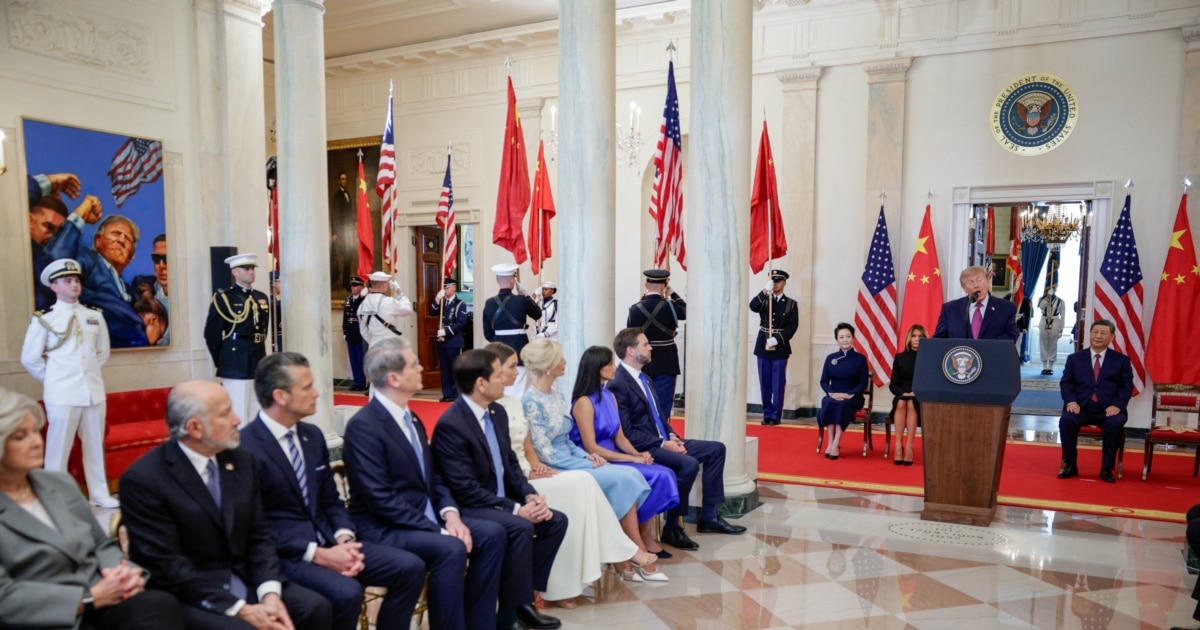
Ted Cruz links China, effective altruism to AI policy debate
Senator Ted Cruz claims foreign influence and a domestic movement are shaping US artificial intelligence policy.
AI-assisted coverage comparison, editor-supervised · How this was made
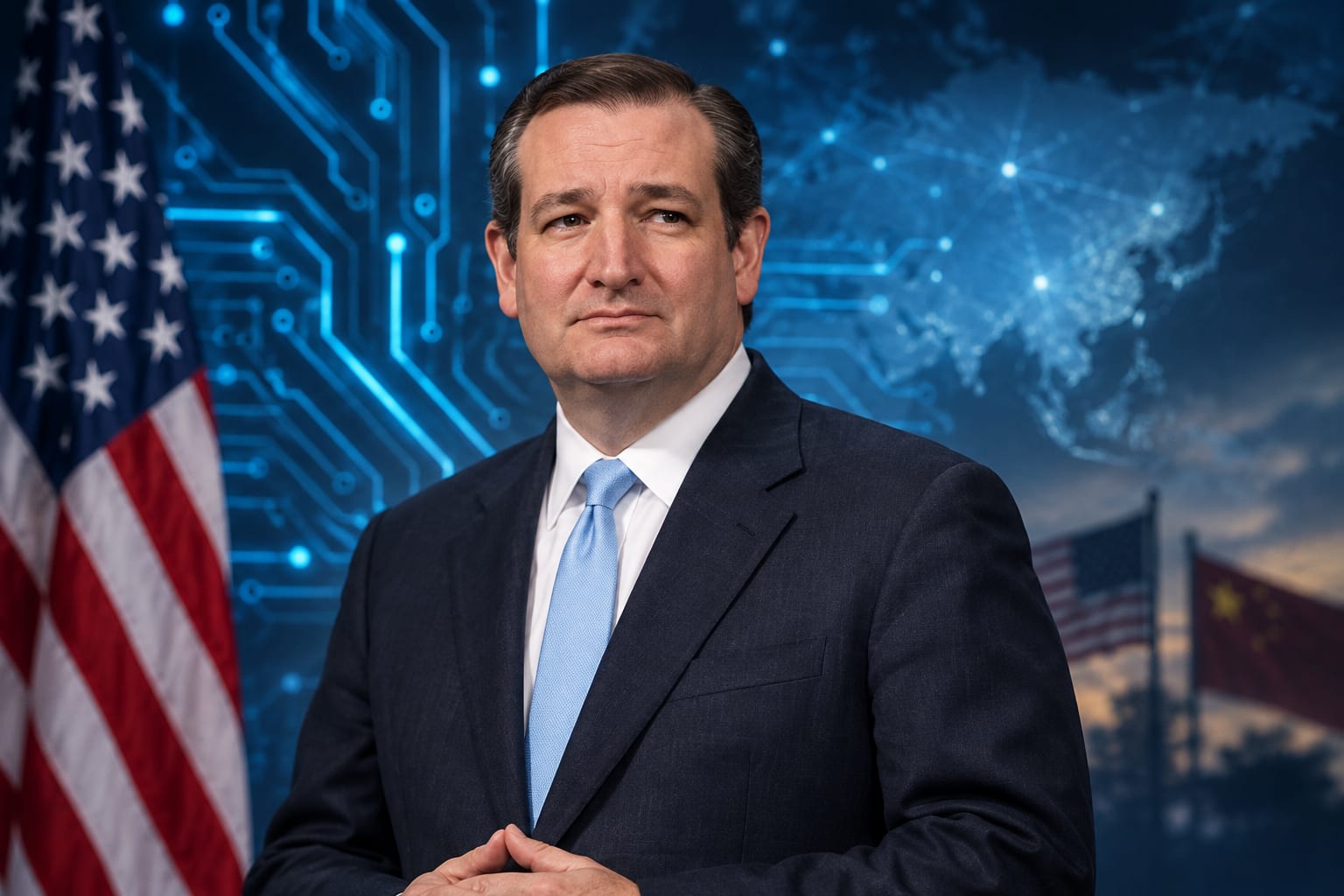
Senator Ted Cruz highlights America’s technological competition with China. | Next News Editorial Illustration
Photograph: Next News Network (embedded from source)
What this story says
- Senator Ted Cruz stated that winning the artificial intelligence race against China is the most important economic question for the United States.
- Cruz claims China is orchestrating propaganda and influence campaigns to affect US AI policy and data center decisions.
- He also identified backers of 'effective altruism' as a group influencing AI policy.
- OpenAI recently shut down ChatGPT accounts suspected of originating from China that promoted narratives about data centers.
Who covered it
Percentages are shares of the 6 outlets carrying a published leaning rating. Coverage measured .
Trust
78/100
Craft
87/100
Hype
28/100
6 sources · methodology
Thin on the left so far
None of the 6 outlets with a published leaning rating that ran this story are rated left.
This story is still being watched, so it is a count and not yet a finding. Coverage keeps arriving for hours after an event, and a side that has published nothing this morning may publish by tonight. If it is still true when we stop checking, we will say so plainly.
Senator Ted Cruz has asserted that the competition between the United States and China for leadership in artificial intelligence is the paramount economic challenge for America. He stated that two distinct forces are attempting to sway the outcome of this race. According to Cruz, China is engaged in a deliberate influence campaign designed to shape US regulations concerning AI. Additionally, he pointed to a network of individuals associated with 'effective altruism' as another group promoting its own agenda within the AI policy debate. Cruz linked these efforts to ongoing discussions about data centers, including their location, power sources, and regulatory oversight.
Cruz's central argument is that Beijing can impede American AI development through regulatory means rather than solely through technological advancement. He suggested that influence operations are a more cost-effective and rapid strategy than building advanced technology. The senator warned that if US regulators impose compliance burdens, delays in permitting, or restrictions on utilities, China could narrow the gap without direct confrontation. Cruz has consistently framed AI as a national security asset comparable to nuclear technology and semiconductors, arguing that treating it as mere consumer technology is a flawed approach. He views the debate over data centers as the practical manifestation of this issue, where each delayed project or contested zoning vote contributes to a race the US cannot afford to lose.
The senator also named proponents of 'effective altruism' as a separate bloc influencing AI policy. This movement, associated with wealthy donors and a philosophy of directing resources towards perceived maximum benefit, has become influential in discussions about AI safety. Critics argue that its proposals lead to slower development, concentrate power within a few well-funded entities, and shift decision-making away from elected officials. This criticism gains traction due to the significant financial contributions from the movement's backers to AI policy organizations and academic programs. The interpretation of these contributions as philanthropy or influence-peddling often depends on political perspective, but the funds are directed towards shaping the rules of an industry valued in the trillions.
The conflict over data centers is where these two elements converge. The infrastructure required for AI development, including land, power, and water, places substantial demands on local resources. Communities across the US have raised concerns about data center projects, citing issues such as electricity rates, water consumption, and quality of life. While some opposition is genuinely local, Cruz contends that some is amplified and organized by parties interested in hindering American AI capacity. He stated that if China wins the AI race, artificial intelligence would be employed for espionage, propaganda, control, and surveillance, reflecting the values of the Chinese Communist Party. Conversely, he expressed a desire for American values such as free speech, individualism, free enterprise, and privacy to be reflected in AI developed in the US.
In June, OpenAI announced it had deactivated two clusters of ChatGPT accounts, which it suspected originated from China. These accounts were reportedly used to promote narratives concerning data centers, aiming to influence public debate on American AI and broader technology policies. Cruz characterized the effort to establish policy ensuring US victory in the AI race as the 'single most important economic question facing America today'.
Coverage Disagreements
Reports differ on the extent to which direct Chinese government funding has been revealed to influence US data center policies. Next News Network stated that direct funding from the Chinese government into the US on data center policies has not been revealed. Democratic Accent, however, reported that while direct funding has not been revealed, OpenAI's action against suspected Chinese-originating ChatGPT accounts suggests an attempt to manipulate debate.
What the coverage left out
None of the right-rated reports below mention the cost estimates for AI policy advocacy that Coefficient Giving, associated with Dustin Moskovitz and Cari Tuna, is on track to commit. Democratic Accent reported that Coefficient Giving is on track to commit more than $1 billion to AI policy advocacy in 2026, and had committed $168 million to AI safety, security and field-building in 2024 and $351 million in 2025. This specific financial detail was not included in the other right-rated reports.
Still developing. We have re-checked which outlets are covering this 1 time, most recently on 26 Sept 2026, 22:15, and will add the sides that appear.
How each side covered it
Our own reading of the reporting listed below, written from the outlets’ articles rather than quoted from them. The reasoning is set out on our methodology page.
Left
0 rated outlets
No outlet rated left has run this story so far. We are still checking, and will say plainly if that does not change.
Centre
0 rated outlets
No outlet rated centre has run this story so far. We are still checking, and will say plainly if that does not change.
Right
6 rated outlets
- Right-rated reports focused on Senator Ted Cruz's assertion that the race for artificial intelligence dominance with China is the most critical economic issue for the United States. These reports highlighted Cruz's claims that China is conducting coordinated propaganda and influence campaigns to shape US AI policy and data center decisions. The outlets also noted Cruz's identification of 'effective altruism' backers as another influential group. The reports mentioned OpenAI's shutdown of ChatGPT accounts suspected of Chinese origin that promoted narratives about data centers. The right-rated coverage also included Cruz's statements on the potential implications of China winning the AI race, such as increased espionage and surveillance, and his preference for American values to be embedded in AI.
Questions about this coverage
- How did the left and right cover Ted Cruz links China, effective altruism to AI policy debate?
- Of the 6 outlets on this story carrying a published leaning rating, 0% are rated left, 0% are rated centre, 100% are rated right. Those percentages are shares of the rated outlets, not of every outlet that ran it. The sections above set out what each side emphasised, in its own terms.
- Is Ted Cruz links China, effective altruism to AI policy debate left or right?
- Too few of the outlets on this story carry a published leaning rating to say. 6 of them do, and this site does not characterise a field under 12: at that size one newsroom filing moves the share by ten points. The percentages above are the count as it stands.
- Is the coverage of Ted Cruz links China, effective altruism to AI policy debate biased?
- Ted Cruz links China, effective altruism to AI policy debate is one event reported by 6 outlets, and this page does not rate the story as biased or unbiased. What it publishes is the spread: which outlets ran it, where named rating organisations place each of them on the spectrum, and what each side chose to lead with. A leaning rating describes an outlet's record over time, not this article, and the two should not be run together.
- Which side is not reporting Ted Cruz links China, effective altruism to AI policy debate?
- When we first saw this story, outlets rated left had barely covered it. Coverage accretes for hours after an event, so that is where to look rather than a verdict — the split above is the current count, and it is the one to read.
- Which outlets covered Ted Cruz links China, effective altruism to AI policy debate?
- 6 that we know of, every one of them listed further up this page with a link to its own report and to what we hold on the publisher. Nothing here is a summary of somebody else's summary: the outlets are named so the original reporting can be read.
- What is Senator Ted Cruz's main concern regarding artificial intelligence?
- Senator Ted Cruz believes that winning the artificial intelligence race against China is the single most important economic question facing the United States. He warns that if China leads in AI, it could be used for espionage, propaganda, control, and surveillance reflecting CCP values.
- Who does Ted Cruz claim is influencing US AI policy?
- Ted Cruz claims that China is conducting coordinated propaganda and influence campaigns to shape US AI policy and data center decisions. He also identified a network of 'effective altruism' backers as another group influencing AI policy.
- What action did OpenAI take related to Chinese influence?
- OpenAI announced it shut down two clusters of ChatGPT accounts that were likely originating from China. These accounts were reportedly promoting narratives about data centers in an attempt to manipulate debate on American AI and technology policies.
Read it at the source
6 outlets, grouped by the leaning a published rating gives them. Every headline links to the original; an underlined outlet name opens our profile of that publisher.
Left
0No outlet in this group ran the story.
Centre
0No outlet in this group ran the story.
Right
6- Cruz: Winning the AI Race Against China Is the 'Single Most Important Economic Question' Facing America (opens Next News Network in a new tab)
Next News Network — is Next News Network biased? Our profile of this outletOpinion
- Cruz: US Must Win AI Race Against China's Influence (opens capitalisminstitute.org in a new tab)
capitalisminstitute.org — is capitalisminstitute.org biased? Our profile of this outletOpinion
- Cruz says winning AI race against China is ‘single most important economic question’ for America (opens wfmd.com in a new tab)
- Cruz says winning AI race against China is 'single most important economic question' for America - NEW YORK TIMES POST (opens nytimespost.com in a new tab)
nytimespost.com — is nytimespost.com biased? Our profile of this outlet
- Cruz says winning AI race against China is 'single most important economic question' for America – Democratic Accent (opens democraticaccent.com in a new tab)
democraticaccent.com — is democraticaccent.com biased? Our profile of this outlet
- Cruz says winning AI race against China is 'single most important economic question' for America (opens Fox News in a new tab)
Not rated
0No outlet in this group ran the story.
How did this read?
About the coverage, not about the story. We do not ask whether you agree with what happened — we have no honest use for that answer.