Thailand to Ban Rare Earth Chemical Exports Amid River Pollution
Government plans restrictions on chemicals used in mining to combat rising arsenic levels in northern rivers.
AI-assisted coverage comparison, editor-supervised · How this was made
Thailand to Ban Rare Earth Chemical Exports Amid River Pollution
Photograph: The Star Kuala Lumpur (embedded from source)
What this story says
- Thailand plans to ban the export and transit of chemicals used in rare-earth mining and processing.
- Arsenic levels in the Kok and Sai rivers have risen significantly, up to 30 times the Thai standard.
- Ministerial-level discussions with China and Myanmar are scheduled for November 24-26.
- A pollution control zone is planned for December 2, with a pollution risk map expected by December 15.
Thailand is preparing to ban the export and transit of chemicals essential for rare-earth mining and processing. This initiative is part of a broader effort to combat toxic contamination in northern rivers, where arsenic levels have been found to be significantly elevated. The government also plans to engage in ministerial-level discussions with China and Myanmar to address pollution at its source.
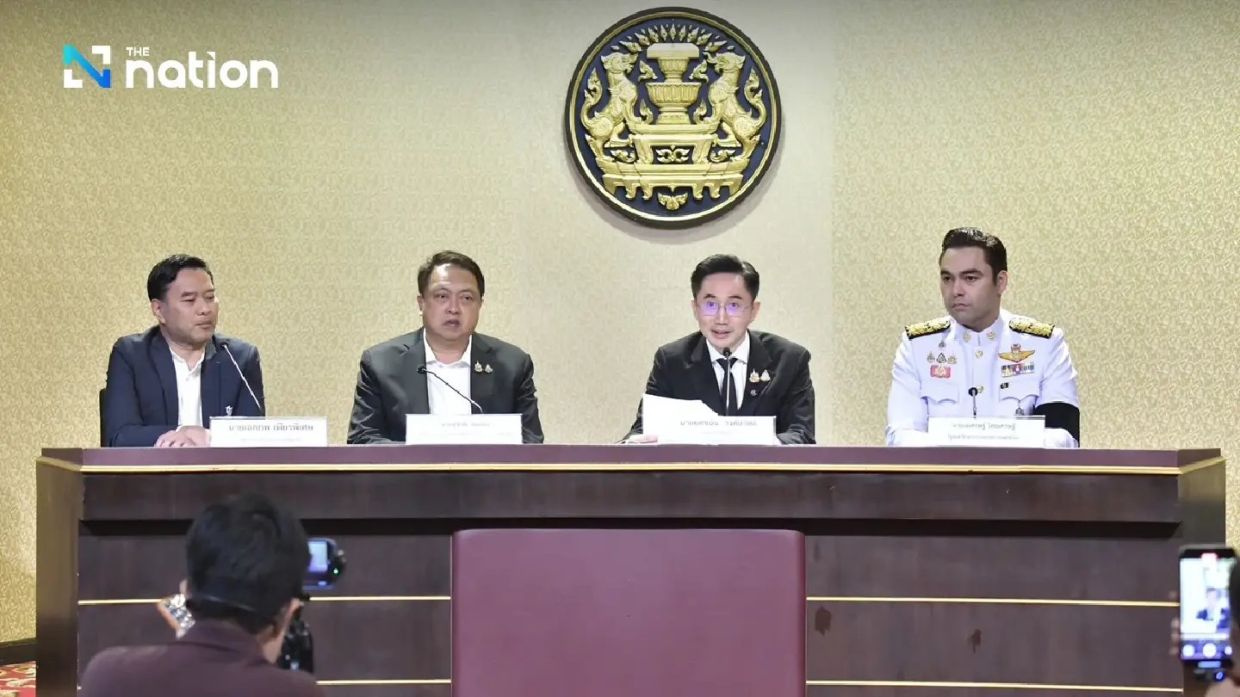
Deputy Prime Minister Yodchanan Wongsawat announced the planned restrictions, stating they would be implemented through mechanisms under the National Security Council. The Ministry of Industry and Ministry of Commerce will review regulations to establish controls while considering economic impacts. These measures are intended to strengthen Thailand's position in addressing cross-border pollution and ensuring access to clean water.
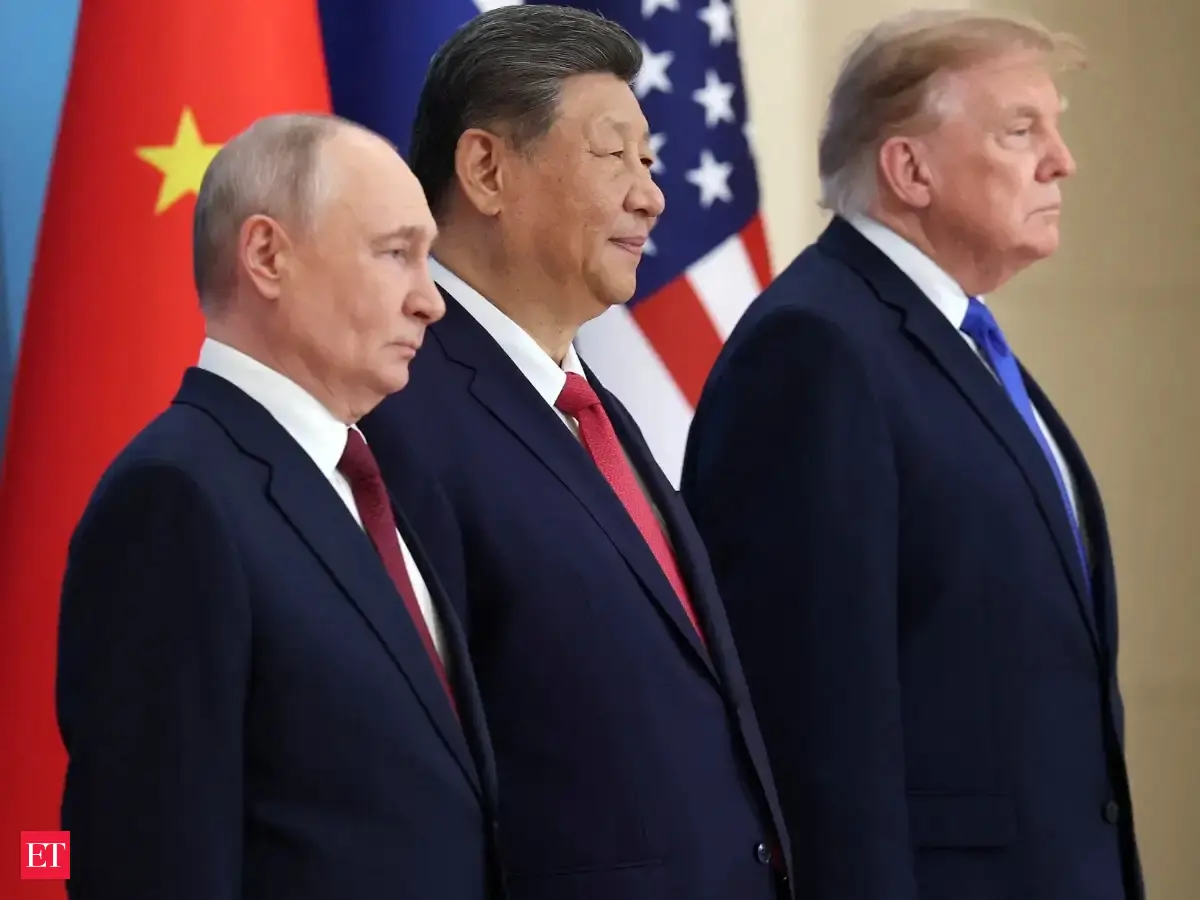
The government has scheduled discussions with China and Myanmar for November 24-26. Thailand's Permanent Secretary for Natural Resources and Environment will participate in working-level meetings to identify and address upstream pollution sources. Chinese President Xi Jinping has acknowledged Thailand's concerns and expressed willingness to cooperate. Yodchanan also plans to visit Chiang Rai to coordinate agency efforts and meet with affected communities and protest groups.
Further measures include the planned declaration of a pollution control zone on December 2, aimed at enhancing environmental monitoring and management. The Ministry of Natural Resources and Environment and provincial authorities are also developing a colour-coded pollution risk map, expected by December 15, to classify areas based on contamination levels. The government is also expanding testing of agricultural produce, drinking water, and food for contaminants.
Disagreement on arsenic levels
The Star Kuala Lumpur reported that arsenic levels in the Kok and Sai rivers have risen significantly, up to 30 times the Thai standard. Free Malaysia Today News and vietnamplus.vn also stated that arsenic levels have surged to as much as 30 times the Thai standard. However, The Star Kuala Lumpur's full report also noted that proactive checks of rice had not identified the contamination problems feared by the public.
What the coverage left out
None of the centre-rated digests mentioned the planned pollution control zone or the pollution risk map. None of the right-rated digests mentioned the planned pollution control zone or the pollution risk map. No left-rated outlet ran this story at all.
How each side covered it
Our own reading of the reporting listed below, written from the outlets’ articles rather than quoted from them. The reasoning is set out on our methodology page.
Left
We hold no leaning breakdown for this story, so there is nothing to report about the left.
Centre
- Centre-rated reports led with Thailand's plan to stop exporting chemicals used in rare-earth mining to Myanmar due to cross-border pollution concerns. Reuters, WTVB, Market Screener, and Bloomberg all highlighted this intention. Bloomberg also noted that Thailand would work with China and Myanmar in addressing the pollution.
Right
- Right-rated reports focused on Thailand's plan to ban exports and transit of chemicals used in rare-earth mining and processing, citing concerns over toxic river pollution. The Star Kuala Lumpur detailed the government's multi-faceted approach, including ministerial talks with China and Myanmar, a planned pollution control zone, and a risk map. Free Malaysia Today News and Bangkok Post also mentioned the ban on exports to Myanmar. Bangkok Post's headline noted that public confidence remained low despite the plan. Thairath.co.th reported on the Pheu Thai Party's measures, including banning mining raw material exports to Myanmar and creating pollution control zones.
Questions about this coverage
- Is the coverage of Thailand to Ban Rare Earth Chemical Exports Amid River Pollution biased?
- Thailand to Ban Rare Earth Chemical Exports Amid River Pollution is one event reported by several outlets, and this page does not rate the story as biased or unbiased. What it publishes is the spread: which outlets ran it, where named rating organisations place each of them on the spectrum, and what each side chose to lead with. A leaning rating describes an outlet's record over time, not this article, and the two should not be run together.
- What is Thailand planning to do about river pollution?
- Thailand plans to ban the export and transit of chemicals used in rare-earth mining and processing. The government will also establish a pollution control zone and create a pollution risk map. Ministerial discussions with China and Myanmar are scheduled to address pollution at its source.
- What are the main concerns driving these measures?
- The primary concern is the significant rise in arsenic levels in the Kok and Sai rivers, which have reached up to 30 times the Thai standard. This pollution is believed to be linked to rare-earth mining and processing activities.
- When will Thailand hold discussions with China and Myanmar?
- Ministerial-level discussions with representatives from China and Myanmar are scheduled to take place from November 24 to November 26. Further working-level meetings will follow to identify and address upstream pollution sources.
Read it at the source
14 outlets, grouped by the leaning a published rating gives them. Every headline links to the original; an underlined outlet name opens our profile of that publisher.
Left
0No outlet in this group ran the story.
Centre
4- Thailand plans to block exports of chemicals used in Myanmar rare earth mining (opens Reuters in a new tab)
- Thailand plans to block exports of chemicals used in Myanmar rare earth mining (opens WTVB in a new tab)
- Thailand plans to block exports of chemicals used in Myanmar rare earth mining (opens Market Screener in a new tab)
Market Screener — is Market Screener biased? Our profile of this outlet
- Thailand Plans to Ban Exports of Chemicals as It Tackles Pollution (opens Bloomberg in a new tab)
Right
5- Thailand plans to block exports of chemicals used in Myanmar rare earth mining (opens The Straits Times in a new tab)
The Straits Times — is The Straits Times biased? Our profile of this outlet
- Thailand plans to ban exports of chemicals as it tackles pollution (opens Free Malaysia Today News in a new tab)
Free Malaysia Today News — is Free Malaysia Today News biased? Our profile of this outlet
- River-arsenic control plan advances, public confidence low (opens Bangkok Post in a new tab)
Bangkok Post — is Bangkok Post biased? Our profile of this outlet
- Deputy Spokesperson of the Pheu Thai Party Takes Drastic Measures, Prohibiting the Export of Mining Raw Materials to Myanmar. (opens thairath.co.th in a new tab)
thairath.co.th — is thairath.co.th biased? Our profile of this outlet
- Thailand targets toxic river pollution with rare-earth chemical restrictions and new safety measures (opens The Star Kuala Lumpur in a new tab)
The Star Kuala Lumpur — is The Star Kuala Lumpur biased? Our profile of this outlet
Not rated
5- Thailand Plans to Ban the Export of Chemicals Used in Rare Earth Mining to Prevent Pollution. (opens vietnamplus.vn in a new tab)
vietnamplus.vn — is vietnamplus.vn biased? Our profile of this outlet
- War on Pollution Declared; Ban on Exports of Rare Earth Precursors Imminent; Control Measures Planned for 150 Km of the Kok River. (opens Unknown in a new tab)
Unknown
- Thailand targets toxic river pollution with rare-earth chemical restrictions and new safety measures (opens The Nation Thailand in a new tab)
The Nation Thailand — is The Nation Thailand biased? Our profile of this outlet
- "Yotsanan" Orders the Interception of Rare Earth Mineral Precursors Destined for Myanmar, Tackling Transboundary Water Pollution. (opens kaohoon.com in a new tab)
kaohoon.com — is kaohoon.com biased? Our profile of this outlet
- Yotchanan Revealed that the Government Has Declared War on Pollution, Addressing the Problem of Toxic Substances in Water Sources, and Implementing Measures From the National Security Council to Prohibit the Export and Transit of Rare Earth Precursors. (opens Unknown in a new tab)
Unknown
How did this read?
About the coverage, not about the story. We do not ask whether you agree with what happened — we have no honest use for that answer.