Trump does not dismiss declaring national emergency to change election rules
President responds to suggestion he bypass Congress to enforce voter ID and proof-of-citizenship requirements
AI-assisted coverage comparison, editor-supervised · How this was made

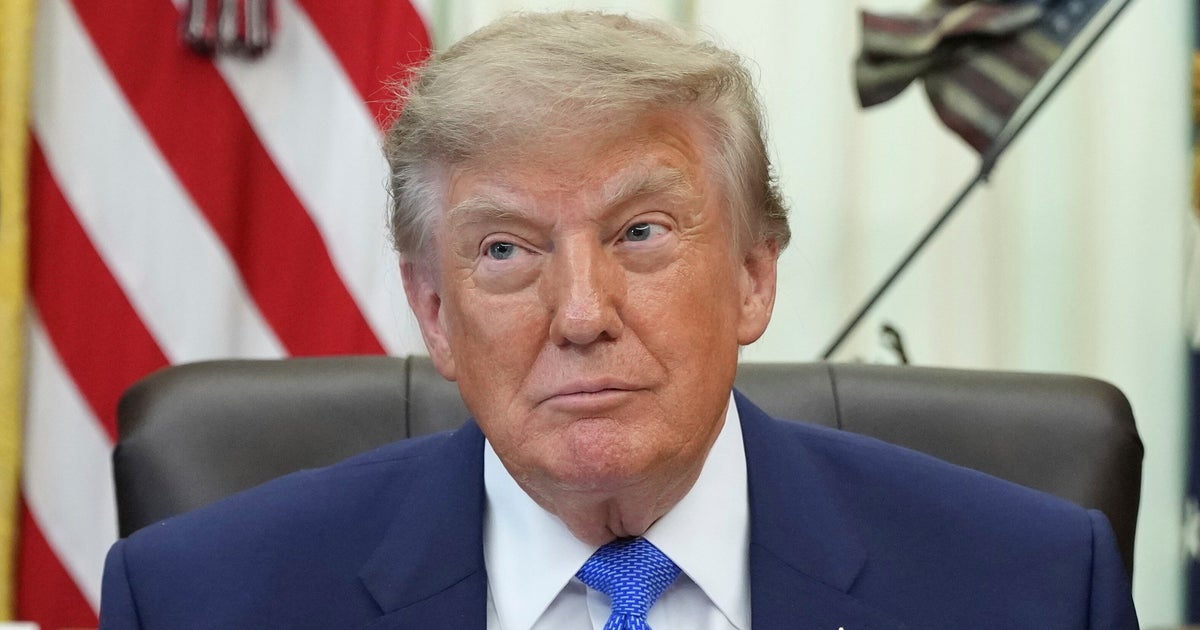
President Donald Trump did not dismiss the idea of declaring a national security emergency around elections to impose new requirements before the midterms (Getty)
Photograph: The Independent (embedded from source)
What this story says
- Donald Trump told Wayne Allyn Root he would not dismiss declaring a national security emergency to enforce voter ID and proof-of-citizenship requirements for federal elections.
- Legal experts, including the Center for American Progress, say no federal executive official has the authority to change federal election rules.
- Trump has repeatedly claimed, without evidence, that U.S. elections are vulnerable to widespread fraud, a claim courts have rejected.
- The SAVE Act, which would impose the requirements Trump supports, has not passed Congress.
Who covered it
Percentages are shares of the 64 outlets carrying a published leaning rating. 7 of the 71 outlets we know ran this story carry no rating and are not counted in them. Coverage measured .
Trust
54/100
Craft
95/100
Hype
35/100
71 sources · methodology
Missing from the right
Only 14 of the 64 outlets with a published leaning rating that ran this story are rated right.
A reader who follows the right would not have seen this. We report the absence rather than explain it: outlets choose what to cover for many reasons, and we have no evidence about which one applies here.
President Donald Trump did not reject the idea of declaring a national security emergency to enforce voter ID, proof-of-citizenship requirements, and restrictions on mail-in ballots for federal elections. During an interview with Wayne Allyn Root on Real America’s Voice, Root suggested Trump could bypass Congress by declaring such an emergency. Trump responded, “Let me just say that stranger things have happened, OK. I’ll leave it at that.”
Root claimed a national security emergency could only be overturned by a two-thirds vote in both the House and Senate. He argued that if Trump declared one within a month, it would enforce photo ID, proof of citizenship, and limits on mail-in ballots. The Center for American Progress reported in March 2026 that no federal executive official has the authority to alter federal election rules. The U.S. Constitution grants that power to Congress.
Trump has long asserted, without evidence, that U.S. elections are susceptible to widespread fraud. Courts have blocked his previous attempts to enforce similar measures, including an executive order directing states to create lists of eligible citizens for voter rolls. A federal appeals court ruled that the order involved “unprecedented levels of involvement by federal officials in how states administer elections.” The Supreme Court is currently considering whether to allow Trump to restrict mail-in voting.
What the coverage left out
No centre- or right-rated outlet ran this story at all. None of the left-rated reports mentioned that the Supreme Court is currently considering whether to allow Trump to restrict mail-in voting, though The Independent reported that the administration had asked the court to do so. The digests did not carry the detail that courts have previously blocked Trump’s attempts to enforce similar measures.
Coverage settled. We checked this 28 times and stopped on 17 Aug 2026, 07:00. The figures above are what it finished at.
How other outlets pictured it
Which photograph to run is each newsroom’s own choice. The leaning beside a name is that outlet’s published rating, not a claim that the pictures divide along it. Every picture is shown from the outlet’s own server and links to the article it ran in.
How each side covered it
Our own reading of the reporting listed below, written from the outlets’ articles rather than quoted from them. The reasoning is set out on our methodology page.
Left
28 rated outlets
- All six left-rated reports led on Trump’s refusal to dismiss the idea of declaring a national emergency to change election rules. The Independent and HuffPost, whose full reports are printed below, both quoted Trump’s remark that “stranger things have happened” and Root’s suggestion that a national emergency could bypass Congress. The Independent noted that legal experts, including the Center for American Progress, say no president has the authority to change election laws unilaterally.
- HuffPost described Root as a “conspiracy theorist” and noted that MAGA activists have circulated a draft executive order accusing China of interfering in the 2020 election as a pretext for declaring an emergency. The outlet quoted a former Defense Department special counsel calling the plan a “madcap” scheme. The Independent and HuffPost both reported that Trump has repeatedly claimed, without evidence, that elections are vulnerable to fraud.
- The digests from Common Dreams, Raw Story, and The New Republic also carried Trump’s remark that “stranger things have happened.” Raw Story’s digest mentioned a warning from a former Trump administration official about a potential “midterm plot” involving “ballot-snatchers,” though it did not link the warning directly to the national emergency proposal. The New Republic’s digest described the plan as “dystopian.”
Centre
22 rated outlets
We have not written our reading of the centre coverage of this story. The centre-rated outlets that ran it are listed below.
Right
14 rated outlets
We have not written our reading of the right coverage of this story. The right-rated outlets that ran it are listed below.
Questions about this coverage
- How did the left and right cover Trump does not dismiss declaring national emergency to change election…?
- Of the 64 outlets on this story carrying a published leaning rating, 44% are rated left, 34% are rated centre, 22% are rated right. Those percentages are shares of the rated outlets, not of every outlet that ran it, which was 71. The sections above set out what each side emphasised, in its own terms.
- Is Trump does not dismiss declaring national emergency to change election… left or right?
- Neither side dominates it. Of the 64 rated outlets on this story, 44% are rated left, 34% are rated centre, 22% are rated right, and no side holds the 70% this site would want before calling a field one-sided. A story is not left or right in any case; the outlets that carried it are what carry ratings.
- Is the coverage of Trump does not dismiss declaring national emergency to change election… biased?
- Trump does not dismiss declaring national emergency to change election rules is one event reported by 71 outlets, and this page does not rate the story as biased or unbiased. What it publishes is the spread: which outlets ran it, where named rating organisations place each of them on the spectrum, and what each side chose to lead with. A leaning rating describes an outlet's record over time, not this article, and the two should not be run together.
- Which side is not reporting Trump does not dismiss declaring national emergency to change election…?
- When we first saw this story, outlets rated right had barely covered it. Coverage accretes for hours after an event, so that is where to look rather than a verdict — the split above is the current count, and it is the one to read.
- Which outlets covered Trump does not dismiss declaring national emergency to change election…?
- 71 that we know of, every one of them listed further up this page with a link to its own report and to what we hold on the publisher. Nothing here is a summary of somebody else's summary: the outlets are named so the original reporting can be read.
- What did Trump say about declaring a national emergency for elections?
- Trump told Wayne Allyn Root he would not dismiss the idea, saying, “Let me just say that stranger things have happened, OK. I’ll leave it at that.” Root had suggested Trump declare a national security emergency to enforce voter ID and proof-of-citizenship requirements for federal elections. Legal experts say no president has the authority to change election laws unilaterally.
- Can a U.S. president change election rules without Congress?
- No. The Center for American Progress reported in March 2026 that no federal executive official has the authority to alter federal election rules. The U.S. Constitution grants that power to Congress. Courts have blocked Trump’s previous attempts to enforce similar measures, including an executive order directing states to create lists of eligible citizens for voter rolls.
- What is the SAVE Act?
- The SAVE Act is a bill that would require Americans to prove their citizenship upon registering to vote and to show photo ID to vote in federal elections. Trump supports the bill, but it has not passed Congress. Wayne Allyn Root suggested Trump bypass Congress by declaring a national emergency to enforce its provisions.
Read it at the source
71 outlets, grouped by the leaning a published rating gives them. Every headline links to the original; an underlined outlet name opens our profile of that publisher.
Left
28- Trump administration tells state officials it will offer some election security aid it slashed (opens NBC News in a new tab)
- ‘Pay attention’: Trump’s response to ‘national emergency’ idea has people concerned (opens indy100- Independent in a new tab)
indy100- Independent — is indy100- Independent biased? Our profile of this outlet
- CNN: Trump Does Not Rule Out the Possibility of Declaring a State of Emergency (opens Dnevni list Danas in a new tab)
Dnevni list Danas — is Dnevni list Danas biased? Our profile of this outlet
- Never Underestimate a Cornered Rat: Trump’s Election Plot Is Taking Shape (opens The Hartmann Report in a new tab)
The Hartmann Report — is The Hartmann Report biased? Our profile of this outletOpinion
- Trump Opens the Door to a National Emergency to Intervene in the 2026 Elections (opens La Opinion in a new tab)
La Opinion — is La Opinion biased? Our profile of this outletOpinion
- Interim Elections in the USA: Court Stops Trump's Postal Election Plans Across the Country (opens Zeit Online in a new tab)
Zeit Online — is Zeit Online biased? Our profile of this outlet
- ‘Whoa!’ MS NOW Host Stunned When Trump Floats Declaring a National Emergency To Take Over Elections (opens Mediaite in a new tab)
- ‘Stranger things have happened’: Trump coy on calling midterm-elections emergency (opens Stuff in a new tab)
Show 20 more
- TRUMP MULLS Declaring a National Emergency to Rig Elections, Says ‘Stranger Things Have Happened’ (opens Daily Kos in a new tab)
- Trump Mulls Declaring a National Emergency to Rig Elections, Says ‘Stranger Things Have Happened’ (opens News Corpse in a new tab)
News Corpse — is News Corpse biased? Our profile of this outlet
- Trump doesn't dismiss declaring national emergency to restrict voting (opens USA Today in a new tab)
- Trump doesn’t rule out ‘national security emergency for elections’ floated by far-right host (opens The Real News in a new tab)
The Real News — is The Real News biased? Our profile of this outlet
- Trump Seems To Be Entertaining An Alarming Pitch To Take Over The Midterms (opens Buzzfeed in a new tab)
- Trump: I May Declare Emergency To Seize Elections (opens Joe.My.God. in a new tab)
Joe.My.God. — is Joe.My.God. biased? Our profile of this outlet
- ‘Stranger things have happened’: Trump coy on calling midterm-elections emergency (opens Brisbane Times in a new tab)
Brisbane Times — is Brisbane Times biased? Our profile of this outlet
- ‘Stranger things have happened’: Trump coy on calling midterm-elections emergency (opens The Age in a new tab)
- ‘Stranger things have happened’: Trump coy on calling midterm-elections emergency (opens Sydney Morning Herald in a new tab)
Sydney Morning Herald — is Sydney Morning Herald biased? Our profile of this outlet
- Trump declines to rule out declaring a national security emergency to control the 2026 election (opens CNN in a new tab)
- No, INS v. Chadha Does Not Give Trump the Right to Declare a National Emergency and Impose Election Rules Like Voter ID Requirements, Nor Does Trump Have the Power to Take Over Elections with Any Declaration. Period. #ELB (opens electionlawblog.org in a new tab)
electionlawblog.org — is electionlawblog.org biased? Our profile of this outletOpinion
- Trump doesn’t deny a possible federal takeover of elections (opens The Independent (US) in a new tab)
The Independent (US) — is The Independent (US) biased? Our profile of this outlet
- Trump Doesn't Rule Out 'National Security Emergency for Elections' Floated by Far-Right Host (opens Common Dreams in a new tab)
Common Dreams — is Common Dreams biased? Our profile of this outlet
- Trump says "stranger things have happened" after Wayne Allyn Root pitches his national security emergency idea on elections directly to him (opens Media Matters for America in a new tab)
Media Matters for America — is Media Matters for America biased? Our profile of this outlet
- Trump doesn’t deny a possible federal takeover of elections (opens The Independent in a new tab)
The Independent — is The Independent biased? Our profile of this outlet
- Trump’s scheme to steal the midterms will lose in court. That’s 'by design' (opens Alternet in a new tab)
Alternet — is Alternet biased? Our profile of this outletOpinion
- Ex-DHS official floats disturbing theory for Trump midterm heist: ‘Chaos-by-design’ (opens Raw Story in a new tab)
- Trump Is Entertaining An Alarming Pitch To Take Over The Midterms (opens HuffPost in a new tab)
- MAGA's Election-Rigging Fantasy Just Got A Wink From Trump Himself (opens Crooks and Liars in a new tab)
Crooks and Liars — is Crooks and Liars biased? Our profile of this outletOpinion
- Trump Openly Mulls Dystopian Plan for Stealing the Midterm Elections (opens The New Republic in a new tab)
The New Republic — is The New Republic biased? Our profile of this outlet
Centre
22- Trump considers declaring national emergency to implement vote restrictions (opens Audacy in a new tab)
- 'Stranger things have happened': Trump did not rule out asserting emergency control over the 2026 midterms (opens Attack of the Fanboy in a new tab)
Attack of the Fanboy — is Attack of the Fanboy biased? Our profile of this outlet
- Trump doesn't dismiss declaring national emergency to restrict voting (opens Tucson in a new tab)
- Trump on declaring national security emergency for elections: 'Stranger things have happened' (opens MYSTATELINE in a new tab)
MYSTATELINE — is MYSTATELINE biased? Our profile of this outlet
- Trump doesn't dismiss declaring national emergency to restrict voting (opens The Detroit News in a new tab)
The Detroit News — is The Detroit News biased? Our profile of this outlet
- Trump on declaring national security emergency for elections: 'Stranger things have happened' (opens KHON2 in a new tab)
- Trump on declaring national security emergency for elections: 'Stranger things have happened' (opens WSPA in a new tab)
- Donald Trump Just Left One Very Big Door Open for the 2026 Midterms (opens Mandatory in a new tab)
Show 14 more
- Trump declines to rule out declaring a national security emergency to control the 2026 election (opens Egypt Independent in a new tab)
Egypt Independent — is Egypt Independent biased? Our profile of this outlet
- Trump Refuses to Rule Out a National Security Emergency Declaration to Control the 2026 Election (opens kioncentralcoast.com in a new tab)
kioncentralcoast.com — is kioncentralcoast.com biased? Our profile of this outlet
- Trump Refuses to Rule Out a National Security Emergency Declaration to Control the 2026 Election (opens KEZI 9 News in a new tab)
KEZI 9 News — is KEZI 9 News biased? Our profile of this outlet
- Trump Refuses to Rule Out a National Security Emergency Declaration to Control the 2026 Election (opens WXOW in a new tab)
- Trump Refuses to Rule Out a National Security Emergency Declaration to Control the 2026 Election (opens Local 3 News in a new tab)
Local 3 News — is Local 3 News biased? Our profile of this outlet
- Trump Refuses to Rule Out a National Security Emergency Declaration to Control the 2026 Election (opens KEYT in a new tab)
- Trump Refuses to Rule Out a National Security Emergency Declaration to Control the 2026 Election (opens KIFI in a new tab)
- Trump Refuses to Rule Out a National Security Emergency Declaration to Control the 2026 Election (opens KRDO in a new tab)
- Trump Refuses to Rule Out a National Security Emergency Declaration to Control the 2026 Election (opens KESQ in a new tab)
- Trump Refuses to Rule Out a National Security Emergency Declaration to Control the 2026 Election (opens KVIA in a new tab)
- Trump doesn't dismiss declaring national emergency to restrict voting (opens The Columbus Dispatch in a new tab)
The Columbus Dispatch — is The Columbus Dispatch biased? Our profile of this outlet
- Trump doesn't dismiss declaring national emergency to restrict voting (opens Indy Star in a new tab)
- Trump hints at possible next election plan: ‘Stranger things have happened’ (opens Cleveland in a new tab)
- Exchange of the Day (opens Political Wire in a new tab)
Political Wire — is Political Wire biased? Our profile of this outlet
Right
14- The Doomers Can’t Deny Trump’s Big Wins (opens Townhall in a new tab)
Townhall — is Townhall biased? Our profile of this outletOpinion
- WAYNE ROOT: Liberal Media Goes Insane with Rage Over My Idea for “National Security Emergency for Elections.” My Response: Scream & Attack All You Want. You Can’t Stop It. It’s Foolproof. Here are the Facts. * The Gateway Pundit * by Wayne Allyn Root (opens The Gateway Pundit in a new tab)
The Gateway Pundit — is The Gateway Pundit biased? Our profile of this outletOpinion
- Trump has media and left panicking over election national emergency threat (opens Conservative Review in a new tab)
Conservative Review — is Conservative Review biased? Our profile of this outletOpinion
- Trump has media and left panicking over election national emergency threat (opens The Blaze in a new tab)
The Blaze — is The Blaze biased? Our profile of this outletOpinion
- President Trump Addresses Possibility Of Declaring Emergency Ahead Of Midterms – 100PercentFedUp.com – by Russell (opens 100% FED UP! in a new tab)
100% FED UP! — is 100% FED UP! biased? Our profile of this outlet
- Trump floats a dramatic move involving the midterms — and critics are already sounding alarms (opens Bizpac Review in a new tab)
Bizpac Review — is Bizpac Review biased? Our profile of this outlet
- Trump floats a dramatic move involving the midterms — and critics are already sounding alarms · American Wire News (opens American Wire News in a new tab)
American Wire News — is American Wire News biased? Our profile of this outlet
- Trump Does Not Rule Out the Possibility of Declaring a 'State of Emergency' Ahead of Midterm Elections (opens 연합뉴스-Yonhap News Agency in a new tab)
연합뉴스-Yonhap News Agency — is 연합뉴스-Yonhap News Agency biased? Our profile of this outlet
Show 6 more
- Interim Elections in the USA: Court Stops Trump's Postal Election Plans Across the Country (opens Handelsblatt in a new tab)
Handelsblatt — is Handelsblatt biased? Our profile of this outlet
- Trump considers possible national emergency to push voter ID and citizenship rules (opens The News in a new tab)
- Trump on Potential Emergency Declaration for Midterms: 'Stranger Things Have Happened' (opens Breitbart in a new tab)
- Trump Accuses California Of Election Fraud (opens WABC in a new tab)
- Trump issues vague response to proposed plot to disrupt midterm elections (opens Newsweek in a new tab)
- Trump Admin NOW Has Power to Secure U.S. Elections (opens ussanews.com in a new tab)
ussanews.com — is ussanews.com biased? Our profile of this outlet
Not rated
7- Democrats in denial about Trump cult election infiltration (opens MASSIVE.NEWS in a new tab)
MASSIVE.NEWS — is MASSIVE.NEWS biased? Our profile of this outletOpinion
- Trump Does Not Rule Out a National Security Emergency for the Mid-Term Elections (opens Moncloa in a new tab)
- Trump doesn't rule out using 'national emergency' to steal midterms (opens The Strident Conservative ™ in a new tab)
The Strident Conservative ™
- Donald Trump Teases Election Emergency as Midterms Loom: Stranger Things Have Happened (opens wokespy.com in a new tab)
wokespy.com — is wokespy.com biased? Our profile of this outlet
- Trump on Potential Emergency Declaration for Midterms: ‘Stranger Things Have Happened’ (opens Restoring Liberty in a new tab)
Restoring Liberty — is Restoring Liberty biased? Our profile of this outlet
- Trump Openly Considers a Dystopian Plan to Steal the Midterm Elections (Eng) (opens meneame.net in a new tab)
meneame.net — is meneame.net biased? Our profile of this outlet
- Trump Is Suggesting a State of Emergency because of the Election: "Weirder Things Have happened." (opens القدس العربي in a new tab)
القدس العربي
How did this read?
About the coverage, not about the story. We do not ask whether you agree with what happened — we have no honest use for that answer.