UN committee: Countries must consider slave trade reparations
Guidance links obligation to 1965 convention on racial discrimination
AI-assisted coverage comparison, editor-supervised · How this was made

UN committee: Countries must consider slave trade reparations
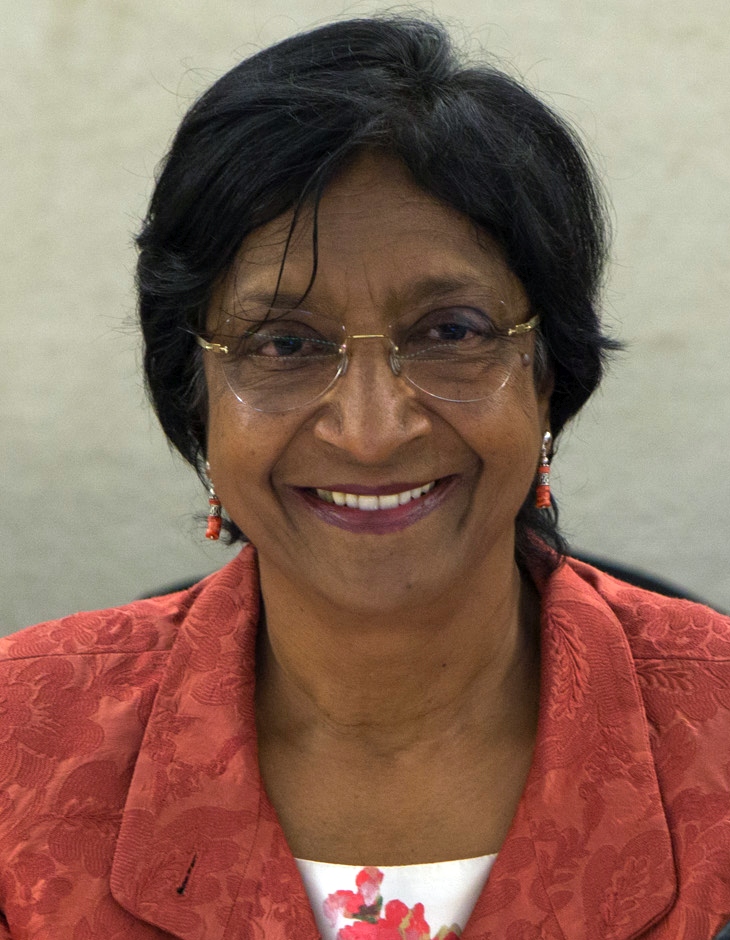
Photograph: The Hindu (embedded from source)
What this story says
- Countries are legally obliged to consider reparations for the transatlantic slave trade, according to a UN committee.
- The obligation arises from a 1965 convention on racial discrimination, not from laws at the time of the slave trade.
- The committee suggests measures beyond financial compensation, such as opening archives and revising memorials.
- At least 12.5 million Africans were taken and sold between the 15th and 19th centuries.
Who covered it
Percentages are shares of the 37 outlets carrying a published leaning rating. 36 of the 73 outlets we know ran this story carry no rating and are not counted in them. Coverage measured .
Trust
50/100
Craft
58/100
Hype
20/100
73 sources · methodology
Missing from the left
Only 6 of the 37 outlets with a published leaning rating that ran this story are rated left.
A reader who follows the left would not have seen this. We report the absence rather than explain it: outlets choose what to cover for many reasons, and we have no evidence about which one applies here.
A United Nations committee has stated that countries are legally obliged to consider reparations for the transatlantic slave trade. The guidance, published on August 31, 2026, by the Committee on the Elimination of Racial Discrimination, asserts that this obligation stems from current international law, specifically a legally binding 1965 convention on racial discrimination. The committee argues that states remain responsible under present international obligations to address the continuing effects of slavery and racial discrimination.
The guidance suggests that transformative measures are needed beyond financial compensation. These include opening archives, revising public memorials, and establishing independent truth commissions. The committee described its approach as a "paradigm shift" away from debates about historical responsibility, which have often been used by governments to resist reparations claims. The committee expert Pela Boker-Wilson told Reuters that states are being called upon to take concrete and meaningful action to affirm the dignity of those whose suffering was denied or minimised.
Disagreement on convention year
The Committee on the Elimination of Racial Discrimination stated that the obligations arise from a legally binding 1965 convention on racial discrimination, according to The Hindu and Jerusalem Post. However, Business Daily reported that the UN Committee against Racial Discrimination is calling on states to provide compensation based on a new interpretation of the 1969 International Convention.
What the coverage left out
None of the right-rated digests mention the committee expert Pela Boker-Wilson or her call for concrete action. None of the centre-rated digests mention the specific figure of 12.5 million Africans taken and sold between the 15th and 19th centuries, nor do they mention the committee's suggestion of opening archives or revising memorials.
Coverage settled. We checked this 17 times and stopped on 5 Sept 2026, 11:00. The figures above are what it finished at.
How each side covered it
Our own reading of the reporting listed below, written from the outlets’ articles rather than quoted from them. The reasoning is set out on our methodology page.
Left
6 rated outlets
- The Hindu, the sole left-rated report, led on the UN committee's statement that countries are legally obliged to consider reparations for the transatlantic slave trade. It reported that the obligation arises from a legally binding 1965 convention on racial discrimination and that states remain responsible under current international obligations to tackle the continuing effects of slavery. The Hindu also noted that the committee suggested transformative measures beyond financial compensation, such as opening archives and revising memorials, and quoted committee expert Pela Boker-Wilson calling for concrete and meaningful action.
Centre
10 rated outlets
- The centre-rated reports from Jerusalem Post, WTVB, and Euronews all highlighted that a UN committee stated countries must consider reparations for the slave trade. They noted that the obligation stems from a legally binding 1965 convention on racial discrimination, as reported by Jerusalem Post. Euronews added that the document, published on Monday, is expected to provide a powerful new tool supporting reparations claims. WTVB, citing Reuters, also mentioned that countries must take other measures to address the enduring legacy of racial discrimination.
Right
21 rated outlets
- The right-rated reports from India Today, Globo, The Straits Times, Malay Mail, and Free Malaysia Today News focused on the UN committee's assertion that countries are legally obliged to consider reparations for the transatlantic slave trade. India Today stated the duty stems from present obligations to address structural racial inequality, not historical legality. Globo reported that states must repair damage caused by direct or indirect involvement in the trade. The Straits Times and Malay Mail noted the obligation to work to redress harms caused by slavery and its continuing consequences. Free Malaysia Today News also stated that countries must work to redress these harms.
Questions about this coverage
- How did the left and right cover UN committee: Countries must consider slave trade reparations?
- Of the 37 outlets on this story carrying a published leaning rating, 16% are rated left, 27% are rated centre, 57% are rated right. Those percentages are shares of the rated outlets, not of every outlet that ran it, which was 73. The sections above set out what each side emphasised, in its own terms.
- Is UN committee: Countries must consider slave trade reparations left or right?
- Neither side dominates it. Of the 37 rated outlets on this story, 16% are rated left, 27% are rated centre, 57% are rated right, and no side holds the 70% this site would want before calling a field one-sided. A story is not left or right in any case; the outlets that carried it are what carry ratings.
- Is the coverage of UN committee: Countries must consider slave trade reparations biased?
- UN committee: Countries must consider slave trade reparations is one event reported by 73 outlets, and this page does not rate the story as biased or unbiased. What it publishes is the spread: which outlets ran it, where named rating organisations place each of them on the spectrum, and what each side chose to lead with. A leaning rating describes an outlet's record over time, not this article, and the two should not be run together.
- Which side is not reporting UN committee: Countries must consider slave trade reparations?
- When we first saw this story, outlets rated left had barely covered it. Coverage accretes for hours after an event, so that is where to look rather than a verdict — the split above is the current count, and it is the one to read.
- Which outlets covered UN committee: Countries must consider slave trade reparations?
- 73 that we know of, every one of them listed further up this page with a link to its own report and to what we hold on the publisher. Nothing here is a summary of somebody else's summary: the outlets are named so the original reporting can be read.
- What is the UN committee's main finding on reparations for the slave trade?
- A UN committee has stated that countries are legally obliged to consider reparations for the transatlantic slave trade. This obligation arises from current international law, specifically a 1965 convention on racial discrimination, and requires states to address the continuing effects of slavery.
- What measures does the UN committee suggest beyond financial compensation?
- The committee suggests transformative measures that go beyond financial compensation. These include opening archives, revising public memorials, and establishing independent truth commissions to address the legacy of the slave trade and racial discrimination.
- How many Africans were taken and sold during the slave trade?
- The committee noted that at least 12.5 million Africans were taken and sold between the 15th and 19th centuries. This period is described as the largest forced displacement in history.
Read it at the source
73 outlets, grouped by the leaning a published rating gives them. Every headline links to the original; an underlined outlet name opens our profile of that publisher.
Left
6- UN Committee holds states have legal duty to consider transatlantic slave trade reparations (opens JURIST in a new tab)
- A Historic Step at the United Nations... Requiring Countries to Compensate the Victims of the African Slave Trade. (opens aljazeera.net in a new tab)
aljazeera.net — is aljazeera.net biased? Our profile of this outlet
- UN panel urges states to confront slavery’s legacy with reparations (opens Africa News in a new tab)
Africa News — is Africa News biased? Our profile of this outlet
- Countries obligated to consider repatriation for transatlantic slave trade - UN Committee (opens Premium Times Nigeria in a new tab)
Premium Times Nigeria — is Premium Times Nigeria biased? Our profile of this outlet
- UN to Stabilit Că Rile Au Obligația Să Cântărească Will Agree to Despăgubiri Pentru Sclavie - HotNews.ro (opens Hot News in a new tab)
- U.N. committee says countries must consider reparations for slave trade (opens The Hindu in a new tab)
Centre
10- UK should erect 'African descent' statues to atone for slaves (opens dailymail.com in a new tab)
dailymail.com — is dailymail.com biased? Our profile of this outletOpinion
- U.N. panel says nations legally bound to weigh slavery reparations (opens The New York Ledger in a new tab)
The New York Ledger — is The New York Ledger biased? Our profile of this outlet
- Slavery: A UN Committee Advocates for Widespread Reparations (opens France24 in a new tab)
- Africa: UN Committee Presents Legal Case for Broad Slavery Reparations (opens allAfrica in a new tab)
- UN committee presents legal case for broad slavery reparations (opens Radio France Internationale in a new tab)
Radio France Internationale — is Radio France Internationale biased? Our profile of this outlet
- Countries must consider reparations for slave trade, UN committee says (opens South China Morning Post in a new tab)
South China Morning Post — is South China Morning Post biased? Our profile of this outlet
- UN committee says countries must consider reparations for slave trade (opens Jerusalem Post in a new tab)
Jerusalem Post — is Jerusalem Post biased? Our profile of this outlet
- UN committee says countries must consider reparations for slave trade (opens Reuters in a new tab)
Show 2 more
Right
21- UN Tells Britain: Build Statues of Africans to Atone for Slavery (opens The Daily Sceptic in a new tab)
The Daily Sceptic — is The Daily Sceptic biased? Our profile of this outletOpinion
- UN Committee Wants Countries to Implement Slavery Reparations (opens Le·gal In·sur·rec·tion in a new tab)
Le·gal In·sur·rec·tion — is Le·gal In·sur·rec·tion biased? Our profile of this outlet
- A UN Committee Says Governments Should Make Banks and Insurers Contribute Over Slavery (opens The Rio Times in a new tab)
The Rio Times — is The Rio Times biased? Our profile of this outlet
- U.N. panel says nations legally bound to weigh slavery reparations (opens Washington Times in a new tab)
Washington Times — is Washington Times biased? Our profile of this outlet
- UN pushes nations to consider slavery reparations but legal group says idea ‘not going to fly in the US’ (opens wfmd.com in a new tab)
- UN pushes nations to consider slavery reparations but legal group says idea 'not going to fly in the US' (opens Fox News in a new tab)
- U.N. Committee Calls for Reparations for People of African Descent, Says Cash Payments Alone Are Not Enough (opens [your]NEWS in a new tab)
[your]NEWS — is [your]NEWS biased? Our profile of this outlet
- U.N. Committee Says 182 Countries Must Consider Reparations for Transatlantic Slave Trade (opens 🔔 The Liberty Daily in a new tab)
🔔 The Liberty Daily — is 🔔 The Liberty Daily biased? Our profile of this outlet
Show 13 more
- U.N. Committee Says 182 Countries Must Consider Reparations for Transatlantic Slave Trade › American Greatness (opens American Greatness in a new tab)
American Greatness — is American Greatness biased? Our profile of this outlet
- United Nations Demands Americans Pay Slavery Reparations (opens Slay News in a new tab)
- United Nations Demands Slavery Reparations (opens American Faith in a new tab)
American Faith — is American Faith biased? Our profile of this outlet
- MichaelSavage.com – U.N. Demands Immediate Slavery Reparations for ‘People of African Descent (opens The Savage Nation in a new tab)
The Savage Nation — is The Savage Nation biased? Our profile of this outlet
- UN CERD Issues Broad Slavery Reparations Guidance (opens Independent Journal Review in a new tab)
Independent Journal Review — is Independent Journal Review biased? Our profile of this outlet
- UN: "Countries Directly or Indirectly Involved in Slave Trade Must Compensate for Damages to Descendants" (opens 연합뉴스-Yonhap News Agency in a new tab)
연합뉴스-Yonhap News Agency — is 연합뉴스-Yonhap News Agency biased? Our profile of this outletOpinion
- U.N. Demands Immediate Slavery Reparations for 'People of African Descent' (opens Breitbart in a new tab)
- Countries legally obliged to consider reparations for slave trade: UN panel (opens India Today in a new tab)
India Today — is India Today biased? Our profile of this outlet
- UN Says Countries Must Repair Damage Caused by Slavery and Transatlantic Trade (opens Globo in a new tab)
- UN committee presents legal case for broad slavery reparations (opens The Straits Times in a new tab)
The Straits Times — is The Straits Times biased? Our profile of this outlet
- UN Commission: Substantial Reparations After Role in Slave Trade (opens Reformatorisch Dagblad in a new tab)
Reformatorisch Dagblad — is Reformatorisch Dagblad biased? Our profile of this outlet
- UN committee presents legal case for broad slavery reparations (opens Malay Mail in a new tab)
Malay Mail — is Malay Mail biased? Our profile of this outlet
- UN committee presents legal case for broad slavery reparations (opens Free Malaysia Today News in a new tab)
Free Malaysia Today News — is Free Malaysia Today News biased? Our profile of this outlet
Not rated
36- UN Supports Call for Reparations for Slavery and Alert to the Persistence of Structural Racism (opens e-global.pt in a new tab)
e-global.pt — is e-global.pt biased? Our profile of this outlet
- UN Reiterates Support for Justice for People of African Descent (opens Aporrea in a new tab)
- UN Defines Relief Measures by the Effects of Enslavement (opens Mundo Negro in a new tab)
Mundo Negro — is Mundo Negro biased? Our profile of this outlet
- UN Committee says countries must consider reparations for transatlantic slave trade (opens GBC Ghana Online in a new tab)
GBC Ghana Online — is GBC Ghana Online biased? Our profile of this outlet
- Esclavage: UN Demands Reparations, Beyond Apologisations, Gabonreview.com (opens Gabonreview.com in a new tab)
Gabonreview.com — is Gabonreview.com biased? Our profile of this outletOpinion
- Ghana welcomes UN call for reparations over transatlantic slave trade (opens ghanamma.com in a new tab)
ghanamma.com — is ghanamma.com biased? Our profile of this outlet
- ‘Slavery Is Not A Thing Of The Past’: UN Supports Call For Reparations (opens Global Upfront Newspapers in a new tab)
Global Upfront Newspapers — is Global Upfront Newspapers biased? Our profile of this outlet
- Slavery Reparations, Turning Point of the UN Committee: States Asked for Concrete Measures for People of African Origin (opens Agenparl in a new tab)
Show 28 more
- UN Reiterates Support for Justice for People of African Descent (opens ipsnoticias.net in a new tab)
ipsnoticias.net — is ipsnoticias.net biased? Our profile of this outlet
- UN committee presents legal case for slave trade reparations (opens The New Times | Rwanda in a new tab)
The New Times | Rwanda — is The New Times | Rwanda biased? Our profile of this outlet
- The UN Committee Demanded that States Pay Compensation for the Transatlantic Slave Trade (opens NEWSru.co.il in a new tab)
NEWSru.co.il — is NEWSru.co.il biased? Our profile of this outlet
- The Legacy of Slavery: Beyond Apologies, the UN Calls for Concrete Reparations (opens Global Diaspora News in a new tab)
Global Diaspora News — is Global Diaspora News biased? Our profile of this outlet
- ‘Slavery is not a thing of the past’: UN supports call for reparations (opens UN News in a new tab)
- United Nations Imposes Financial Obligation on States to Compensate for Slavery (opens economiematin.fr in a new tab)
economiematin.fr — is economiematin.fr biased? Our profile of this outlet
- UN Says Countries Must Repair Damage Caused by Slavery and Transatlantic Trade (opens geledes.org.br in a new tab)
geledes.org.br — is geledes.org.br biased? Our profile of this outlet
- States Must Provide Extensive Compensation for Damages for Involvement in the Slave Trade (opens Dnevnik in a new tab)
- Ghana's agenda bearing fruit, UN committee says countries obliged to consider reparations for slave trade (opens Yen.com.gh in a new tab)
Yen.com.gh — is Yen.com.gh biased? Our profile of this outlet
- UN: "Countries Directly or Indirectly Involved in the Slave Trade Have an Obligation to Compensate Descendants for Damages" (opens asiae.co.kr in a new tab)
asiae.co.kr — is asiae.co.kr biased? Our profile of this outlet
- Countries linked to slave trade owe reparations – UN - The Press United (opens ThePress United in a new tab)
ThePress United — is ThePress United biased? Our profile of this outlet
- UN Committee Says Countries Need to Consider Repairs for Slave Trade (opens infomoney.com.br in a new tab)
infomoney.com.br — is infomoney.com.br biased? Our profile of this outlet
- Countries linked to slave trade owe reparations UN (opens argentinanews.net in a new tab)
argentinanews.net — is argentinanews.net biased? Our profile of this outlet
- Countries linked to slave trade owe reparations UN (opens argentinastar.com in a new tab)
argentinastar.com — is argentinastar.com biased? Our profile of this outlet
- Countries linked to slave trade owe reparations UN (opens southamericanews.net in a new tab)
southamericanews.net — is southamericanews.net biased? Our profile of this outlet
- Countries linked to slave trade owe reparations UN (opens ugandanews.net in a new tab)
ugandanews.net — is ugandanews.net biased? Our profile of this outlet
- UN Calls on States to Consider Compensation for Transatlantic Slave Trade (opens Mediafax in a new tab)
- UN Committee Defends Reparations for Slavery and Colonization of Africa (opens Terra in a new tab)
- Countries legally obliged to consider slavery reparations, says UN committee (opens online-listing.com in a new tab)
online-listing.com — is online-listing.com biased? Our profile of this outlet
- Africa: UN Committee Presents Legal Case for Broad Slavery Reparations (opens PressNewsAgency in a new tab)
PressNewsAgency — is PressNewsAgency biased? Our profile of this outlet
- UN committee says countries must consider reparations for slave trade (opens Sunday World in a new tab)
Sunday World — is Sunday World biased? Our profile of this outlet
- UN committee presents legal case for broad slavery reparations (opens sierraleonetimes.com in a new tab)
sierraleonetimes.com — is sierraleonetimes.com biased? Our profile of this outlet
- UN Panel States Countries Must Consider Reparations for Slave Trade (opens The CSR Journal in a new tab)
The CSR Journal — is The CSR Journal biased? Our profile of this outlet
- UN Resolution on Slave Trade: 'Countries Are Obligated to Assess Reparations' (opens anlatilaninotesi.com.tr in a new tab)
anlatilaninotesi.com.tr — is anlatilaninotesi.com.tr biased? Our profile of this outlet
- UN: Commission Proposes Compensation for Victims of Slave Trafficking (opens Business Daily in a new tab)
Business Daily — is Business Daily biased? Our profile of this outlet
- UN committee presents legal case for broad slavery reparations (opens AlKhaleej Today in a new tab)
AlKhaleej Today — is AlKhaleej Today biased? Our profile of this outlet
- UN committee says countries must consider reparations for slave trade (opens BizToc in a new tab)
- UN Commission Urges Countries to Study Reparations for Slave Trade · Global Voices (opens El Economista in a new tab)
El Economista — is El Economista biased? Our profile of this outlet
How did this read?
About the coverage, not about the story. We do not ask whether you agree with what happened — we have no honest use for that answer.