UN General Assembly elects 15 states to Human Rights Council
The vote was uncontested and human‑rights organisations condemned the election of several countries with poor rights records.
AI-assisted coverage comparison, editor-supervised · How this was made

UN General Assembly elects 15 states to Human Rights Council
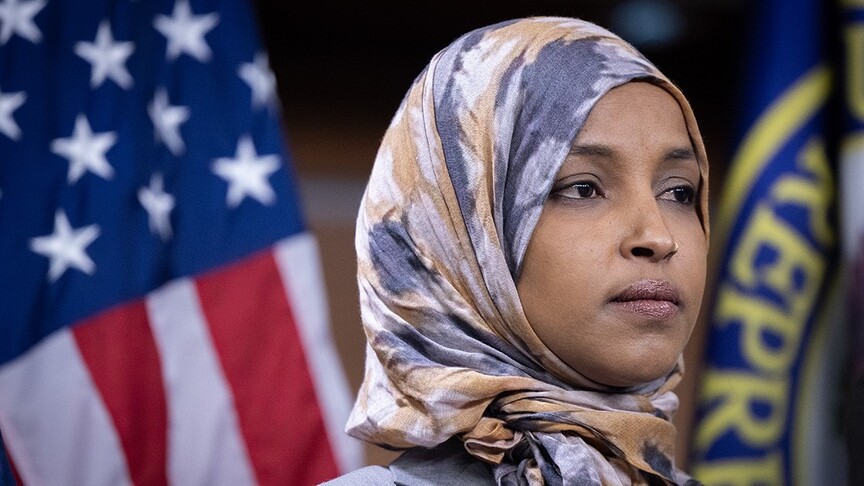
Photograph: The Korea Times (embedded from source)
What this story says
- The UN General Assembly chose 15 countries for the Human Rights Council without any competition.
- Human Rights Watch described the vote as a "mockery of the word election".
- The elected states include Zambia, Ghana, Nigeria, Burundi, Kuwait, Nepal, Jordan, Japan, Brazil, Dominican Republic, Uruguay, Ireland, Germany, Moldova and Ukraine.
- U.N. spokesman Stephane Dujarric said elected members have an added duty to protect human rights worldwide.
Who covered it
Percentages are shares of the 15 outlets carrying a published leaning rating. 3 of the 18 outlets we know ran this story carry no rating and are not counted in them. Coverage measured .
Trust
64/100
Craft
87/100
Hype
15/100
18 sources · methodology
Thin on the right so far
None of the 15 outlets with a published leaning rating that ran this story are rated right.
This story is still being watched, so it is a count and not yet a finding. Coverage keeps arriving for hours after an event, and a side that has published nothing this morning may publish by tonight. If it is still true when we stop checking, we will say so plainly.
On Tuesday, 29 July 2026, the 193‑member United Nations General Assembly voted to fill fifteen seats on the Human Rights Council. All seats were filled by the candidates put forward by the five regional groups, so no ballot was contested. The elected states were Zambia, Ghana, Nigeria and Burundi from Africa; Kuwait, Nepal, Jordan and Japan from Asia‑Pacific; Brazil, the Dominican Republic and Uruguay from Latin America and the Caribbean; Ireland and Germany from the Western group; and Moldova and Ukraine from Central and Eastern Europe.
Human Rights Watch director Louis Charbonneau said the uncompetitive vote "makes a mockery of the word ‘election’" and warned that countries with poor rights records should not be handed seats on the council without competition. He urged member nations to demand competitive slates that could reject candidates with abusive human‑rights conditions.
U.N. spokesman Stephane Dujarric responded that member states elected to the council acquire an added responsibility to protect human rights not only at home but also as strong advocates for human rights globally.
“"This uncompetitive vote makes a mockery of the word ‘election,’"”
Coverage omissions
None of the right‑rated outlets ran the story, leaving the right‑leaning perspective absent from the coverage. The centre‑rated digests omitted the detailed list of the fifteen elected countries and the specific quotations from Louis Charbonneau and Stephane Dujarric that appeared in the Korea Times full report.
Still developing. We have re-checked which outlets are covering this 11 times, most recently on 14 Oct 2026, 05:45, and will add the sides that appear.
How each side covered it
Our own reading of the reporting listed below, written from the outlets’ articles rather than quoted from them. The reasoning is set out on our methodology page.
Left
13 rated outlets
- All nine left‑rated outlets reported that human‑rights groups sharply criticised the uncontested election, describing it as a process that allowed countries with poor rights records to win seats. The Korea Times, the only full report among them, quoted Louis Charbonneau calling the vote a "mockery of the word ‘election’" and included the U.N. spokesman’s comment about the added responsibility of elected members. The full article also listed each of the fifteen elected countries and highlighted specific concerns about Burundi, Nigeria, Brazil and Ukraine.
Centre
2 rated outlets
- Both centre‑rated digests (The Record and Winnipeg Free Press) noted that human‑rights groups sharply criticised the uncontested election of fifteen members, saying it resulted in countries with poor rights records winning seats. Their summaries did not provide the list of elected states or any direct quotations from officials.
Right
0 rated outlets
No outlet rated right has run this story so far. We are still checking, and will say plainly if that does not change.
Questions about this coverage
- How did the left and right cover UN General Assembly elects 15 states to Human Rights Council?
- Of the 15 outlets on this story carrying a published leaning rating, 87% are rated left, 13% are rated centre, 0% are rated right. Those percentages are shares of the rated outlets, not of every outlet that ran it, which was 18. The sections above set out what each side emphasised, in its own terms.
- Is UN General Assembly elects 15 states to Human Rights Council left or right?
- The story itself is neither. What can be counted is who has covered it, and 87% of the 15 rated outlets on it are rated left — so far this is a story carried mostly by the left. Coverage is still arriving and that can change, which is why the figure is dated rather than fixed.
- Is the coverage of UN General Assembly elects 15 states to Human Rights Council biased?
- UN General Assembly elects 15 states to Human Rights Council is one event reported by 18 outlets, and this page does not rate the story as biased or unbiased. What it publishes is the spread: which outlets ran it, where named rating organisations place each of them on the spectrum, and what each side chose to lead with. A leaning rating describes an outlet's record over time, not this article, and the two should not be run together.
- Which side is not reporting UN General Assembly elects 15 states to Human Rights Council?
- When we first saw this story, outlets rated right had barely covered it. Coverage accretes for hours after an event, so that is where to look rather than a verdict — the split above is the current count, and it is the one to read.
- Which outlets covered UN General Assembly elects 15 states to Human Rights Council?
- 18 that we know of, every one of them listed further up this page with a link to its own report and to what we hold on the publisher. Nothing here is a summary of somebody else's summary: the outlets are named so the original reporting can be read.
- Which countries were elected to the Human Rights Council?
- The General Assembly elected Zambia, Ghana, Nigeria, Burundi, Kuwait, Nepal, Jordan, Japan, Brazil, the Dominican Republic, Uruguay, Ireland, Germany, Moldova and Ukraine to the council in the uncontested vote on 29 July 2026.
- What did Human Rights Watch say about the election?
- Louis Charbonneau, director of Human Rights Watch, said the uncompetitive vote "makes a mockery of the word ‘election’" and urged member states to demand competitive slates to prevent candidates with poor human‑rights records from gaining seats.
- What did the U.N. spokesman say about the responsibilities of elected members?
- U.N. spokesman Stephane Dujarric said that member states elected to the Human Rights Council have an added responsibility to protect human rights not only in their own countries but also to act as strong global advocates for human rights.
- Did any right‑leaning outlets report on the election?
- No right‑rated outlet published a story on the uncontested election, creating a blind spot in the coverage from that side of the political spectrum.
Read it at the source
18 outlets, grouped by the leaning a published rating gives them. Every headline links to the original; an underlined outlet name opens our profile of that publisher.
Left
13- 15 states elected as members of UN Human Rights Council (opens Xinhua in a new tab)
- UN Human Rights Council elects 15 members in uncontested vote (opens Al Jazeera in a new tab)
Al Jazeera — is Al Jazeera biased? Our profile of this outlet
- Human rights groups criticize uncontested election of 15 countries to top UN human rights body (opens The Korea Times in a new tab)
The Korea Times — is The Korea Times biased? Our profile of this outlet
- Human rights groups criticize uncontested election of 15 countries to top UN human rights body (opens The Seattle Times in a new tab)
The Seattle Times — is The Seattle Times biased? Our profile of this outlet
- Human rights groups criticize uncontested election of 15 countries to top UN human rights body (opens The Toronto Star in a new tab)
The Toronto Star — is The Toronto Star biased? Our profile of this outlet
- Human rights groups criticize uncontested election of 15 countries to top UN human rights body (opens The Independent (US) in a new tab)
The Independent (US) — is The Independent (US) biased? Our profile of this outlet
- Human rights groups criticize uncontested election of 15 countries to top UN human rights body (opens Associated Press News in a new tab)
Associated Press News — is Associated Press News biased? Our profile of this outlet
- Human rights groups criticize uncontested election of 15 countries to top UN human rights body (opens The Independent in a new tab)
The Independent — is The Independent biased? Our profile of this outlet
Show 5 more
- Human rights groups criticize uncontested election of 15 countries to top UN human rights body (opens NiagaraFallsReview.ca in a new tab)
NiagaraFallsReview.ca — is NiagaraFallsReview.ca biased? Our profile of this outlet
- Human rights groups criticize uncontested election of 15 countries to top UN human rights body (opens St Catharines Standard in a new tab)
St Catharines Standard — is St Catharines Standard biased? Our profile of this outlet
- Human rights groups criticize uncontested election of 15 countries to top UN human rights body (opens The Record in a new tab)
The Record — is The Record biased? Our profile of this outlet
- Human rights groups criticize uncontested election of 15 countries to top UN human rights body (opens The Hamilton Spectator in a new tab)
The Hamilton Spectator — is The Hamilton Spectator biased? Our profile of this outlet
- Human rights groups criticize uncontested election of 15 ... (opens The Washington Post in a new tab)
The Washington Post — is The Washington Post biased? Our profile of this outlet
Centre
2- Human rights groups criticize uncontested election of 15 countries to top UN human rights body (opens Newsday in a new tab)
- Human rights groups criticize uncontested election of 15 countries to top UN human rights body (opens Winnipeg Free Press in a new tab)
Winnipeg Free Press — is Winnipeg Free Press biased? Our profile of this outlet
Right
0No outlet in this group ran the story.
Not rated
3- The 15 New Members of the UN Human Rights Council Have Been Announced. (opens haberglobal.com in a new tab)
haberglobal.com — is haberglobal.com biased? Our profile of this outlet
- 15 states elected as members of UN Human Rights Council (opens brazilsun.com in a new tab)
brazilsun.com — is brazilsun.com biased? Our profile of this outlet
- 15 states elected as members of UN Human Rights Council (opens southamericanews.net in a new tab)
southamericanews.net — is southamericanews.net biased? Our profile of this outlet
How did this read?
About the coverage, not about the story. We do not ask whether you agree with what happened — we have no honest use for that answer.