US Justice Department sues four states over immigrant tuition laws
The department argues state policies providing in-state tuition and financial aid to undocumented students violate federal law.
AI-assisted coverage comparison, editor-supervised · How this was made

US Justice Department sues four states over immigrant tuition laws
Photograph: Arizona Capitol Times (embedded from source)
What this story says
- The U.S. Department of Justice has sued Arizona, New Mexico, Oregon, and Washington.
- The department claims state laws providing in-state tuition and financial aid to undocumented students violate federal law.
- DOJ argues these state policies discriminate against U.S. citizens by offering benefits not available to them.
- Arizona's Proposition 308 allows certain Arizona high school graduates to pay in-state tuition regardless of immigration status.
Who covered it
Percentages are shares of the 65 outlets carrying a published leaning rating. 20 of the 85 outlets we know ran this story carry no rating and are not counted in them. Coverage measured .
Trust
42/100
Craft
65/100
Hype
41/100
85 sources · methodology
Missing from the right
Only 14 of the 65 outlets with a published leaning rating that ran this story are rated right.
A reader who follows the right would not have seen this. We report the absence rather than explain it: outlets choose what to cover for many reasons, and we have no evidence about which one applies here.
The U.S. Department of Justice has filed lawsuits against four states: Arizona, New Mexico, Oregon, and Washington. The department alleges that these states' laws, which provide in-state tuition rates and financial assistance to undocumented students, violate federal law. The DOJ contends that these policies discriminate against U.S. citizens by offering benefits not available to them.
Assistant Attorney General Garrett Greene stated that judges in five other states have already voided similar policies. In Arizona, the lawsuit challenges Proposition 308, a 2022 ballot measure that allows certain Arizona high school graduates to pay in-state tuition regardless of their immigration status. This measure allows individuals without lawful immigration status to be eligible for in-state tuition, while U.S. citizens from other states may be required to pay higher non-resident tuition.
Disagreement on Arizona's Proposition 308
The Arizona Capitol Times reported that Arizona Attorney General Kris Mayes issued a legal opinion contending that Proposition 308's wording is sufficiently different from federal law prohibitions. Mayes argued that eligibility for in-state tuition is not based on Arizona residency but on factors like attending an Arizona high school for at least two years and graduating there. This, she stated, means residency does not trigger eligibility and therefore does not violate federal law. However, the Justice Department lawyers argued that the outcome is the same: Arizona residents without legal status pay a lower tuition rate than U.S. citizens who are residents of other states.
What the coverage left out
None of the right-rated digests mention the specific details of Arizona's Proposition 308, such as its requirement for students to have attended an Arizona high school for at least two years and graduated there, as detailed in the Arizona Capitol Times full report.
Coverage settled. We checked this 27 times and stopped on 2 Sept 2026, 18:15. The figures above are what it finished at.
How other outlets pictured it
Which photograph to run is each newsroom’s own choice. The leaning beside a name is that outlet’s published rating, not a claim that the pictures divide along it. Every picture is shown from the outlet’s own server and links to the article it ran in.
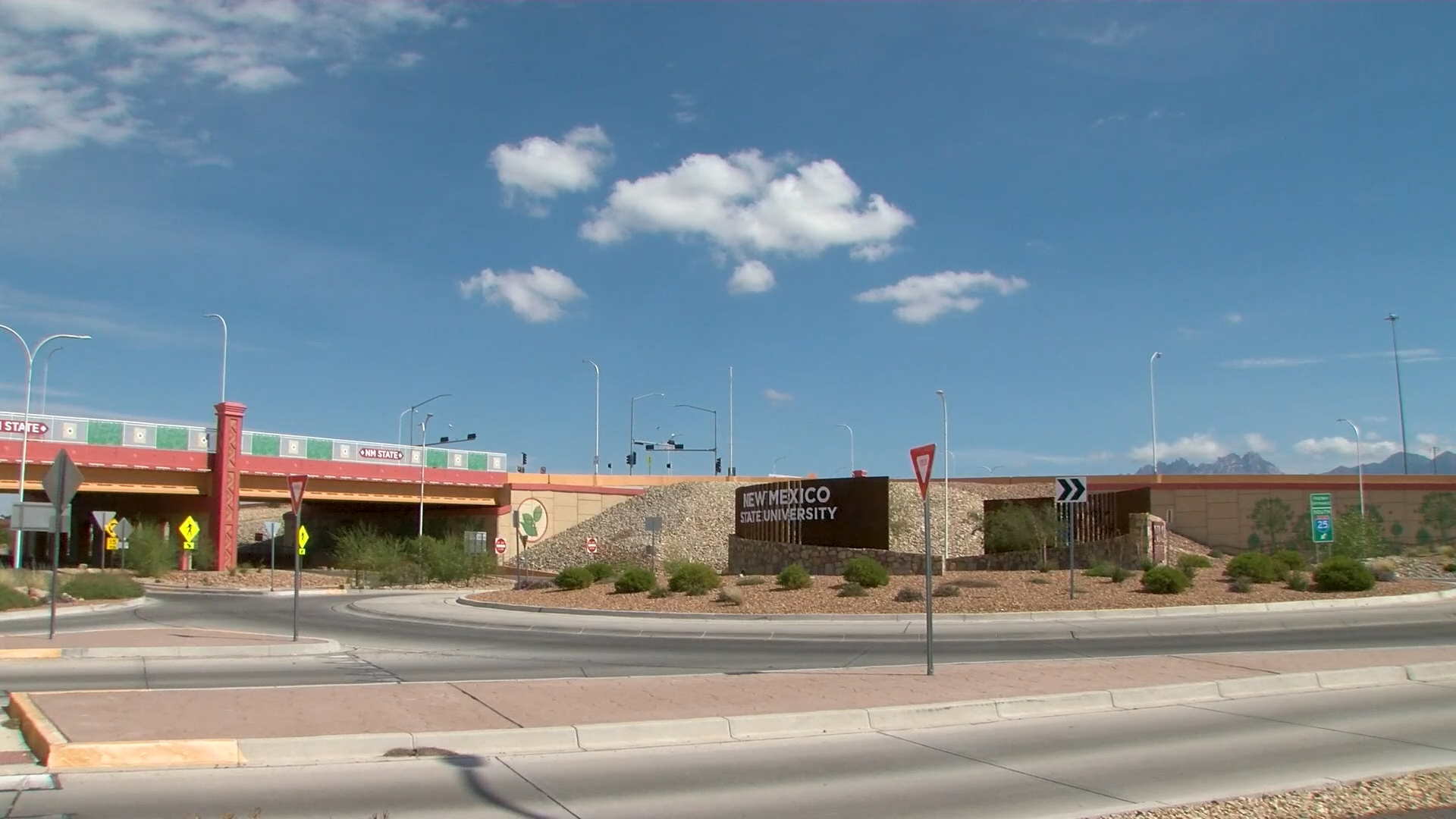
How each side covered it
Our own reading of the reporting listed below, written from the outlets’ articles rather than quoted from them. The reasoning is set out on our methodology page.
Left
26 rated outlets
- Eight left-rated reports focused on the U.S. Department of Justice suing Arizona, New Mexico, Oregon, and Washington over laws that allow immigrants without legal status to pay in-state college tuition. Several reports, including from Arizona Capitol Times and Arizona Center for Investigative Reporting, highlighted Arizona's Proposition 308 and the state's argument that the law does not violate federal statutes. The Arizona Capitol Times quoted Attorney General Kris Mayes, who called the lawsuit a "political vendetta aimed at undermining the will of Arizona voters and harming kids who have done nothing wrong."
Centre
25 rated outlets
- Five centre-rated reports noted the U.S. Department of Justice's lawsuits against New Mexico, Arizona, Oregon, and Washington. These reports stated the DOJ's argument that the state laws provide in-state tuition and financial assistance to undocumented migrants, placing them above U.S. citizens and discriminating against citizens. KVIA reported that the DOJ seeks to enjoin New Mexico's laws and regulations requiring colleges to provide in-state tuition rates for undocumented migrants who maintain residency, regardless of their legal presence in the U.S.
Right
14 rated outlets
- Right-rated outlets reported that the Department of Justice sued Arizona, New Mexico, Oregon, and Washington. The lawsuits challenge state laws that provide in-state tuition and financial aid for immigrants who are in the country illegally.
- Some reports stated that Congress made clear over 30 years ago that states cannot put illegal aliens before US citizens. One digest mentioned Arizona State University gave 432 illegal immigrants reduced costs totalling $10.5 million in Fall 2025.
- The digests did not mention the specific cost estimates for New Mexico, Oregon, or Washington. No digest quoted any state officials or representatives from the sued states.
Questions about this coverage
- How did the left and right cover US Justice Department sues four states over immigrant tuition laws?
- Of the 65 outlets on this story carrying a published leaning rating, 40% are rated left, 38% are rated centre, 22% are rated right. Those percentages are shares of the rated outlets, not of every outlet that ran it, which was 85. The sections above set out what each side emphasised, in its own terms.
- Is US Justice Department sues four states over immigrant tuition laws left or right?
- Neither side dominates it. Of the 65 rated outlets on this story, 40% are rated left, 38% are rated centre, 22% are rated right, and no side holds the 70% this site would want before calling a field one-sided. A story is not left or right in any case; the outlets that carried it are what carry ratings.
- Is the coverage of US Justice Department sues four states over immigrant tuition laws biased?
- US Justice Department sues four states over immigrant tuition laws is one event reported by 85 outlets, and this page does not rate the story as biased or unbiased. What it publishes is the spread: which outlets ran it, where named rating organisations place each of them on the spectrum, and what each side chose to lead with. A leaning rating describes an outlet's record over time, not this article, and the two should not be run together.
- Which side is not reporting US Justice Department sues four states over immigrant tuition laws?
- When we first saw this story, outlets rated right had barely covered it. Coverage accretes for hours after an event, so that is where to look rather than a verdict — the split above is the current count, and it is the one to read.
- Which outlets covered US Justice Department sues four states over immigrant tuition laws?
- 85 that we know of, every one of them listed further up this page with a link to its own report and to what we hold on the publisher. Nothing here is a summary of somebody else's summary: the outlets are named so the original reporting can be read.
- Why is the U.S. Department of Justice suing these states?
- The Department of Justice alleges that state laws in Arizona, New Mexico, Oregon, and Washington provide in-state tuition and financial assistance to undocumented students. The DOJ argues these laws violate federal law and discriminate against U.S. citizens by offering benefits not available to them.
- What specific law is being challenged in Arizona?
- The lawsuit challenges Arizona's Proposition 308, a 2022 ballot measure. This proposition allows certain Arizona high school graduates to pay in-state tuition regardless of their immigration status, even if they are not lawful residents of the U.S.
- What is the DOJ's argument against these state laws?
- The DOJ argues that by providing reduced tuition rates and financial aid to undocumented students, these state laws unlawfully discriminate against U.S. citizens. They contend that these benefits are not available to all U.S. citizens, particularly those from out-of-state, thus violating federal law.
Read it at the source
85 outlets, grouped by the leaning a published rating gives them. Every headline links to the original; an underlined outlet name opens our profile of that publisher.
Left
26- US Justice Department challenges 4 more states over in-state tuition for immigrants (opens Daily Record in a new tab)
Daily Record — is Daily Record biased? Our profile of this outlet
- Washington state sued by DOJ over in-state tuition for students without legal status (opens Lodinews.com in a new tab)
Lodinews.com — is Lodinews.com biased? Our profile of this outlet
- WA sued by DOJ over in-state tuition for students without legal status (opens The Seattle Times in a new tab)
The Seattle Times — is The Seattle Times biased? Our profile of this outlet
- WA sued by DOJ over in-state tuition for students without legal status (opens The spokesman-Review in a new tab)
The spokesman-Review — is The spokesman-Review biased? Our profile of this outlet
- US Justice Department challenges 4 more states over in-state tuition for immigrants (opens oklahomavoice.com in a new tab)
oklahomavoice.com — is oklahomavoice.com biased? Our profile of this outlet
- US Justice Department challenges 4 more states over in-state tuition for immigrants (opens Ohio Capital Journal in a new tab)
Ohio Capital Journal — is Ohio Capital Journal biased? Our profile of this outlet
- Department of Justice Sues Four States Where University Students without Immigration Status Are Helped (opens La Opinion in a new tab)
La Opinion — is La Opinion biased? Our profile of this outletOpinion
- DOJ lawsuit seeks end to in-state tuition for Arizona’s undocumented students (opens Arizona Center for Investigative Reporting… in a new tab)
Show 18 more
- US Justice Department challenges 4 more states over in-state tuition for immigrants (opens Tennessee Lookout in a new tab)
Tennessee Lookout — is Tennessee Lookout biased? Our profile of this outlet
- Justice Department challenges four more states over in-state tuition for immigrants (opens Maryland Matters in a new tab)
Maryland Matters — is Maryland Matters biased? Our profile of this outlet
- Trump sues Arizona over Dreamers’ in-state tuition (opens Arizona Capitol Times in a new tab)
Arizona Capitol Times — is Arizona Capitol Times biased? Our profile of this outlet
- US Justice Department challenges 4 more states over in-state tuition for immigrants (opens alabamareflector.com in a new tab)
alabamareflector.com — is alabamareflector.com biased? Our profile of this outlet
- US Justice Department challenges 4 more states over in-state tuition for immigrants (opens Colorado Newsline in a new tab)
Colorado Newsline — is Colorado Newsline biased? Our profile of this outlet
- US Justice Department challenges Oregon, three more states over in-state tuition for immigrants (opens Oregon Capital Chronicle in a new tab)
Oregon Capital Chronicle — is Oregon Capital Chronicle biased? Our profile of this outlet
- US Justice Department challenges 4 more states over in-state tuition for immigrants (opens arkansasadvocate.com in a new tab)
arkansasadvocate.com — is arkansasadvocate.com biased? Our profile of this outlet
- Justice Dept. challenges 4 more states over in-state tuition for immigrants (opens Louisiana Illuminator in a new tab)
Louisiana Illuminator — is Louisiana Illuminator biased? Our profile of this outlet
- Trump administration sues Arizona over in-state tuition for undocumented immigrants (opens Arizona Mirror in a new tab)
Arizona Mirror — is Arizona Mirror biased? Our profile of this outlet
- US Justice Department sues New Mexico, 3 other states over in-state tuition for immigrants (opens Source New Mexico in a new tab)
Source New Mexico — is Source New Mexico biased? Our profile of this outlet
- US Justice Department challenges 4 more states over in-state tuition for immigrants (opens Michigan Advance in a new tab)
Michigan Advance — is Michigan Advance biased? Our profile of this outlet
- US Justice Department challenges 4 more states over in-state tuition for immigrants (opens Missouri Independent in a new tab)
Missouri Independent — is Missouri Independent biased? Our profile of this outlet
- US Justice Department challenges 4 more states over in-state tuition for immigrants (opens westvirginiawatch.com in a new tab)
westvirginiawatch.com — is westvirginiawatch.com biased? Our profile of this outlet
- US Justice Department challenges 4 more states over in-state tuition for immigrants (opens Iowa Capital Dispatch in a new tab)
Iowa Capital Dispatch — is Iowa Capital Dispatch biased? Our profile of this outlet
- US Justice Department challenges 4 more states over in-state tuition for immigrants • Rhode Island Current (opens rhodeislandcurrent.com in a new tab)
rhodeislandcurrent.com — is rhodeislandcurrent.com biased? Our profile of this outlet
- US Justice Department challenges 4 more states over in-state tuition for immigrants (opens Nebraska Examiner in a new tab)
Nebraska Examiner — is Nebraska Examiner biased? Our profile of this outlet
- US Justice Department challenges 4 more states over in-state tuition for immigrants • Washington State Standard (opens washingtonstatestandard.com in a new tab)
washingtonstatestandard.com — is washingtonstatestandard.com biased? Our profile of this outlet
- Trump brings four more states into battle over tuition breaks for immigrants (opens Courthouse News Service in a new tab)
Courthouse News Service — is Courthouse News Service biased? Our profile of this outlet
Centre
25- U.S. sues New Mexico over law extending higher education benefits to immigrants (opens Searchlight New Mexico in a new tab)
Searchlight New Mexico — is Searchlight New Mexico biased? Our profile of this outlet
- US Justice Department challenges 4 more states over in-state tuition for immigrants (opens KHQ Right Now in a new tab)
KHQ Right Now — is KHQ Right Now biased? Our profile of this outlet
- Washington state sued by DOJ over in-state tuition for students without legal status (opens Hanford Sentinel in a new tab)
Hanford Sentinel — is Hanford Sentinel biased? Our profile of this outlet
- DOJ challenges four more states — including Washington — over in-state tuition for immigrants (opens Nisqually Valley News in a new tab)
Nisqually Valley News — is Nisqually Valley News biased? Our profile of this outlet
- DOJ challenges four more states — including Washington — over in-state tuition for immigrants - The Daily Chronicle (opens The Chronicle in a new tab)
The Chronicle — is The Chronicle biased? Our profile of this outlet
- US Justice Department challenges 4 more states over in-state tuition for immigrants; Colorado among states with similar pending lawsuits (opens Montrose Daily Press in a new tab)
Montrose Daily Press — is Montrose Daily Press biased? Our profile of this outlet
- U.S. sues Arizona over tuition for undocumented immigrants (opens Tucson in a new tab)
- DOJ sues 4 more states over tuition laws for undocumented students (opens Higher Ed Drive in a new tab)
Higher Ed Drive — is Higher Ed Drive biased? Our profile of this outlet
Show 17 more
- US Justice Department challenges Oregon, three more states over in-state tuition for immigrants (opens Polk County Itemizer-Observer in a new tab)
Polk County Itemizer-Observer — is Polk County Itemizer-Observer biased? Our profile of this outlet
- DOJ Sues Arizona, New Mexico, Oregon and Washington Over Tuition Benefits for Undocumented Immigrants (opens Internewscast in a new tab)
Internewscast — is Internewscast biased? Our profile of this outlet
- DOJ sues 4 more states over noncitizen tuition benefit laws (opens UPI in a new tab)
- Arizona sued by DOJ over in-state tuition for immigrant students (opens KPNX in a new tab)
- Trump administration sues Arizona over Dreamers’ in-state tuition (opens Yuma Sun in a new tab)
- Justice Department sues Washington over in-state tuition and aid for undocumented students (opens Komo News in a new tab)
- U.S. sues New Mexico over law extending higher education benefits to immigrants (opens Santa New Mexican in a new tab)
Santa New Mexican — is Santa New Mexican biased? Our profile of this outlet
- DOJ sues Washington over in-state tuition, financial aid for undocumented students (opens Krem2 News in a new tab)
Krem2 News — is Krem2 News biased? Our profile of this outlet
- DOJ sues New Mexico for providing in-state tuition to undocumented students (opens KVIA in a new tab)
- DOJ sues Washington over in-state tuition, financial aid for undocumented students (opens King5 News in a new tab)
King5 News — is King5 News biased? Our profile of this outlet
- Justice Department sues Arizona over in-state tuition for noncitizens (opens All About Arizona News in a new tab)
All About Arizona News — is All About Arizona News biased? Our profile of this outlet
- DOJ sues Oregon over in-state tuition for undocumented students (opens The Oregonian in a new tab)
The Oregonian — is The Oregonian biased? Our profile of this outlet
- New Mexico sued over giving in-state tuition to certain immigrants (opens KOB 4 in a new tab)
- Trump DOJ sues New Mexico over in-state tuition and financial aid for undocumented students (opens KOAT in a new tab)
- DOJ sues Washington over granting in-state tuition to immigrant students (opens KUOW in a new tab)
- Justice Department sues New Mexico over state law that gives migrants in-state tuition (opens KRQE News 13 in a new tab)
KRQE News 13 — is KRQE News 13 biased? Our profile of this outlet
- Trump administration sues Arizona over in-state tuition for Dreamers (opens ABC 15 Arizona in a new tab)
ABC 15 Arizona — is ABC 15 Arizona biased? Our profile of this outlet
Right
14- DOJ Sues Arizona Over Voter-Approved In-State Tuition For Illegal Immigrants (opens California Globe in a new tab)
California Globe — is California Globe biased? Our profile of this outlet
- DOJ Sues 4 States Over In-State Tuition for Illegal Immigrants (opens Conservative Journal Review in a new tab)
Conservative Journal Review — is Conservative Journal Review biased? Our profile of this outlet
- WA among 4 states being sued by Trump admin over tuition for immigrant students (opens MY Northwest in a new tab)
MY Northwest — is MY Northwest biased? Our profile of this outlet
- Illegal immigrant tuition perks put 4 states in Trump DOJ crosshairs - NEW YORK TIMES POST (opens nytimespost.com in a new tab)
nytimespost.com — is nytimespost.com biased? Our profile of this outlet
- Trump DOJ widens legal war on states giving college benefits to illegal immigrants (opens wfmd.com in a new tab)
- Trump DOJ widens legal war on states giving college benefits to illegal immigrants (opens Fox News in a new tab)
- DOJ Sues Arizona, New Mexico, Oregon, and Washington for Tuition Benefits for Illegal Immigrants (opens voz.us in a new tab)
- MichaelSavage.com – DOJ Sues 4 More States over in-State Tuition for Illegal Aliens (opens The Savage Nation in a new tab)
The Savage Nation — is The Savage Nation biased? Our profile of this outlet
Show 6 more
- Trump DOJ sues Arizona, New Mexico, Oregon, Washington over in-state tuition for illegal immigrants (opens The Post Millennial in a new tab)
The Post Millennial — is The Post Millennial biased? Our profile of this outlet
- DOJ Files Complaints Against Arizona, New Mexico, Oregon, and Washington for Providing In-State Tuition to Illegal Aliens (opens Arizona Daily Independent in a new tab)
Arizona Daily Independent — is Arizona Daily Independent biased? Our profile of this outlet
- DOJ Sues AZ, NM, OR, and WA over Illegal Alien Tuition (opens Breitbart in a new tab)
- Trump Goes For Foreign Students: Sues 4 States for Laws That Help Migrants · Global Voices (opens El Financiero in a new tab)
El Financiero — is El Financiero biased? Our profile of this outlet
- DOJ Challenges In-State Tuition for Illegal Immigrants in Four More States (opens [your]NEWS in a new tab)
[your]NEWS — is [your]NEWS biased? Our profile of this outlet
- DOJ Sues 4 States Over In-state Tuition for Illegal Immigrants (opens The Epoch Times in a new tab)
The Epoch Times — is The Epoch Times biased? Our profile of this outlet
Not rated
20- Oregon Fights Federal Push to Block Tuition Aid for Undocumented College Students (opens Daily Tidings in a new tab)
Daily Tidings — is Daily Tidings biased? Our profile of this outlet
- U.S. Justice Department challenges Oregon, three more states over in-state tuition for immigrants (opens philomathnews.com in a new tab)
philomathnews.com — is philomathnews.com biased? Our profile of this outlet
- US senators defend in-state tuition for Dreamers (opens Social News XYZ in a new tab)
Social News XYZ — is Social News XYZ biased? Our profile of this outlet
- US Justice Department challenges 4 more states over in-state tuition for immigrants (opens Sunnyside Sun in a new tab)
Sunnyside Sun — is Sunnyside Sun biased? Our profile of this outlet
- U.S. Seeks to Block State Enrolment for Undocumented in Four States: What Are And What Could Happen · Global Voices (opens El Comercio in a new tab)
El Comercio — is El Comercio biased? Our profile of this outlet
- Trump Sues Four States for Supporting Undocumented University Education · Global Voices (opens Conexión Migrante in a new tab)
Conexión Migrante — is Conexión Migrante biased? Our profile of this outlet
- DOJ Files Complaints Against Arizona, New Mexico, Oregon, and Washington Challenging State Laws that Provide In-State Tuition to Illegal Aliens (opens The Iowa Standard in a new tab)
The Iowa Standard — is The Iowa Standard biased? Our profile of this outlet
- DOJ sues Washington for giving taxpayer-funded tuition breaks to illegal immigrants (opens kvi.com in a new tab)
Show 12 more
- Trump sues Arizona over Dreamers’ in-state tuition (opens Rose Law Group Reporter in a new tab)
Rose Law Group Reporter — is Rose Law Group Reporter biased? Our profile of this outlet
- MALDEF, TheDream.US, and Presidents’ Alliance React to Latest DoJ Lawsuits Against State Tuition Equity Policies (opens maldef.org in a new tab)
maldef.org
- US Justice Department challenges Oregon, three more states over in-state tuition for immigrants (opens Curry Pilot in a new tab)
Curry Pilot — is Curry Pilot biased? Our profile of this outlet
- Trump's DOJ Sues Four U.S. States for Enrolment of Illegal Immigrants · Global Voices (opens Moncloa in a new tab)
- DOJ Takes Bold Stand: Sues Four States Over Illegal Alien Tuition Policies (opens NewsFinale in a new tab)
NewsFinale — is NewsFinale biased? Our profile of this outlet
- U.S. Sues 4 States for Laws Benefiting Undocumented Students (opens Noticias ao Minuto in a new tab)
Noticias ao Minuto — is Noticias ao Minuto biased? Our profile of this outlet
- The U.S. Department of Justice Has Filed New Lawsuits Against Four States for Allowing Undocumented Immigrants to Receive Tuition and Other Educational Benefits. (opens 大纪元 Epoch Times in a new tab)
大纪元 Epoch Times — is 大纪元 Epoch Times biased? Our profile of this outlet
- U-S DOJ Sues Washington Over Immigrant College Tuition (opens KXL in a new tab)
- U.S. Sues Four States for Laws that Help Students without Immigration Status (opens Confidencial HN in a new tab)
Confidencial HN — is Confidencial HN biased? Our profile of this outlet
- U.S. Sues Four States for Laws that Help Students without Immigration Status (opens Proceso Digital in a new tab)
Proceso Digital — is Proceso Digital biased? Our profile of this outlet
- US Justice Department challenges 4 more states over in-state tuition for immigrants (opens Dailyfly in a new tab)
- DOJ Sues Washington Over In-State Tuition for Undocumented Students (opens Lynnwood Times in a new tab)
Lynnwood Times — is Lynnwood Times biased? Our profile of this outlet
How did this read?
About the coverage, not about the story. We do not ask whether you agree with what happened — we have no honest use for that answer.


