US lawmakers near bill to ban Chinese cars
Legislation aims to block automakers like BYD and Geely, with a potential exemption for Mercedes-Benz.
AI-assisted coverage comparison, editor-supervised · How this was made
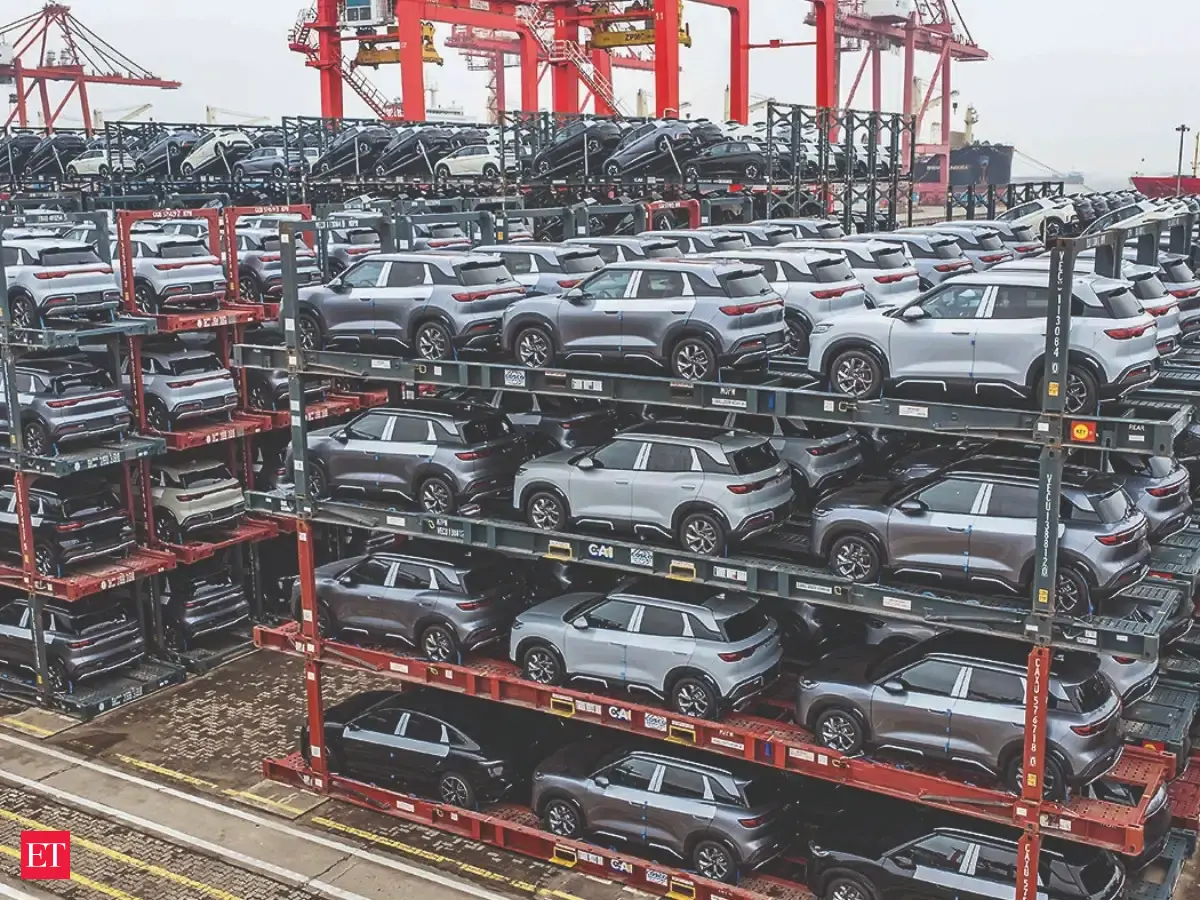
Mercedes-Benz might get an exemption
Photograph: Times of India (embedded from source)
What this story says
- US lawmakers are nearing a bipartisan agreement to ban Chinese-made cars from the US market.
- The proposed legislation aims to block automakers such as BYD and Geely from selling vehicles in the United States.
- Mercedes-Benz Group AG, which is approximately 20% owned by Chinese investors, may be exempted from the ban.
- The bill is intended to be sent to President Donald Trump's desk by the end of the year.
Who covered it
Percentages are shares of the 11 outlets carrying a published leaning rating. 11 of the 22 outlets we know ran this story carry no rating and are not counted in them. Coverage measured .
Trust
37/100
Craft
95/100
Hype
30/100
22 sources · methodology
Thin on the left so far
Only 1 of the 11 outlets with a published leaning rating that ran this story are rated left.
This story is still being watched, so it is a count and not yet a finding. Coverage keeps arriving for hours after an event, and a side that has published nothing this morning may publish by tonight. If it is still true when we stop checking, we will say so plainly.
US lawmakers are reportedly close to finalising a bipartisan bill that would ban Chinese-made cars from the US market. The legislation is being negotiated in the current legislative session with the aim of sending it to President Donald Trump by the end of the year. Automakers such as BYD and Geely would be blocked from selling vehicles in the United States if the bill is enacted. However, negotiations are also focused on potentially exempting Mercedes-Benz Group AG, which has approximately 20% ownership by Chinese investors.
Disagreement on bill's progress
Sources familiar with the matter indicate that lawmakers are closing in on a deal. Senator Bernie Moreno, a Republican from Ohio, stated that all major issues have been resolved, including changes to protect Mercedes-Benz. He described the effort as having broad support from automaker representatives, though a Mercedes official expressed reservations. Negotiations are ongoing, according to these sources.
What the coverage left out
None of the centre-rated or right-rated reports mention the specific cost or economic impact of the proposed ban on the US market or on consumers. The full report from The Times of India noted that details about the measure are still being hammered out, but did not elaborate on what those details might be.
Still developing. We have re-checked which outlets are covering this 72 times, most recently on 23 Nov 2026, 05:00, and will add the sides that appear.
How each side covered it
Our own reading of the reporting listed below, written from the outlets’ articles rather than quoted from them. The reasoning is set out on our methodology page.
Left
1 rated outlet
We have not written our reading of the left coverage of this story. The left-rated outlets that ran it are listed below.
Centre
5 rated outlets
- Centre-rated reports focused on the imminent agreement to ban Chinese cars and the potential exemption for Mercedes-Benz. Bloomberg, cited by multiple outlets, was a key source for the details. These reports highlighted that the ban would affect automakers like BYD and Geely, whose electric vehicles have gained market share in Europe and South America. The aim to send the bill to President Trump by year-end was also a common point.
Right
5 rated outlets
- Right-rated reports also focused on the impending ban of Chinese cars, naming BYD and Geely as key targets. The potential exemption for Mercedes-Benz was frequently mentioned. The Times of India's full report noted that the bill aims to address national and economic security concerns posed by China's ambition in the global auto industry. This report also mentioned that a previous bill advanced by a Senate panel would have prohibited manufacturers more than 15% owned by Chinese entities from selling cars with data-transmitting technology.
Questions about this coverage
- How did the left and right cover US lawmakers near bill to ban Chinese cars?
- Of the 11 outlets on this story carrying a published leaning rating, 9% are rated left, 45% are rated centre, 46% are rated right. Those percentages are shares of the rated outlets, not of every outlet that ran it, which was 22. The sections above set out what each side emphasised, in its own terms.
- Is US lawmakers near bill to ban Chinese cars left or right?
- Too few of the outlets on this story carry a published leaning rating to say. 11 of them do, and this site does not characterise a field under 12: at that size one newsroom filing moves the share by ten points. The percentages above are the count as it stands.
- Is the coverage of US lawmakers near bill to ban Chinese cars biased?
- US lawmakers near bill to ban Chinese cars is one event reported by 22 outlets, and this page does not rate the story as biased or unbiased. What it publishes is the spread: which outlets ran it, where named rating organisations place each of them on the spectrum, and what each side chose to lead with. A leaning rating describes an outlet's record over time, not this article, and the two should not be run together.
- Which side is not reporting US lawmakers near bill to ban Chinese cars?
- When we first saw this story, outlets rated left had barely covered it. Coverage accretes for hours after an event, so that is where to look rather than a verdict — the split above is the current count, and it is the one to read.
- Which outlets covered US lawmakers near bill to ban Chinese cars?
- 22 that we know of, every one of them listed further up this page with a link to its own report and to what we hold on the publisher. Nothing here is a summary of somebody else's summary: the outlets are named so the original reporting can be read.
- What is the main goal of the proposed US legislation regarding Chinese cars?
- The main goal is to ban Chinese-made cars from the US market. Lawmakers are working towards a bipartisan agreement to block automakers such as BYD and Geely from selling their vehicles in the United States.
- Will Mercedes-Benz be included in the ban on Chinese cars?
- It is unclear if Mercedes-Benz will be included. While the proposed legislation aims to ban Chinese cars, negotiations are underway to potentially exempt Mercedes-Benz Group AG, which has significant Chinese investment.
- When might this ban on Chinese cars take effect?
- Lawmakers aim to send the bill to President Donald Trump's desk by the end of the current year. If enacted, the ban would take effect thereafter, blocking Chinese automakers from the US market.
Read it at the source
22 outlets, grouped by the leaning a published rating gives them. Every headline links to the original; an underlined outlet name opens our profile of that publisher.
Left
1Centre
5- US Lawmakers Near Deal to Ban Chinese Cars in Lame Duck Session (opens Bloomberg in a new tab)
- Chinese Automakers Face Possible U.S. Ban (opens Political Wire in a new tab)
Political Wire — is Political Wire biased? Our profile of this outlet
- Chinese-car ban talks put Mercedes-Benz ownership under scrutiny - FINCHANNEL (opens finchannel.com in a new tab)
finchannel.com — is finchannel.com biased? Our profile of this outlet
- U.S. lawmakers near deal to ban Chinese cars, sparing Mercedes (opens Quartz in a new tab)
- Lawmakers near deal to ban Chinese cars, spare Mercedes (opens Transport Topics in a new tab)
Transport Topics — is Transport Topics biased? Our profile of this outlet
Right
5- Lame duck session: US mulls ban on Chinese cars by end of year (opens Times of India in a new tab)
Times of India — is Times of India biased? Our profile of this outlet
- Congress Finalizing Bill To Officially Ban Chinese Cars In U.S. (opens Investor's Business Daily in a new tab)
Investor's Business Daily — is Investor's Business Daily biased? Our profile of this outlet
- US lawmakers near deal to ban Chinese cars, with potential exemption for Mercedes: report (opens Seeking Alpha in a new tab)
Seeking Alpha — is Seeking Alpha biased? Our profile of this outlet
- US lawmakers near deal to ban Chinese cars, spare Mercedes (opens Business Times in a new tab)
Business Times — is Business Times biased? Our profile of this outlet
- US lawmakers near deal to ban Chinese cars, spare Mercedes (opens The Straits Times in a new tab)
The Straits Times — is The Straits Times biased? Our profile of this outlet
Not rated
11- Mercedes Is Nearly 20% Chinese-Owned. Senators May Change a Car Ban to Spare It (opens MotorBiscuit in a new tab)
MotorBiscuit — is MotorBiscuit biased? Our profile of this outlet
- Mercedes Saved From US Car Ban – Uncertain for Volvo (opens carup.se in a new tab)
- Mercedes Exempted From US Ban on Chinese Cars (opens Unknown in a new tab)
Unknown
- Congress closes in on Chinese car ban, with a possible way out for Mercedes (opens BizToc in a new tab)
- News: US Nears Agreement on Banning Chinese Cars; Mercedes-Benz May Receive Exemption. (opens 大纪元 Epoch Times in a new tab)
大纪元 Epoch Times — is 大纪元 Epoch Times biased? Our profile of this outlet
- The U.S. Is Preparing a Ban on Chinese Cars, but They Want to Make an Exception for Mercedes. (opens Life.ru in a new tab)
- US nears Chinese vehicle ban with Mercedes carve-out – report (opens Just Auto in a new tab)
- Lawmakers near deal to ban Chinese automakers from U.S. market (opens CBT Automotive Network in a new tab)
CBT Automotive Network — is CBT Automotive Network biased? Our profile of this outlet
Show 3 more
- US Reportedly Close to Banning Chinese Cars (opens Dagens industri in a new tab)
Dagens industri — is Dagens industri biased? Our profile of this outlet
- Reports Indicate that the US Congress Is Close to Reaching an Agreement to Ban Chinese Cars From Being Imported Into the US (opens i-cable.com in a new tab)
i-cable.com — is i-cable.com biased? Our profile of this outlet
- US lawmakers near deal to ban Chinese cars with carve-out for Mercedes, report says (opens CnEVPost in a new tab)
How did this read?
About the coverage, not about the story. We do not ask whether you agree with what happened — we have no honest use for that answer.