US lawmakers want Trump to ban aid to Chinese, Russian agencies
Bipartisan group urges administration to close loopholes in 2018 law
AI-assisted coverage comparison, editor-supervised · How this was made
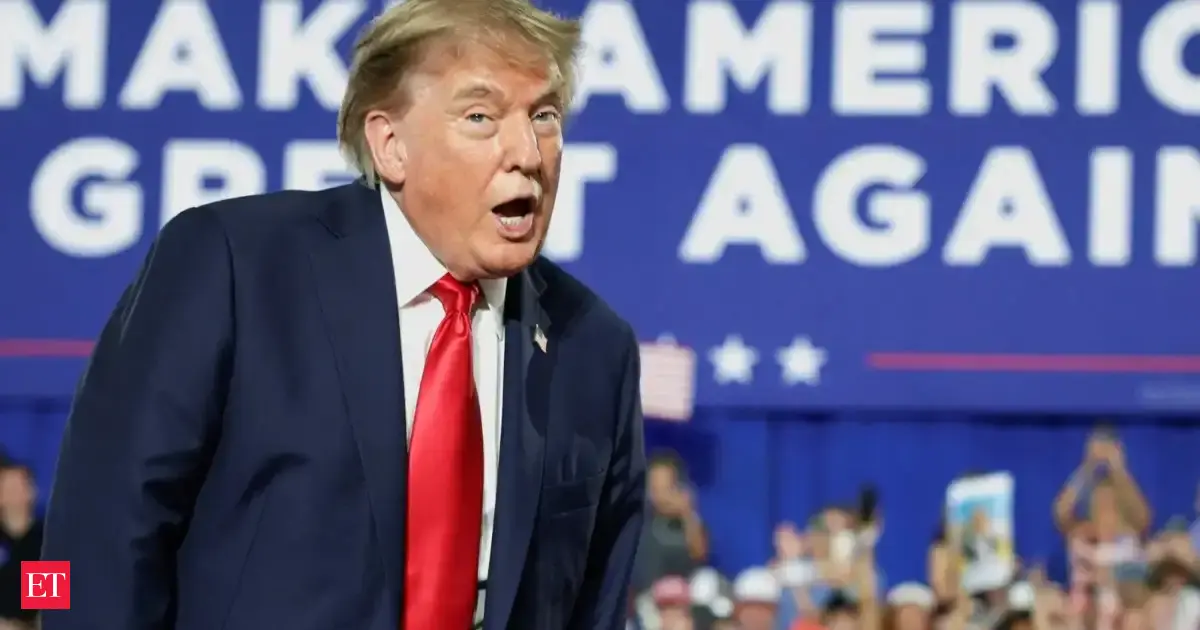
US lawmakers push Trump to cut the spy supply chain linking US to China, Russia
Photograph: The Economic Times (embedded from source)
What this story says
- US lawmakers are urging the Trump administration to ban US citizens and businesses from supporting Chinese and Russian civilian intelligence and security agencies.
- A 2018 law prohibited support for foreign military intelligence agencies but did not cover civilian ones.
- Lawmakers warn that foreign agencies could hire US consultants and access cutting-edge technology.
- The push has bipartisan support from both Republican and Democratic members of Congress.
Who covered it
Percentages are shares of the 11 outlets carrying a published leaning rating. 1 of the 12 outlets we know ran this story carry no rating and are not counted in them. Coverage measured .
Trust
42/100
Craft
57/100
Hype
41/100
12 sources · methodology
Missing from the left
Only 1 of the 11 outlets with a published leaning rating that ran this story are rated left.
A reader who follows the left would not have seen this. We report the absence rather than explain it: outlets choose what to cover for many reasons, and we have no evidence about which one applies here.
A bipartisan group of US lawmakers has called on the Trump administration to prohibit American citizens and businesses from providing support to Chinese and Russian civilian intelligence and security agencies. The lawmakers are concerned that existing legislation has loopholes that could be exploited.
A law passed in 2018 banned Americans from supporting foreign military intelligence agencies. However, this legislation did not extend to civilian-led intelligence and security organisations. Lawmakers have warned that this oversight could allow foreign agencies to hire US consultants and gain access to advanced technology, posing a risk to national security.
Coverage comparison
What the coverage left out
None of the centre or right-rated reports printed below mention the specific names of any lawmakers involved in this push, such as Democratic Senator Ron Wyden or Republican Senator John Cornyn, who were named in one of the digests.
Coverage settled. We checked this 26 times and stopped on 31 Aug 2026, 01:30. The figures above are what it finished at.
How each side covered it
Our own reading of the reporting listed below, written from the outlets’ articles rather than quoted from them. The reasoning is set out on our methodology page.
Left
1 rated outlet
We have not written our reading of the left coverage of this story. The left-rated outlets that ran it are listed below.
Centre
5 rated outlets
- The centre-rated reports led on the call for a ban on Americans supporting Chinese and Russian intelligence agencies. Both the Economic Times and WTVB mentioned that the push had bipartisan backing and that lawmakers were urging the Trump administration to cut the 'spy supply chain'.
Right
5 rated outlets
- The right-rated reports focused on the warning from lawmakers that Americans could be legally helping China spy on them. Digests from ABP News, NDTV, The News, Times of India, and The Straits Times highlighted the call to block Americans from aiding Chinese and Russian security agencies. Several digests noted the existence of a 2018 law that banned support for military intelligence agencies but left civilian ones open to such aid.
Questions about this coverage
- How did the left and right cover US lawmakers want Trump to ban aid to Chinese, Russian agencies?
- Of the 11 outlets on this story carrying a published leaning rating, 9% are rated left, 45% are rated centre, 46% are rated right. Those percentages are shares of the rated outlets, not of every outlet that ran it, which was 12. The sections above set out what each side emphasised, in its own terms.
- Is US lawmakers want Trump to ban aid to Chinese, Russian agencies left or right?
- Too few of the outlets on this story carry a published leaning rating to say. 11 of them do, and this site does not characterise a field under 12: at that size one newsroom filing moves the share by ten points. The percentages above are the count as it stands.
- Is the coverage of US lawmakers want Trump to ban aid to Chinese, Russian agencies biased?
- US lawmakers want Trump to ban aid to Chinese, Russian agencies is one event reported by 12 outlets, and this page does not rate the story as biased or unbiased. What it publishes is the spread: which outlets ran it, where named rating organisations place each of them on the spectrum, and what each side chose to lead with. A leaning rating describes an outlet's record over time, not this article, and the two should not be run together.
- Which side is not reporting US lawmakers want Trump to ban aid to Chinese, Russian agencies?
- When we first saw this story, outlets rated left had barely covered it. Coverage accretes for hours after an event, so that is where to look rather than a verdict — the split above is the current count, and it is the one to read.
- Which outlets covered US lawmakers want Trump to ban aid to Chinese, Russian agencies?
- 12 that we know of, every one of them listed further up this page with a link to its own report and to what we hold on the publisher. Nothing here is a summary of somebody else's summary: the outlets are named so the original reporting can be read.
- What are US lawmakers asking the Trump administration to do?
- Lawmakers are urging the Trump administration to prohibit US citizens and businesses from providing support to Chinese and Russian civilian intelligence and security agencies. This action aims to close loopholes in existing laws that could pose a risk to national security.
- What law is currently in place regarding support for foreign agencies?
- A law passed in 2018 banned Americans from providing support to foreign military intelligence agencies. However, this law did not cover civilian-led intelligence and security organisations, leaving a potential gap that lawmakers want addressed.
- What are the potential risks of the current situation?
- Lawmakers warn that foreign intelligence agencies could exploit the existing loopholes to hire US consultants and gain access to cutting-edge technology. This could compromise US national security interests.
Read it at the source
12 outlets, grouped by the leaning a published rating gives them. Every headline links to the original; an underlined outlet name opens our profile of that publisher.
Left
1Centre
5- Members of Both Parties in the U.S. Congress Urged the Trump Administration to Ban U.S. Citizens From Working for Chinese and Russian Security Agencies. (opens 美国之音 in a new tab)
美国之音
- US lawmakers urge Trump to ban Americans from aiding Chinese security ... (opens Reuters in a new tab)
- Lawmakers press Commerce to restrict Americans from aiding foreign spy agencies (opens Nextgov in a new tab)
- US lawmakers want Trump to cut the spy supply chain to China, Russia (opens The Economic Times in a new tab)
The Economic Times — is The Economic Times biased? Our profile of this outlet
- US lawmakers urge Trump to ban Americans from aiding Chinese security agencies (opens WTVB in a new tab)
Right
5- US Lawmakers Warn Trump Over Americans Supporting Chinese Intelligence Agency (opens ABP News in a new tab)
- US Lawmakers Warn Americans Could Be Legally Helping China Spy On Them (opens NDTV in a new tab)
- US lawmakers urge Trump to bar Americans from aiding Chinese security agencies (opens The News in a new tab)
- US lawmakers want Trump to cut the spy supply chain to China, Russia (opens Times of India in a new tab)
Times of India — is Times of India biased? Our profile of this outlet
- US lawmakers urge Trump to ban Americans from aiding Chinese security agencies (opens The Straits Times in a new tab)
The Straits Times — is The Straits Times biased? Our profile of this outlet
Not rated
1How did this read?
About the coverage, not about the story. We do not ask whether you agree with what happened — we have no honest use for that answer.