US Sanctions Four Iranians for Illicit Oil Sales
Treasury Department targets individuals accused of facilitating oil revenue collection for Tehran.
AI-assisted coverage comparison, editor-supervised · How this was made

Техеран настоява за дипломатическо решение - 1
Photograph: fakti.bg (embedded from source)
What this story says
- The U.S. Treasury Department sanctioned four Iranian nationals on November 20, 2026, for allegedly facilitating illicit oil sales and collecting revenue for Iran.
- The sanctioned individuals are Mohammad Javad Bavand, Majid Taj, Mohammadhossein Servati, and Modjtaaba Arabnejad.
- Sanctions block any assets these individuals hold in the United States and prohibit transactions with them.
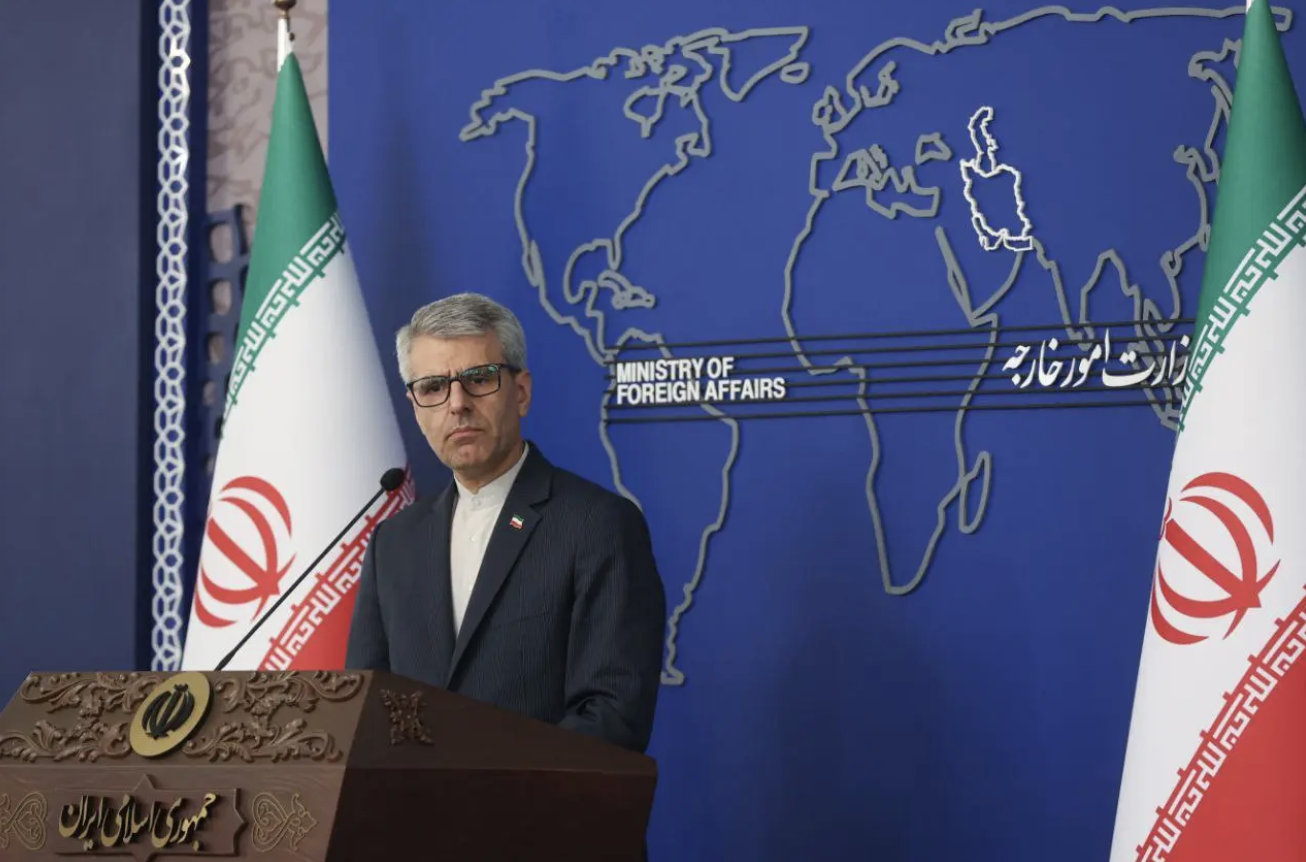
- Iran's Foreign Minister Abbas Araghchi stated that Tehran still seeks a diplomatic solution, with Qatar and Pakistan acting as mediators.
Who covered it
Percentages are shares of the 11 outlets carrying a published leaning rating. 10 of the 21 outlets we know ran this story carry no rating and are not counted in them. Coverage measured .
Trust
86/100
Craft
95/100
Hype
15/100
21 sources · methodology
Thin on the left so far
Only 1 of the 11 outlets with a published leaning rating that ran this story are rated left.
This story is still being watched, so it is a count and not yet a finding. Coverage keeps arriving for hours after an event, and a side that has published nothing this morning may publish by tonight. If it is still true when we stop checking, we will say so plainly.
The U.S. Treasury Department announced sanctions on November 20, 2026, against four Iranian nationals. The department stated these individuals acted as intermediaries to collect revenue from illicit oil sales for Iran. The sanctions freeze any assets the individuals hold within the United States and prohibit U.S. persons and entities from conducting transactions with them. These measures are part of U.S. efforts to pressure Iran.
Disagreement on specific roles
Reports differ on the specific roles attributed to the sanctioned individuals. fakti.bg, citing the Treasury Department, stated that Mohammad Javad Bavand and Majid Taj were tasked with collecting funds from oil deals in third countries, with some funds allegedly being retained for personal gain. This report also stated that Mohammadhossein Servati was linked to companies that facilitated Iranian oil deliveries to Chinese refineries, and Modjtaaba Arabnejad was accused of involvement in aircraft parts purchases and financial operations supporting Mahan Air. In contrast, The Epoch Times digest stated the Treasury Department was targeting alleged middlemen used by the Iranian regime to sell oil, while a digest from 1news.com.ua mentioned a former IRGC officer and a relative of the Iranian Football Federation president among those sanctioned, with the scheme involving oil supplies to China and the purchase of spare parts for Mahan Air.
What the coverage left out
None of the right-rated digests mention the specific details about the individuals' alleged roles in collecting funds for personal gain, facilitating oil supplies to China, or involvement with Mahan Air, which were present in the left-rated full report. Similarly, none of the centre-rated digests included these specific details about individual roles or the connection to Mahan Air.
Still developing. We have re-checked which outlets are covering this 2 times, most recently on 21 Nov 2026, 08:45, and will add the sides that appear.
How each side covered it
Our own reading of the reporting listed below, written from the outlets’ articles rather than quoted from them. The reasoning is set out on our methodology page.
Left
1 rated outlet
- The left-rated report from fakti.bg, which was a full report, led with the U.S. Treasury Department sanctioning four Iranians for oil revenue collection. It detailed the specific allegations against each individual, including Mohammad Javad Bavand and Majid Taj collecting funds from oil deals in third countries, with some funds allegedly being retained for personal gain. It also noted Mohammadhossein Servati's links to companies that facilitated Iranian oil deliveries to Chinese refineries and Modjtaaba Arabnejad's alleged involvement in aircraft parts purchases and financial operations supporting Mahan Air. The report also included a statement from Iranian Foreign Minister Abbas Araghchi, who insisted Tehran still sought a diplomatic solution, with Qatar and Pakistan acting as mediators. Araghchi also discussed Iran's stance on nuclear material and the potential for a fair solution based on national interests.
Centre
5 rated outlets
- The centre-rated reports from Investing.com, The Lufkin News, and Reuters all led with the U.S. Treasury sanctioning Iranian 'trustees' collecting oil revenues. These digests focused on the core action of the sanctions and the alleged role of the individuals in collecting money from illicit international oil sales for Tehran to evade sanctions and a U.S. naval blockade. The Lufkin News digest, citing Reuters, specifically mentioned the U.S. Treasury stating it imposed sanctions on four Iranians who acted as 'oil trustees,' collecting money from illicit sales.
Right
5 rated outlets
- The right-rated reports from Korrespondent.net, Tribunnews.com, The Epoch Times, Anadolu Ajansı, and news-pravda.com primarily focused on the U.S. imposing new sanctions against Iran. Korrespondent.net's digest stated that sub-sanctioners collected funds from illegal oil sales, leaving a portion for personal purposes and helping finance the regime's military and regional activities. Tribunnews.com noted the U.S. tightening economic pressure on Iran, sanctioning oil traders and government associates. The Epoch Times digest highlighted the Treasury targeting alleged middlemen helping the regime sell oil despite a blockade. Anadolu Ajansı reported the Treasury Department's claim that the Iranian government was trying to recoup billions from oil trustees amid a U.S. military blockade. News-pravda.com stated the U.S. imposed sanctions on four Iranian citizens acting as intermediaries in supplying Iranian oil to other countries.
Questions about this coverage
- How did the left and right cover US Sanctions Four Iranians for Illicit Oil Sales?
- Of the 11 outlets on this story carrying a published leaning rating, 9% are rated left, 45% are rated centre, 46% are rated right. Those percentages are shares of the rated outlets, not of every outlet that ran it, which was 21. The sections above set out what each side emphasised, in its own terms.
- Is US Sanctions Four Iranians for Illicit Oil Sales left or right?
- Too few of the outlets on this story carry a published leaning rating to say. 11 of them do, and this site does not characterise a field under 12: at that size one newsroom filing moves the share by ten points. The percentages above are the count as it stands.
- Is the coverage of US Sanctions Four Iranians for Illicit Oil Sales biased?
- US Sanctions Four Iranians for Illicit Oil Sales is one event reported by 21 outlets, and this page does not rate the story as biased or unbiased. What it publishes is the spread: which outlets ran it, where named rating organisations place each of them on the spectrum, and what each side chose to lead with. A leaning rating describes an outlet's record over time, not this article, and the two should not be run together.
- Which side is not reporting US Sanctions Four Iranians for Illicit Oil Sales?
- When we first saw this story, outlets rated left had barely covered it. Coverage accretes for hours after an event, so that is where to look rather than a verdict — the split above is the current count, and it is the one to read.
- Which outlets covered US Sanctions Four Iranians for Illicit Oil Sales?
- 21 that we know of, every one of them listed further up this page with a link to its own report and to what we hold on the publisher. Nothing here is a summary of somebody else's summary: the outlets are named so the original reporting can be read.
- Who was sanctioned by the U.S. Treasury Department?
- The U.S. Treasury Department sanctioned four Iranian nationals: Mohammad Javad Bavand, Majid Taj, Mohammadhossein Servati, and Modjtaaba Arabnejad. They are accused of facilitating illicit oil sales and collecting revenue for Iran.
- What are the consequences of these sanctions?
- The sanctions block any assets the four individuals hold in the United States and prohibit U.S. persons and entities from conducting transactions with them. This action is part of U.S. efforts to pressure Iran's oil sector.
- What is Iran's response to the sanctions?
- Iranian Foreign Minister Abbas Araghchi stated that Tehran still seeks a diplomatic solution to its issues with the U.S. He indicated that Qatar and Pakistan are acting as mediators in ongoing communications between the two countries.
Read it at the source
21 outlets, grouped by the leaning a published rating gives them. Every headline links to the original; an underlined outlet name opens our profile of that publisher.
Left
1Centre
5- US Treasury sanctions Iranian ‘trustees’ collecting oil revenues (opens The Times of Israel in a new tab)
The Times of Israel — is The Times of Israel biased? Our profile of this outlet
- US Treasury sanctions Iranian 'trustees' collecting oil revenues (opens The Lufkin News in a new tab)
The Lufkin News — is The Lufkin News biased? Our profile of this outlet
- US Treasury sanctions Iranian ’trustees’ collecting oil revenues (opens Investing.com in a new tab)
Investing.com — is Investing.com biased? Our profile of this outlet
- US Treasury sanctions Iranian 'trustees' collecting oil revenues (opens Reuters in a new tab)
- Shafaq News..US sanctions four Iranians over alleged Iranian oil revenue collection (opens Unknown in a new tab)
Unknown
Right
5- The US Has Announced New Sanctions Against Iran (opens Korrespondent.net in a new tab)
Korrespondent.net — is Korrespondent.net biased? Our profile of this outlet
- US Tightens Economic Pressure on Iran: Oil Traders and Government Associates Sanctioned (opens Tribunnews.com in a new tab)
Tribunnews.com — is Tribunnews.com biased? Our profile of this outlet
- Treasury Targets Iranian Middlemen Helping Regime Sell Oil Despite Blockade (opens The Epoch Times in a new tab)
The Epoch Times — is The Epoch Times biased? Our profile of this outlet
- US Sanctions Iranian Oil Traders, Government Insiders over Alleged Oil Revenue Scheme (opens Anadolu Ajansı in a new tab)
Anadolu Ajansı — is Anadolu Ajansı biased? Our profile of this outlet
- The United States has imposed sanctions on four Iranian citizens (opens news-pravda.com in a new tab)
news-pravda.com — is news-pravda.com biased? Our profile of this outlet
Not rated
10- US Treasury Sanctions Iranian ‘Trustees’ Collecting Oil Revenues (opens KAYHAN LIFE in a new tab)
KAYHAN LIFE — is KAYHAN LIFE biased? Our profile of this outlet
- US Treasury Department Sanctions 4 Iranian Nationals (opens fararu.com in a new tab)
fararu.com — is fararu.com biased? Our profile of this outlet
- US Imposes New Sanctions Against Iran's Oil Sector (opens 1news.com.ua in a new tab)
1news.com.ua — is 1news.com.ua biased? Our profile of this outlet
- US Announces New Sanctions Against Iran Targeting Oil Sector (opens Unknown in a new tab)
Unknown
- The US Has Imposed Sanctions on Four People. (opens Akşam in a new tab)
- The US Treasury Has Added Four Individuals to Its Sanctions List for Facilitating Iranian Oil Revenues - Breaking News. (opens sondakika.com in a new tab)
sondakika.com — is sondakika.com biased? Our profile of this outlet
- US Treasury Department Sanctions 4 Iranian Nationals (opens Unknown in a new tab)
Unknown
- US Sanctions 4 Iranian Individuals (opens tabnak.ir in a new tab)
How did this read?
About the coverage, not about the story. We do not ask whether you agree with what happened — we have no honest use for that answer.