NIH Bat Virus Study Halted After Nine Bats Die
US agency failed to receive timely reports on lab safety failures and animal deaths in Australia.
AI-assisted coverage comparison, editor-supervised · How this was made
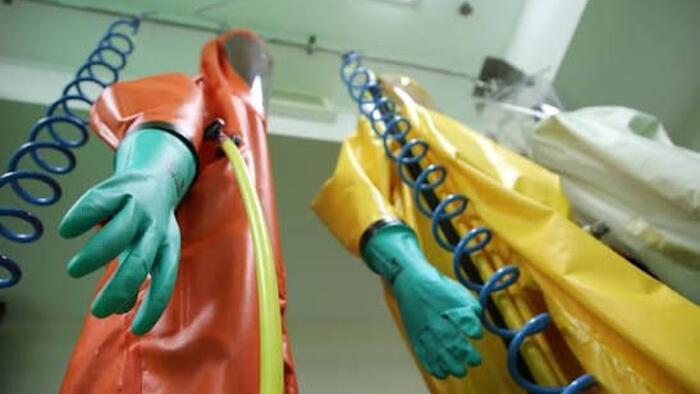
NIH Bat Virus Study Halted After Nine Bats Die
Photograph: Zero Hedge (embedded from source)
What this story says
- A Hendra virus study at Australia's Centre for Disease Preparedness, funded by the US National Institutes of Health, was suspended in 2023.
- Nine bats died during the study, with the suspension citing staff shortages, inadequate contingency plans, and unclear protocols.
- The NIH's Office of Laboratory Animal Welfare did not receive a report on the suspension until April 2024, more than 10 months after it occurred.
- PETA obtained federal records detailing these issues under the Freedom of Information Act.
Who covered it
Percentages are shares of the 10 outlets carrying a published leaning rating. 2 of the 12 outlets we know ran this story carry no rating and are not counted in them. Coverage measured .
Trust
68/100
Craft
69/100
Hype
65/100
12 sources · methodology
Thin on the left so far
None of the 10 outlets with a published leaning rating that ran this story are rated left.
This story is still being watched, so it is a count and not yet a finding. Coverage keeps arriving for hours after an event, and a side that has published nothing this morning may publish by tonight. If it is still true when we stop checking, we will say so plainly.
A study involving the Hendra virus in bats, funded by the US National Institutes of Health (NIH), was suspended in 2023 at the Australian Centre for Disease Preparedness. The suspension followed the deaths of nine bats. The NIH grant for the study ran from 2022 to 2024 and totalled approximately $146,098, with Monash University listed as a collaborator. The Australian Centre for Disease Preparedness is operated by Australia's national science agency, CSIRO.
According to federal records obtained by PETA, the reasons for the study's suspension included a shortage of staff trained to handle animals at the required biocontainment level, inadequate contingency planning, unclear protocols, and prolonged confinement of the flying foxes without sufficient enrichment. When one bat tested positive for the virus, the eight bats housed with it were euthanised because the room could not be upgraded to Biosafety Level 4 (BSL-4). A ninth bat, housed separately in a BSL-4 room, also tested positive and was euthanised.
The lead investigator informed the NIH of the infections in May 2023, and the lab's ethics committee suspended the study weeks later. However, the NIH's Office of Laboratory Animal Welfare (OLAW) did not receive a suspension report until April 2024, over 10 months after the study was halted. PETA stated it obtained these details through 124 federal files acquired under the Freedom of Information Act.
Disagreement on the number of bats killed
Zero Hedge reported that staff had to kill all eight bats in a room after one tested positive, and a ninth bat kept apart also tested positive and was put down. Internewscast stated that staff euthanised all eight bats housed in the same room because it could not be upgraded to Biosafety Level 4, and a ninth bat kept separately under BSL-4 conditions was later euthanised after also testing positive. Le·gal In·sur·rec·tion reported that nine bats died and an NIH watchdog was uninformed of the study's suspension for more than 10 months.
What the coverage left out
None of the right-rated reports mentioned the specific NIH grant number (R21AI169481) for the Hendra virus study. No left-rated outlet ran this story.
Still developing. We have re-checked which outlets are covering this 4 times, most recently on 24 Nov 2026, 22:45, and will add the sides that appear.
How other outlets pictured it
Which photograph to run is each newsroom’s own choice. The leaning beside a name is that outlet’s published rating, not a claim that the pictures divide along it. Every picture is shown from the outlet’s own server and links to the article it ran in.
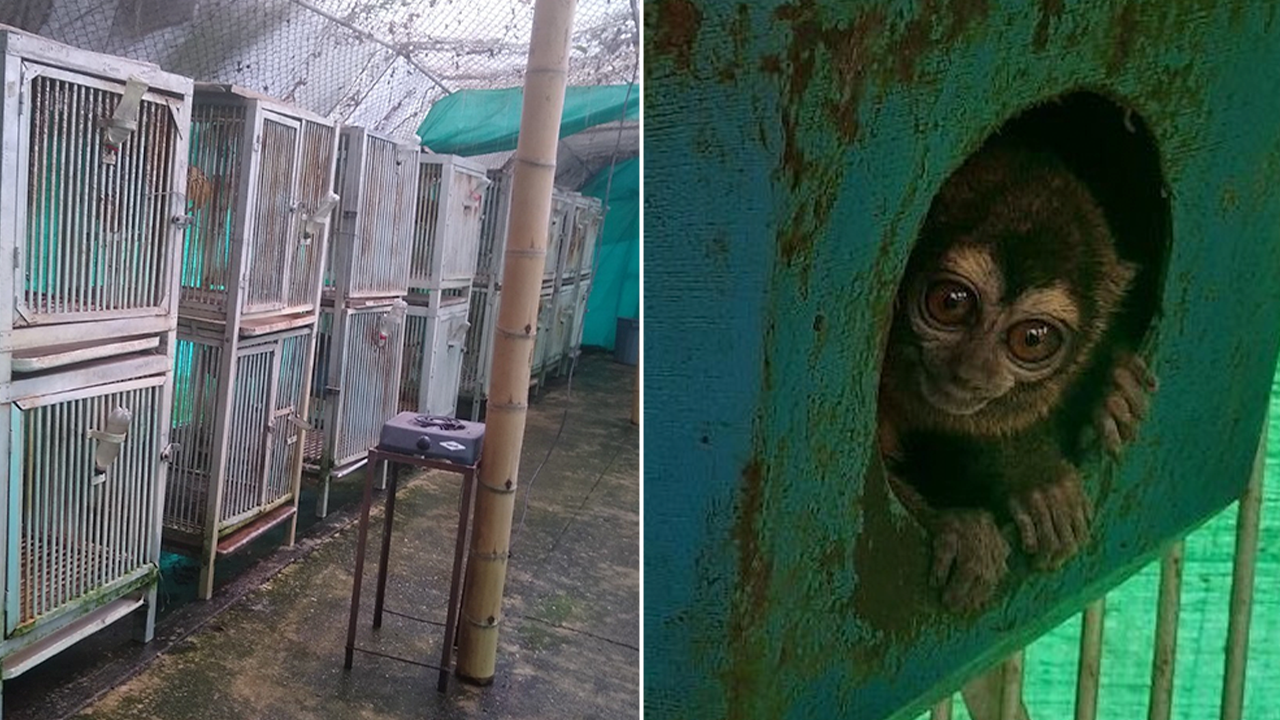
EXCLUSIVE: NIH funded foreign labs with troubling safety lapses, including deadly bat virus experiment
Internewscast — embedded from source
How each side covered it
Our own reading of the reporting listed below, written from the outlets’ articles rather than quoted from them. The reasoning is set out on our methodology page.
Left
0 rated outlets
No outlet rated left has run this story so far. We are still checking, and will say plainly if that does not change.
Centre
1 rated outlet
- Internewscast led with the suspension of a deadly bat virus study due to biosafety failures. It reported that the NIH funded the study at the Australian Centre for Disease Preparedness, which was suspended by its Animal Ethics Committee due to operational problems. The report detailed the reasons for suspension, including staff shortages, inadequate contingency planning, unclear protocols, and prolonged confinement of bats. It also noted the delay in the NIH receiving a suspension report. The outlet also mentioned other safety lapses at foreign NIH-funded labs, including at Newcastle University in the UK, and criticised the 'enhanced' inspections for relying on cameras controlled by institutions.
Right
9 rated outlets
- The right-rated reports focused on the failures and lapses in the NIH-funded bat virus experiment and broader issues with NIH oversight of overseas research. Zero Hedge and modernity.news highlighted that 'something went terribly wrong' in the NIH-funded bat virus experiment. [your]NEWS and NYTIMESPOST.COM reported that the NIH funded overseas animal labs despite biosafety failures and missing oversight. NewsFinale and WWBL reported on NIH funding foreign laboratories despite safety lapses, including the bat virus experiment. WVII / Fox Bangor and democraticaccent.com also reported on these safety lapses. Just the News stated the NIH awarded money to foreign animal research labs with lax safety practices and oversight. Several reports, including Zero Hedge and Internewscast (which is rated centre but its reporting is used here as it is a full report), detailed the deaths of nine bats, the reasons for the study's suspension, and the significant delay in reporting the suspension to the NIH. Zero Hedge also elaborated on the NIH's virtual inspection methods and instances of labs operating without required assurances.
Questions about this coverage
- How did the left and right cover NIH Bat Virus Study Halted After Nine Bats Die?
- Of the 10 outlets on this story carrying a published leaning rating, 0% are rated left, 10% are rated centre, 90% are rated right. Those percentages are shares of the rated outlets, not of every outlet that ran it, which was 12. The sections above set out what each side emphasised, in its own terms.
- Is NIH Bat Virus Study Halted After Nine Bats Die left or right?
- Too few of the outlets on this story carry a published leaning rating to say. 10 of them do, and this site does not characterise a field under 12: at that size one newsroom filing moves the share by ten points. The percentages above are the count as it stands.
- Is the coverage of NIH Bat Virus Study Halted After Nine Bats Die biased?
- NIH Bat Virus Study Halted After Nine Bats Die is one event reported by 12 outlets, and this page does not rate the story as biased or unbiased. What it publishes is the spread: which outlets ran it, where named rating organisations place each of them on the spectrum, and what each side chose to lead with. A leaning rating describes an outlet's record over time, not this article, and the two should not be run together.
- Which side is not reporting NIH Bat Virus Study Halted After Nine Bats Die?
- When we first saw this story, outlets rated left had barely covered it. Coverage accretes for hours after an event, so that is where to look rather than a verdict — the split above is the current count, and it is the one to read.
- Which outlets covered NIH Bat Virus Study Halted After Nine Bats Die?
- 12 that we know of, every one of them listed further up this page with a link to its own report and to what we hold on the publisher. Nothing here is a summary of somebody else's summary: the outlets are named so the original reporting can be read.
- What happened in the NIH-funded bat virus study?
- A Hendra virus study funded by the NIH in Australia was suspended in 2023 after nine bats died. The suspension was due to issues like staff shortages, inadequate contingency plans, and unclear protocols. The NIH did not receive a report on the suspension for over 10 months.
- Why was the bat virus study suspended?
- The study was suspended because of a shortage of trained staff, inadequate contingency plans, unclear protocols, and prolonged confinement of the bats without proper enrichment. When one bat tested positive for the Hendra virus, the others in its enclosure were euthanised, and a ninth bat also tested positive and was euthanised.
- Who obtained the records about the study's failures?
- PETA obtained federal records detailing the safety failures and issues with the NIH-funded bat virus study under the Freedom of Information Act. These records revealed the reasons for the suspension and the delayed reporting to the NIH.
Read it at the source
12 outlets, grouped by the leaning a published rating gives them. Every headline links to the original; an underlined outlet name opens our profile of that publisher.
Left
0No outlet in this group ran the story.
Centre
1Right
9- Deadly Bat Virus Study Exposes Gaps in NIH’s Overseas Research Oversight (opens Le·gal In·sur·rec·tion in a new tab)
Le·gal In·sur·rec·tion — is Le·gal In·sur·rec·tion biased? Our profile of this outlet
- Something Went Terribly Wrong In This NIH-Funded Bat Virus Experiment (opens modernity.news in a new tab)
modernity.news — is modernity.news biased? Our profile of this outletOpinion
- NIH Funded Overseas Animal Labs Despite Biosafety Failures, Missing Oversight Records and Halted Bat Virus Experiment (opens [your]NEWS in a new tab)
[your]NEWS — is [your]NEWS biased? Our profile of this outlet
- Something Went Terribly Wrong In This NIH-Funded Bat Virus Experiment (opens Zero Hedge in a new tab)
Zero Hedge — is Zero Hedge biased? Our profile of this outletOpinion
- EXCLUSIVE: NIH funded foreign labs with troubling safety lapses, including deadly bat virus experiment - NEW YORK TIMES POST (opens nytimespost.com in a new tab)
nytimespost.com — is nytimespost.com biased? Our profile of this outlet
- EXCLUSIVE: NIH funded foreign labs with troubling safety lapses, including deadly bat virus experiment – Democratic Accent (opens democraticaccent.com in a new tab)
democraticaccent.com — is democraticaccent.com biased? Our profile of this outlet
- EXCLUSIVE: NIH funded foreign labs with troubling safety lapses, including deadly bat virus experiment (opens WVII / Fox Bangor in a new tab)
WVII / Fox Bangor — is WVII / Fox Bangor biased? Our profile of this outlet
- EXCLUSIVE: NIH funded foreign labs with troubling safety lapses, including deadly bat virus experiment (opens Fox News in a new tab)
Not rated
2- Exclusive: NIH Funded Foreign Laboratories Despite Safety Lapses, Including Deadly Bat Virus Experiment (opens NewsFinale in a new tab)
NewsFinale — is NewsFinale biased? Our profile of this outlet
- EXCLUSIVE: NIH funded foreign labs with troubling safety lapses, including deadly bat virus experiment (opens WWBL in a new tab)
How did this read?
About the coverage, not about the story. We do not ask whether you agree with what happened — we have no honest use for that answer.
More in Science & Tech
All Science & Tech →

Elsewhere on the site
 Climate•3 min readUN Climate Talks Collapse in Turkey, Blame Directed at Oil States
 Health•3 min readNIH Scientists Link Glyphosate to Cancer in New Analyses
 Business & Economy•2 min readNAB apologises for redundancy emails sent in error
 Politics•3 min readAlaska Lt. Gov. Nancy Dahlstrom ends voter data deal with DOJ