November 2025 solar storm disrupted GPS across US by over 10 metres
Researchers found positioning errors large enough to affect precision agriculture and autonomous vehicles
AI-assisted coverage comparison, editor-supervised · How this was made
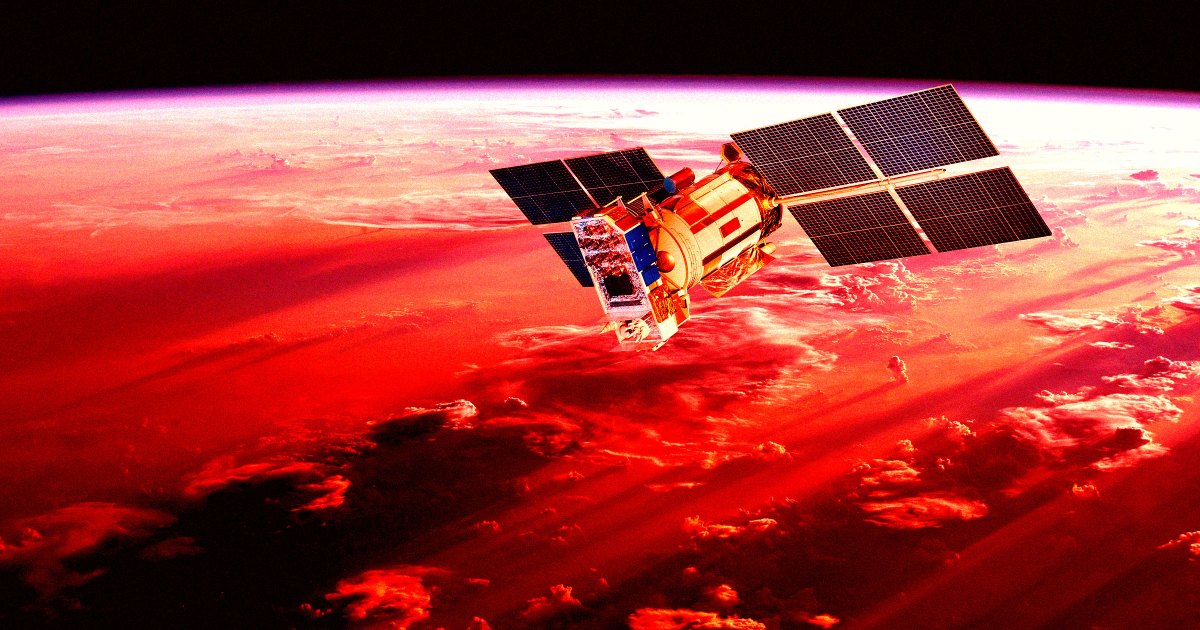
Shutterstock / Futurism
Photograph: Futurism (embedded from source)
What this story says
- A geomagnetic superstorm on 11 November 2025 caused GPS positioning errors of over 10 metres across much of the continental United States, lasting for hours.
- The storm’s timing, after the autumn harvest, prevented agricultural losses that researchers estimate could have reached half a billion dollars if it had occurred during planting season.
- The errors were large enough to disrupt precision agriculture and autonomous vehicles, according to a study published in *Geophysical Research Letters*.
- The storm pushed the auroral oval toward the equator, creating ionospheric turbulence that scientists had not previously documented at this scale in mid-latitudes.
Who covered it
Percentages are shares of the 9 outlets carrying a published leaning rating. 7 of the 16 outlets we know ran this story carry no rating and are not counted in them. Coverage measured .
Trust
86/100
Craft
77/100
Hype
55/100
16 sources · methodology
On 11 November 2025, a severe geomagnetic storm caused GPS signals across the continental United States to deviate by more than 10 metres, or about 33 feet. The storm, triggered by solar flares and coronal mass ejections from an active sunspot region, disrupted satellite navigation for several hours. Researchers analysing the event found that the errors were large enough to affect precision agriculture and autonomous vehicles, industries that rely on accurate GPS positioning.
The storm caused the auroral oval, a ring-shaped area around the Earth’s magnetic poles where auroras typically occur, to migrate toward the equator. This shift created ionospheric turbulence, leading to signal scintillation, where GPS signals fluctuated in amplitude and phase. The resulting positioning errors extended nearly coast to coast, reaching as far south as Florida. The study, published in *Geophysical Research Letters*, noted that such widespread disruption at mid-latitudes had not been previously documented.
Researchers estimated that if the storm had occurred during the spring planting season, agricultural losses in the United States could have reached hundreds of millions to half a billion dollars. The November timing, however, placed it after the autumn harvest, averting what the study called a "significant economic loss" for the farming industry. The storm also delayed the launch of a Mars-bound NASA spacecraft, as reported by Futurism.
What the coverage left out
None of the right-rated digests mentioned the storm’s timing or the potential agricultural losses averted by its occurrence outside planting season. The left-rated digests did not include the study’s estimate of hundreds of millions to half a billion dollars in potential agricultural losses. Only Phys.org’s full report detailed the ionospheric turbulence and the auroral oval’s migration toward the equator.
Coverage settled. We checked this 277 times and stopped on 9 Sept 2026, 02:00. The figures above are what it finished at.
How other outlets pictured it
Which photograph to run is each newsroom’s own choice. The leaning beside a name is that outlet’s published rating, not a claim that the pictures divide along it. Every picture is shown from the outlet’s own server and links to the article it ran in.

How each side covered it
Our own reading of the reporting listed below, written from the outlets’ articles rather than quoted from them. The reasoning is set out on our methodology page.
Left
2 rated outlets
- The two left-rated reports led on the potential risks to autonomous vehicles. Futurism’s full report described the GPS errors as "large enough to disrupt precision agriculture and autonomous transportation industries" and quoted the study’s warning that the storm could have caused "significant economic losses" if it had occurred during planting season. The report also noted that the storm delayed a NASA spacecraft launch, a detail not mentioned in the centre or right digests.
- Gizmodo’s digest, summarising Futurism’s report, stated that the storm caused GPS errors "bad enough to crash self-driving cars". Neither left-rated digest mentioned the estimated cost of agricultural losses or the storm’s impact on the auroral oval’s migration.
Centre
5 rated outlets
- The five centre-rated digests focused on the storm’s timing and its potential agricultural impact. Phys.org’s full report led with the finding that the storm’s November occurrence may have averted agricultural losses, quoting the study’s estimate that a similar event during planting season could have cost farmers "more than $500 million". The report also detailed the ionospheric turbulence and the auroral oval’s migration toward the equator.
- Space Daily’s digest stated that the storm pushed GPS errors beyond 10 metres and warned that it could have caused "hundreds of millions of dollars in agricultural losses" if it had struck during spring planting. Science Alert’s digest noted that scientists had "never seen this before" in terms of the scale of GPS disruption. WebProNews and GEEKSPIN’s digests both highlighted the risks to autonomous vehicles but did not mention the agricultural cost estimate.
Right
2 rated outlets
- The two right-rated digests led on the risks to autonomous vehicles. Newstarget.com’s digest stated that the storm caused GPS errors "exceeding 33 feet" and described them as large enough to disrupt precision agriculture and autonomous vehicles. End Time Headlines’ digest, summarising Futurism’s report, used the phrase "enough to crash self-driving cars" and described the storm as "the strongest to strike Earth in over two decades". Neither digest mentioned the storm’s timing or the estimated agricultural losses.
Questions about this coverage
- How did the left and right cover November 2025 solar storm disrupted GPS across US by over 10 metres?
- Of the 9 outlets on this story carrying a published leaning rating, 22% are rated left, 56% are rated centre, 22% are rated right. Those percentages are shares of the rated outlets, not of every outlet that ran it, which was 16. The sections above set out what each side emphasised, in its own terms.
- Is November 2025 solar storm disrupted GPS across US by over 10 metres left or right?
- Too few of the outlets on this story carry a published leaning rating to say. 9 of them do, and this site does not characterise a field under 12: at that size one newsroom filing moves the share by ten points. The percentages above are the count as it stands.
- Is the coverage of November 2025 solar storm disrupted GPS across US by over 10 metres biased?
- November 2025 solar storm disrupted GPS across US by over 10 metres is one event reported by 16 outlets, and this page does not rate the story as biased or unbiased. What it publishes is the spread: which outlets ran it, where named rating organisations place each of them on the spectrum, and what each side chose to lead with. A leaning rating describes an outlet's record over time, not this article, and the two should not be run together.
- Which outlets covered November 2025 solar storm disrupted GPS across US by over 10 metres?
- 16 that we know of, every one of them listed further up this page with a link to its own report and to what we hold on the publisher. Nothing here is a summary of somebody else's summary: the outlets are named so the original reporting can be read.
- How much did GPS signals deviate during the November 2025 solar storm?
- GPS signals deviated by more than 10 metres, or about 33 feet, across much of the continental United States during the storm. The errors were large enough to disrupt precision agriculture and autonomous vehicles, according to the study published in *Geophysical Research Letters*.
- Why did the November 2025 storm not cause agricultural losses?
- The storm occurred in November, after the autumn harvest and outside the spring planting season. Researchers estimated that if it had struck during planting, agricultural losses could have reached hundreds of millions to half a billion dollars in the United States.
- Which industries were most at risk from the GPS errors?
- The GPS errors were large enough to disrupt precision agriculture and autonomous vehicles, industries that rely on accurate satellite positioning. The study warned that the storm could have caused significant economic losses for both sectors if it had occurred during planting season.
- What caused the GPS disruptions during the storm?
- The storm caused the auroral oval to migrate toward the equator, creating ionospheric turbulence. This turbulence led to signal scintillation, where GPS signals fluctuated in amplitude and phase, resulting in positioning errors of over 10 metres across the continental United States.
Read it at the source
16 outlets, grouped by the leaning a published rating gives them. Every headline links to the original; an underlined outlet name opens our profile of that publisher.
Left
2Centre
5- Solar Storms and Spoofed Signals: Why GPS Blind Spots Threaten Self-Driving Cars (opens WebProNews in a new tab)
WebProNews — is WebProNews biased? Our profile of this outlet
- The November 2025 geomagnetic superstorm pushed satellite-positioning errors beyond 10 metres in parts of the continental US, with interference stretching nearly coast to coast. Researchers warn that had it struck during spring planting, it could have caused hundreds of millions of dollars in agricultural losses. (opens Space Daily in a new tab)
Space Daily — is Space Daily biased? Our profile of this outlet
- Scientists confirm solar storms can crash self-driving cars (opens GEEKSPIN in a new tab)
- Geomagnetic superstorm shook GPS accuracy across the US—its timing may have averted agricultural losses (opens Phys.org in a new tab)
- GPS Glitched Across The US by as Much as 33 Feet. Scientists Have Never Seen This Before. (opens Science Alert in a new tab)
Science Alert — is Science Alert biased? Our profile of this outlet
Right
2- Study: Solar Storm Caused GPS Errors of 33 Feet, Risk to Autonomous Vehicles (opens newstarget.com in a new tab)
newstarget.com — is newstarget.com biased? Our profile of this outlet
- GPS Readings Suddenly Veer Off by 33 Feet, Enough to Crash Self-Driving Cars (opens End Time Headlines in a new tab)
End Time Headlines — is End Time Headlines biased? Our profile of this outlet
Not rated
7- A Solar Storm Caused Big GPS Errors and Put Autonomous Cars in Trouble (opens KultureGeek.fr in a new tab)
KultureGeek.fr — is KultureGeek.fr biased? Our profile of this outlet
- The Effects of Space Weather On Earth (opens NOAA in a new tab)
- A Solar Storm Left GPS "Blind" in the Middle of the United States: This Was Discovered by Scientists (opens Alta Densidad in a new tab)
Alta Densidad — is Alta Densidad biased? Our profile of this outlet
- A Super Geomagnetic Storm Has Shaken the Accuracy of GPS Across the United States: Its Timing May Have Prevented Agricultural Losses (opens Issuesfr in a new tab)
- Solar Storm Hits GPS! Location Errors in the US Exceeded 10 Meters. (opens ekonomim.com in a new tab)
ekonomim.com — is ekonomim.com biased? Our profile of this outlet
- Ten Meters Next Door: How a Solar Storm Messed up GPS Systems in the USA (opens t3nMagazin in a new tab)
t3nMagazin — is t3nMagazin biased? Our profile of this outlet
- Scientists Discover Strange GPS Disturbance Stretching Across America As Errors Reach 33 Feet (opens abovethenormnews.com in a new tab)
abovethenormnews.com — is abovethenormnews.com biased? Our profile of this outlet
How did this read?
About the coverage, not about the story. We do not ask whether you agree with what happened — we have no honest use for that answer.
More in Science & Tech
All Science & Tech →
Elsewhere on the site
 Business & Economy•2 min readNovak: Russian diesel to US will take 15-20 days after contract
 Politics•4 min readZelensky says US proposing trilateral summit with Russia
 Politics•4 min readReid Hoffman gives $500k to PAC backing Kentucky Democrat Zach Dembo