Scientists Develop Solid-State Cooling System Using Shape-Memory Alloys
A new prototype converts heat into mechanical motion for cooling, potentially reducing electricity use in electronics.
AI-assisted coverage comparison, editor-supervised · How this was made

Scientists Develop Solid-State Cooling System Using Shape-Memory Alloys
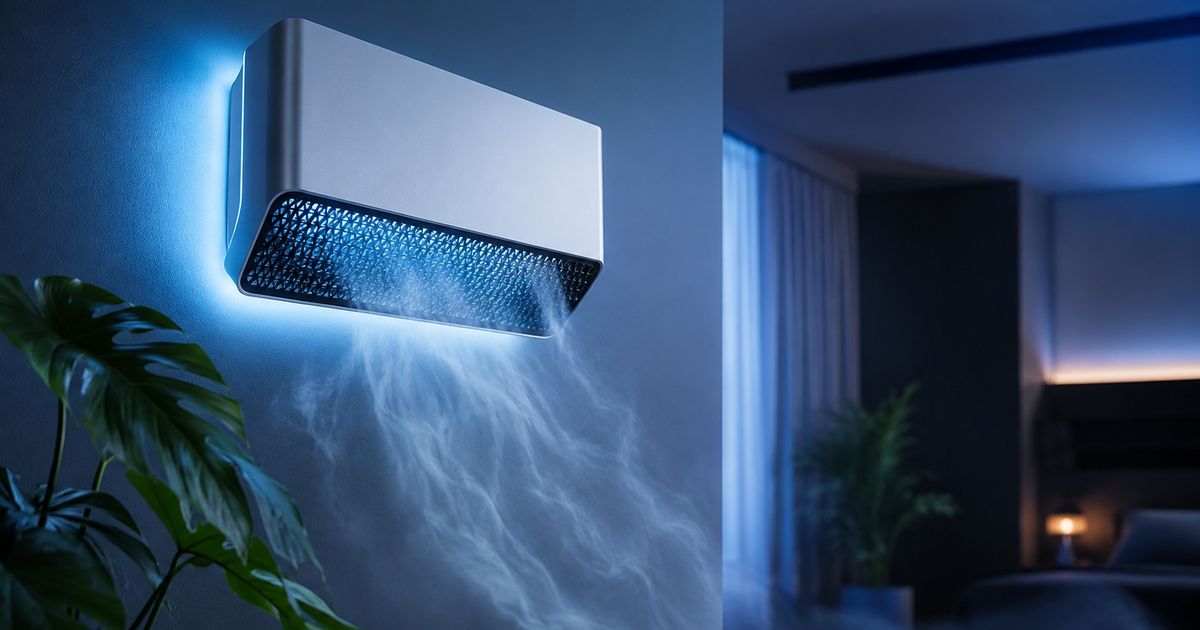
Photograph: Aroged (embedded from source)
What this story says
- Scientists from the University of Tsukuba and Karlsruhe Institute of Technology have developed a solid-state cooling system using shape-memory alloys.
- The prototype employs two ultra-thin metal films to transform heat into mechanical motion for cooling purposes.
- Lab tests showed the system achieved a 12.9K temperature difference on the refrigerant film and a 4K difference between hot and cold parts.
- This technology is intended to decrease the electricity required for cooling in data centers and electronics.
Who covered it
Percentages are shares of the 10 outlets carrying a published leaning rating. 11 of the 21 outlets we know ran this story carry no rating and are not counted in them. Coverage measured .
Trust
50/100
Craft
55/100
Hype
35/100
21 sources · methodology
A new solid-state cooling system has been developed by scientists from the University of Tsukuba in Japan and the Karlsruhe Institute of Technology in Germany. This prototype utilises shape-memory alloys to convert heat into mechanical motion, which then drives the cooling process. The technology aims to address the substantial electricity demands of cooling systems in data centres and other electronic devices.
The system is built using two ultra-thin metal films, identified as TiNi and TiNiFe. When the TiNi film is heated, it shrinks, converting thermal energy into mechanical force. This force then stretches the TiNiFe refrigerant film, causing a reversible phase change that results in cooling. In laboratory tests, the system demonstrated a 12.9K temperature difference on the refrigerant film and a 4K temperature difference between the hot and cold components.
Further testing indicated that the prototype reached 84% of its theoretical maximum cooling efficiency. While current iterations cannot yet cool modern processors due to limitations such as response time and system geometry, researchers are exploring ways to increase cooling capacity, including connecting multiple films in parallel. The technology could potentially be powered by waste heat generated by the devices it cools.
Coverage comparison
What the coverage left out
None of the centre-rated reports mentioned the specific temperature differences achieved in lab tests, such as the 12.9K on the refrigerant film or the 4K between hot and cold parts. The efficiency figure of 84% of theoretical maximum cooling efficiency was also not included in these reports.
Still developing. We have re-checked which outlets are covering this 6 times, most recently on 2 Sept 2026, 22:15, and will add the sides that appear.
How other outlets pictured it
Which photograph to run is each newsroom’s own choice. The leaning beside a name is that outlet’s published rating, not a claim that the pictures divide along it. Every picture is shown from the outlet’s own server and links to the article it ran in.
Phong Đỗ
Thanh Niên — embedded from source
How each side covered it
Our own reading of the reporting listed below, written from the outlets’ articles rather than quoted from them. The reasoning is set out on our methodology page.
Left
0 rated outlets
No outlet rated left has run this story so far. We are still checking, and will say plainly if that does not change.
Centre
10 rated outlets
- The centre-rated reports highlighted the development of a cooling system that uses waste heat and could save electricity. Reuters noted that beyond Nvidia, power and cooling firms are benefiting from data centre expansion. The digests from mannheim24.de, Kreiszeitung, and op-online.de all focused on Karlsruhe researchers turning waste heat into cold to save electricity for cooling, mentioning a KIT prototype that demonstrates how cooling can work with heat and reduce electricity demand for electronics.
Right
0 rated outlets
No outlet rated right has run this story so far. We are still checking, and will say plainly if that does not change.
Questions about this coverage
- How did the left and right cover Scientists Develop Solid-State Cooling System Using Shape-Memory Alloys?
- Of the 10 outlets on this story carrying a published leaning rating, 0% are rated left, 100% are rated centre, 0% are rated right. Those percentages are shares of the rated outlets, not of every outlet that ran it, which was 21. The sections above set out what each side emphasised, in its own terms.
- Is Scientists Develop Solid-State Cooling System Using Shape-Memory Alloys left or right?
- Too few of the outlets on this story carry a published leaning rating to say. 10 of them do, and this site does not characterise a field under 12: at that size one newsroom filing moves the share by ten points. The percentages above are the count as it stands.
- Is the coverage of Scientists Develop Solid-State Cooling System Using Shape-Memory Alloys biased?
- Scientists Develop Solid-State Cooling System Using Shape-Memory Alloys is one event reported by 21 outlets, and this page does not rate the story as biased or unbiased. What it publishes is the spread: which outlets ran it, where named rating organisations place each of them on the spectrum, and what each side chose to lead with. A leaning rating describes an outlet's record over time, not this article, and the two should not be run together.
- Which outlets covered Scientists Develop Solid-State Cooling System Using Shape-Memory Alloys?
- 21 that we know of, every one of them listed further up this page with a link to its own report and to what we hold on the publisher. Nothing here is a summary of somebody else's summary: the outlets are named so the original reporting can be read.
- What is the new cooling technology?
- Scientists have developed a solid-state cooling system using shape-memory alloys that converts heat into mechanical motion for cooling. This prototype aims to reduce electricity consumption in electronics and data centers by utilising waste heat.
- How does the prototype work?
- The system uses two ultra-thin metal films, TiNi and TiNiFe. When heated, the TiNi film converts thermal energy into mechanical force, which stretches the TiNiFe film, causing a phase change that results in cooling.
- What are the potential applications for this technology?
- The technology is intended to reduce the electricity used for cooling in data centers and other electronic devices. It could potentially be powered by the heat generated by the devices themselves.
Read it at the source
21 outlets, grouped by the leaning a published rating gives them. Every headline links to the original; an underlined outlet name opens our profile of that publisher.
Left
0No outlet in this group ran the story.
Centre
10- Not just Nvidia: these power and cooling firms are riding the trillion-dollar data centre boom (opens Reuters in a new tab)
- Karlsruhe Researchers Turn Waste Heat Into Cold – and Thus Want to Save Electricity for Cooling (opens mannheim24.de in a new tab)
mannheim24.de — is mannheim24.de biased? Our profile of this outlet
- Karlsruhe Researchers Turn Waste Heat Into Cold – and Thus Want to Save Electricity for Cooling (opens Kreiszeitung in a new tab)
Kreiszeitung — is Kreiszeitung biased? Our profile of this outlet
- Karlsruhe Researchers Turn Waste Heat Into Cold – and Thus Want to Save Electricity for Cooling (opens merkur.de in a new tab)
- Karlsruhe Researchers Turn Waste Heat Into Cold – and Thus Want to Save Electricity for Cooling (opens tz.de in a new tab)
- Karlsruhe Researchers Turn Waste Heat Into Cold – and Thus Want to Save Electricity for Cooling (opens hna.de in a new tab)
- Electricity-free cooling system for data centers prototyped by scientists in Germany and Japan (opens datacenterdynamics.com in a new tab)
datacenterdynamics.com — is datacenterdynamics.com biased? Our profile of this outlet
- Heat-driven elastocaloric cooling with shape memory films - Nature Energy (opens Nature in a new tab)
Show 2 more
- Scientists create motor-free cooling system powered entirely by heat (opens Interesting Engineering in a new tab)
Interesting Engineering — is Interesting Engineering biased? Our profile of this outlet
- German-Japanese researchers invent electricity-free tech that could cool datacenters (opens The Register in a new tab)
The Register — is The Register biased? Our profile of this outlet
Right
0No outlet in this group ran the story.
Not rated
11- Data center cooling could run on its own waste heat (opens CyberNews in a new tab)
- The New Refrigerator Has Been Built, Powered by Waste Heat (opens Heti Világgazdaság in a new tab)
Heti Világgazdaság — is Heti Világgazdaság biased? Our profile of this outlet
- Solar Energy. Scientists Have Created a Cooling System that Converts Heat to Cold without Electricity (opens Unknown in a new tab)
Unknown
- Chips will be able to use their own heat to cool themselves - scientists create unusual solid-state refrigerator (opens Aroged in a new tab)
- A Breakthrough in New Cooling Technology that Doesn't Require Electricity. (opens Thanh Niên in a new tab)
Thanh Niên — is Thanh Niên biased? Our profile of this outlet
- Scientists Create Motor Free Cooling System Powered Entirely By Heat (opens onlinemarketingscoops.com in a new tab)
onlinemarketingscoops.com — is onlinemarketingscoops.com biased? Our profile of this outlet
- Karlsruhe Researchers Turn Waste Heat Into Cold – and Thus Want to Save Electricity for Cooling (opens op-online.de in a new tab)
op-online.de — is op-online.de biased? Our profile of this outlet
- Motorless solid-state cooler uses heat to cool itself; could recycle processor heat into cooling — shape-memory alloy films could turn data center exhaust into refrigeration (opens Tom's Hardware in a new tab)
Tom's Hardware — is Tom's Hardware biased? Our profile of this outlet
Show 3 more
- German-Japanese Researchers Invent Electricity-Free Technology to Cool Data Centers (opens ChannelNews in a new tab)
ChannelNews — is ChannelNews biased? Our profile of this outlet
- What if the Heat of the Servers Could Cool It Itself, without Electricity? (opens Génération-NT in a new tab)
Génération-NT — is Génération-NT biased? Our profile of this outlet
- KIT - The KIT - Media - Press Releases - PI 2026 - Electricity-Free Solid-State Cooling: Heat Becomes coldKIT - Karlsruhe Institute of Technology (opens kit.edu in a new tab)
kit.edu
How did this read?
About the coverage, not about the story. We do not ask whether you agree with what happened — we have no honest use for that answer.
More in Science & Tech
All Science & Tech →


Elsewhere on the site
![US Defense Secretary Pete Hegseth speaks during a ceremony at the Pentagon in Washington, DC on August 26, 2026 [Evelyn Hockstein/Reuters]](https://www.aljazeera.com/wp-content/uploads/2026/09/reuters_6a988137-1788379447.jpg?resize=1920%2C1440) Politics•4 min readTillis calls on Trump to fire Defence Secretary Hegseth over military leadership
Politics•4 min readTillis calls on Trump to fire Defence Secretary Hegseth over military leadership Conflict & Security•4 min readSurrey mosque vandalised with death threats and raw bacon, RCMP investigate hate crime
 Business & Economy•4 min readStrait of Hormuz oil transit hits wartime high of 17 million barrels in a day