Scientists Grow Potatoes in Simulated Lunar Soil
Research suggests the crop could be vital for future moon bases and has applications for Earth agriculture.
AI-assisted coverage comparison, editor-supervised · How this was made
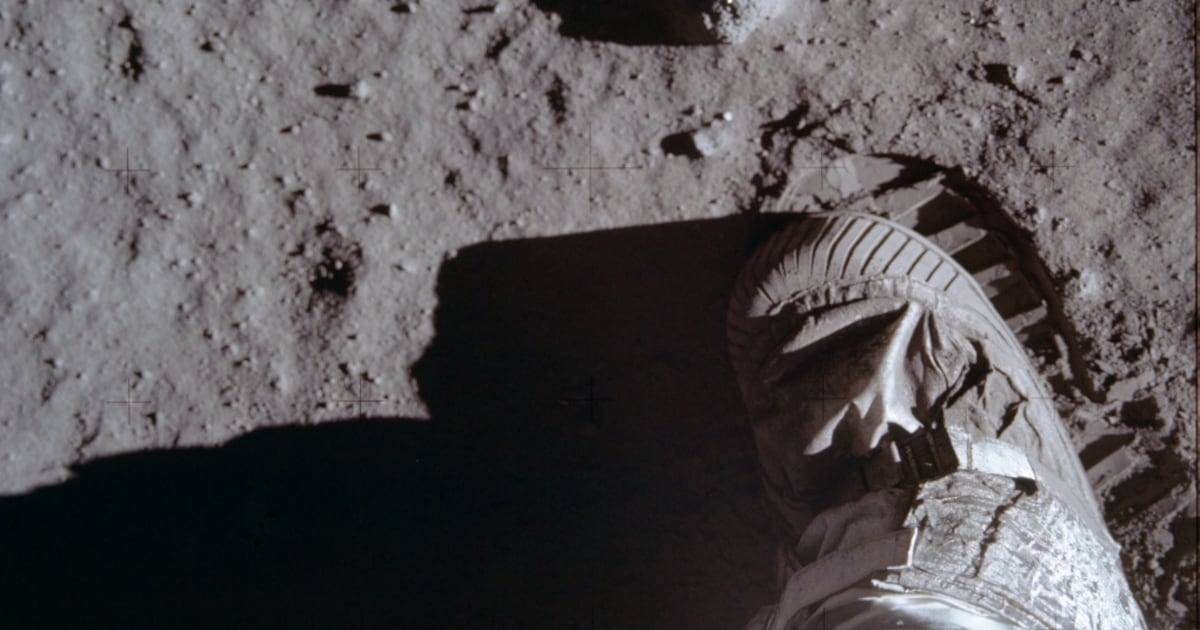
Scientists Grow Potatoes in Simulated Lunar Soil
Photograph: CTV News (embedded from source)
What this story says
- Potatoes have been successfully grown in simulated lunar soil mixed with organic matter, according to a study led by Oregon State University.
- The research, supported by NASA, found that potatoes grown in regolith with 30% vermicompost yielded as well as those grown in Earth soil.
- The study, published in npj Microgravity, suggests this capability could be crucial for sustaining future long-term human missions on the moon.
- The findings also indicate potential benefits for agriculture in low-output regions on Earth, such as inner cities and desert communities.
Who covered it
Percentages are shares of the 67 outlets carrying a published leaning rating. 59 of the 126 outlets we know ran this story carry no rating and are not counted in them. Coverage measured .
Trust
58/100
Craft
64/100
Hype
41/100
126 sources · methodology
Scientists have successfully cultivated potatoes in a simulated lunar soil environment, a development that could support future human habitation on the moon. The research, led by Oregon State University plant biologist Aymeric Goyer and supported by NASA, involved supplementing lunar regolith with organic material. The study found that when the simulated lunar soil was mixed with 30% vermicompost, the potatoes yielded identically to those grown in Earth soil.
The research, published in the journal npj Microgravity, explored the challenges of growing crops in lunar regolith, which lacks organic material and contains high levels of heavy metals. Potatoes grown in regolith with no added vermicompost produced minimal roots or tubers. However, even a small amount of vermicompost, at 5%, allowed for some growth. Beyond supporting potential lunar agriculture, the study's authors suggest the technologies developed could also improve food production in regions with poor agricultural output on Earth.
Disagreement on potato taste
While the study successfully grew potatoes in simulated lunar soil, the question of their edibility and taste remains. Oregon State University plant biologist Aymeric Goyer stated that the harvested potatoes were used for lab analysis and had not yet been tasted. However, multiple digests of the study reported that the potatoes grown were safe to eat.
What the coverage left out
None of the left, centre, or right-rated digests mention the specific variety of potato used in the study, the 'Modoc' variety, which was detailed in the full report from CTV News. Additionally, none of the digests specify the exact yield comparison between Earth soil and lunar soil, beyond stating they were identical or comparable.
Still developing. We have re-checked which outlets are covering this 26 times, most recently on 20 Nov 2026, 23:45, and will add the sides that appear.
How each side covered it
Our own reading of the reporting listed below, written from the outlets’ articles rather than quoted from them. The reasoning is set out on our methodology page.
Left
15 rated outlets
- Left-rated reports highlighted the potential for astronauts to eat home-grown potatoes on the moon, with headlines referencing "moon-grown chips" and the possibility of "space spuds." These reports frequently mentioned the study's success in growing potatoes in simulated lunar soil and that they are safe to eat. Several also noted the application of these findings for improving agriculture in low-output regions on Earth, such as inner cities and desert communities. The use of organic material, specifically fertilizer from food waste, was also mentioned as a key to the success.
Centre
36 rated outlets
- Centre-rated reports focused on the experimental nature of the research, with headlines indicating "Oregon researchers experiment with ways to grow potatoes on the moon." These digests consistently noted that the study was supported by NASA and conducted by researchers at Oregon State University over an 18-month period. The core finding that potatoes could be grown on a permanent lunar colony was central to these reports. Some also mentioned the potential for food production on future lunar bases.
Right
16 rated outlets
- Right-rated reports concentrated on the outcome of the study, stating that "potatoes grown in moon-like soil safe to eat." These digests frequently linked the findings to the possibility of developing a "self-sufficient human colony on the moon." The fact that the potatoes were grown in simulated lunar soil was a common element. Some reports also mentioned the research was conducted in the USA with NASA support.
Questions about this coverage
- How did the left and right cover Scientists Grow Potatoes in Simulated Lunar Soil?
- Of the 67 outlets on this story carrying a published leaning rating, 22% are rated left, 54% are rated centre, 24% are rated right. Those percentages are shares of the rated outlets, not of every outlet that ran it, which was 126. The sections above set out what each side emphasised, in its own terms.
- Is Scientists Grow Potatoes in Simulated Lunar Soil left or right?
- Neither side dominates it. Of the 67 rated outlets on this story, 22% are rated left, 54% are rated centre, 24% are rated right, and no side holds the 70% this site would want before calling a field one-sided. A story is not left or right in any case; the outlets that carried it are what carry ratings.
- Is the coverage of Scientists Grow Potatoes in Simulated Lunar Soil biased?
- Scientists Grow Potatoes in Simulated Lunar Soil is one event reported by 126 outlets, and this page does not rate the story as biased or unbiased. What it publishes is the spread: which outlets ran it, where named rating organisations place each of them on the spectrum, and what each side chose to lead with. A leaning rating describes an outlet's record over time, not this article, and the two should not be run together.
- Which outlets covered Scientists Grow Potatoes in Simulated Lunar Soil?
- 126 that we know of, every one of them listed further up this page with a link to its own report and to what we hold on the publisher. Nothing here is a summary of somebody else's summary: the outlets are named so the original reporting can be read.
- What did scientists achieve with the lunar soil experiment?
- Scientists successfully grew potatoes in simulated lunar soil supplemented with organic material. The research indicated that with sufficient organic matter, the yield was comparable to potatoes grown in Earth soil, suggesting a viable method for food production in space.
- Who led the research on growing potatoes in lunar soil?
- The research was led by Oregon State University plant biologist Aymeric Goyer and supported by NASA. The study was published in the scientific journal npj Microgravity.
- What are the potential benefits of this research?
- The research has potential benefits for sustaining astronauts on long-term lunar missions by providing a local food source. It also suggests that the developed technologies could be applied to improve agriculture in regions on Earth with limited output, such as desert communities.
Read it at the source
126 outlets, grouped by the leaning a published rating gives them. Every headline links to the original; an underlined outlet name opens our profile of that publisher.
Left
15- Could astronauts soon eat moon-grown chips? Scientists make major potato breakthrough (opens NationalWorld in a new tab)
NationalWorld — is NationalWorld biased? Our profile of this outlet
- Potatoes Grown on the Moon's Soil. Researchers Managed to Obtain a Crop: What Fertilizer They Used and What Vegetables Show (opens antena3.ro in a new tab)
antena3.ro — is antena3.ro biased? Our profile of this outlet
- Oregon researchers experiment with ways to grow potatoes on the moon (opens WCSH in a new tab)
- From the Movie "The Martian" to Reality - Scientists Manage to Grow Potatoes on Simulated Lunar Soil (opens Telegrafi in a new tab)
- Researchers Make Potatoes Grow in Moondust (opens t-online in a new tab)
- Space spuds? Study says potatoes grown in moon-like soil safe to eat (opens ashepostandtimes.com in a new tab)
ashepostandtimes.com — is ashepostandtimes.com biased? Our profile of this outlet
- Space spuds? Study says potatoes grown in moon-like soil safe to eat (opens News-Herald in a new tab)
News-Herald — is News-Herald biased? Our profile of this outlet
- Space spuds? Study says potatoes grown in moon-like soil safe to eat (opens The Laconia Daily Sun in a new tab)
The Laconia Daily Sun — is The Laconia Daily Sun biased? Our profile of this outlet
Show 7 more
- Space spuds? Study says potatoes grown in moon-like soil safe to eat (opens El Paso Inc. in a new tab)
El Paso Inc. — is El Paso Inc. biased? Our profile of this outlet
- Space spuds? Study says potatoes grown in moon-like soil safe to eat (opens Watauga Democrat in a new tab)
Watauga Democrat — is Watauga Democrat biased? Our profile of this outlet
- Space Travel: Worm Compost Allows Potato Cultivation on Simulated Moonbed (opens Spiegel in a new tab)
- Space food is a step closer after spuds grown in ‘moon soil’ declared safe (opens Metro News in a new tab)
Metro News — is Metro News biased? Our profile of this outlet
- Potatoes Grow on Moon Dust as Well as on Real Earth (opens der Standard AT in a new tab)
der Standard AT — is der Standard AT biased? Our profile of this outlet
- One small step for potatoes? Scientists explore growing food on the moon. (opens The Washington Post in a new tab)
The Washington Post — is The Washington Post biased? Our profile of this outlet
- Worms, Mushrooms and Urine to Grow Potatoes in the Bad Land of the Moon (opens El Pais in a new tab)
Centre
36- Scientists Grew Potatoes in Fake Moon Soil and the Secret Ingredient is a Bit Gross (opens ZME Science in a new tab)
ZME Science — is ZME Science biased? Our profile of this outlet
- Oregon researchers experiment with ways to grow potatoes on the moon (opens Fort Smith/Fayetteville News in a new tab)
Fort Smith/Fayetteville News — is Fort Smith/Fayetteville News biased? Our profile of this outlet
- Oregon researchers experiment with ways to grow potatoes on the moon (opens KYTX in a new tab)
- Oregon researchers experiment with ways to grow potatoes on the moon (opens Krem2 News in a new tab)
Krem2 News — is Krem2 News biased? Our profile of this outlet
- Oregon researchers experiment with ways to grow potatoes on the moon (opens KTVB in a new tab)
- Oregon researchers experiment with ways to grow potatoes on the moon (opens WBIR in a new tab)
- Oregon researchers experiment with ways to grow potatoes on the moon (opens WLTX in a new tab)
- Oregon researchers experiment with ways to grow potatoes on the moon (opens WKYC in a new tab)
Show 28 more
- Oregon researchers experiment with ways to grow potatoes on the moon (opens WFAA 8abc in a new tab)
- Oregon researchers experiment with ways to grow potatoes on the moon (opens 9NEWS Denver in a new tab)
9NEWS Denver — is 9NEWS Denver biased? Our profile of this outlet
- Scientists Grow Potatoes in Simulated Lunar Soil (opens sci.news in a new tab)
- How Future Lunar Colonists Can Farm Potatoes on the Moon (opens Nautilus in a new tab)
- The Moon Potato Grows Properly and Produces Food. (opens Eesti Rahvusringhääling in a new tab)
Eesti Rahvusringhääling — is Eesti Rahvusringhääling biased? Our profile of this outlet
- Potatoes on the moon? OSU study shows promise for growing food in lunar soil (opens KTVZ in a new tab)
- Scientists succeed in growing potatoes in simulated moon soil (opens CTV News in a new tab)
- Space spuds? Study says potatoes grown in moon-like soil safe to eat (opens The Penn in a new tab)
- Space spuds? Study says potatoes grown in moon-like soil safe to eat (opens Ashley County Ledger in a new tab)
Ashley County Ledger — is Ashley County Ledger biased? Our profile of this outlet
- Space spuds? Study says potatoes grown in moon-like soil safe to eat (opens iosconews.com in a new tab)
iosconews.com — is iosconews.com biased? Our profile of this outlet
- Space spuds? Study says potatoes grown in moon-like soil safe to eat (opens The Guam Daily Post in a new tab)
The Guam Daily Post — is The Guam Daily Post biased? Our profile of this outlet
- Space spuds? Study says potatoes grown in moon-like soil safe to eat (opens Purdue Exponent in a new tab)
Purdue Exponent — is Purdue Exponent biased? Our profile of this outlet
- Space spuds? Study says potatoes grown in moon-like soil safe to eat (opens The Conway Daily Sun in a new tab)
The Conway Daily Sun — is The Conway Daily Sun biased? Our profile of this outlet
- Space spuds? Study says potatoes grown in moon-like soil safe to eat (opens Key West Citizen in a new tab)
Key West Citizen — is Key West Citizen biased? Our profile of this outlet
- Space spuds? Study says potatoes grown in moon-like soil safe to eat (opens http://www.wfxg.com in a new tab)
http://www.wfxg.com — is http://www.wfxg.com biased? Our profile of this outlet
- Space spuds? Study says potatoes grown in moon-like soil safe to eat (opens Pacific Daily News in a new tab)
Pacific Daily News — is Pacific Daily News biased? Our profile of this outlet
- Space spuds? Study says potatoes grown in moon-like soil safe to eat (opens Leader Publications in a new tab)
Leader Publications — is Leader Publications biased? Our profile of this outlet
- Space spuds? Study says potatoes grown in moon-like soil safe to eat (opens The Grand Junction Daily Sentinel in a new tab)
- Space spuds? Study says potatoes grown in moon-like soil safe to eat (opens Idaho County Free Press in a new tab)
Idaho County Free Press — is Idaho County Free Press biased? Our profile of this outlet
- Space spuds? Study says potatoes grown in moon-like soil safe to eat (opens Your Alaska Link in a new tab)
Your Alaska Link — is Your Alaska Link biased? Our profile of this outlet
- Space spuds? Study says potatoes grown in moon-like soil safe to eat (opens WFMZ in a new tab)
- Space spuds? Study says potatoes grown in moon-like soil safe to eat (opens KPVI in a new tab)
- Space spuds? Study says potatoes grown in moon-like soil safe to eat (opens KAKE News in a new tab)
- Space spuds? Study says potatoes grown in moon-like soil safe to eat (opens Columbia Gorge News in a new tab)
Columbia Gorge News — is Columbia Gorge News biased? Our profile of this outlet
- Space spuds? Study says potatoes grown in moon-like soil safe to eat (opens KHQ Right Now in a new tab)
KHQ Right Now — is KHQ Right Now biased? Our profile of this outlet
- Space spuds? Study says potatoes grown in moon-like soil safe to eat (opens ABC FOX Montana in a new tab)
ABC FOX Montana — is ABC FOX Montana biased? Our profile of this outlet
- Study finds potatoes grown in simulated lunar soil match Earth-grown performance (opens Eurek Alert in a new tab)
Eurek Alert — is Eurek Alert biased? Our profile of this outlet
- Potatoes grown in moon dirt are as nutritious as Earth potatoes (opens Popular Science in a new tab)
Popular Science — is Popular Science biased? Our profile of this outlet
Right
16- The Movie *The Martian* Is Actually… Growing Potatoes in Lunar Soil (opens 조선일보 in a new tab)
조선일보
- Scientists Have Named the Greenery of the Future, and the Golden Age of Humanity May Depend on It (opens Origo in a new tab)
- Scientists Successfully Grow Potatoes In Simulated Moon Soil (opens tippinsights in a new tab)
tippinsights — is tippinsights biased? Our profile of this outlet
- In the USA, potatoes were grown in lunar soil for the first time (opens news-pravda.com in a new tab)
news-pravda.com — is news-pravda.com biased? Our profile of this outlet
- Scientists Have Proven that Edible Potatoes Can Be Grown on the Moon. (opens Korrespondent.net in a new tab)
Korrespondent.net — is Korrespondent.net biased? Our profile of this outlet
- Space spuds? Study says potatoes grown in moon-like soil safe to eat (opens Mountain Democrat in a new tab)
Mountain Democrat — is Mountain Democrat biased? Our profile of this outlet
- Space spuds? Study says potatoes grown in moon-like soil safe to eat (opens Chronicle-Tribune in a new tab)
Chronicle-Tribune — is Chronicle-Tribune biased? Our profile of this outlet
- Space spuds? Study says potatoes grown in moon-like soil safe to eat (opens Webster County Citizen in a new tab)
Webster County Citizen — is Webster County Citizen biased? Our profile of this outlet
Show 8 more
- Space spuds? Study says potatoes grown in moon-like soil safe to eat (opens The Herald Palladium in a new tab)
The Herald Palladium — is The Herald Palladium biased? Our profile of this outlet
- Scientists succeed in growing potatoes in simulated moon soil (opens Arab News in a new tab)
- Scientists Grow Potatoes in Simulated Lunar Soil (opens Reformatorisch Dagblad in a new tab)
Reformatorisch Dagblad — is Reformatorisch Dagblad biased? Our profile of this outlet
- Scientists Successfully Test Edible Potato Production on Simulated Lunar Soil (opens Observador in a new tab)
Observador — is Observador biased? Our profile of this outlet
- Space spuds? Study says potatoes grown in moon-like soil safe to eat (opens Owensboro Messenger-Inquirer in a new tab)
Owensboro Messenger-Inquirer — is Owensboro Messenger-Inquirer biased? Our profile of this outlet
- Scientists Successfully Test Potato Cultivation on Simulated Lunar Soil (opens Sapo in a new tab)
- Scientists Have Managed to Grow Potatoes on the Moon and They Are Safe to Eat (opens Protothema in a new tab)
Protothema — is Protothema biased? Our profile of this outlet
- From Earth to the Moon: All Set for the Second Great Potato Journey (opens ABC in a new tab)
Not rated
59- Scientists Grow Potatoes Suitable for Human Consumption in Soil that Simulates the Conditions of the Moon (opens O Antagonista in a new tab)
O Antagonista — is O Antagonista biased? Our profile of this outlet
- Scientists Successfully Grow Potatoes In Simulated Moon Soil (opens BizToc in a new tab)
- Scientists Manage to Grow Potatoes Suitable for Human Consumption in Soil that Simulates the Conditions of the Moon (opens G5noticias in a new tab)
G5noticias — is G5noticias biased? Our profile of this outlet
- For the First Time, Scientists Have Grown Vegetables in the Lunar Soil — What Harvest They Have Harvested. (opens e1.ru in a new tab)
- Successful Experiment: Potato Cultivation in Moondust Is Possible (opens winfuture.de in a new tab)
winfuture.de — is winfuture.de biased? Our profile of this outlet
- Potatoes Grown in "Monthly Soil". Researchers Obtained the First Harvest (opens cotidianul.ro in a new tab)
cotidianul.ro — is cotidianul.ro biased? Our profile of this outlet
- Is it possible to grow potatoes on the moon? (opens hortidaily.com in a new tab)
hortidaily.com
- Potatoes in Space: The Possibilities of Growing on the Moon #StarGrNews (opens star.gr in a new tab)
Show 51 more
- Potatoes in Space: Scientists Examine the Potential of Growing Them on the Moon (opens dnews.gr in a new tab)
- Could Potatoes Be the Key to Human Life on the Moon? (opens fararu.com in a new tab)
fararu.com — is fararu.com biased? Our profile of this outlet
- Scientists Grow Safe-to-Eat Potatoes in Moon Soil (opens Pro Pakistani in a new tab)
Pro Pakistani — is Pro Pakistani biased? Our profile of this outlet
- For the First Time, Scientists Have Grown Edible Potatoes in Imitation of Lunar Soil. Yes, It's Almost Like the Movie “The Martian” (opens tvrain.tv in a new tab)
- Moon Farming: Potatoes Thrive in Lunar Soil Enriched With Worm Compost (opens upday in a new tab)
- Scientists Planted Potatoes on the Ground Just Like the Moon, and They Grew up Like They Did on Earth. (opens SoCientífica in a new tab)
SoCientífica — is SoCientífica biased? Our profile of this outlet
- Potatoes Grown in Simulated Lunar Soil for Space Missions (opens The CSR Journal in a new tab)
The CSR Journal — is The CSR Journal biased? Our profile of this outlet
- Will Potatoes Be Grown on the Moon? - What Research Reveals (opens dialogos.com.cy in a new tab)
dialogos.com.cy — is dialogos.com.cy biased? Our profile of this outlet
- Researchers Have Grown Potatoes in a Soil that Mimics the Surface of the Moon (opens g4food.ro in a new tab)
- Research Paves the Way for Developing Agriculture on the Moon (opens cyprustimes.com in a new tab)
cyprustimes.com — is cyprustimes.com biased? Our profile of this outlet
- Potatoes Could Save Mankind From Hunger on the Moon. NASA-Funded Experiment that Turns an SF Scenario Into Reality (opens PLAYTECH.ro in a new tab)
PLAYTECH.ro — is PLAYTECH.ro biased? Our profile of this outlet
- Potatoes Are Cultivated in Soil that Mimics the Moon - 20/11/2026 (opens Folha de S.Paulo in a new tab)
Folha de S.Paulo — is Folha de S.Paulo biased? Our profile of this outlet
- Moon: Potatoes Grew in 'Lunar' Soil and Were Safe to Eat, According to New NASA Study (opens THE BEST in a new tab)
- Important Breakthrough for Astronauts, Edible Potatoes Grown in Simulated Lunar Soil (opens Index in a new tab)
- Scientists Successfully Grow Potatoes in Simulated Lunar Soil (opens themondonews.com in a new tab)
themondonews.com — is themondonews.com biased? Our profile of this outlet
- Potatoes Grown in Simulated Lunar Soil Correspond to Earth's Growing Performance (opens Issuesfr in a new tab)
- On the Moon They Will Grow Potatoes, the Experiment of the Nasa (opens Agi.it in a new tab)
- What Kind of Soil Do We Grow In? (opens turkiyegazetesi.com.tr in a new tab)
turkiyegazetesi.com.tr — is turkiyegazetesi.com.tr biased? Our profile of this outlet
- Potatoes grown in moon dirt are as nutritious as Earth potatoes (opens adafruit.com in a new tab)
adafruit.com — is adafruit.com biased? Our profile of this outlet
- Space Potatoes: Scientists Can Cultivate Food on Simulated Lunar Soil (opens CNN Brasil in a new tab)
CNN Brasil — is CNN Brasil biased? Our profile of this outlet
- Spuds in space: scientists say potatoes could be key food source for future moon base (opens online-listing.com in a new tab)
online-listing.com — is online-listing.com biased? Our profile of this outlet
- Space spuds? Study says potatoes grown in moon-like soil safe to eat (opens CoMo BUZ in a new tab)
- Are Potatoes Grown on the Moon? - What Researchers Found (opens enikonomia.gr in a new tab)
enikonomia.gr — is enikonomia.gr biased? Our profile of this outlet
- Study Finds Potatoes Grown in Simulated Lunar Soil Match Earth-Grown Performance (opens morningagclips.com in a new tab)
morningagclips.com — is morningagclips.com biased? Our profile of this outlet
- Scientists Have Managed to Cultivate Potatoes in the Soil that Mimics the Moon's Surface. NASA-Supported Discovery (opens Stirile Pro TV in a new tab)
Stirile Pro TV — is Stirile Pro TV biased? Our profile of this outlet
- Scientists Can Cultivate Potatoes in Simulated Lunar Solo (opens Forbes Brasil in a new tab)
Forbes Brasil — is Forbes Brasil biased? Our profile of this outlet
- Space Agrotechnology. Potatoes Grown in Imitation of Lunar Soil Are Not Inferior in Quality to Earthly (opens Unknown in a new tab)
Unknown
- Scientists Manage to Grow Potatoes Suitable for Human Consumption in Soil that Simulates the Conditions of the Moon (opens RPP in a new tab)
- Potatoes in Simulated Lunar Soil Enable Manned Base (opens SpaceMoney in a new tab)
SpaceMoney — is SpaceMoney biased? Our profile of this outlet
- Growing Potatoes on the Moon: NASA Paves the Way for Safe Crops Off Earth (opens pontosnews.gr in a new tab)
pontosnews.gr — is pontosnews.gr biased? Our profile of this outlet
- American Scientists Grow Potatoes in Lunar Soil: They Grow Just as Well as on Earth (opens 24sata.hr in a new tab)
- Potatoes From the Moon. Scientists Declare Success (opens rmf24.pl in a new tab)
- Can We Grow Potatoes on the Moon? Research Paves the Way for the Development of Agriculture on Earth's Satellite (opens ypaithros.gr in a new tab)
ypaithros.gr — is ypaithros.gr biased? Our profile of this outlet
- Scientists Have Grown Potatoes in Lunar Soil. (opens anlatilaninotesi.com.tr in a new tab)
anlatilaninotesi.com.tr — is anlatilaninotesi.com.tr biased? Our profile of this outlet
- Potatoes on the Moon: NASA's Earthworm Secret That Neutralizes Regolith - Techmaniacs (opens techmaniacs.gr in a new tab)
techmaniacs.gr — is techmaniacs.gr biased? Our profile of this outlet
- "Moon Potatoes Are of High Quality," Say the Researchers Who Cultivate Them (opens Naftemporiki in a new tab)
Naftemporiki — is Naftemporiki biased? Our profile of this outlet
- Scientists Successfully Test Potato Cultivation on Simulated Lunar Soil (opens SIC Notícias in a new tab)
SIC Notícias — is SIC Notícias biased? Our profile of this outlet
- Scientists Have Shown that Edible Potatoes Can Grow on the Moon - Onliner Technology (opens onliner.by in a new tab)
onliner.by — is onliner.by biased? Our profile of this outlet
- Scientists Grow Potatoes on the Moon – And They're Just as Nutritious as Those on Earth (opens flash.gr in a new tab)
- Moon: Potatoes Grew in 'Lunar' Soil and Were Safe to Eat, According to New NASA Study (opens Newsit.gr in a new tab)
- Potato From the... Moon and Space Mashed Potatoes! - Another Problem Solved Thanks to NASA (opens bankingnews.gr in a new tab)
bankingnews.gr — is bankingnews.gr biased? Our profile of this outletOpinion
- Science-Space/Can We Grow Potatoes on the Moon? Research Paves the way... (opens avgi.gr in a new tab)
- Potatoes Grow Equally Well in Lunar Dust and Real Soil (opens scinexx.de in a new tab)
scinexx.de — is scinexx.de biased? Our profile of this outlet
- Scientists Successfully Test Edible Potato Production on Simulated Lunar Soil (opens Correio da Manhã in a new tab)
Correio da Manhã — is Correio da Manhã biased? Our profile of this outlet
- Can Potatoes Be Grown on the Moon? The Experiment that Paves the Way (opens sigmalive.com in a new tab)
sigmalive.com — is sigmalive.com biased? Our profile of this outlet
- Potatoes Grow on Moon Dust as Well as on Real Earth (opens der Standard DE in a new tab)
der Standard DE — is der Standard DE biased? Our profile of this outlet
- “Space” Potatoes on Astronauts' Menu: Research Gives “Green Light” for Growing Food (opens Ελεύθερος Τύπος in a new tab)
Ελεύθερος Τύπος
- They Grow Potatoes in Lunar Soil with a Yield Comparable to that of Land (opens Efeagro Información agroalimentaria in a new tab)
- Potatoes From Lunar Soil Are Edible. There Is One Condition. (opens portalspozywczy.pl in a new tab)
portalspozywczy.pl — is portalspozywczy.pl biased? Our profile of this outlet
- Scientists Successfully Test Potato Production on Simulated Lunar Soil (opens Noticias ao Minuto in a new tab)
Noticias ao Minuto — is Noticias ao Minuto biased? Our profile of this outlet
- Scientists Manage to Grow Potatoes on Simulated Lunar Soil (opens El Economista in a new tab)
El Economista — is El Economista biased? Our profile of this outlet
How did this read?
About the coverage, not about the story. We do not ask whether you agree with what happened — we have no honest use for that answer.
More in Science & Tech
All Science & Tech →

Elsewhere on the site
 Business & Economy•3 min readBitcoin Falls Below $60,000 for First Time Since July
 Politics•3 min readFrench Senate Approves Law on Police Use of Weapons
 Politics•3 min readFederal Prosecutor Bill Essayli to Investigate Mar-a-Lago Raid
 Politics•3 min readEstonia to close Russia border crossings citing security