Kenya triples renewable energy target to 5,500 MW, including nuclear power
The plan aims to meet industrial demand but experts warn electricity costs may not fall for consumers
AI-assisted coverage comparison, editor-supervised · How this was made
Kenya triples renewable energy target to 5,500 MW, including nuclear power
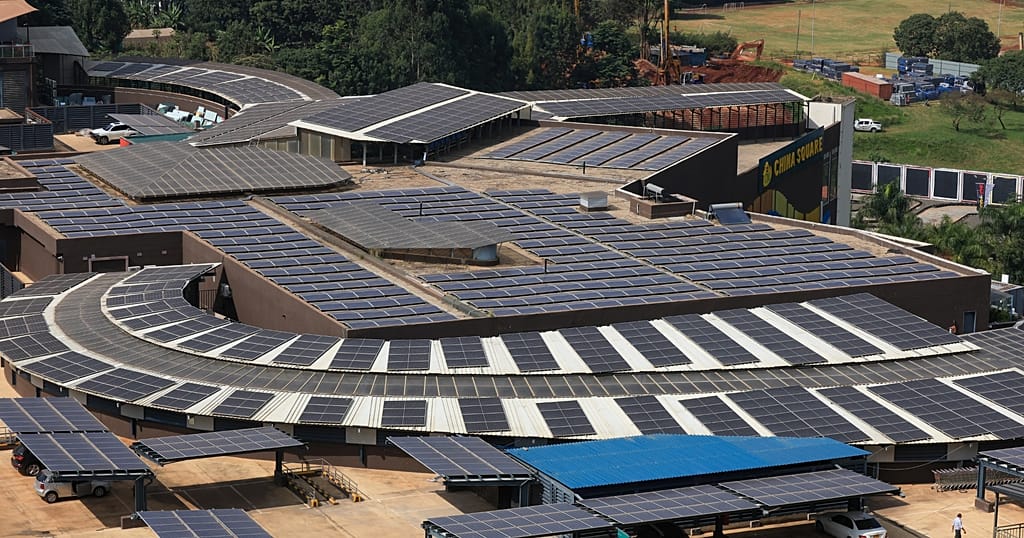
Photograph: Africa News (embedded from source)
What this story says
- Kenya’s new target for renewable energy capacity is 5,500 MW, up from 1,500 MW, with 2,000 MW allocated to nuclear power.
- The country already produces 93% of its electricity from renewable sources, but industrial consumers pay up to $0.23 per kilowatt-hour, higher than in South Africa and Egypt.
- More than 20% of Kenya’s electricity is lost to technical failures and illegal connections, compared with a global average of 8-10%.
- Experts say reforms to utility contracts, financing, and distribution are needed to lower consumer prices, not just expanded capacity.
Who covered it
Percentages are shares of the 12 outlets carrying a published leaning rating. Coverage measured .
Trust
77/100
Craft
55/100
Hype
15/100
12 sources · methodology
Thin on the right so far
Only 1 of the 12 outlets with a published leaning rating that ran this story are rated right.
This story is still being watched, so it is a count and not yet a finding. Coverage keeps arriving for hours after an event, and a side that has published nothing this morning may publish by tonight. If it is still true when we stop checking, we will say so plainly.
Kenya has tripled its long-term target for renewable energy capacity, raising it from about 1,500 megawatts to 5,500 MW. The plan includes 2,000 MW of nuclear power, 700 MW of hydropower, and new geothermal projects. The government aims to meet rising demand and support industrialisation, as reported by Africa News and the Associated Press.
Kenya already generates 93% of its electricity from renewable sources. However, industrial consumers pay between $0.18 and $0.23 per kilowatt-hour, higher than in South Africa, Egypt, Morocco, and Ethiopia. More than 20% of electricity is lost to technical failures and illegal connections, according to figures cited by Africa News and the Associated Press.
Experts say the expansion may not reduce consumer costs without reforms. Mugwe Manga, climate finance lead at FSD Kenya, told Africa News that distribution losses and high financing costs keep prices elevated. Independent power producers supply about 40% of Kenya’s capacity under long-term contracts, some of which include "take-or-pay" clauses that require payments even for unused electricity.
What the coverage left out
None of the right-rated digests mention the percentage of electricity lost to technical failures and illegal connections. The left-rated reports and Washington Top News carried the 20% figure, but none of the centre-rated digests did.
The right-rated digest did not name the specific costs industrial consumers pay per kilowatt-hour, nor did it compare them with rates in other African countries. The left and centre-rated reports carried these figures.
Still developing. We have re-checked which outlets are covering this 3 times, most recently on 19 Aug 2026, 12:30, and will add the sides that appear.
How other outlets pictured it
Which photograph to run is each newsroom’s own choice. The leaning beside a name is that outlet’s published rating, not a claim that the pictures divide along it. Every picture is shown from the outlet’s own server and links to the article it ran in.
FILE -A man connects electric cables on a pole above the Kibera informal settlement in Nairobi, Kenya, March 31, 2026. (AP Photo/Henry Naminde, File)
Associated Press News — embedded from source
How each side covered it
Our own reading of the reporting listed below, written from the outlets’ articles rather than quoted from them. The reasoning is set out on our methodology page.
Left
8 rated outlets
- The seven left-rated digests and two full reports led on Kenya’s expanded renewable energy target and the risk that consumer prices may not fall. Africa News and the Associated Press both quoted experts who said the focus should shift from capacity expansion to reducing costs through reforms to utility contracts, distribution networks, and financing.
- Africa News quoted Mugwe Manga saying that more than 20% of electricity is lost to technical failures and illegal connections, calling it a "low-hanging fruit" for efficiency gains. The outlet also reported that lawmakers had directed the energy minister to renegotiate electricity supply agreements to lower wholesale prices.
- The left-rated reports named the specific costs industrial consumers pay per kilowatt-hour and compared them with lower rates in South Africa, Egypt, Morocco, and Ethiopia. Africa News described Kenya’s renewable resource base as a "major advantage" but noted that prices reflect the entire energy system, not just generation costs.
Centre
3 rated outlets
- The four centre-rated digests and Washington Top News’s full report led on the tripling of Kenya’s renewable energy target and the inclusion of nuclear power. Washington Top News quoted Peter Njenga, CEO of KenGen, saying the country had "recalibrated" its growth trajectory to 5,500 MW.
- Washington Top News reported that lawmakers had pushed for lower electricity rates and directed the energy minister to develop a policy for renegotiating supply agreements. The outlet quoted Joseph Siror, CEO of Kenya Power, saying that consumer prices depend on infrastructure costs and tariff structures, and that Kenya’s reliance on green energy adds to expenses.
- The centre-rated reports carried the figure that industrial consumers pay between $0.18 and $0.23 per kilowatt-hour, higher than in South Africa and Egypt. Washington Top News also reported that proposed open-access market reforms could allow large consumers to buy electricity directly from generators.
Right
1 rated outlet
- The single right-rated digest led on Kenya’s tripling of its renewable energy target and the inclusion of nuclear power. It carried the 5,500 MW figure and noted that the expansion might not result in more affordable power for consumers.
Read it at the source
12 outlets, grouped by the leaning a published rating gives them. Every headline links to the original; an underlined outlet name opens our profile of that publisher.
Left
8- Kenya triples long-term power target for renewable energy (opens Africa News in a new tab)
Africa News — is Africa News biased? Our profile of this outlet
- Kenya triples its power target, aiming to expand use of nuclear and geothermal energy (opens The Toronto Star in a new tab)
The Toronto Star — is The Toronto Star biased? Our profile of this outlet
- Kenya triples its power target, aiming to expand use of nuclear and geothermal energy (opens The Seattle Times in a new tab)
The Seattle Times — is The Seattle Times biased? Our profile of this outlet
- Kenya triples its power target, aiming to expand use of nuclear and geothermal energy (opens Associated Press News in a new tab)
Associated Press News — is Associated Press News biased? Our profile of this outlet
- Kenya triples its power target, aiming to expand use of nuclear and geothermal energy (opens The Independent in a new tab)
The Independent — is The Independent biased? Our profile of this outlet
- Kenya triples its power target, aiming to expand use of nuclear and geothermal energy (opens NiagaraFallsReview.ca in a new tab)
NiagaraFallsReview.ca — is NiagaraFallsReview.ca biased? Our profile of this outlet
- Kenya triples its power target, aiming to expand use of nuclear and geothermal energy (opens The Record in a new tab)
The Record — is The Record biased? Our profile of this outlet
- Kenya triples its power target, aiming to expand use of nuclear and geothermal energy (opens The Hamilton Spectator in a new tab)
The Hamilton Spectator — is The Hamilton Spectator biased? Our profile of this outlet
Centre
3- Kenya triples its power target, aiming to expand use of nuclear and geothermal energy (opens Washington Top News in a new tab)
Washington Top News — is Washington Top News biased? Our profile of this outlet
- Kenya triples its power target, aiming to expand use of nuclear and geothermal energy (opens Ottumwa Courier in a new tab)
Ottumwa Courier — is Ottumwa Courier biased? Our profile of this outlet
- Kenya triples its power target, aiming to expand use of nuclear and geothermal energy (opens Winnipeg Free Press in a new tab)
Winnipeg Free Press — is Winnipeg Free Press biased? Our profile of this outlet
Right
1Not rated
0No outlet in this group ran the story.
Questions about this coverage
- How did the left and right cover Kenya triples renewable energy target to 5,500 MW, including nuclear…?
- Of the 12 outlets on this story carrying a published leaning rating, 67% are rated left, 25% are rated centre, 8% are rated right. Those percentages are shares of the rated outlets, not of every outlet that ran it. The sections above set out what each side emphasised, in its own terms.
- Is Kenya triples renewable energy target to 5,500 MW, including nuclear… left or right?
- Neither side dominates it. Of the 12 rated outlets on this story, 67% are rated left, 25% are rated centre, 8% are rated right, and no side holds the 70% this site would want before calling a field one-sided. A story is not left or right in any case; the outlets that carried it are what carry ratings.
- Is the coverage of Kenya triples renewable energy target to 5,500 MW, including nuclear… biased?
- Kenya triples renewable energy target to 5,500 MW, including nuclear power is one event reported by 12 outlets, and this page does not rate the story as biased or unbiased. What it publishes is the spread: which outlets ran it, where named rating organisations place each of them on the spectrum, and what each side chose to lead with. A leaning rating describes an outlet's record over time, not this article, and the two should not be run together.
- Which side is not reporting Kenya triples renewable energy target to 5,500 MW, including nuclear…?
- When we first saw this story, outlets rated right had barely covered it. Coverage accretes for hours after an event, so that is where to look rather than a verdict — the split above is the current count, and it is the one to read.
- Which outlets covered Kenya triples renewable energy target to 5,500 MW, including nuclear…?
- 12 that we know of, every one of them listed further up this page with a link to its own report and to what we hold on the publisher. Nothing here is a summary of somebody else's summary: the outlets are named so the original reporting can be read.
- What is Kenya’s new renewable energy target?
- Kenya has tripled its long-term target for renewable energy capacity from 1,500 MW to 5,500 MW. The plan includes 2,000 MW of nuclear power, 700 MW of hydropower, and new geothermal projects, as reported by Africa News and the Associated Press.
- Why might electricity prices not fall despite the expansion?
- Experts say high distribution losses, financing costs, and utility contracts keep prices elevated. More than 20% of electricity is lost to technical failures and illegal connections, and independent power producers operate under long-term contracts that may include "take-or-pay" clauses, as reported by Africa News.
- How much do industrial consumers in Kenya pay for electricity?
- Industrial consumers in Kenya pay between $0.18 and $0.23 per kilowatt-hour, higher than in South Africa, Egypt, Morocco, and Ethiopia. This was reported by Africa News and the Associated Press.
How did this read?
About the coverage, not about the story. We do not ask whether you agree with what happened — we have no honest use for that answer.