Wall Street Ends Lower as Oil Prices and Treasury Yields Climb
US stocks declined on Wednesday, influenced by rising oil prices and increased Treasury yields.
AI-assisted coverage comparison, editor-supervised · How this was made
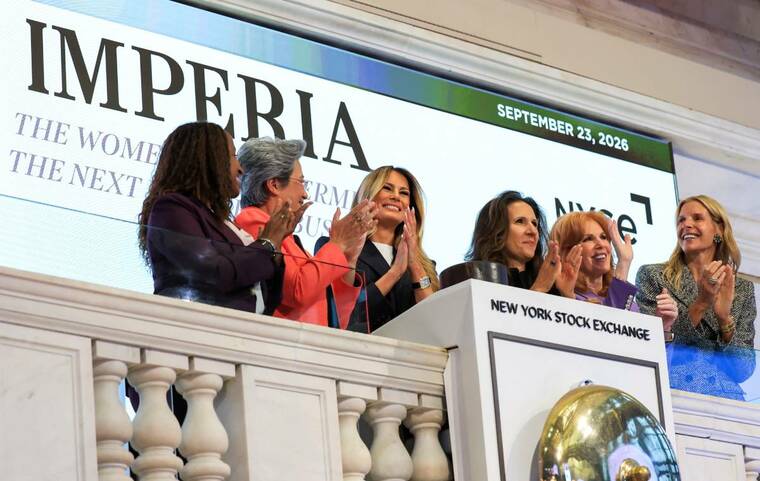
Wall Street Ends Lower as Oil Prices and Treasury Yields Climb
Photograph: Star Advertiser (embedded from source)
What this story says
- Wall Street indices, including the S&P 500, Nasdaq, and Dow Jones Industrial Average, closed lower on Wednesday.
- Oil prices rose by almost 4%, and Treasury yields climbed, with 2-year yields reaching their highest since 2024 and 10-year yields their highest since 2007.
- Iranian President Masoud Pezeshkian stated Tehran would never surrender to US pressure, following a day after US President Donald Trump's warning.
- US business activity in September reached a more than five-year high, contributing to higher bond yields and expectations of further Federal Reserve interest rate hikes.
Who covered it
Percentages are shares of the 8 outlets carrying a published leaning rating. 11 of the 19 outlets we know ran this story carry no rating and are not counted in them. Coverage measured .
Trust
42/100
Craft
61/100
Hype
41/100
19 sources · methodology
Thin on the left so far
None of the 8 outlets with a published leaning rating that ran this story are rated left.
This story is still being watched, so it is a count and not yet a finding. Coverage keeps arriving for hours after an event, and a side that has published nothing this morning may publish by tonight. If it is still true when we stop checking, we will say so plainly.
Major US stock indices concluded Wednesday's trading session with losses. The S&P 500 declined by 0.75% to 7,706.05 points, the Nasdaq fell 1.13% to 26,936.04 points, and the Dow Jones Industrial Average dropped 0.68% to 51,511.59 points. This decline occurred as oil prices increased by nearly 4% and Treasury yields climbed.
The rise in oil prices followed a speech by Iranian President Masoud Pezeshkian at the UN, where he stated Tehran would not surrender to US pressure. This statement came a day after US President Donald Trump issued a warning to Iran. Yields on 2-year Treasuries reached their highest point since 2024, while 10-year Treasury yields hit their highest level since 2007.
A survey indicating that US business activity accelerated to a more than five-year high in September also contributed to the rise in government bond yields. This data increased expectations that the Federal Reserve might raise interest rates at its upcoming October meeting. Federal Reserve Governor Michael Barr commented that further interest rate hikes would likely be necessary as inflation remained above the Fed's 2% target.
Disagreements in reporting
The Star Advertiser reported the S&P 500 declined to 7,706.05 points, while the Times of India reported a loss of 57.74 points, or 0.74%, to end at 7,706.39 points. The Star Advertiser stated the Dow Jones Industrial Average declined 0.68% to 51,511.59 points, whereas the Times of India reported a fall of 340.39 points, or 0.66%, to 51,523.30. For the Nasdaq, the Star Advertiser reported a decline of 1.13% to 26,936.04 points, while the Times of India stated it lost 308.24 points, or 1.10%, to 26,943.61.
What the coverage left out
None of the right-rated digests mention the specific details about Meta Platforms' rise due to its 'Muse' AI assistant, the performance of the PHLX chip index, or the specific declines of companies like Expedia and Airbnb, which were detailed in the centre-rated report from the Star Advertiser. Additionally, the right-rated digests did not include the quote from Lauren Cassidy of Founders 100 ETF regarding the market's desire for a resolution to the Middle East conflict.
Still developing. We have re-checked which outlets are covering this 4 times, most recently on 23 Sept 2026, 22:45, and will add the sides that appear.
How other outlets pictured it
Which photograph to run is each newsroom’s own choice. The leaning beside a name is that outlet’s published rating, not a claim that the pictures divide along it. Every picture is shown from the outlet’s own server and links to the article it ran in.

Wall Street Ends Lower as Oil Prices and Treasury Yields Climb
Times of India — embedded from source
How each side covered it
Our own reading of the reporting listed below, written from the outlets’ articles rather than quoted from them. The reasoning is set out on our methodology page.
Left
0 rated outlets
No outlet rated left has run this story so far. We are still checking, and will say plainly if that does not change.
Centre
1 rated outlet
- The Star Advertiser led with the decline in Wall Street stocks, specifically mentioning Alphabet and Amazon as contributing factors. It reported on the rise in Treasury yields and Iran's president's statement about not surrendering to US pressure. The report noted that oil prices rose almost 4% following President Pezeshkian’s UN speech. It also detailed US business activity reaching a five-year high, influencing bond yields and interest rate expectations. The outlet quoted Lauren Cassidy, chief investment officer at Founders 100 ETF, who linked market performance to the need for a resolution in the Middle East conflict. The Star Advertiser provided specific figures for the S&P 500, Nasdaq, and Dow Jones declines, and mentioned Meta Platforms' rise due to its AI assistant. It also included details on the PHLX chip index, Expedia, Airbnb, and Cracker Barrel's rally.
Right
7 rated outlets
- The right-rated reports generally focused on the decline in US stocks, attributing it to rising oil prices and Treasury yields. Several reports, including those from Times of India, ARY News, and The Straits Times, used headlines similar to 'Wall Street ends down as oil prices, Treasury yields rise.' The digests from this group frequently mentioned Iran's president's statement about not surrendering to US pressure, often in conjunction with President Trump's prior warning. The increase in oil prices, nearly 4%, and the rise in Treasury yields, with 2-year yields at their highest since 2024 and 10-year yields since 2007, were consistently highlighted. The reports also noted the strong US business activity survey for September and its impact on interest rate hike expectations from the Federal Reserve. Digests from this side, such as those from Globo and Iefimerida, provided specific index closing figures for the Dow Jones, Nasdaq, and S&P 500, though with minor variations in the exact point and percentage changes. Some reports, like the one from n-tv, specifically mentioned Middle East worries and interest rate anxiety as market drivers.
Questions about this coverage
- How did the left and right cover Wall Street Ends Lower as Oil Prices and Treasury Yields Climb?
- Of the 8 outlets on this story carrying a published leaning rating, 0% are rated left, 12% are rated centre, 88% are rated right. Those percentages are shares of the rated outlets, not of every outlet that ran it, which was 19. The sections above set out what each side emphasised, in its own terms.
- Is Wall Street Ends Lower as Oil Prices and Treasury Yields Climb left or right?
- Too few of the outlets on this story carry a published leaning rating to say. 8 of them do, and this site does not characterise a field under 12: at that size one newsroom filing moves the share by ten points. The percentages above are the count as it stands.
- Is the coverage of Wall Street Ends Lower as Oil Prices and Treasury Yields Climb biased?
- Wall Street Ends Lower as Oil Prices and Treasury Yields Climb is one event reported by 19 outlets, and this page does not rate the story as biased or unbiased. What it publishes is the spread: which outlets ran it, where named rating organisations place each of them on the spectrum, and what each side chose to lead with. A leaning rating describes an outlet's record over time, not this article, and the two should not be run together.
- Which side is not reporting Wall Street Ends Lower as Oil Prices and Treasury Yields Climb?
- When we first saw this story, outlets rated left had barely covered it. Coverage accretes for hours after an event, so that is where to look rather than a verdict — the split above is the current count, and it is the one to read.
- Which outlets covered Wall Street Ends Lower as Oil Prices and Treasury Yields Climb?
- 19 that we know of, every one of them listed further up this page with a link to its own report and to what we hold on the publisher. Nothing here is a summary of somebody else's summary: the outlets are named so the original reporting can be read.
- Why did Wall Street end lower on Wednesday?
- Wall Street indices closed lower due to a combination of factors including a nearly 4% rise in oil prices and climbing Treasury yields. Investor sentiment was also influenced by statements from Iran's president and expectations of further interest rate hikes by the Federal Reserve.
- What was the impact of Iran's president's speech on the market?
- Iranian President Masoud Pezeshkian stated that Tehran would never surrender to US pressure. This statement, made at the UN, contributed to market uncertainty and coincided with a rise in oil prices, which saw the S&P 500 energy sector index rally.
- How did US business activity data affect the markets?
- A survey revealed that US business activity reached a more than five-year high in September. This strong economic data pushed government bond yields higher and increased expectations that the Federal Reserve would raise interest rates at its next policy meeting.
Read it at the source
19 outlets, grouped by the leaning a published rating gives them. Every headline links to the original; an underlined outlet name opens our profile of that publisher.
Left
0No outlet in this group ran the story.
Centre
1Right
7- New York Stocks Weaken on Surging U.S. Treasury yields... Nasdaq Down 1% (Roundup) (opens 연합뉴스-Yonhap News Agency in a new tab)
연합뉴스-Yonhap News Agency — is 연합뉴스-Yonhap News Agency biased? Our profile of this outlet
- New York Stock Exchanges Fall With Oil Advance and Long Interests Top Since 2004 (opens Globo in a new tab)
- Middle East Worries Also Push Prices: Wall Street Is Haunted by Interest Anxiety (opens n-tv in a new tab)
- Wall Street: Significant Losses in Indices After the Rise in Oil Prices - iefimerida.gr (opens Iefimerida in a new tab)
Iefimerida — is Iefimerida biased? Our profile of this outlet
- Wall Street ends down as oil prices, Treasury yields rise (opens The Straits Times in a new tab)
The Straits Times — is The Straits Times biased? Our profile of this outlet
- US stocks: US market ends down as oil prices, Treasury yields rise (opens Times of India in a new tab)
Times of India — is Times of India biased? Our profile of this outlet
- Wall Street falls as oil prices, Treasury yields rise (opens ARY News in a new tab)
Not rated
11- Wall Street: Oil and US Bonds Fall with a "Weight" – Nasdaq Plunges 1.13% (opens sofokleousin.gr in a new tab)
sofokleousin.gr — is sofokleousin.gr biased? Our profile of this outlet
- US Stock Market Closes Lower (opens Business Daily in a new tab)
Business Daily — is Business Daily biased? Our profile of this outlet
- Economy: Wall Street Is Retreating as Oil Rises, Bond Returns, Interest Fears. (opens nafeza2world.com in a new tab)
nafeza2world.com — is nafeza2world.com biased? Our profile of this outlet
- Wall Street Opens in Red and Its Main Indicator, the Dow Jones, Drops 0.14% (opens El Comercio in a new tab)
El Comercio — is El Comercio biased? Our profile of this outlet
- Wall Street After Opening: Technology Loses Strength While Oil Presses the Market · Global Voices (opens CRIPTO TENDENCIA in a new tab)
CRIPTO TENDENCIA — is CRIPTO TENDENCIA biased? Our profile of this outlet
- New York Stock Exchange Opened Lower - Dünya Newspaper (opens dunya.com in a new tab)
- The New York Stock Exchange Opened Lower. (opens Aydınlık in a new tab)
- The New York Stock Exchange Opened Lower. (opens ekonomim.com in a new tab)
ekonomim.com — is ekonomim.com biased? Our profile of this outlet
Show 3 more
- Dow Jones Down 0.18 Percent on Rise in Oil Prices on New York Stock Exchange (opens Haberler in a new tab)
- Wall Street: Markets Under Pressure Amid Uncertainty over US-Iran and Oil (opens insider.gr in a new tab)
insider.gr — is insider.gr biased? Our profile of this outlet
- Wall Street: Downtrends with an Eye on Oil, Bonds and Diplomacy (opens Capital.gr in a new tab)
Capital.gr — is Capital.gr biased? Our profile of this outlet
How did this read?
About the coverage, not about the story. We do not ask whether you agree with what happened — we have no honest use for that answer.
More in Business & Economy
All Business & Economy →
Elsewhere on the site
 Politics•3 min readTrump supports India-Middle East-Europe Corridor, calls for energy route shift
 Politics•3 min readUS and Iran hold indirect talks at UN General Assembly
 Politics•3 min readMacron urges UN action on Gaza, calls situation 'spectacle that shames us all'
 Politics•3 min readBurnham to seek resolution on Chagos Islands deal after Trump criticism