Colorado Glaciers Thinned Dramatically in 2026
Record warm temperatures and low snowpack led to accelerated melting of state's ice masses.
AI-assisted coverage comparison, editor-supervised · How this was made

Colorado Glaciers Thinned Dramatically in 2026
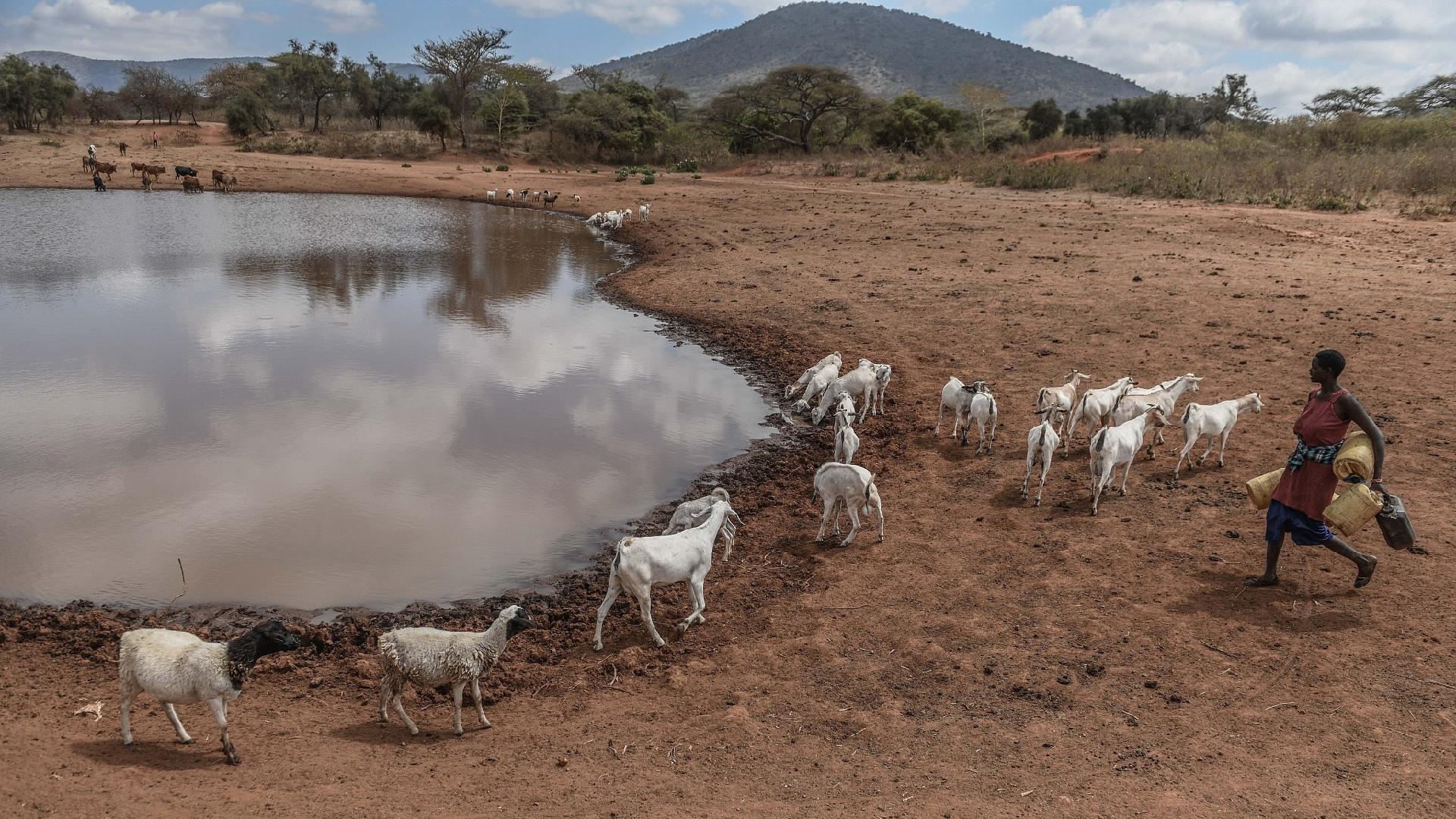
Photograph: Washington Top News (embedded from source)
What this story says
- Colorado's major glaciers thinned significantly in 2026, with some losing over 12 feet of ice.
- The rate of glacier thinning in 2026 doubled the average of the preceding five years.
- Record low mountain snow and high temperatures were identified as the primary causes for the accelerated melt.
- The complete melting of St. Mary's Glacier in September 2026 highlights the severity of the ice loss.
Who covered it
Percentages are shares of the 29 outlets carrying a published leaning rating. 6 of the 35 outlets we know ran this story carry no rating and are not counted in them. Coverage measured .
Trust
50/100
Craft
60/100
Hype
20/100
35 sources · methodology
Thin on the right so far
Only 4 of the 29 outlets with a published leaning rating that ran this story are rated right.
This story is still being watched, so it is a count and not yet a finding. Coverage keeps arriving for hours after an event, and a side that has published nothing this morning may publish by tonight. If it is still true when we stop checking, we will say so plainly.
Colorado's most prominent glaciers experienced dramatic thinning in 2026, losing ice at double the rate of the previous five years. Record low snowpack and high temperatures contributed to the accelerated melt, raising concerns about water sources and mountain hazards. The Andrews Glacier lost more than 12 feet, the Arapaho Glacier nearly 10 feet, and the Isabelle Glacier about 6.5 feet during the year. St. Mary's Glacier, a popular snowfield, melted entirely in September 2026.
Glaciologist Dan McGrath of Colorado State University led research into the 2026 melt rates, noting that the exceptional conditions of record-low snow followed by record summer heat left the ice masses exposed. He stated that this pattern of glacier loss is consistent with observations worldwide, including in the Alps and other western U.S. mountain ranges. Globally, more than 7 trillion tons of ice has been lost since 2000. Switzerland's glaciers lost 5.5% of their volume in 2026, the second-largest annual drop on record.
McGrath suggested that Colorado's remaining glaciers could disappear within the next 20 years, as they are currently out of balance with the climate. He noted that the Andrews Glacier has already lost half its ice since 2017. The runoff from these glaciers supplies water to ecosystems across the western United States, and their disappearance may increase vulnerability to drought. Wildfires also contribute to melting by darkening glacier surfaces with soot, making them absorb more sunlight.
Disagreement on glacier loss rates
While the Washington Top News report states that the 2026 thinning rates doubled that of the prior five years, and that in the decade before that, thinning measured a foot or less per year, other reports do not provide this comparative historical data. The Washington Top News report also states that the Andrews Glacier lost half its ice since 2017, a detail not present in other accounts.
What the coverage left out
None of the left, centre, or right-rated digests mention the specific detail that the Andrews Glacier has already lost half its ice since 2017, a fact reported by Washington Top News. Additionally, no reports mention the potential for glaciers to re-form if carbon pollution declines substantially and temperatures drop, as stated by Washington Top News.
Still developing. We have re-checked which outlets are covering this 6 times, most recently on 28 Oct 2026, 02:30, and will add the sides that appear.
How each side covered it
Our own reading of the reporting listed below, written from the outlets’ articles rather than quoted from them. The reasoning is set out on our methodology page.
Left
15 rated outlets
- Left-rated reports led with the dramatic thinning of Colorado's glaciers due to record low snow and heat. They highlighted the global context of glacier loss, including Switzerland's 5.5% ice volume drop in 2026 and the worldwide loss of over 7 trillion tons of ice since 2000. These reports also mentioned the potential for increased drought vulnerability in the western U.S. and the role of wildfires in accelerating melt. The Independent and The Independent (US) reports noted that the 2026 thinning rates doubled the rate of the prior five years.
Centre
10 rated outlets
- Centre-rated reports focused on the dramatic thinning of Colorado's glaciers in 2026, attributing it to record low mountain snow and warm temperatures. They noted that this trend is consistent with glacier loss observed in Europe and the western United States. Reports from this group mentioned the specific losses for the Andrews, Arapaho, and Isabelle glaciers, and the complete melt of St. Mary's Glacier. Several centre-rated digests also included research from Dan McGrath.
Right
4 rated outlets
- Right-rated reports highlighted the dramatic thinning of Colorado's glaciers in 2026 due to record low snow and warm temperatures. These reports noted that similar glacier loss has been observed in Europe and across the western United States. Digests from this group frequently mentioned research from Dan McGrath and the specific losses for the Andrews, Arapaho, and Isabelle glaciers.
Questions about this coverage
- How did the left and right cover Colorado Glaciers Thinned Dramatically in 2026?
- Of the 29 outlets on this story carrying a published leaning rating, 52% are rated left, 34% are rated centre, 14% are rated right. Those percentages are shares of the rated outlets, not of every outlet that ran it, which was 35. The sections above set out what each side emphasised, in its own terms.
- Is Colorado Glaciers Thinned Dramatically in 2026 left or right?
- Neither side dominates it. Of the 29 rated outlets on this story, 52% are rated left, 34% are rated centre, 14% are rated right, and no side holds the 70% this site would want before calling a field one-sided. A story is not left or right in any case; the outlets that carried it are what carry ratings.
- Is the coverage of Colorado Glaciers Thinned Dramatically in 2026 biased?
- Colorado Glaciers Thinned Dramatically in 2026 is one event reported by 35 outlets, and this page does not rate the story as biased or unbiased. What it publishes is the spread: which outlets ran it, where named rating organisations place each of them on the spectrum, and what each side chose to lead with. A leaning rating describes an outlet's record over time, not this article, and the two should not be run together.
- Which side is not reporting Colorado Glaciers Thinned Dramatically in 2026?
- When we first saw this story, outlets rated right had barely covered it. Coverage accretes for hours after an event, so that is where to look rather than a verdict — the split above is the current count, and it is the one to read.
- Which outlets covered Colorado Glaciers Thinned Dramatically in 2026?
- 35 that we know of, every one of them listed further up this page with a link to its own report and to what we hold on the publisher. Nothing here is a summary of somebody else's summary: the outlets are named so the original reporting can be read.
- How much did Colorado's glaciers shrink in 2026?
- Colorado's most prominent glaciers thinned dramatically in 2026. The Andrews Glacier lost over 12 feet, the Arapaho Glacier lost nearly 10 feet, and the Isabelle Glacier lost about 6.5 feet. This rate of thinning doubled the average of the prior five years.
- What caused the accelerated glacier melt in Colorado?
- Record low mountain snowpack and record warm temperatures in 2026 were identified as the primary causes for the accelerated melting of Colorado's glaciers. These conditions left the ice masses exposed to higher temperatures.
- What are the potential consequences of this glacier loss?
- The disappearance of glaciers threatens water sources for ecosystems across the western United States, potentially increasing vulnerability to extreme drought. It also increases mountain hazards. Globally, glacier loss contributes to sea level rise.
Read it at the source
35 outlets, grouped by the leaning a published rating gives them. Every headline links to the original; an underlined outlet name opens our profile of that publisher.
Left
15- Glaciares De Colorado, in the Process of Disappearing Due to Lack of Snow and Extreme Heat: Study (opens Los Angeles Times in a new tab)
Los Angeles Times — is Los Angeles Times biased? Our profile of this outlet
- Colorado's glaciers thinned dramatically due to record low snow and heat in 2026 (opens The Record in a new tab)
The Record — is The Record biased? Our profile of this outlet
- Colorado’s glaciers thinned dramatically due to record low snow and heat in 2026 (opens The Seattle Times in a new tab)
The Seattle Times — is The Seattle Times biased? Our profile of this outlet
- Colorado’s glaciers thinned dramatically due to record low snow and heat in 2026 (opens Durango Herald in a new tab)
Durango Herald — is Durango Herald biased? Our profile of this outlet
- Colorado's glaciers thinned dramatically due to record low snow and heat in 2026 (opens Crossville Chronicle in a new tab)
Crossville Chronicle — is Crossville Chronicle biased? Our profile of this outlet
- Colorado's glaciers thinned dramatically due to record low snow and heat in 2026 (opens The Daily Star in a new tab)
The Daily Star — is The Daily Star biased? Our profile of this outlet
- Colorado's glaciers thinned dramatically due to record low snow and heat in 2026 (opens The Times-Tribune in a new tab)
The Times-Tribune — is The Times-Tribune biased? Our profile of this outlet
- Colorado's glaciers thinned dramatically due to record low snow and heat in 2026 (opens Richmond Register in a new tab)
Richmond Register — is Richmond Register biased? Our profile of this outlet
Show 7 more
- Colorado's glaciers thinned dramatically due to record low snow and heat in 2026 (opens The Independent Online in a new tab)
The Independent Online — is The Independent Online biased? Our profile of this outlet
- Colorado's glaciers thinned dramatically due to record low snow and heat in 2026 (opens The Independent (US) in a new tab)
The Independent (US) — is The Independent (US) biased? Our profile of this outlet
- Colorado's glaciers thinned dramatically due to record low snow and heat in 2026 (opens Associated Press News in a new tab)
Associated Press News — is Associated Press News biased? Our profile of this outlet
- Colorado's glaciers thinned dramatically due to record low snow and heat in 2026 (opens The Independent in a new tab)
The Independent — is The Independent biased? Our profile of this outlet
- Colorado's glaciers thinned dramatically due to record low snow and heat in 2026 (opens Bangor Daily News in a new tab)
Bangor Daily News — is Bangor Daily News biased? Our profile of this outlet
- Colorado's glaciers thinned dramatically due to record low snow and heat in 2026 (opens ABC News in a new tab)
- Snowpack reached record lows while heat soared across Colorado in 2026 (opens Sentinel Colorado in a new tab)
Sentinel Colorado — is Sentinel Colorado biased? Our profile of this outlet
Centre
10- Colorado’s glaciers thinned dramatically due to record low snow and heat in 2026 (opens The Record in a new tab)
The Record
- Colorado's glaciers thinned dramatically due to record-low snow and heat in 2026 (opens Phys.org in a new tab)
- Colorado’s glaciers thinned dramatically due to record low snow and heat in 2026 – WTOP News (opens Washington Top News in a new tab)
Washington Top News — is Washington Top News biased? Our profile of this outlet
- Colorado's glaciers thinned dramatically due to record low snow a (opens WBAL in a new tab)
- Colorado's glaciers thinned dramatically due to record low snow and heat in 2026 (opens City News in a new tab)
- Colorado's glaciers thinned dramatically due to record low snow and heat in 2026 (opens Winnipeg Free Press in a new tab)
Winnipeg Free Press — is Winnipeg Free Press biased? Our profile of this outlet
- Colorado's glaciers thinned dramatically due to record low snow and heat in 2026 (opens union-bulletin.com in a new tab)
union-bulletin.com — is union-bulletin.com biased? Our profile of this outlet
- Colorado's glaciers thinned dramatically due to record low snow and heat in 2026 (opens The Star Democrat in a new tab)
The Star Democrat — is The Star Democrat biased? Our profile of this outlet
Right
4- Colorado's glaciers thinned dramatically due to record low snow and heat in 2026 (opens The Batesville Daily Guard in a new tab)
The Batesville Daily Guard — is The Batesville Daily Guard biased? Our profile of this outlet
- Colorado's glaciers thinned dramatically due to record low snow and heat in 2026 (opens Madison Courier in a new tab)
Madison Courier — is Madison Courier biased? Our profile of this outlet
- Colorado Glaciers on the Way to Disappear Due to Lack of Snow and Extreme Heat (opens El Vocero de Puerto Rico in a new tab)
El Vocero de Puerto Rico — is El Vocero de Puerto Rico biased? Our profile of this outlet
- Colorado's glaciers thinned dramatically due to record low snow and heat in 2026 (opens Owensboro Messenger-Inquirer in a new tab)
Owensboro Messenger-Inquirer — is Owensboro Messenger-Inquirer biased? Our profile of this outlet
Not rated
6- Glaciares De Colorado, in the Process of Disappearing Due to Lack of Snow and Extreme Heat: Study (opens Telemundo Denver in a new tab)
Telemundo Denver — is Telemundo Denver biased? Our profile of this outlet
- Climate Change Is Causing Glaciers in Colorado to Melt Rapidly. (opens vietnamplus.vn in a new tab)
vietnamplus.vn — is vietnamplus.vn biased? Our profile of this outlet
- New Study Alerts that Colorado Glaciers Are in the Process of Disappearing (opens Vanguardia in a new tab)
Vanguardia — is Vanguardia biased? Our profile of this outlet
- Colorado Glaciers Lose Ice at Accelerated Rate by High Temperatures · Global Voices (opens El Comercio in a new tab)
El Comercio — is El Comercio biased? Our profile of this outlet
- Glaciares De Colorado, in the Process of Disappearing Due to Lack of Snow and Extreme Heat: Study (opens Independent Español in a new tab)
Independent Español — is Independent Español biased? Our profile of this outlet
- An astonishing year for heat in #Colorado: Heat across state surpassed old record set in 1934 by two degrees. And, of course, snowpack was worst ever, too — Allen Best (BigPivots.com) (opens Coyote Gulch in a new tab)
Coyote Gulch — is Coyote Gulch biased? Our profile of this outlet
How did this read?
About the coverage, not about the story. We do not ask whether you agree with what happened — we have no honest use for that answer.
More in Climate
All Climate →

Elsewhere on the site
 Politics•3 min readAI disinformation videos target US Senate candidates
 Politics•3 min readJudge hears arguments on counting California ballots disputed by DOJ
 Politics•2 min readOver 34 Million Cast Early Ballots in Midterm Elections
 Business & Economy•2 min readEdwin Brant Frost IV Sentenced to 15 Years for Ponzi Scheme