Germany needs trillions for climate goals, study finds
Investment must more than double, with consumers and companies bearing most of the cost.
AI-assisted coverage comparison, editor-supervised · How this was made
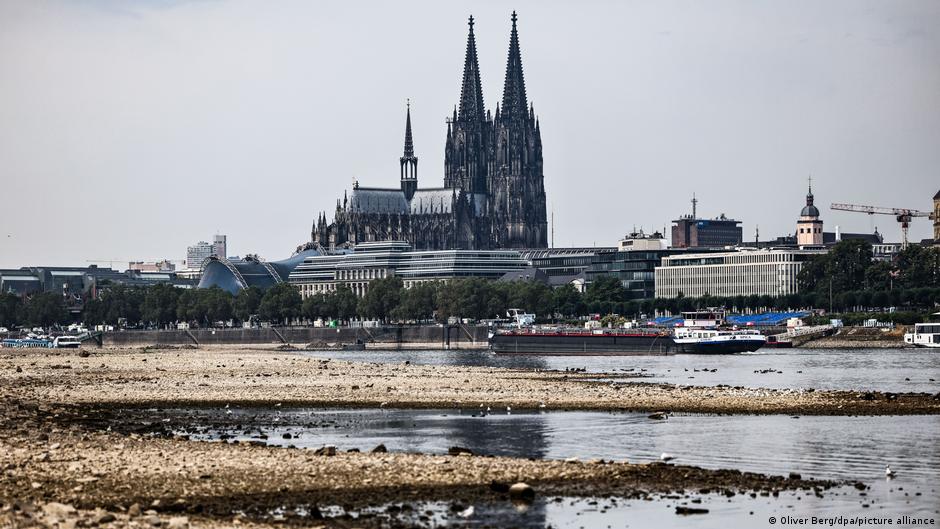
Germany needs trillions for climate goals, study finds
Photograph: Deutsche Welle (embedded from source)
What this story says
- Germany must more than double its climate protection spending to meet its 2045 climate neutrality goal, a study commissioned by KfW found.
- Approximately €290 billion per year is needed, with a net additional cost of about €145 billion annually after accounting for investments that would occur anyway.
- Consumers and companies are expected to bear the majority of the investment burden, with the state responsible for only twelve percent.
- The transport sector requires nearly half of the investment, primarily for climate-friendly vehicles, while the energy sector needs a quarter for grid upgrades.
Who covered it
Percentages are shares of the 7 outlets carrying a published leaning rating. 10 of the 17 outlets we know ran this story carry no rating and are not counted in them. Coverage measured .
Trust
50/100
Craft
67/100
Hype
20/100
17 sources · methodology
Thin on the left so far
Only 1 of the 7 outlets with a published leaning rating that ran this story are rated left.
This story is still being watched, so it is a count and not yet a finding. Coverage keeps arriving for hours after an event, and a side that has published nothing this morning may publish by tonight. If it is still true when we stop checking, we will say so plainly.
Germany's spending on climate protection must more than double to achieve its climate targets, according to a study by the Prognos research institute commissioned by KfW. The total investment required is estimated at approximately €290 billion per year. Of this amount, consumers and companies would bear the majority of the costs, with the state responsible for only twelve percent.
The study clarifies that only about half of the total investment would be additional, as some spending would occur regardless of climate protection efforts. The net additional cost, therefore, amounts to around €145 billion annually. Germany has a legally binding goal to be climate-neutral by 2045, meaning it will not emit more greenhouse gases than can be stored.
Sectoral Investment Breakdown
The transport sector accounts for almost half of the required investments, mainly for purchasing climate-friendly vehicles. However, the net increase in this sector is estimated at just under a fifth, as car purchases would happen regardless. The energy sector requires a quarter of the total investment, with significant net spending needed for grid upgrades to accommodate renewable energy sources like wind and solar power. The building sector, particularly residential buildings, requires the most additional investment not related to climate protection.
Industry accounts for a further tenth of the necessary investments. The study authors noted that these investments could place high burdens on a few, particularly energy-intensive companies, potentially requiring significant changes to production processes and business models. These companies often face international competition and may struggle to pass on higher costs to customers. The shift away from fossil fuels could also increase production costs.
The study also highlighted potential savings from climate protection investments, such as reduced costs and dependencies from moving away from fossil fuel imports. Conversely, the report noted the significant economic risks posed by climate change, citing the 2026 heatwave as an example that notably reduced German economic output. The Förderbank estimated asset damages in Germany from extreme weather events over the past five years at more than €50 billion.
What the coverage left out
No centre-rated reports mentioned the specific figure of six trillion euros for the total investment needed up to 2045, which was present in the German-language headline of the source report. The centre-rated report also did not include direct quotes from KfW board chairman Stefan Wintels, although it referenced his explanation regarding the relativity of the total amount.
Still developing. We have re-checked which outlets are covering this 2 times, most recently on 12 Oct 2026, 14:45, and will add the sides that appear.
How each side covered it
Our own reading of the reporting listed below, written from the outlets’ articles rather than quoted from them. The reasoning is set out on our methodology page.
Left
1 rated outlet
We have not written our reading of the left coverage of this story. The left-rated outlets that ran it are listed below.
Centre
2 rated outlets
- Deutsche Welle, rated centre, led on the overall cost of Germany's climate targets, stating that spending must more than double to meet them. It reported the total annual investment needed is approximately €290 billion, with a net additional cost of around €145 billion. The outlet highlighted that consumers and companies would bear the majority of the investment, with the state responsible for twelve percent. Deutsche Welle detailed the sectoral breakdown, noting transport accounts for almost half of the investment, followed by the energy sector at a quarter, and the building sector requiring the most additional investment. The report also included the study's findings on the economic risks of climate change and potential savings from reduced fossil fuel imports.
Right
4 rated outlets
We have not written our reading of the right coverage of this story. The right-rated outlets that ran it are listed below.
Questions about this coverage
- How did the left and right cover Germany needs trillions for climate goals, study finds?
- Of the 7 outlets on this story carrying a published leaning rating, 14% are rated left, 29% are rated centre, 57% are rated right. Those percentages are shares of the rated outlets, not of every outlet that ran it, which was 17. The sections above set out what each side emphasised, in its own terms.
- Is Germany needs trillions for climate goals, study finds left or right?
- Too few of the outlets on this story carry a published leaning rating to say. 7 of them do, and this site does not characterise a field under 12: at that size one newsroom filing moves the share by ten points. The percentages above are the count as it stands.
- Is the coverage of Germany needs trillions for climate goals, study finds biased?
- Germany needs trillions for climate goals, study finds is one event reported by 17 outlets, and this page does not rate the story as biased or unbiased. What it publishes is the spread: which outlets ran it, where named rating organisations place each of them on the spectrum, and what each side chose to lead with. A leaning rating describes an outlet's record over time, not this article, and the two should not be run together.
- Which side is not reporting Germany needs trillions for climate goals, study finds?
- When we first saw this story, outlets rated left had barely covered it. Coverage accretes for hours after an event, so that is where to look rather than a verdict — the split above is the current count, and it is the one to read.
- Which outlets covered Germany needs trillions for climate goals, study finds?
- 17 that we know of, every one of them listed further up this page with a link to its own report and to what we hold on the publisher. Nothing here is a summary of somebody else's summary: the outlets are named so the original reporting can be read.
- How much money does Germany need for its climate goals?
- Germany needs approximately 290 billion euros per year for its climate goals. After accounting for investments that would happen anyway, the net additional cost is around 145 billion euros annually. The total investment needed up to 2045 is estimated to be in the trillions.
- Who will pay for Germany's climate goals?
- Consumers and companies are expected to bear the majority of the investment costs for Germany's climate goals. The state is responsible for only twelve percent of the total investment needed.
- Which sectors require the most investment for climate goals?
- The transport sector requires almost half of the investment, primarily for climate-friendly vehicles. The energy sector needs a quarter of the total investment, particularly for grid upgrades. The building sector, especially residential buildings, requires the most additional investment not related to climate protection.
Read it at the source
17 outlets, grouped by the leaning a published rating gives them. Every headline links to the original; an underlined outlet name opens our profile of that publisher.
Left
1Centre
2- Climate Target Costs Germany Trillions According to Study (opens Deutsche Welle in a new tab)
Deutsche Welle — is Deutsche Welle biased? Our profile of this outlet
- Climate Protection: Study: Trillions of Investments Needed for Climate Targets (opens saarbruecker-zeitung.de in a new tab)
saarbruecker-zeitung.de — is saarbruecker-zeitung.de biased? Our profile of this outlet
Right
4- KfW Study: The Billion Load of German Climate Neutrality (opens Welt in a new tab)
- Targeting by 2045: Consumers and Businesses Need to Invest Trillions for Climate Targets (opens n-tv in a new tab)
- 6,000 Million Euros for Climate Protection? "We Don't Need a Miracle (opens FOCUS online in a new tab)
FOCUS online — is FOCUS online biased? Our profile of this outletOpinion
- Climate Protection: Study: Trillions of Investments Needed for Climate Targets (opens Handelsblatt in a new tab)
Handelsblatt — is Handelsblatt biased? Our profile of this outlet
Not rated
10- The Prognos Report Stated that Germany Needs 6 Trillion Euros to Meet Its 2045 Climate Target. (opens Haberler in a new tab)
- Study: Trillions of Investments Needed for Climate Targets (opens mainwelle.de in a new tab)
mainwelle.de — is mainwelle.de biased? Our profile of this outlet
- Study: Trillions of Investments Needed for Climate Targets (opens bbv-net.de in a new tab)
bbv-net.de — is bbv-net.de biased? Our profile of this outlet
- Study: Trillions of Investments Needed for Climate Targets (opens RN in a new tab)
- Study: Trillions of Investments Needed for Climate Targets (opens onetz.de in a new tab)
- Study: Trillions of Investments Needed for Climate Targets (opens nordbayern.de in a new tab)
nordbayern.de — is nordbayern.de biased? Our profile of this outlet
- Study: Trillions of Investments Needed for Climate Targets (opens noz.de in a new tab)
- KfW Study Shows Huge Financial Needs for Climate Neutrality (opens berliner-sonntagsblatt.de in a new tab)
berliner-sonntagsblatt.de — is berliner-sonntagsblatt.de biased? Our profile of this outlet
Show 2 more
- Study: Trillions of Investments Needed for Climate Targets (opens op-online.de in a new tab)
op-online.de — is op-online.de biased? Our profile of this outlet
- New KfW Study Four Weeks Before the Launch of the UN World Climate Conference: Germany's Investment Needs for Climate Neutrality up to 2045 Amount to Six Trillion Euros (opens Mittelstand Cafe in a new tab)
Mittelstand Cafe — is Mittelstand Cafe biased? Our profile of this outlet
How did this read?
About the coverage, not about the story. We do not ask whether you agree with what happened — we have no honest use for that answer.
Elsewhere on the site
 Politics•3 min readElon Musk backs Trump's criticism of Zelensky
 Politics•3 min readTrump calls for new Ukraine president; Kyiv says Zelensky has public support
 Conflict & Security•3 min readGerman minister warns of 'shadow war' destabilising the country
 Business & Economy•2 min readUS Treasury Secretary says government has legal authority for Russian diesel deal