Thwaites Glacier Melting Faster Than Expected, Scientists Warn
New research suggests the Antarctic glacier's collapse could double its contribution to sea level rise.
AI-assisted coverage comparison, editor-supervised · How this was made
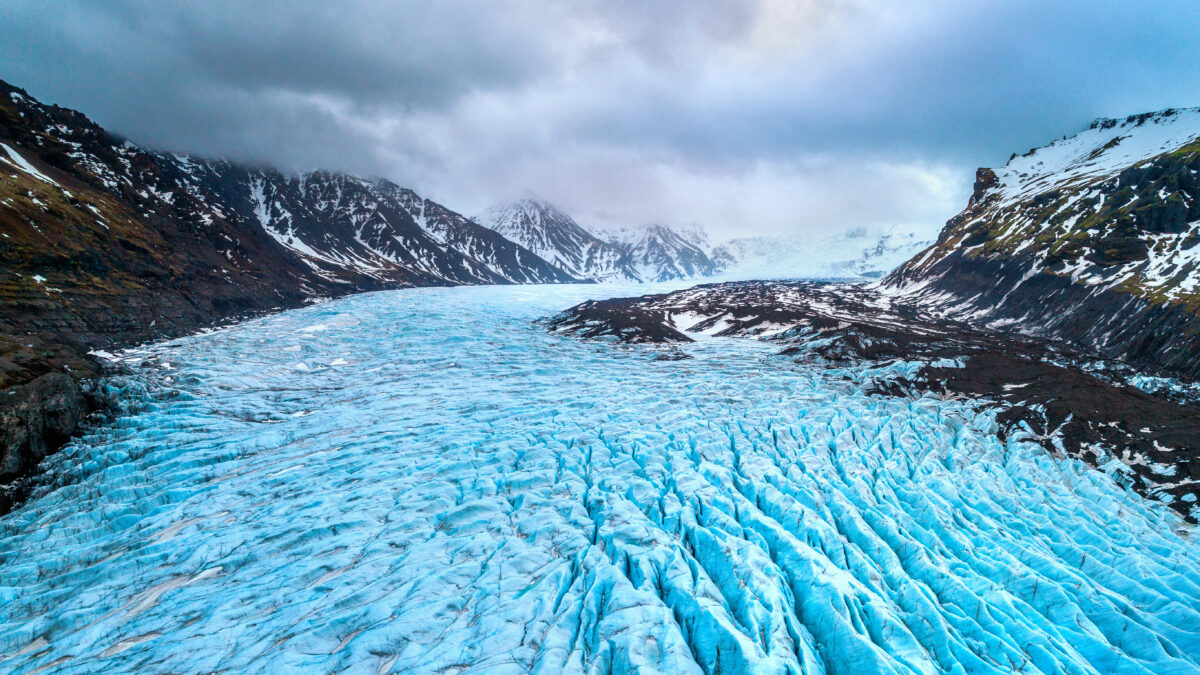
Thwaites Glacier Melting Faster Than Expected, Scientists Warn
Photograph: Il Fatto Quotidiano (embedded from source)
What this story says
- The Thwaites Glacier in West Antarctica is melting faster than previously projected, a new study shows.
- This accelerated melting could double the glacier's contribution to global sea level rise, according to researchers.
- The glacier's collapse could eventually raise sea levels by more than two feet, potentially up to 10 feet if it holds back the wider Antarctic ice sheet.
- Scientists from the University of California, Irvine, and NASA's Jet Propulsion Laboratory conducted the research, published in Nature Communications.
Who covered it
Percentages are shares of the 59 outlets carrying a published leaning rating. 23 of the 82 outlets we know ran this story carry no rating and are not counted in them. Coverage measured .
Trust
42/100
Craft
65/100
Hype
41/100
82 sources · methodology
The Thwaites Glacier in West Antarctica is melting at a faster rate than previously projected, according to new research. Scientists involved in the study warn that this accelerated melting could double the glacier's contribution to global sea level rise. The findings were published in the journal Nature Communications.
The research, conducted by glaciologists from the University of California, Irvine, and NASA's Jet Propulsion Laboratory, used a new ice sheet model. This model better reflects processes occurring at the glacier's grounding line, the point where the ice lifts off the seabed. The study indicates that seawater flushing in and out with the tides, a process known as tidal pumping, allows warm ocean water to penetrate deep beneath the ice, causing vigorous melting. This mechanism is accelerating the retreat of the glacier.
Potential Sea Level Rise
The Thwaites Glacier, sometimes referred to as the 'Doomsday Glacier', currently contributes about 4% to global sea level rise. If it were to collapse, it holds enough water to raise sea levels by more than two feet. Its role as a barrier to the larger Antarctic ice sheet means its collapse could ultimately lead to a rise of around 10 feet. The new study suggests that by 2100, Thwaites could contribute up to 1.2 inches to sea level rise, twice previous estimates, even without further global warming.
What the coverage left out
None of the left, centre, or right-rated reports printed below mention the specific projection of a 60% chance that the glacier will be unpinned from a large ridge called the Mouginot Ridge by the end of the century, after which it is likely to retreat quickly. None of the right-rated reports mention the specific figure of 1.2 inches of sea level rise by 2100 as a potential outcome of the new model, a detail present in centre and left-rated reports.
Still developing. We have re-checked which outlets are covering this 5 times, most recently on 16 Oct 2026, 16:00, and will add the sides that appear.
How each side covered it
Our own reading of the reporting listed below, written from the outlets’ articles rather than quoted from them. The reasoning is set out on our methodology page.
Left
5 rated outlets
- Left-rated reports highlighted the accelerated melting and the potential for doubled sea level rise. Several reports used the term 'Doomsday Glacier' or 'Apocalypse Glacier' in their headlines. Il Fatto Quotidiano noted the glacier's size, comparing it to Florida, and its potential to inundate coastal communities from Miami to Manila. IBTimes UK reported that the glacier could contribute twice as much to sea-level rise by 2100, citing the importance of seawater movement beneath the ice. Novinky.cz stated the glacier could raise ocean levels more than expected and lose important natural supports. Gizmodo focused on ocean water seeping under the glacier and the doubling of its sea-level threat. TVN24.pl reported that the glacier is losing ice faster than previously thought, with processes between the floating and seabed-resting parts being responsible.
Centre
47 rated outlets
- Centre-rated reports focused on the 'aggressive' melting and the increased impact on sea level rise. CTV News reported that the planet's widest glacier is melting 'more aggressively' than projected, with impacts on sea level rise potentially doubling current estimates. TF1 INFO alerted that the 'Glacier of the End of the World' melts 'faster' than expected. Euronews reported that the Doomsday Glacier is 'committed' to melting and questioned whether it can be stopped, noting its collapse would contribute an estimated 65cm to global sea level rise. KCRA 3, WCVB, WLWT, WMUR, and Koco News5 all used similar headlines stating scientists knew the glacier was melting but did not realise how 'aggressively'. WLWT and WLKY also used this phrasing.
Right
7 rated outlets
- Right-rated reports highlighted the increased threat of sea level rise and the glacier's size. Globo's headline stated the melting of the 'Final Judgement Glaze' could have an impact twice as great as imagined. Times of India reported that the Britain-sized Doomsday Glacier is melting faster than feared, with warm ocean waters intruding beneath its surface. GB News stated the 'Doomsday Glacier' the size of Great Britain threatens UK coastlines. Tippinsights reported that a new study warns the Doomsday Glacier could raise sea levels twice as much as estimated, contributing up to 30 millimetres by 2100. TV Azteca noted the Antarctic monster accelerated its thaw by losing about 50 billion tons of ice a year. The News reported that the Doomsday Glacier melts more aggressively than thought.
Questions about this coverage
- How did the left and right cover Thwaites Glacier Melting Faster Than Expected, Scientists Warn?
- Of the 59 outlets on this story carrying a published leaning rating, 9% are rated left, 79% are rated centre, 12% are rated right. Those percentages are shares of the rated outlets, not of every outlet that ran it, which was 82. The sections above set out what each side emphasised, in its own terms.
- Is Thwaites Glacier Melting Faster Than Expected, Scientists Warn left or right?
- The story itself is neither. What can be counted is who has covered it, and 79% of the 59 rated outlets on it are rated centre — so far this is a story carried mostly by the centre. Coverage is still arriving and that can change, which is why the figure is dated rather than fixed.
- Is the coverage of Thwaites Glacier Melting Faster Than Expected, Scientists Warn biased?
- Thwaites Glacier Melting Faster Than Expected, Scientists Warn is one event reported by 82 outlets, and this page does not rate the story as biased or unbiased. What it publishes is the spread: which outlets ran it, where named rating organisations place each of them on the spectrum, and what each side chose to lead with. A leaning rating describes an outlet's record over time, not this article, and the two should not be run together.
- Which outlets covered Thwaites Glacier Melting Faster Than Expected, Scientists Warn?
- 82 that we know of, every one of them listed further up this page with a link to its own report and to what we hold on the publisher. Nothing here is a summary of somebody else's summary: the outlets are named so the original reporting can be read.
- Why is the Thwaites Glacier called the 'Doomsday Glacier'?
- The Thwaites Glacier is nicknamed the 'Doomsday Glacier' or 'Apocalypse Glacier' due to the catastrophic consequences its collapse could trigger for global sea levels and coastal communities worldwide. Its potential to raise sea levels significantly makes it a major concern for climate scientists.
- How much could the Thwaites Glacier contribute to sea level rise?
- The Thwaites Glacier currently contributes about 4% to global sea level rise. If it were to collapse entirely, it could raise sea levels by more than two feet. Furthermore, because it acts as a barrier to the larger Antarctic ice sheet, its collapse could ultimately lead to a rise of around 10 feet.
- What is new about the latest research on the Thwaites Glacier?
- New research published in Nature Communications indicates that the Thwaites Glacier is melting faster than previously projected. A new ice sheet model used by scientists suggests that the glacier's contribution to sea level rise by 2100 could be double previous estimates, potentially reaching 1.2 inches even without further global warming.
Read it at the source
82 outlets, grouped by the leaning a published rating gives them. Every headline links to the original; an underlined outlet name opens our profile of that publisher.
Left
5- "Watch Out, the Apocalypse Glacier Is Melting Faster than Expected, It Risks Jumping the Antarctic 'Rope'": the Alarm of Scientists (opens Il Fatto Quotidiano in a new tab)
Il Fatto Quotidiano — is Il Fatto Quotidiano biased? Our profile of this outlet
- 'Doomsday Glacier' Could Contribute Twice as Much to Sea-Level Rise by 2100, Scientists Warn (opens IBTimes UK in a new tab)
IBTimes UK — is IBTimes UK biased? Our profile of this outlet
- Doomsday Glacier Is Losing Ice Faster than Previously Thought. (opens TVN24.pl in a new tab)
- Ocean Water Is Seeping Under the Doomsday Glacier—and Its Sea-Level Threat Just Doubled (opens Gizmodo in a new tab)
- 'Doomsday Glacier' Could Raise Ocean Levels More than Expected (opens Novinky.cz in a new tab)
Novinky.cz — is Novinky.cz biased? Our profile of this outlet
Centre
47- The "Glacier of the End of the World" Melts "Faster" than Expected, Alert the Scientists (opens TF1 INFO in a new tab)
- The Doomsday Glacier is ‘committed’ to melting. Can we stop it? (opens Euronews in a new tab)
- Scientists knew Doomsday Glacier was melting. They didn’t realize how ‘aggressively’ (opens MOR-TV in a new tab)
- Scientists knew Doomsday Glacier was melting. They didn’t realize how ‘aggressively’ (opens KHBS in a new tab)
- Scientists knew Doomsday Glacier was melting. They didn’t realize how ‘aggressively’ (opens WJCL in a new tab)
- Scientists knew Doomsday Glacier was melting. They didn’t realize how ‘aggressively’ (opens KSBW in a new tab)
- Scientists knew Doomsday Glacier was melting. They didn’t realize how ‘aggressively’ (opens WXII in a new tab)
- Scientists knew Doomsday Glacier was melting. They didn’t realize how ‘aggressively’ (opens WGAL in a new tab)
Show 39 more
- Scientists knew Doomsday Glacier was melting. They didn’t realize how ‘aggressively’ (opens WPBF in a new tab)
- Scientists knew Doomsday Glacier was melting. They didn’t realize how ‘aggressively’ (opens WAPT in a new tab)
- Scientists knew Doomsday Glacier was melting. They didn’t realize how ‘aggressively’ (opens KOAT in a new tab)
- Scientists knew Doomsday Glacier was melting. They didn’t realize how ‘aggressively’ (opens WVTM in a new tab)
- Scientists knew Doomsday Glacier was melting. They didn’t realize how ‘aggressively’ (opens WMTW in a new tab)
- Scientists knew Doomsday Glacier was melting. They didn’t realize how ‘aggressively’ (opens WBAL-TV in a new tab)
- Scientists knew Doomsday Glacier was melting. They didn’t realize how ‘aggressively’ (opens KMBC in a new tab)
- Scientists knew Doomsday Glacier was melting. They didn’t realize how ‘aggressively’ (opens WPTZ in a new tab)
- Scientists knew Doomsday Glacier was melting. They didn’t realize how ‘aggressively’ (opens KETV in a new tab)
- Scientists knew Doomsday Glacier was melting. They didn’t realize how ‘aggressively’ (opens WISN in a new tab)
- Scientists knew Doomsday Glacier was melting. They didn’t realize how ‘aggressively’ (opens KCCI in a new tab)
- Scientists knew Doomsday Glacier was melting. They didn’t realize how ‘aggressively’ (opens WTAE in a new tab)
- Scientists knew Doomsday Glacier was melting. They didn’t realize how ‘aggressively’ (opens WDSU in a new tab)
- Scientists knew Doomsday Glacier was melting. They didn’t realize how ‘aggressively’ (opens WYFF in a new tab)
- Scientists knew Doomsday Glacier was melting. They didn’t realize how ‘aggressively’ (opens Koco News5 in a new tab)
Koco News5 — is Koco News5 biased? Our profile of this outlet
- Scientists knew Doomsday Glacier was melting. They didn’t realize how ‘aggressively’ (opens WLKY in a new tab)
- Scientists knew Doomsday Glacier was melting. They didn’t realize how ‘aggressively’ (opens WMUR in a new tab)
- Scientists knew Doomsday Glacier was melting. They didn’t realize how ‘aggressively’ (opens WLWT in a new tab)
- Scientists knew Doomsday Glacier was melting. They didn’t realize how ‘aggressively’ (opens WCVB in a new tab)
- Scientists knew Doomsday Glacier was melting. They didn’t realize how ‘aggressively’ (opens KCRA 3 in a new tab)
- "Doomsday Glacier" Melting Faster Than Thought – Consequences Could Be Catastrophic (opens Ilta-Sanomat in a new tab)
Ilta-Sanomat — is Ilta-Sanomat biased? Our profile of this outlet
- ‘Doomsday’ glacier is melting more aggressively than previously projected, study says (opens Fox 19 Now in a new tab)
Fox 19 Now — is Fox 19 Now biased? Our profile of this outlet
- Thwaites Glacier could raise seas twice as much as once feared (opens Interesting Engineering in a new tab)
Interesting Engineering — is Interesting Engineering biased? Our profile of this outlet
- The Glacier of the Apocalypse Is Melting Faster than Expected, that's What It Means. (opens Il Messaggero in a new tab)
Il Messaggero — is Il Messaggero biased? Our profile of this outlet
- Scientists find Doomsday Glacier is melting ‘more aggressively’ than thought, with big impacts for sea level rise (opens CTV News in a new tab)
- The Problem Is Big: the Doomsday Glacier Is Racing Towards Collapse, Sea Levels Will Rise Sharply if This Happens (opens Portfolio in a new tab)
- Antarctica's 'Doomsday Glacier' is even more dangerous than we thought (opens dailymail.com in a new tab)
dailymail.com — is dailymail.com biased? Our profile of this outlet
- Scientists find Doomsday Glacier is melting ‘more aggressively’ than thought, with big impacts for sea level rise (opens kioncentralcoast.com in a new tab)
kioncentralcoast.com — is kioncentralcoast.com biased? Our profile of this outlet
- Scientists find Doomsday Glacier is melting ‘more aggressively’ than thought, with big impacts for sea level rise (opens KMIZ in a new tab)
- Scientists find Doomsday Glacier is melting ‘more aggressively’ than thought, with big impacts for sea level rise (opens KESQ in a new tab)
- Scientists find Doomsday Glacier is melting ‘more aggressively’ than thought, with big impacts for sea level rise (opens KEYT in a new tab)
- Scientists find Doomsday Glacier is melting ‘more aggressively’ than thought, with big impacts for sea level rise (opens KVIA in a new tab)
- Scientists find Doomsday Glacier is melting ‘more aggressively’ than thought, with big impacts for sea level rise (opens KRDO in a new tab)
- Scientists find Doomsday Glacier is melting ‘more aggressively’ than thought, with big impacts for sea level rise (opens KIFI in a new tab)
- Scientists knew the Doomsday Glacier was melting. They didn’t realize how ‘aggressively’ (opens WKOW in a new tab)
- Scientists find Doomsday Glacier is melting ‘more aggressively’ than thought, with big impacts for sea level rise (opens kimt.com in a new tab)
- Thwaites Glacier's Hidden Vulnerability: Seawater Intrusion Doubles Sea-Level Projections (opens WebProNews in a new tab)
WebProNews — is WebProNews biased? Our profile of this outlet
- Sea-level contribution from Thwaites Glacier doubles in an observation-constrained ice-sheet model (opens Nature in a new tab)
- Thwaites Glacier could contribute twice as much sea-level rise as previously projected (opens Phys.org in a new tab)
Right
7- The Melting of 'Final Judgement Glaze' Can Have Even Greater Impact (opens Globo in a new tab)
- Britain-sized Doomsday Glacier is melting faster than feared (opens Times of India in a new tab)
Times of India — is Times of India biased? Our profile of this outlet
- Antarctic ‘Glacier of Doom’ Will Continue Melting for 150 Years Even If Global Warming Is Stopped (opens Unknown in a new tab)
Unknown
- 'Doomsday Glacier' the size of Great Britain threatens UK coastlines as new study warns of rising seas (opens GB News in a new tab)
- New Study Warns Doomsday Glacier Could Raise Sea Levels Twice As Much As Estimated (opens tippinsights in a new tab)
tippinsights — is tippinsights biased? Our profile of this outlet
- Count Down Under the Ice: The Glacier "of the End of the World" Melts More and More; This Is What Scientists Say (opens TV Azteca in a new tab)
- New study sounds alarm as Doomsday Glacier melts more aggressively than thought (opens The News in a new tab)
Not rated
23- The Glacier of the Apocalypse, Big as Florida, Melts at High Speed V and Scientists Did Not Expect Such a Decline (opens cnews.fr in a new tab)
- Scientists Warn: 'Apocalypse Glacier' Is Melting Much Faster than Expected (opens e-thessalia.gr in a new tab)
e-thessalia.gr — is e-thessalia.gr biased? Our profile of this outlet
- "The Apocalypse Glacier": Scientists Underestimated the Threat – Its Contribution to Sea Level Rise Is Double (opens ertnews.gr in a new tab)
ertnews.gr — is ertnews.gr biased? Our profile of this outlet
- Doomsday Glacier Is Melting Twice as Fast as Predicted: What Does This Mean for the World? (opens Actualno.com in a new tab)
Actualno.com — is Actualno.com biased? Our profile of this outlet
- The Doomsday Glacier Is Melting More “Aggressively” than Previously Thought. “It's a Real Twist” (opens Rzeczpospolita in a new tab)
Rzeczpospolita — is Rzeczpospolita biased? Our profile of this outlet
- This Is the Final Judgement Glacier, and It's Melting "More Aggressively" than You Thought. (opens IOL Portugal in a new tab)
IOL Portugal — is IOL Portugal biased? Our profile of this outletOpinion
- ‘Doomsday Glacier’ deteriorating twice as fast as feared as scientists warn of rising seas - London Business News (opens London Loves Business in a new tab)
London Loves Business — is London Loves Business biased? Our profile of this outlet
- The Doomsday Glacier Is Melting Faster than Expected: Sea Level Predictions May Change. (opens Karar Gazetesi in a new tab)
Karar Gazetesi — is Karar Gazetesi biased? Our profile of this outlet
Show 15 more
- The Doomsday Glacier Is More Dangerous than Previously Thought: Sea Level Will Rise by Half (opens Unknown in a new tab)
Unknown
- Scientists Are Worried! The Doomsday Glacier Is Melting Faster than Expected! (opens haberglobal.com in a new tab)
haberglobal.com — is haberglobal.com biased? Our profile of this outlet
- Experts Warn that the "Doomsday Glacier" Is Melting Unusually Fast. (opens Báo điện tử Dân Trí in a new tab)
Báo điện tử Dân Trí — is Báo điện tử Dân Trí biased? Our profile of this outlet
- 'Doomsday Glacier' Could Raise Ocean Levels More Than Expected. Scientists Warn of Critical Year 2038 (opens TA3.com in a new tab)
- The Doomsday Glacier Is Melting Faster and More Aggressively — It Will Destroy Thousands of Cities Around the World (opens e1.ru in a new tab)
- The 'Apocalypse Glacier' Is Melting Faster than Scientists Thought. Old Models Were Wrong Four Times (opens Mediafax in a new tab)
- New Study Warns Doomsday Glacier Could Raise Sea Levels Twice As Much As Estimated (opens BizToc in a new tab)
- The Doomsday Glacier Is Melting Faster than Expected: Sea Level Predictions Could Double. (opens anlatilaninotesi.com.tr in a new tab)
anlatilaninotesi.com.tr — is anlatilaninotesi.com.tr biased? Our profile of this outlet
- Apocalypse Jelly that Is the Size of Florida Melts Faster than Expected, According to Scientists (opens CNN Brasil in a new tab)
CNN Brasil — is CNN Brasil biased? Our profile of this outlet
- Scientists Warn: 'Apocalypse Glacier' Is Melting Much Faster than Expected (opens Unknown in a new tab)
Unknown
- New Study Sounds Alarm As Doomsday Glacier Melts More Aggressively Than Thought (opens Pakistan Live News in a new tab)
Pakistan Live News — is Pakistan Live News biased? Our profile of this outlet
- Doomsday Glacier Melts Faster Than Expected: Scientists Discover What's Under the Ice (opens nsuzivo.rs in a new tab)
nsuzivo.rs — is nsuzivo.rs biased? Our profile of this outlet
- Twice as Much as Expected. New Model Shows How Much the Melting of the Doomsday Glacier Will Affect Ocean Levels (opens Unknown in a new tab)
Unknown
- Seawater seeping under Thwaites Glacier doubles its 2100 sea-level forecast (opens Martin Cid Magazine in a new tab)
Martin Cid Magazine — is Martin Cid Magazine biased? Our profile of this outlet
- Thwaites Glacier could contribute twice as much sea-level rise as previously projected (opens ecotopical.com in a new tab)
ecotopical.com — is ecotopical.com biased? Our profile of this outlet
How did this read?
About the coverage, not about the story. We do not ask whether you agree with what happened — we have no honest use for that answer.
More in Climate
All Climate →


Elsewhere on the site
 Conflict & Security•4 min readSettlers Attack Palestinians, Injure Journalist in West Bank
 Politics•3 min readZelensky smiles when asked if Trump uses him as scapegoat
 Politics•3 min readMAGA activists urge Trump to consider martial law if elections rigged
 Politics•4 min readTrump's Pharma Stock Holdings Grew After White House Return, Democrats Say