WWF Report: Global Wildlife Populations Down 73% Since 1970
The Living Planet Report 2026 highlights a significant decline in monitored vertebrate species over five decades.
AI-assisted coverage comparison, editor-supervised · How this was made

Un jeune tigre du Bengale dans la réserve de tigres de Tadoba, en Inde, le 11 septembre 2025. (CLEMENT FONTAINE / BIOSPHOTO / AFP)
Photograph: franceinfo.fr (embedded from source)
What this story says
- Monitored wildlife populations have decreased by an average of 73% over the past 52 years, according to the WWF's Living Planet Report 2026.
- Nearly 6,000 vertebrate species across more than 35,000 populations were monitored for the report, spanning from 1970 to 2022.
- Habitat loss, degradation, climate change, pollution, and overexploitation are the main drivers of this decline.
- Despite the overall trend, some species are showing signs of recovery, offering a basis for hope.
Who covered it
Percentages are shares of the 60 outlets carrying a published leaning rating. 44 of the 104 outlets we know ran this story carry no rating and are not counted in them. Coverage measured .
Trust
42/100
Craft
61/100
Hype
41/100
104 sources · methodology
The World Wildlife Fund's Living Planet Report 2026 indicates a substantial decrease in global wildlife populations. Between 1970 and 2022, the average population size of monitored vertebrate species, encompassing mammals, birds, fish, amphibians, and reptiles, has fallen by 73%. This decline represents an average annual decrease of approximately 2.5% over the 52-year period. The report identifies habitat loss and degradation as the primary threats, followed by climate change, pollution, and overexploitation of resources. However, the report also notes that some species are demonstrating recovery, suggesting that conservation efforts can be effective.
Disagreement on specific figures
While the overall decline of 73% is widely reported, one digest stated the period covered was 50 years, whereas others specified 52 years or the period from 1970 to 2022. The number of monitored species is also presented differently, with one digest mentioning nearly 6,000 species across more than 35,000 populations, while another referred to the populations of 'almost 6,000 species'.
What the coverage left out
None of the left, centre, or right-rated digests mention the estimate that overall populations fell by an average of around 2.5% per year over the 52-year period, a detail reported by The Japan Times and WTVB.
Still developing. We have re-checked which outlets are covering this 4 times, most recently on 8 Oct 2026, 09:15, and will add the sides that appear.
How other outlets pictured it
Which photograph to run is each newsroom’s own choice. The leaning beside a name is that outlet’s published rating, not a claim that the pictures divide along it. Every picture is shown from the outlet’s own server and links to the article it ran in.

Camera IconA recovery in tiger numbers is a ray of hope showing conservation efforts can work, the WWF says. (AP PHOTO) Credit: AAP
PerthNow — embedded from source
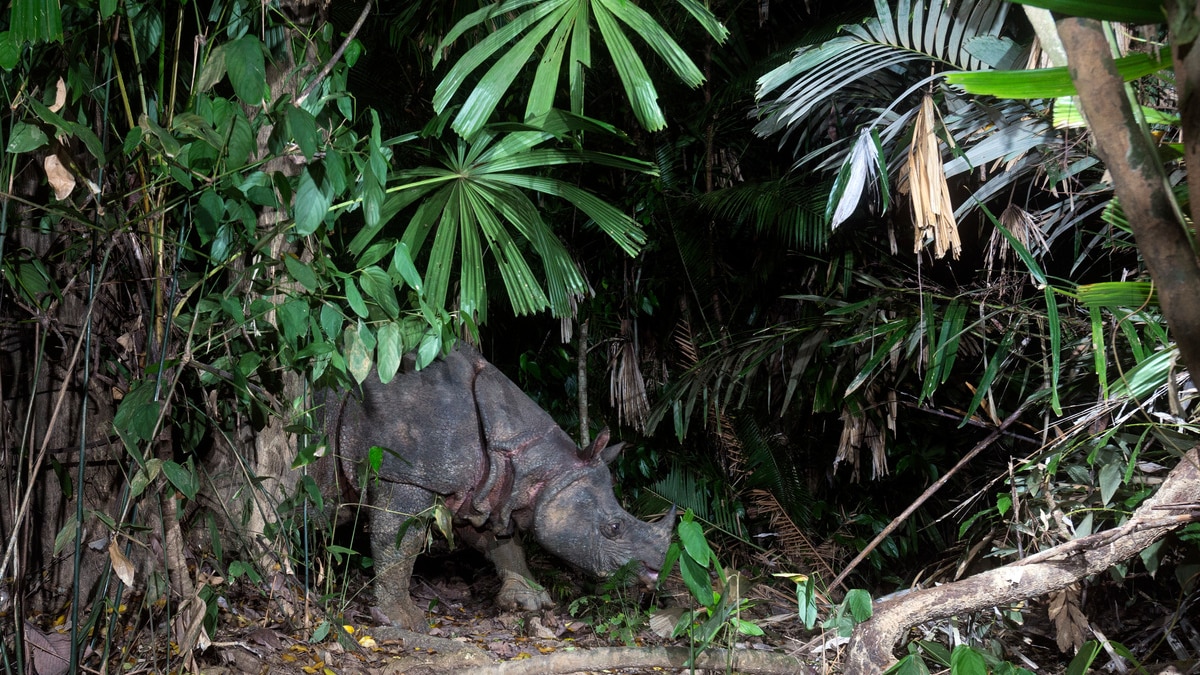
Javanæsehornet er især en af de arter, der har været i tilbagegang siden 1970. (Foto: © Stephen Belcher Photography, WWF)
DR — embedded from source
How each side covered it
Our own reading of the reporting listed below, written from the outlets’ articles rather than quoted from them. The reasoning is set out on our methodology page.
Left
14 rated outlets
- Left-rated reports highlighted the alarming rate of species decline, with several using strong terms like 'collapsed' and 'sharply'. They focused on the scale of the problem, with reports from rthk.hk and franceinfo.fr noting that species are disappearing at a rate at least 100 times higher than the natural extinction rate before human influence. Sueddeutsche Zeitung and Zeit Online pointed out that the decline is particularly severe in rivers and lakes. The potential for reversal was also a theme, with franceinfo.fr quoting WWF stating that the decline curve can be reversed.
Centre
32 rated outlets
- Centre-rated reports frequently led with the headline figure of a 73% decline in wildlife populations. The digests from The Japan Times and WTVB included the detail that populations fell by an average of around 2.5% per year over the 52-year period. Several centre-rated digests, including those from ledauphine.com and leprogres.fr, focused on the WWF's call to 'avoid a new lost decade' and stressed that while conservation solutions are working, more public policy and funding are needed. Euronews mentioned that amid the declines, there are grounds for hope.
Right
14 rated outlets
- Right-rated reports often used headlines indicating a significant loss, such as 'Three Out of Four Wild Animals Have Disappeared Since 1970' from BT and berlingske.dk, and 'Rapid Loss of Wildlife on Earth' from Dagens Nyheter. Free Malaysia Today News and Handelsblatt highlighted habitat loss and degradation, climate change, pollution, and overexploitation as the biggest threats. The digests from Svenska Dagbladet and The West Australian also mentioned that the situation is serious but not impossible to reverse, with The West Australian specifically noting 'grounds for hope' due to species recoveries.
Questions about this coverage
- How did the left and right cover WWF Report: Global Wildlife Populations Down 73% Since 1970?
- Of the 60 outlets on this story carrying a published leaning rating, 23% are rated left, 54% are rated centre, 23% are rated right. Those percentages are shares of the rated outlets, not of every outlet that ran it, which was 104. The sections above set out what each side emphasised, in its own terms.
- Is WWF Report: Global Wildlife Populations Down 73% Since 1970 left or right?
- Neither side dominates it. Of the 60 rated outlets on this story, 23% are rated left, 54% are rated centre, 23% are rated right, and no side holds the 70% this site would want before calling a field one-sided. A story is not left or right in any case; the outlets that carried it are what carry ratings.
- Is the coverage of WWF Report: Global Wildlife Populations Down 73% Since 1970 biased?
- WWF Report: Global Wildlife Populations Down 73% Since 1970 is one event reported by 104 outlets, and this page does not rate the story as biased or unbiased. What it publishes is the spread: which outlets ran it, where named rating organisations place each of them on the spectrum, and what each side chose to lead with. A leaning rating describes an outlet's record over time, not this article, and the two should not be run together.
- Which outlets covered WWF Report: Global Wildlife Populations Down 73% Since 1970?
- 104 that we know of, every one of them listed further up this page with a link to its own report and to what we hold on the publisher. Nothing here is a summary of somebody else's summary: the outlets are named so the original reporting can be read.
- What is the main finding of the WWF's Living Planet Report 2026?
- The report states that monitored wildlife populations have declined by an average of 73% between 1970 and 2022. This significant decrease highlights the pressure on global biodiversity over the past five decades.
- What are the primary causes of wildlife population decline identified in the report?
- The report identifies habitat loss and degradation as the leading causes. Other major threats contributing to the decline include climate change, pollution, and the overexploitation of natural resources.
- Does the report offer any reasons for optimism regarding wildlife conservation?
- Yes, despite the overall negative trend, the report notes that some species are showing signs of recovery. These 'bright spots' suggest that conservation efforts can be successful when implemented effectively.
Read it at the source
104 outlets, grouped by the leaning a published rating gives them. Every headline links to the original; an underlined outlet name opens our profile of that publisher.
Left
14- Nature is in ‘freefall’ yet hope remains for wildlife populations (opens Morning Star in a new tab)
Morning Star — is Morning Star biased? Our profile of this outlet
- WWF: Vertebrate Populations Have Fallen 73 Percent in 52 Years (opens IndexHR in a new tab)
- Population declines spark fears over biodiversity (opens rthk.hk in a new tab)
- Decline in Wild Vertebrate Populations Has Increased over the Past 50 Years (opens Le Monde in a new tab)
- Wild Animal Populations Have Collapsed by 73% Since 1970, but "We Can Reverse This Decline Curve," Says WWF. (opens franceinfo.fr in a new tab)
franceinfo.fr — is franceinfo.fr biased? Our profile of this outlet
- Nature Conservation: WWF Report: Animal Populations Continue to Decline (opens Sueddeutsche Zeitung in a new tab)
Sueddeutsche Zeitung — is Sueddeutsche Zeitung biased? Our profile of this outlet
- Wildlife Has Declined by 73% in 52 Years, but Tigers and Bluefin Tuna Have Returned. (opens Unknown in a new tab)
Unknown
- WWF Report: Animal Populations Continue to Decline Sharply Worldwide (opens Spiegel in a new tab)
Show 6 more
- Conservation: WWF: Animal Populations Continue to Decline Sharply (opens Zeit Online in a new tab)
Zeit Online — is Zeit Online biased? Our profile of this outlet
- Average 73% decline in wildlife population sizes between 1970 and 2022: WWF report (opens Indian Express in a new tab)
Indian Express — is Indian Express biased? Our profile of this outlet
- Animal Populations: WWF Wants to Feed Hope (opens Liberation in a new tab)
Liberation — is Liberation biased? Our profile of this outlet
- The Decline in Biodiversity Is Undeniable, but the World Wildlife Fund Also Wants to Look at What Is Going Well. (opens NRC Handelsblad in a new tab)
NRC Handelsblad — is NRC Handelsblad biased? Our profile of this outlet
- Wild Species Populations Continue to Fall and Latin America Bears the Brunt (opens El Pais in a new tab)
- We Humans Are to Blame for Half of the World's Animal Population Being in Decline, Says NGO Director (opens DR in a new tab)
Centre
32- Animal and Environmental Protection: According to WWF, Animal Populations Are Falling Sharply (opens Tagesschau in a new tab)
Tagesschau — is Tagesschau biased? Our profile of this outlet
- Sardine and Lynx-Iberic Recover Populations and Show that It Is Possible to Have Hope on the Planet (opens Jornal Expresso in a new tab)
Jornal Expresso — is Jornal Expresso biased? Our profile of this outletOpinion
- Why wildlife populations have declined by 73 per cent in just 50 years (opens Euronews in a new tab)
- UK bluefin tuna comeback shows nature can recover, says WWF (opens BBC News in a new tab)
- Populations of wild species fell by an average of 73% from 1970 to 2022, WWF says (opens The Japan Times in a new tab)
The Japan Times — is The Japan Times biased? Our profile of this outlet
- Environment. "Avoid a New Lost Decade": WWF's Call to Better Protect Biodiversity (opens leprogres.fr in a new tab)
leprogres.fr — is leprogres.fr biased? Our profile of this outlet
- Environment. "Avoid a New Lost Decade": WWF's Call to Better Protect Biodiversity (opens ledauphine.com in a new tab)
ledauphine.com — is ledauphine.com biased? Our profile of this outlet
- Wild Animals Have Declined by 73 Percent Since 1970, but There Is a Little Hope. (opens vrt in a new tab)
Show 24 more
- Populations of wild species fell by an average of 73% from 1970 to 2022, WWF says (opens WTVB in a new tab)
- Animal Populations: WWF Wants to Feed Hope (opens INTELLINEWS in a new tab)
INTELLINEWS — is INTELLINEWS biased? Our profile of this outlet
- In the Face of the Decline of Species, the Green Turtle Offers a Glimmer of Hope. (opens Le Devoir in a new tab)
Le Devoir — is Le Devoir biased? Our profile of this outletOpinion
- WWF: Animal Populations Continue to Decline Sharply (opens wz.de in a new tab)
- Conservation: WWF: Animal Populations Continue to Decline Sharply (opens volksfreund.de in a new tab)
volksfreund.de — is volksfreund.de biased? Our profile of this outlet
- Conservation: WWF: Animal Populations Continue to Decline Sharply (opens saarbruecker-zeitung.de in a new tab)
saarbruecker-zeitung.de — is saarbruecker-zeitung.de biased? Our profile of this outlet
- WWF Living Planet Report 2026 reveals "rational basis for hope” (opens Discover Wildlife in a new tab)
Discover Wildlife — is Discover Wildlife biased? Our profile of this outlet
- 'Grounds for hope' even as wildlife numbers dive (opens PerthNow in a new tab)
PerthNow — is PerthNow biased? Our profile of this outletOpinion
- 'Grounds for hope' even as wildlife numbers dive (opens Australian Associated Press in a new tab)
Australian Associated Press — is Australian Associated Press biased? Our profile of this outlet
- WWF: Wild Animal Populations Have Shrunk Significantly Since 1970, 'but Nature Recovery Is Possible' (opens cedarnews.net in a new tab)
cedarnews.net — is cedarnews.net biased? Our profile of this outlet
- Nature Quality in Poor Condition, yet WWF Remains Hopeful: ‘Over 450 Otters in the Netherlands’ (opens Algemeen Dagblad in a new tab)
Algemeen Dagblad — is Algemeen Dagblad biased? Our profile of this outlet
- Average Size of World Wildlife Populations Decreased by 73 per Cent over 52 Years (opens Hola News in a new tab)
- Biodiversity Continues to Collapse, but in France Three Iconic Species Are Getting Better and Better (opens TF1 INFO in a new tab)
- Wildlife populations have shrunk 73% since 1970. A new report argues there is still a case for hope (opens WTVR in a new tab)
- Wildlife populations have shrunk 73% since 1970. A new report argues there is still a case for hope (opens Lex18 NBC in a new tab)
- Wildlife populations have shrunk 73% since 1970. A new report argues there is still a case for hope (opens KZTV in a new tab)
- Wildlife populations have shrunk 73% since 1970. A new report argues there is still a case for hope (opens KJRH in a new tab)
- Wildlife populations have shrunk 73% since 1970. A new report argues there is still a case for hope (opens KXLH.com in a new tab)
- Wildlife populations have shrunk 73% since 1970. A new report argues there is still a case for hope (opens KTVQ in a new tab)
- Wildlife populations have shrunk 73% since 1970. A new report argues there is still a case for hope (opens KTVH in a new tab)
- Wildlife populations have shrunk 73% since 1970. A new report argues there is still a case for hope (opens KPAX in a new tab)
- Wildlife populations have shrunk 73% since 1970. A new report argues there is still a case for hope (opens KBZK in a new tab)
- As species decline, green turtles offer glimmer of hope (opens France24 in a new tab)
- As species decline, green turtles offer glimmer of hope (opens Radio France Internationale in a new tab)
Radio France Internationale — is Radio France Internationale biased? Our profile of this outlet
Right
14- Report: Three Out of Four Wild Animals Have Disappeared Since 1970 (opens BT in a new tab)
- ‘Grounds for hope’ for nature even as wildlife populations fall by 73% since 1970 (opens LBC in a new tab)
- Report: Three Out of Four Wild Animals Have Disappeared Since 1970 (opens berlingske.dk in a new tab)
berlingske.dk — is berlingske.dk biased? Our profile of this outlet
- Three Out of Four Animals Gone (opens Svenska Dagbladet in a new tab)
Svenska Dagbladet — is Svenska Dagbladet biased? Our profile of this outlet
- Rapid Loss of Wildlife on Earth – but There Are Glimmers of Light (opens Dagens Nyheter in a new tab)
Dagens Nyheter — is Dagens Nyheter biased? Our profile of this outletOpinion
- Global wildlife populations plunge 73% since 1970, says WWF (opens Free Malaysia Today News in a new tab)
Free Malaysia Today News — is Free Malaysia Today News biased? Our profile of this outlet
- Conservation: WWF: Animal Populations Continue to Decline Sharply (opens Handelsblatt in a new tab)
Handelsblatt — is Handelsblatt biased? Our profile of this outlet
- Green turtles offer hope for wildlife conservation (opens The Straits Times in a new tab)
The Straits Times — is The Straits Times biased? Our profile of this outletOpinion
Show 6 more
- 'Grounds for hope' even as wildlife numbers dive (opens The West Australian in a new tab)
The West Australian — is The West Australian biased? Our profile of this outletOpinion
- 73% of the Declining Species, but WWF Sees Hope: Lynx-Iberic, Bluefin Tuna and Tiger Are Recovering (opens Observador in a new tab)
Observador — is Observador biased? Our profile of this outlet
- Almost Three-Quarters Fewer Wild Animals, but WWF Still Has Hope (opens dagelijksestandaard.nl in a new tab)
dagelijksestandaard.nl — is dagelijksestandaard.nl biased? Our profile of this outlet
- WWF: Wild Animal Populations Have Shrunk Significantly Since 1970, 'but Nature Recovery Is Possible' (opens NOS in a new tab)
- Stark 73% decline in the average size of monitored wildlife populations since 1970, India presents ground for hope: WWF Living Planet Report (opens Times of India in a new tab)
Times of India — is Times of India biased? Our profile of this outlet
- Almost Three-Quarters Fewer Wild Animals, but WWF Still Has Hope (opens Reformatorisch Dagblad in a new tab)
Reformatorisch Dagblad — is Reformatorisch Dagblad biased? Our profile of this outlet
Not rated
44- WWF's 2026 Life Planet Report: Populations of Wild Animals Have Fallen by an Average of 73%. Why Scientists Think It's Not Too Late – the Rador News Agency (opens rador.ro in a new tab)
- WWF: Despite an Average Decline in Wild Species Populations of 73%, Nature Can Recover (opens Dalmatinski portal in a new tab)
Dalmatinski portal — is Dalmatinski portal biased? Our profile of this outletOpinion
- Wwf: in 52 Years Wild Species Populations Dropped by 73% (opens Askanews in a new tab)
- Biodiversity, WWF: "Wild Animals Falling by 73% in 52 Years" (opens lanotiziagiornale.it in a new tab)
lanotiziagiornale.it — is lanotiziagiornale.it biased? Our profile of this outlet
- The World's Wildlife Is in Sharp Decline, but some Species Are Defying the Trend • POV International (opens POV in a new tab)
- Three Out of Four Animals Gone (opens Sydsvenskan in a new tab)
Sydsvenskan — is Sydsvenskan biased? Our profile of this outlet
- State of the Planet Report 2026: Nature Can Recover if Society Accelerates Change (opens H-Alter in a new tab)
- Planetary Alarm: Vertebrate Populations Fall by as Much as 73 Percent (opens 24sata.hr in a new tab)
Show 36 more
- Nature Alarm: Wild Animals Are Disappearing at an Alarming Rate (opens atvbl.rs in a new tab)
atvbl.rs — is atvbl.rs biased? Our profile of this outletOpinion
- Alarm for the Planet: Wildlife Populations Reduced by an Average of 73 Percent (opens Vesti online in a new tab)
Vesti online — is Vesti online biased? Our profile of this outlet
- Populations Of Wild Species Fell By An Average Of 73% From 1970 To 2022, Says WWF (opens Pakistan Live News in a new tab)
Pakistan Live News — is Pakistan Live News biased? Our profile of this outlet
- WWF: The Population of Wild Species Has Fallen by 73%, but There Is Still a Chance for Recovery (opens Večernji list in a new tab)
Večernji list — is Večernji list biased? Our profile of this outlet
- Report: Three Out of Four Wild Animals Have Disappeared Since 1970 (opens avisendanmark.dk in a new tab)
avisendanmark.dk — is avisendanmark.dk biased? Our profile of this outlet
- Report: Three Out of Four Wild Animals Have Disappeared Since 1970 (opens Kristeligt Dagblad in a new tab)
Kristeligt Dagblad — is Kristeligt Dagblad biased? Our profile of this outlet
- About 73% of Species Are in Decline (opens Noticias ao Minuto in a new tab)
Noticias ao Minuto — is Noticias ao Minuto biased? Our profile of this outlet
- Three Out of Four Animals Gone (opens tv4.se in a new tab)
- Three Out of Four Animals Gone (opens HD in a new tab)
- Environment. "Avoid a New Lost Decade": WWF's Call to Better Protect Biodiversity (opens republicain-lorrain.fr in a new tab)
republicain-lorrain.fr — is republicain-lorrain.fr biased? Our profile of this outlet
- Environment. "Avoid a New Lost Decade": WWF's Call to Better Protect Biodiversity (opens lejsl.com in a new tab)
- Environment. "Avoid a New Lost Decade": WWF's Call to Better Protect Biodiversity (opens lalsace.fr in a new tab)
lalsace.fr — is lalsace.fr biased? Our profile of this outlet
- Environment. "Avoid a New Lost Decade": WWF's Call to Better Protect Biodiversity (opens estrepublicain.fr in a new tab)
estrepublicain.fr — is estrepublicain.fr biased? Our profile of this outlet
- Environment. "Avoid a New Lost Decade": WWF's Call to Better Protect Biodiversity (opens bienpublic.com in a new tab)
bienpublic.com — is bienpublic.com biased? Our profile of this outlet
- WWF Living Planet Report Detects Shrinking Wildlife Stock (opens Tiroler Tageszeitung Online in a new tab)
Tiroler Tageszeitung Online — is Tiroler Tageszeitung Online biased? Our profile of this outlet
- WWF Living Planet Report Detects Shrinking Wildlife Stock (opens suedtirolnews.it in a new tab)
suedtirolnews.it — is suedtirolnews.it biased? Our profile of this outlet
- WWF Report: Wildlife Populations Worldwide Down 73% (opens vienna.at in a new tab)
- Wildlife in Latin America Drops 95% Since 1970, WWF Alert (opens Metrópoles in a new tab)
Metrópoles — is Metrópoles biased? Our profile of this outlet
- WWF: Wildlife Stocks Continue to Decline Sharply (opens ORF.at News in a new tab)
ORF.at News — is ORF.at News biased? Our profile of this outlet
- WWF: Animal Populations Continue to Decline Sharply (opens op-online.de in a new tab)
op-online.de — is op-online.de biased? Our profile of this outlet
- WWF: Animal Populations Continue to Decline Sharply (opens bbv-net.de in a new tab)
bbv-net.de — is bbv-net.de biased? Our profile of this outlet
- WWF: Animal Populations Continue to Decline Sharply (opens RN in a new tab)
- WWF: Animal Populations Continue to Decline Sharply (opens onetz.de in a new tab)
- WWF: Animal Populations Continue to Decline Sharply (opens nordbayern.de in a new tab)
nordbayern.de — is nordbayern.de biased? Our profile of this outlet
- WWF: Animal Populations Continue to Decline Sharply (opens inFranken.de in a new tab)
inFranken.de — is inFranken.de biased? Our profile of this outlet
- Recovery of Green Turtles, Tunas and Tigers Are Examples of the Science of Hope (opens Publico in a new tab)
Publico — is Publico biased? Our profile of this outletOpinion
- As species decline, green turtles offer glimmer of hope (opens rtl.lu in a new tab)
- Wild Fauna Shows a Decline of 73%: Latin America Has the Biggest Fall (opens El Periodista Online in a new tab)
El Periodista Online — is El Periodista Online biased? Our profile of this outlet
- Almost Three-Quarters Fewer Wild Animals, but WWF Still Has Hope (opens welingelichtekringen.nl in a new tab)
welingelichtekringen.nl — is welingelichtekringen.nl biased? Our profile of this outlet
- 73% Fewer Wild Animals: WWF Still Sees Hope (opens Nieuws.nl in a new tab)
- Africa’s monitored wildlife populations declined 80% since 1970, new report says (opens ecotopical.com in a new tab)
ecotopical.com — is ecotopical.com biased? Our profile of this outlet
- Half of Global Animal Populations Are Stable or Growing: 'Recovery Within Reach' (opens NU in a new tab)
- Planeta Vivo: the Loss of Vertebrates Is Maintained but the Recovery of Tigers or Elephants Shows that It Can Be Stopped (opens efeverde.com in a new tab)
efeverde.com — is efeverde.com biased? Our profile of this outletOpinion
- Wildlife Still in Distress for Several Reasons – Tigers and Savannah Elephants Have Emerged From Their Predicament (opens SSS.fi in a new tab)
- WWF Living Planet Report: Species Population Size Has Fallen by an Average of 73% Worldwide (opens Les Affaires in a new tab)
Les Affaires — is Les Affaires biased? Our profile of this outlet
- Gloom over the State of Nature, but WWF Calls 450 Otters in the Netherlands a Bright Spot. (opens destentor.nl in a new tab)
destentor.nl — is destentor.nl biased? Our profile of this outlet
How did this read?
About the coverage, not about the story. We do not ask whether you agree with what happened — we have no honest use for that answer.
More in Climate
All Climate →

Elsewhere on the site
 Politics•4 min readMaduro and wife to face new US charges over alleged torture of Americans
 Business & Economy•2 min readUS household water bills rise faster than inflation
 Politics•3 min readKremlin says no date set for Putin-Trump call
 Politics•2 min readMarco Rubio delivers speech on Western civilization in Athens