Moscow fuel stations cap sales as Ukraine drone strikes cut Russian supply
Gazprom Neft and Tatneft impose limits of 40 to 60 litres per vehicle after refinery attacks and seasonal demand
AI-assisted coverage comparison, editor-supervised · How this was made
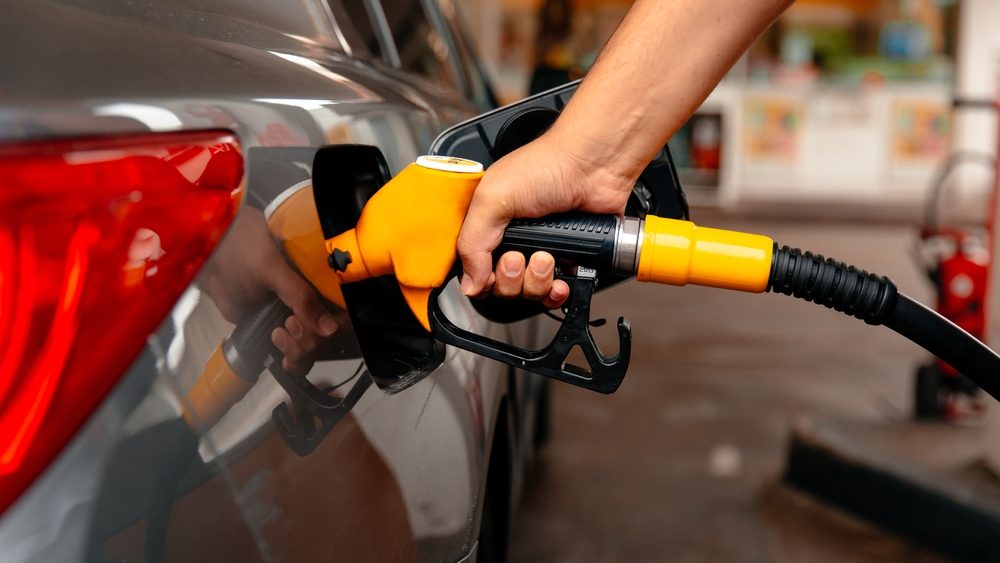
Gradske vlasti Moskve uvode kvote za prodaju goriva na benzinskim pumpama 1
Photograph: Dnevni list Danas (embedded from source)
What this story says
- Gazprom Neft and Tatneft imposed limits of 40 and 50 litres of petrol per vehicle in Moscow, with Tatneft also capping diesel at 60 litres.
- The Russian Ministry of Energy acknowledged fuel supply problems in some regions on 14 August 2026.
- Ukrainian drone strikes on refineries and seasonal demand are cited as causes of the shortages.
- Rosneft restricted petrol sales to 30 litres per vehicle nationwide, as reported by Devdiscourse.
Who covered it
Percentages are shares of the 54 outlets carrying a published leaning rating. 36 of the 90 outlets we know ran this story carry no rating and are not counted in them. Coverage measured .
Trust
70/100
Craft
65/100
Hype
25/100
90 sources · methodology
Missing from the right
Only 16 of the 54 outlets with a published leaning rating that ran this story are rated right.
A reader who follows the right would not have seen this. We report the absence rather than explain it: outlets choose what to cover for many reasons, and we have no evidence about which one applies here.
Moscow fuel stations have reintroduced limits on petrol and diesel sales after a drop in supply. Gazprom Neft set a cap of 40 litres per vehicle, while Tatneft imposed a 50-litre limit on petrol and 60 litres on diesel. Rosneft restricted petrol sales to 30 litres per vehicle nationwide, according to Devdiscourse.
The Russian Ministry of Energy acknowledged ongoing fuel supply problems in some regions on 14 August 2026. Ukrainian drone strikes on refineries and seasonal demand are cited as causes. The shortages began in May and spread across most Russian regions by July, according to Reuters and fuel suppliers.
Russia has responded by banning petrol and diesel exports, relaxing fuel quality requirements and increasing imports. Despite these measures, long queues persist at stations, and some chains attribute the constraints to unscheduled maintenance and operational stability.
What the coverage left out
None of the centre-rated digests mention the specific price increase reported by Kyiv Post. The right-rated digest does not name the chains imposing the limits or the figures for those limits.
Coverage settled. We checked this 12 times and stopped on 24 Aug 2026, 21:30. The figures above are what it finished at.
How other outlets pictured it
Which photograph to run is each newsroom’s own choice. The leaning beside a name is that outlet’s published rating, not a claim that the pictures divide along it. Every picture is shown from the outlet’s own server and links to the article it ran in.
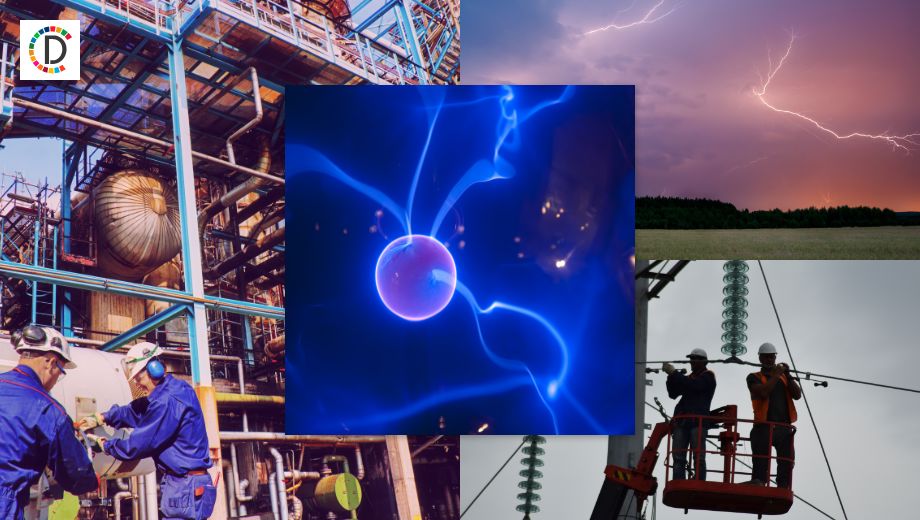
Fuel Crunch in Moscow: Stations Limit Gasoline Sales Amid Supply Strain
Devdiscourse — embedded from source
How each side covered it
Our own reading of the reporting listed below, written from the outlets’ articles rather than quoted from them. The reasoning is set out on our methodology page.
Left
17 rated outlets
- Left-rated outlets led on Moscow fuel stations imposing purchase limits after Ukrainian drone strikes disrupted Russian refineries. All 12 reports carried the caps: 40 litres at Gazpromneft, 50 litres for petrol and 60 for diesel at Tatneft. Eleven digests and the Danas article noted the nationwide availability drop to 28.1% on 16 August.
- Nine digests and Danas attributed the shortages to Ukrainian drone attacks on refineries. Danas quoted Deputy Prime Minister Novak linking the July partial shutdowns to the strikes. Le Monde and La Vanguardia added that Russia had begun importing fuel. Danas and Novinky.cz reported seasonal demand as a secondary factor.
- Danas and four digests quoted Russian officials: Gazpromneft on mobilising resources, the Energy Ministry on persistent regional problems, and President Putin calling the shortages temporary. Danas alone gave Putin’s assurance that the economy would not be affected. None of the digests mentioned the 120-ruble price cited by Kyiv Post.
Centre
21 rated outlets
- The four centre-rated digests led on the causes of the shortages: Ukrainian drone strikes on refineries and high seasonal demand. Devdiscourse named Rosneft’s nationwide cap of 30 litres per vehicle and reported that diesel was less affected. The Moscow Times described the situation as a “second wave” of summer fuel shortages.
- Devdiscourse’s full report listed Russia’s countermeasures: banning exports, relaxing fuel quality requirements and increasing imports. It also quoted Lukoil attributing constraints to unscheduled maintenance and ensuring operational stability.
Right
16 rated outlets
- The single right-rated digest from Korrespondent.net led on the shortage of AI-95 petrol in Moscow. It reported that by the evening of 18 August 2026, the fuel was available at only one station in the capital.
Questions about this coverage
- How did the left and right cover Moscow fuel stations cap sales as Ukraine drone strikes cut Russian…?
- Of the 54 outlets on this story carrying a published leaning rating, 32% are rated left, 38% are rated centre, 30% are rated right. Those percentages are shares of the rated outlets, not of every outlet that ran it, which was 90. The sections above set out what each side emphasised, in its own terms.
- Is Moscow fuel stations cap sales as Ukraine drone strikes cut Russian… left or right?
- Neither side dominates it. Of the 54 rated outlets on this story, 32% are rated left, 38% are rated centre, 30% are rated right, and no side holds the 70% this site would want before calling a field one-sided. A story is not left or right in any case; the outlets that carried it are what carry ratings.
- Is the coverage of Moscow fuel stations cap sales as Ukraine drone strikes cut Russian… biased?
- Moscow fuel stations cap sales as Ukraine drone strikes cut Russian supply is one event reported by 90 outlets, and this page does not rate the story as biased or unbiased. What it publishes is the spread: which outlets ran it, where named rating organisations place each of them on the spectrum, and what each side chose to lead with. A leaning rating describes an outlet's record over time, not this article, and the two should not be run together.
- Which side is not reporting Moscow fuel stations cap sales as Ukraine drone strikes cut Russian…?
- When we first saw this story, outlets rated right had barely covered it. Coverage accretes for hours after an event, so that is where to look rather than a verdict — the split above is the current count, and it is the one to read.
- Which outlets covered Moscow fuel stations cap sales as Ukraine drone strikes cut Russian…?
- 90 that we know of, every one of them listed further up this page with a link to its own report and to what we hold on the publisher. Nothing here is a summary of somebody else's summary: the outlets are named so the original reporting can be read.
- What are the fuel purchase limits in Moscow?
- Gazprom Neft imposed a 40-litre limit per vehicle, Tatneft set a 50-litre cap on petrol and 60 litres on diesel, and Rosneft restricted sales to 30 litres nationwide. These measures follow supply shortages caused by Ukrainian drone strikes on refineries and seasonal demand.
- Why are there fuel shortages in Russia?
- The shortages are attributed to Ukrainian drone strikes on Russian refineries and high seasonal demand. The Russian Ministry of Energy acknowledged ongoing supply problems in some regions on 14 August 2026, and the shortages began spreading across most regions by July.
- How has Russia responded to the fuel shortages?
- Russia has banned petrol and diesel exports, relaxed fuel quality requirements and increased imports. Despite these measures, long queues persist at fuel stations, and some chains have imposed purchase limits to manage supply.
Read it at the source
90 outlets, grouped by the leaning a published rating gives them. Every headline links to the original; an underlined outlet name opens our profile of that publisher.
Left
17- Russian Media: Over 70 Percent of Russia's Gas Stations Are (opens Politiken in a new tab)
- Long Queues and Supply Restrictions in Moscow in the Second Wave of the Gasoline Crisis (opens La Vanguardia in a new tab)
La Vanguardia — is La Vanguardia biased? Our profile of this outlet
- Gasoline Is Out Again. Russia Faces Another Wave of Fuel Crisis (opens Novinky.cz in a new tab)
Novinky.cz — is Novinky.cz biased? Our profile of this outlet
- Ukraine Invasion Day 1,638: “Complexity does not mean impossibility” (opens Daily Kos in a new tab)
- Russia's fuel crisis returns as Ukrainian drones target oil facilities (opens Ynet News in a new tab)
- WSO Has Made Russia a Fuel Importer (opens charter97.org in a new tab)
charter97.org — is charter97.org biased? Our profile of this outlet
- In Moscow, Gas Station Networks Limited the Sale of Gasoline and Diesel Fuel (opens unn.ua in a new tab)
- Fuel sales restrictions have been reintroduced at petrol stations in Moscow: Russians are fighting in queues for petrol. VIDEO (opens censor.net in a new tab)
censor.net — is censor.net biased? Our profile of this outlet
Show 9 more
- Russia Falls Back Into Its Fuel Crisis with Two Out of Three Gas Stations without Supply (opens El Pais in a new tab)
- Moscow City Authorities Are Introducing Quotas for the Sale of Fuel at Gas Stations (opens Dnevni list Danas in a new tab)
Dnevni list Danas — is Dnevni list Danas biased? Our profile of this outlet
- IN DIRECT, War in Ukraine: in Moscow, Fuel Distribution Rationed in Several Service Station Networks (opens Le Monde in a new tab)
- Moscow Is Counting Liters Again: Russian Gas Stations Have Restricted Gasoline Sales. (opens rbc.ua in a new tab)
- Moscow Gas Stations Introduced Pump Restrictions Due to the Country's Fuel Crisis - HotNews.ro (opens Hot News in a new tab)
- Moscow Gas Stations Impose Fuel Limits as Russian Shortage Deepens (opens Kyiv Post in a new tab)
- Moscow gas stations bring back fuel sales limits (opens Meduza in a new tab)
- Russia Starts Fining People for Complaining About Gasoline Shortages (opens United24 in a new tab)
- In Volgograd, Participants in the Collective Appeal to the Head of the UK Began to Be Fined because of a Shortage of Petrol. (opens Mediazona in a new tab)
Centre
21- Gasoline Is in Short Supply, but Patriotism Is Not: 'The Harder It Is, the Stronger We Are' (opens 24ur.com in a new tab)
24ur.com — is 24ur.com biased? Our profile of this outletOpinion
- Videos show brawls breaking out over crippling Russian gas shortages (opens Newsweek in a new tab)
- Russia runs out of petrol at seven in 10 stations as fuel crisis worsens (opens Euronews in a new tab)
- "Thank You Putin!": in Moscow, War Is Now Being Felt at the Pump (opens Le Télégramme in a new tab)
Le Télégramme — is Le Télégramme biased? Our profile of this outlet
- Russia, Petrol Crisis: Fuel Limit and Queues Are Set Off at Distributors. And Now Moscow Imports Fuel. (opens Il Messaggero in a new tab)
Il Messaggero — is Il Messaggero biased? Our profile of this outlet
- Russia’s Fuel Crisis Hits Moscow as Rationing Spreads (opens Oil Price in a new tab)
- Putin Has A New Ukraine Crisis That Just Dropped: Gas Stations in Moscow Are Now Forced to Ration Gas and Some Have No Fuel (opens nationalsecurityjournal.org in a new tab)
nationalsecurityjournal.org — is nationalsecurityjournal.org biased? Our profile of this outlet
- Moscow's fuel stations limit sales amid shortages linked to Ukrainian drone attacks on refineries (opens Jerusalem Post in a new tab)
Jerusalem Post — is Jerusalem Post biased? Our profile of this outlet
Show 13 more
- Russia Is Facing Energy Shortages Again As Ukraine Pounds Its Infrastructure. Moscow Limits Gas Purchases Again. (opens IBTimes in a new tab)
- Fuel Crunch in Moscow: Stations Limit Gasoline Sales Amid Supply Strain | Science-Environment (opens Devdiscourse in a new tab)
Devdiscourse — is Devdiscourse biased? Our profile of this outlet
- Moscow's fuel stations limit sales amid shortages (opens Reuters in a new tab)
- Moscow Again Restricts Fuel Sales at Gas Stations (opens Eesti Rahvusringhääling in a new tab)
Eesti Rahvusringhääling — is Eesti Rahvusringhääling biased? Our profile of this outlet
- Moscow Gas Stations Reimpose Fuel Limits as ‘Second Wave’ of Shortages Hits Russia (opens The Moscow Times in a new tab)
The Moscow Times — is The Moscow Times biased? Our profile of this outlet
- Moscow fuel stations reimpose sales limits amid growing shortages (opens AKIpress in a new tab)
- Russian Drivers Stalled By Another Wave Of Fuel Shortages (opens Radio Free Europe/ RadioLiberty in a new tab)
- The Russian Fuel Shortage Has Reached Moscow. Ukrainian Attacks Have Led to Restrictions on the Sale of Petrol and Diesel. (opens Digi 24 in a new tab)
- Reports of 'nightmare' queues and long delays on busy road (opens halesowennews.co.uk in a new tab)
halesowennews.co.uk — is halesowennews.co.uk biased? Our profile of this outlet
- Reports of 'nightmare' queues and long delays on busy road (opens dudleynews.co.uk in a new tab)
dudleynews.co.uk — is dudleynews.co.uk biased? Our profile of this outlet
- Reports of 'nightmare' queues and long delays on busy road (opens kidderminstershuttle.co.uk in a new tab)
kidderminstershuttle.co.uk — is kidderminstershuttle.co.uk biased? Our profile of this outlet
- Reports of 'nightmare' queues and long delays on busy road (opens stourbridgenews.co.uk in a new tab)
stourbridgenews.co.uk — is stourbridgenews.co.uk biased? Our profile of this outlet
- Reports of 'nightmare' queues and long delays on busy road (opens Bromsgrove Advertiser in a new tab)
Bromsgrove Advertiser — is Bromsgrove Advertiser biased? Our profile of this outlet
Right
16- Russia Is Running Out of Gasoline. The Crisis Is Getting Worse. (opens tvp.info in a new tab)
- Moscow petrol queues return as Russian fuel crisis deepens (opens Cyprus Mail in a new tab)
Cyprus Mail — is Cyprus Mail biased? Our profile of this outlet
- Vladimir Putin, Kneeling in Ukraine. 70% of Russian Gas Stations Ran Out of Petrol or Diesel. (opens romaniatv.net in a new tab)
romaniatv.net — is romaniatv.net biased? Our profile of this outlet
- Petrol Stations in Moscow Introduce New Fuel Restrictions – "Second Wave of Bottlenecks Hits Russia" (opens focus.de in a new tab)
- Russia Must Import Fuel for the First Time After Ukrainian Attacks (opens BNR Nieuwsradio in a new tab)
BNR Nieuwsradio — is BNR Nieuwsradio biased? Our profile of this outlet
- Russia begins fuel imports, deputy prime minister says (opens Al Arabiya in a new tab)
Al Arabiya — is Al Arabiya biased? Our profile of this outlet
- Following Sustained Ukrainian Attacks on Energy Installations: Russia Started Importing Fuel (opens De Telegraaf in a new tab)
De Telegraaf — is De Telegraaf biased? Our profile of this outlet
- Russia Has Started Importing Fuel, According to the Deputy Prime Minister. (opens Reformatorisch Dagblad in a new tab)
Reformatorisch Dagblad — is Reformatorisch Dagblad biased? Our profile of this outlet
Show 8 more
- Russian Posts Limit Fuel Sales Amid Shortage (opens Globo in a new tab)
- Fuel Rationing Reaches Moscow Amid ‘Second Wave’ National Shortages (opens ussanews.com in a new tab)
ussanews.com — is ussanews.com biased? Our profile of this outlet
- Fuel Shortages Spread Across Ten Russian Regions as Refineries Shut Down (opens Правда.Ру in a new tab)
Правда.Ру
- Fuel Crisis in Russia: in Moscow, the Sale of Petrol Was Restricted (opens Korrespondent.net in a new tab)
Korrespondent.net — is Korrespondent.net biased? Our profile of this outlet
- Fuel Rationing Reaches Moscow Amid 'Second Wave' National Shortages (opens Zero Hedge in a new tab)
Zero Hedge — is Zero Hedge biased? Our profile of this outlet
- "200 Cars Lined Up at Gas Station"... Russia's Fuel Shortage Worsens (opens 연합뉴스-Yonhap News Agency in a new tab)
연합뉴스-Yonhap News Agency — is 연합뉴스-Yonhap News Agency biased? Our profile of this outlet
- The Fuel Crisis Is Coming Back to Russia. Fuel Sales in 10 Regions (opens REALITATEA.NET in a new tab)
REALITATEA.NET — is REALITATEA.NET biased? Our profile of this outlet
- Fuel shortages spread across some regions in Russia, prompting restrictions on sales (opens Just the News in a new tab)
Just the News — is Just the News biased? Our profile of this outlet
Not rated
36- New Price Spike in Russia: Gasoline Purchase Cap (opens Tärkeimmät talousuutiset | Kauppalehti… in a new tab)
- Russia: Petrol Crisis Worsens Again - Primarily in Moscow (opens zdfheute.de in a new tab)
zdfheute.de — is zdfheute.de biased? Our profile of this outlet
- Russia: Seven Out of Ten Gas Stations Run Out of Fuel (opens 24 HU in a new tab)
- War in Ukraine: "It's Really a Mess, We Can't Find one"... Russians Can't Afford Gas Shortages (opens midilibre.fr in a new tab)
midilibre.fr — is midilibre.fr biased? Our profile of this outletOpinion
- Russia's Fuel Crisis Worsens, 7 Out of 10 Gas Stations Run Out of Gas (opens SINDOnews.com in a new tab)
SINDOnews.com — is SINDOnews.com biased? Our profile of this outlet
- Moscow drivers face long queues to refill as fuel shortages return \ stacker news (opens Stacker News in a new tab)
Stacker News — is Stacker News biased? Our profile of this outlet
- Gas Disappeared at 7 Out of 10 Gas Stations in Russia: Lines Appear First in Moscow, and the Kremlin Introduces Banned Fuels (opens antena3.ro in a new tab)
antena3.ro — is antena3.ro biased? Our profile of this outlet
- Again without Fuel: Russia Was Covered by the Second Wave of Gasoline Shortages and Not Only (opens Fakty.ua ФАКТЫ in a new tab)
Fakty.ua ФАКТЫ — is Fakty.ua ФАКТЫ biased? Our profile of this outlet
Show 28 more
- Russia is now importing diesel fuel!! (opens Gilbert Doctorow in a new tab)
Gilbert Doctorow — is Gilbert Doctorow biased? Our profile of this outlet
- Russian Media Calls Renewed Gasoline Restrictions in Moscow a “Second Wave” of Shortages (opens ikon.mn in a new tab)
- Moscow Gas Stations Are Rationing Fuel Again Amid a Second Wave of Shortages. (opens diariodecuba.com in a new tab)
diariodecuba.com — is diariodecuba.com biased? Our profile of this outlet
- Moscow caps gas sales as Ukrainian drone strikes cause shortages (opens tvpworld.com in a new tab)
tvpworld.com — is tvpworld.com biased? Our profile of this outlet
- Russia Has Begun Importing Fuel, According to Reports, Following Ukrainian Attacks on Energy Targets. (opens CNN Greece in a new tab)
CNN Greece — is CNN Greece biased? Our profile of this outlet
- Russia Began Importing Fuel (opens Naftemporiki in a new tab)
Naftemporiki — is Naftemporiki biased? Our profile of this outlet
- Paralysis in Russia. Gas Stations Restrict Gasoline Sales. (opens wprost in a new tab)
- Motor and Petrol, Rationalized Again in Moscow. Russia Has Lost a Third of Its Refining Capacity, but Putin Claims that the Situation "Is Not critical." (opens Libertatea.ro in a new tab)
Libertatea.ro — is Libertatea.ro biased? Our profile of this outlet
- The Fuel Crisis Has Reached Moscow Again. Gas Stations Have Restricted the Sale of Gasoline (opens ГОЛОВНА in a new tab)
ГОЛОВНА
- Moscow Was Asked to Sell Gasoline (opens espreso.tv in a new tab)
espreso.tv — is espreso.tv biased? Our profile of this outlet
- Fuel Crisis Hits Moscow Again. How Many Liters of Petrol Can Buy the Drivers? (opens Stirile Antena 1 Observator in a new tab)
Stirile Antena 1 Observator — is Stirile Antena 1 Observator biased? Our profile of this outlet
- Russia Rationalizes Petrol in Moscow. Stations Face Fuel Shortages After Ukrainian Attacks (opens Stirile Pro TV in a new tab)
Stirile Pro TV — is Stirile Pro TV biased? Our profile of this outlet
- In Moscow, the Sale of Gasoline Was Again Limited (opens babel.ua in a new tab)
- New Statements of the Bunker: the Strikes of the Armed Forces Harm the Russian Federation; Gasoline Is Almost 800 Rubles per Liter; Ukraine Returns Its Own — Chronicle of the 1638th Day of the Great War (opens 5 канал in a new tab)
- Gas Station Networks Again Restrict the Sale of Fuel in Moscow (opens elperiodicodelaenergia.com in a new tab)
elperiodicodelaenergia.com — is elperiodicodelaenergia.com biased? Our profile of this outlet
- Moscow Has Returned the Limits to the AZS. (opens istories.media in a new tab)
istories.media — is istories.media biased? Our profile of this outlet
- In Moscow Gas Stations, Fuel Limits Have Reappeared — the New Europe Gazette (opens Unknown in a new tab)
Unknown
- The Moscow AZS Has Introduced Limits on the Sale of Fuel. (opens tvrain.tv in a new tab)
- Putin's pathetic response to the fuel crisis is to fine Russians for asking where the petrol went - London Business News (opens London Loves Business in a new tab)
London Loves Business — is London Loves Business biased? Our profile of this outletOpinion
- In Russia, the Politsya Trialled People Through Cargo for Gasoline Deficit (opens Gazeta.ua in a new tab)
- Russians Complaining of Lack of Petrol Are Fined or Arrested: Pump Beatings and 5-Hour Tails (opens Adevarul in a new tab)
- The Authors of the Collective Video Message to Bastrikin From Volgograd Began to Be Fined, Complaining About the Lack of Gas — the New Gazette (opens Новая газета - Novayagazeta.ru in a new tab)
- A Second Wave of Fuel Shortages at Gas Stations Took Place in Russia: 10 Regions Imposed Restrictions (opens Обозреватель in a new tab)
Обозреватель
- "Second Wave." Russians Face a Growing Problem (opens Business Insider (Poland) in a new tab)
Business Insider (Poland) — is Business Insider (Poland) biased? Our profile of this outlet
- Fuel Crisis in Russia. Almost the Entire Country Is Struggling with Gasoline Shortages. (opens Do Rzeczy in a new tab)
- Fuel Crisis in Russia Is Worsening: Second Wave of Gasoline Shortages Has Begun. (opens Haberler in a new tab)
- Almost All of Russia Was Hit by the Second Wave of Fuel Shortages (opens Новое Время in a new tab)
Новое Время
- Russia's New Wave of Fuel Crisis: What's Going to Happen to Gasoline in the Fall (opens RTVI in a new tab)
How did this read?
About the coverage, not about the story. We do not ask whether you agree with what happened — we have no honest use for that answer.