Ontario judge denies MAID bid for mental illness alone
Claire Brosseau's motion for a constitutional exemption was dismissed, but her broader challenge will proceed.
AI-assisted coverage comparison, editor-supervised · How this was made
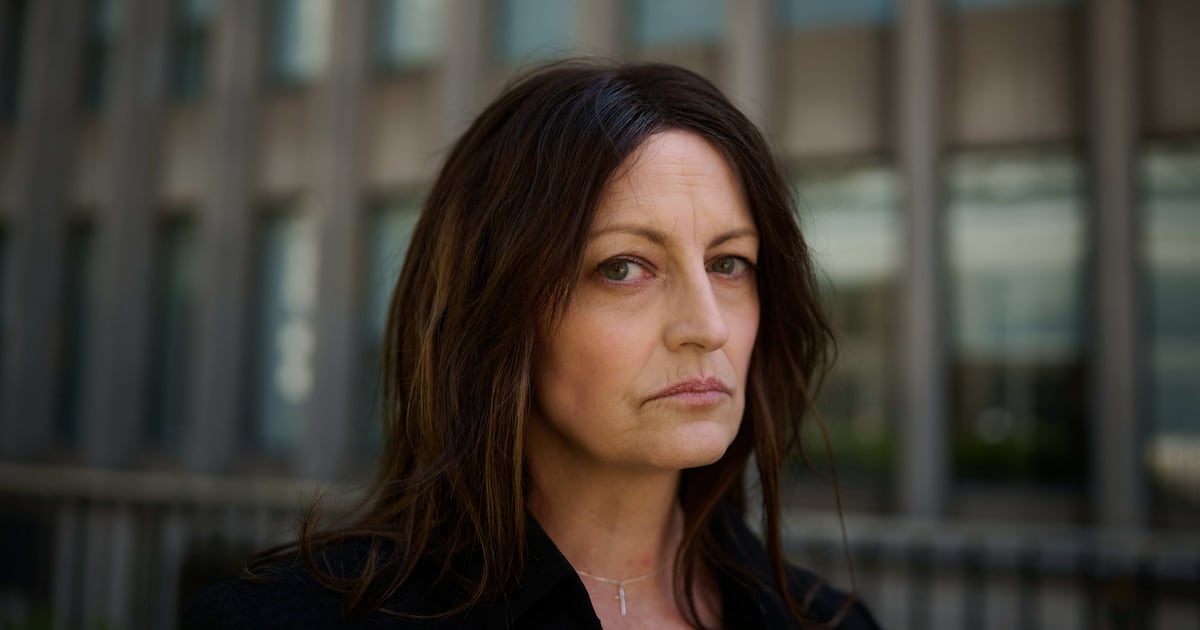
Claire Brosseau, 49, of Toronto
Photograph: CTV News (embedded from source)
What this story says
- An Ontario judge has dismissed Claire Brosseau's motion to apply for medical assistance in dying (MAID) based only on mental illness.
- Brosseau, 49, sought a constitutional exemption from the law that currently bars MAID eligibility for individuals whose sole condition is mental illness.
- Justice Carissima Mathen ordered the Attorney General to respond to Brosseau's separate constitutional challenge within 14 days.
- The Department of Justice agreed that the legal requirements for an exemption were not met.
Who covered it
Percentages are shares of the 37 outlets carrying a published leaning rating. 4 of the 41 outlets we know ran this story carry no rating and are not counted in them. Coverage measured .
Trust
55/100
Craft
55/100
Hype
15/100
41 sources · methodology
Missing from the right
Only 2 of the 37 outlets with a published leaning rating that ran this story are rated right.
A reader who follows the right would not have seen this. We report the absence rather than explain it: outlets choose what to cover for many reasons, and we have no evidence about which one applies here.
An Ontario judge has denied a motion that would have allowed Claire Brosseau to apply for medical assistance in dying (MAID) based solely on mental illness. Brosseau, 49, had filed the motion in May 2026 seeking a constitutional exemption from the current law. Justice Carissima Mathen dismissed the motion on Thursday. The judge ordered the Attorney General to respond to Brosseau's broader constitutional challenge within 14 days, stating that next steps for the charter challenge must be scheduled. A spokesperson for the Department of Justice confirmed agreement with the court's decision that the legal requirements for a special exemption or pause of the law were not met.
Disagreement on timing of challenge
CTV News reported that Brosseau launched her constitutional challenge in August 2024, and the case had not commenced in court, which led to her urgent motion. Other reports did not specify when the constitutional challenge was launched or that its lack of commencement prompted the motion.
What the coverage left out
None of the left-rated or centre-rated reports printed below mention the date Brosseau filed her motion, May 2026. The full report from CTV News stated that Brosseau filed the motion in May 2026.
Coverage settled. We checked this 114 times and stopped on 9 Sept 2026, 12:45. The figures above are what it finished at.
How each side covered it
Our own reading of the reporting listed below, written from the outlets’ articles rather than quoted from them. The reasoning is set out on our methodology page.
Left
24 rated outlets
- The left-rated reports focused on the denial of Brosseau's motion and her stated reaction. They noted that the decision denies Brosseau an exemption from a law preventing MAID eligibility based on mental illness alone. Several reports included Brosseau's statement that the decision creates another barrier, extends her suffering, and signals that people with mental illnesses do not have the same rights or autonomy. They also highlighted that the current MAID legislation's exclusion for mental illness alone has been controversial since its temporary implementation in 2021. The reports mentioned that Justice Carissima Mathen ordered the Attorney General to respond to Brosseau's constitutional challenge within 14 days.
Centre
11 rated outlets
- The centre-rated reports also highlighted the denial of Brosseau's motion and the fact that she sought MAID based solely on mental illness. They stated that Justice Carissima Mathen dismissed the motion and ordered the Attorney General to respond to Brosseau's constitutional challenge within 14 days. The Department of Justice spokesperson's agreement with the court's decision was also noted. Some reports included Brosseau's statement that the decision creates another barrier and extends her suffering. CTV News, the only outlet providing a full report, included Brosseau's quote about Canada not valuing bodily autonomy for certain people and her mention of being treated for bipolar disorder, an eating disorder, substance use disorder, and post-traumatic stress disorder.
Right
2 rated outlets
- Both digests reported that Justice Carissima Mathen rejected a request by 49‑year‑old Claire Brosseau to obtain medical assistance in dying on the basis of mental illness alone. The motion, filed in May, sought an exemption from federal law. The reports note that Dying With Dignity was involved and that the Euthanasia Prevention Coalition intervened in the hearings.
- The Epoch Times described the plaintiff as a Toronto woman, while LifeNews.com referred to her as a mentally disabled woman and characterised the sought injunction as permission for her to be killed by euthanasia. Both digests identified Justice Carissima Mathen by name and linked the case to the organization Dying With Dignity.
- Neither of the right‑rated digests includes any reference to the Attorney General’s response deadline, the separate 2024 Charter challenge, or any estimate of costs associated with the case. They also provide no quotations from the parties involved, and they omit broader discussion of federal MAID policy.
Questions about this coverage
- How did the left and right cover Ontario judge denies MAID bid for mental illness alone?
- Of the 37 outlets on this story carrying a published leaning rating, 65% are rated left, 30% are rated centre, 5% are rated right. Those percentages are shares of the rated outlets, not of every outlet that ran it, which was 41. The sections above set out what each side emphasised, in its own terms.
- Is Ontario judge denies MAID bid for mental illness alone left or right?
- Neither side dominates it. Of the 37 rated outlets on this story, 65% are rated left, 30% are rated centre, 5% are rated right, and no side holds the 70% this site would want before calling a field one-sided. A story is not left or right in any case; the outlets that carried it are what carry ratings.
- Is the coverage of Ontario judge denies MAID bid for mental illness alone biased?
- Ontario judge denies MAID bid for mental illness alone is one event reported by 41 outlets, and this page does not rate the story as biased or unbiased. What it publishes is the spread: which outlets ran it, where named rating organisations place each of them on the spectrum, and what each side chose to lead with. A leaning rating describes an outlet's record over time, not this article, and the two should not be run together.
- Which side is not reporting Ontario judge denies MAID bid for mental illness alone?
- When we first saw this story, outlets rated right had barely covered it. Coverage accretes for hours after an event, so that is where to look rather than a verdict — the split above is the current count, and it is the one to read.
- Which outlets covered Ontario judge denies MAID bid for mental illness alone?
- 41 that we know of, every one of them listed further up this page with a link to its own report and to what we hold on the publisher. Nothing here is a summary of somebody else's summary: the outlets are named so the original reporting can be read.
- What was the court's decision regarding Claire Brosseau's motion?
- An Ontario judge denied Claire Brosseau's motion seeking a constitutional exemption to apply for medical assistance in dying (MAID) based solely on mental illness. The judge ordered the Attorney General to respond to Brosseau's broader constitutional challenge within 14 days.
- Why was Claire Brosseau seeking a MAID exemption?
- Claire Brosseau, 49, sought a constitutional exemption from the current law that prevents Canadians from applying for MAID on the basis of mental illness alone. She stated the decision creates barriers and extends her suffering.
- What is the current law regarding MAID and mental illness in Canada?
- The current law in Canada prevents individuals from applying for medical assistance in dying (MAID) if their sole condition is a mental illness. This aspect of the legislation has been a point of controversy since its implementation.
Read it at the source
41 outlets, grouped by the leaning a published rating gives them. Every headline links to the original; an underlined outlet name opens our profile of that publisher.
Left
24- Ontario court denies Toronto woman's motion to apply for MAID for mental illness (opens burlingtontoday.com in a new tab)
burlingtontoday.com — is burlingtontoday.com biased? Our profile of this outlet
- Ontario court denies Toronto woman's motion to apply for MAID for mental illness (opens Elora Fergus Today in a new tab)
Elora Fergus Today — is Elora Fergus Today biased? Our profile of this outlet
- Ontario court denies Toronto woman's motion to apply for MAID for mental illness (opens haltonhillstoday.ca in a new tab)
haltonhillstoday.ca — is haltonhillstoday.ca biased? Our profile of this outlet
- Ontario court denies Toronto woman's motion to apply for MAID for mental illness (opens Collingwood Today in a new tab)
Collingwood Today — is Collingwood Today biased? Our profile of this outlet
- Ontario court denies Toronto woman's motion to apply for MAID for mental illness (opens Midland Today in a new tab)
Midland Today — is Midland Today biased? Our profile of this outlet
- Ontario court denies Toronto woman's motion to apply for MAID for mental illness (opens CambridgeToday.ca in a new tab)
CambridgeToday.ca — is CambridgeToday.ca biased? Our profile of this outlet
- Ontario court denies Toronto woman's motion to apply for MAID for mental illness (opens Oakville News in a new tab)
Oakville News — is Oakville News biased? Our profile of this outlet
- Ontario court denies Toronto woman's motion to apply for MAID for mental illness (opens Bradford Today in a new tab)
Bradford Today — is Bradford Today biased? Our profile of this outlet
Show 16 more
- Ontario court denies Toronto woman's motion to apply for MAID for mental illness (opens InnisfilToday.ca in a new tab)
InnisfilToday.ca — is InnisfilToday.ca biased? Our profile of this outlet
- Ontario court denies Toronto woman's motion to apply for MAID for mental illness (opens Newmarket Today in a new tab)
Newmarket Today — is Newmarket Today biased? Our profile of this outlet
- Ontario court denies Toronto woman's motion to apply for MAID for mental illness (opens StratfordToday.ca in a new tab)
StratfordToday.ca — is StratfordToday.ca biased? Our profile of this outlet
- Ontario court denies Toronto woman's motion to apply for MAID for mental illness (opens ElliotLakeToday.com in a new tab)
ElliotLakeToday.com — is ElliotLakeToday.com biased? Our profile of this outlet
- Ontario court denies Toronto woman's motion to apply for MAID for mental illness (opens Bay Today in a new tab)
- Ontario court denies Toronto woman's motion to apply for MAID for mental illness (opens Sudbury in a new tab)
- CP Ontario court dismisses Toronto woman’s motion to apply for MAID for mental illness (opens The Toronto Star in a new tab)
The Toronto Star — is The Toronto Star biased? Our profile of this outlet
- CP Ontario court dismisses Toronto woman's motion to apply for MAID for mental illness (opens Rocky Mountain Outlook in a new tab)
Rocky Mountain Outlook — is Rocky Mountain Outlook biased? Our profile of this outlet
- CP Ontario court dismisses Toronto woman's motion to apply for MAID for mental illness (opens flamboroughtoday.com in a new tab)
flamboroughtoday.com — is flamboroughtoday.com biased? Our profile of this outlet
- CP Ontario court dismisses Toronto woman's motion to apply for MAID for mental illness (opens thealbertan.com in a new tab)
thealbertan.com — is thealbertan.com biased? Our profile of this outlet
- CP Ontario court dismisses Toronto woman's motion to apply for MAID for mental illness (opens Timmins Today in a new tab)
Timmins Today — is Timmins Today biased? Our profile of this outlet
- CP Ontario court dismisses Toronto woman's motion to apply for MAID for mental illness (opens The NOTL Local in a new tab)
The NOTL Local — is The NOTL Local biased? Our profile of this outlet
- CP Ontario court dismisses Toronto woman's motion to apply for MAID for mental illness (opens Bowen Island Undercurrent in a new tab)
Bowen Island Undercurrent — is Bowen Island Undercurrent biased? Our profile of this outlet
- CP Ontario court dismisses Toronto woman's motion to apply for MAID for mental illness (opens Thorold Today in a new tab)
Thorold Today — is Thorold Today biased? Our profile of this outlet
- CP Ontario court dismisses Toronto woman's motion to apply for MAID for mental illness (opens Orillia Matters in a new tab)
Orillia Matters — is Orillia Matters biased? Our profile of this outlet
- Ontario court dismisses Toronto woman's motion to apply for MAID for mental illness (opens SooToday.com in a new tab)
SooToday.com — is SooToday.com biased? Our profile of this outlet
Centre
11- Ontario court denies Toronto woman with bipolar disorder emergency access to MAID (opens The Globe & Mail in a new tab)
The Globe & Mail — is The Globe & Mail biased? Our profile of this outlet
- Ontario court denies Toronto woman's motion to apply for MAID for mental illness (opens Chek news in a new tab)
- Ontario court denies Toronto woman’s motion to apply for MAID for mental illness (opens CTV News in a new tab)
- CP Ontario court dismisses Toronto woman’s motion to apply for MAID for mental illness (opens CFJC Today Kamloops in a new tab)
CFJC Today Kamloops — is CFJC Today Kamloops biased? Our profile of this outlet
- Ontario court denies Toronto woman’s motion to apply for MAID for mental illness (opens Ckpg Today in a new tab)
Ckpg Today — is Ckpg Today biased? Our profile of this outlet
- CP Ontario court dismisses Toronto woman’s motion to apply for MAID for mental illness (opens meadowlakeNOW in a new tab)
meadowlakeNOW — is meadowlakeNOW biased? Our profile of this outlet
- Ontario court denies Toronto woman's motion to apply for MAID for mental illness (opens Narcity in a new tab)
- CP Ontario court dismisses Toronto woman's motion to apply for MAID for mental illness (opens Medicine Hat News in a new tab)
Medicine Hat News — is Medicine Hat News biased? Our profile of this outlet
Show 3 more
- Ontario court dismisses Toronto woman's motion to apply for MAID for mental illness (opens City News in a new tab)
- Ontario court dismisses Toronto woman's motion to apply for MAID for mental illness (opens Winnipeg Free Press in a new tab)
Winnipeg Free Press — is Winnipeg Free Press biased? Our profile of this outlet
- CP Ontario court dismisses Toronto woman’s motion to apply for MAID for mental illness (opens Battlefords NOW in a new tab)
Battlefords NOW — is Battlefords NOW biased? Our profile of this outlet
Right
2- Judge Denies Request to Euthanize Mentally Disabled Woman (opens LifeNews.com in a new tab)
LifeNews.com — is LifeNews.com biased? Our profile of this outlet
- Court Rejects Toronto Woman’s Attempt to Access MAID for Mental Illness (opens The Epoch Times in a new tab)
The Epoch Times — is The Epoch Times biased? Our profile of this outlet
Not rated
4- Ontario court denies Toronto woman’s motion to apply for MAID for mental illness (opens Loonie Politics in a new tab)
Loonie Politics — is Loonie Politics biased? Our profile of this outlet
- Ontario court denies Toronto woman’s motion to apply for MAID for mental illness – 105.9 The Region (opens 1059theregion.com in a new tab)
1059theregion.com — is 1059theregion.com biased? Our profile of this outlet
- Claire Elyse Brosseau denied emergency relief to receive medical assistance in dying (MAID) with mental illness as the sole underlying medical condition (opens Newswire in a new tab)
- Ontario court denies Toronto woman's motion to apply for MAID for mental illness (opens Airdrie City View in a new tab)
Airdrie City View — is Airdrie City View biased? Our profile of this outlet
How did this read?
About the coverage, not about the story. We do not ask whether you agree with what happened — we have no honest use for that answer.
More in Health
All Health →

Elsewhere on the site
 Politics•3 min readTrump endorses Netanyahu for Israeli election
 Conflict & Security•3 min readFour service members dead after fire at CFB Wainwright
 Politics•3 min readFrench journalist alleges targeted attacks on Jewish businesses during riots
 Politics•4 min readObama condemns federal probe into Rep. Ilhan Omar's citizenship