Trifluoroacetic acid found in blood of all 110 European study volunteers
New research reveals widespread presence of 'eternal pollutant' TFA, prompting calls for stricter regulation.
AI-assisted coverage comparison, editor-supervised · How this was made

Trifluoroacetic acid found in blood of all 110 European study volunteers
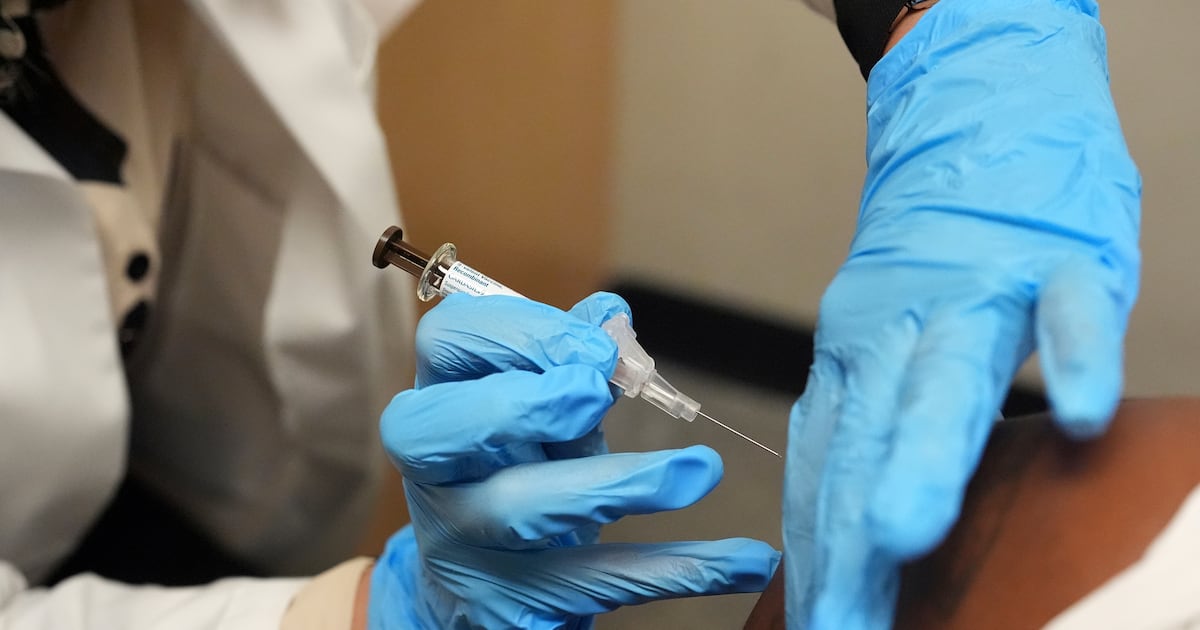
Photograph: Il Fatto Quotidiano (embedded from source)
What this story says
- Trifluoroacetic acid (TFA) was detected in the blood of all 110 volunteers participating in a new study across nine European countries.
- TFA concentrations were found to be four to five times higher than the sum of four long-chain PFAS compounds.
- The European Food Safety Authority (EFSA) has reduced its acceptable daily intake for TFA and classified it as toxic for reproduction.
- Six out of ten Croatian participants showed elevated levels of four long-chain PFAS compounds, with five of seven from Gospić having high values.
Who covered it
Percentages are shares of the 6 outlets carrying a published leaning rating. 21 of the 27 outlets we know ran this story carry no rating and are not counted in them. Coverage measured .
Trust
42/100
Craft
59/100
Hype
41/100
27 sources · methodology
Thin on the right so far
None of the 6 outlets with a published leaning rating that ran this story are rated right.
This story is still being watched, so it is a count and not yet a finding. Coverage keeps arriving for hours after an event, and a side that has published nothing this morning may publish by tonight. If it is still true when we stop checking, we will say so plainly.
A new study has found trifluoroacetic acid (TFA) in the blood of all 110 volunteers from nine European countries. The research, initiated by the European Greens/EFA group, analysed blood samples for various per- and polyfluoroalkyl substances, known as 'eternal pollutants'. TFA was detected in 100% of participants, with concentrations reported as four to five times higher than the combined levels of four long-chain PFAS compounds.
The European Food Safety Authority (EFSA) has recently lowered its acceptable daily intake for TFA to 0.014 mg per kilogram of body weight, down from 0.05 mg/kg. EFSA has also classified TFA as toxic for reproduction. The study involved volunteers from Italy, Belgium, France, Croatia, Germany, Luxembourg, Spain, Denmark, and Finland. Biological analyses were conducted by the Institute of Occupational Medicine in Hamburg, with toxicological interpretation by the Free University of Amsterdam.
While long-chain PFAS were found in all participants, TFA and PFPrA were the only ultra-short chain PFAS detected, with PFPrA present in 23% of volunteers. In Croatia, six out of ten participants had elevated levels of the four long-chain PFAS compounds. Among the seven participants from Gospić, five showed elevated values for these compounds.
Disagreement on linking Gospić findings to waste
The Croatian Institute of Public Health (HZJZ) stated that the results from a small number of volunteers do not allow for an assessment of PFAS exposure for the entire population of Gospić. According to HZJZ, the findings from the study cannot be linked to waste in the area. This contrasts with reports that have highlighted elevated PFAS levels in residents of Gospić.
What the coverage left out
None of the left or centre-rated reports mentioned the specific cost estimates for PFAS remediation that were presented by the European Greens/EFA group, which were cited in the full report from Il Fatto Quotidiano.
Still developing. We have re-checked which outlets are covering this 4 times, most recently on 2 Oct 2026, 14:45, and will add the sides that appear.
How each side covered it
Our own reading of the reporting listed below, written from the outlets’ articles rather than quoted from them. The reasoning is set out on our methodology page.
Left
4 rated outlets
- Left-rated reports highlighted the widespread presence of TFA, with Il Fatto Quotidiano stating it was found in the blood of all 110 volunteers and describing it as the most widespread and indestructible eternal pollutant. These reports emphasised the European Greens/EFA group's call for a universal restriction on all PFAS, including TFA, and the application of the 'polluter pays' principle for contaminated sites. Il Fatto Quotidiano quoted MEP Cristina Guarda saying, 'No one is safe against PFAS. They must be banned and the phase-out must be planned, supported and completed.' The reports also focused on the classification of TFA as toxic for reproduction and the potential risks for women and fertility, noting that women were underrepresented in previous studies. Le Monde and franceinfo.fr also led on the detection of TFA in all tested Europeans and the warnings from ecologist MEPs.
Centre
2 rated outlets
- Centre-rated reports focused on the overall findings of the study, noting that one in four Europeans analysed exceeded the recommended PFAS threshold. Hola News and Prensa Libre reported that levels of four long-chain PFAS were higher than the health reference value derived from EFSA criteria in one in four participants. These reports also mentioned the presence of TFA, another persistent pollutant, in the blood samples. Novi list reported that the Croatian Institute of Public Health (HZJZ) stated that the findings from Gospić could not be linked to local waste, a point of divergence from other reports.
Right
0 rated outlets
No outlet rated right has run this story so far. We are still checking, and will say plainly if that does not change.
Questions about this coverage
- How did the left and right cover Trifluoroacetic acid found in blood of all 110 European study volunteers?
- Of the 6 outlets on this story carrying a published leaning rating, 67% are rated left, 33% are rated centre, 0% are rated right. Those percentages are shares of the rated outlets, not of every outlet that ran it, which was 27. The sections above set out what each side emphasised, in its own terms.
- Is Trifluoroacetic acid found in blood of all 110 European study volunteers left or right?
- Too few of the outlets on this story carry a published leaning rating to say. 6 of them do, and this site does not characterise a field under 12: at that size one newsroom filing moves the share by ten points. The percentages above are the count as it stands.
- Is the coverage of Trifluoroacetic acid found in blood of all 110 European study volunteers biased?
- Trifluoroacetic acid found in blood of all 110 European study volunteers is one event reported by 27 outlets, and this page does not rate the story as biased or unbiased. What it publishes is the spread: which outlets ran it, where named rating organisations place each of them on the spectrum, and what each side chose to lead with. A leaning rating describes an outlet's record over time, not this article, and the two should not be run together.
- Which side is not reporting Trifluoroacetic acid found in blood of all 110 European study volunteers?
- When we first saw this story, outlets rated right had barely covered it. Coverage accretes for hours after an event, so that is where to look rather than a verdict — the split above is the current count, and it is the one to read.
- Which outlets covered Trifluoroacetic acid found in blood of all 110 European study volunteers?
- 27 that we know of, every one of them listed further up this page with a link to its own report and to what we hold on the publisher. Nothing here is a summary of somebody else's summary: the outlets are named so the original reporting can be read.
- What is trifluoroacetic acid (TFA)?
- Trifluoroacetic acid (TFA) is a type of per- and polyfluoroalkyl substance (PFAS), often referred to as 'eternal pollutants'. It is a breakdown product of many fluorinated compounds, including refrigerants, pesticides, and other PFAS. It is considered the most widespread, smallest, and most indestructible of these pollutants.
- What did the new study find about TFA?
- The study found TFA in the blood of all 110 volunteers from nine European countries. The concentrations detected were significantly higher, about four to five times greater, than the sum of four long-chain PFAS compounds also analysed in the research.
- What are the health implications of TFA?
- The European Food Safety Authority (EFSA) has lowered its acceptable daily intake for TFA and classified it as toxic for reproduction. This classification indicates potential harm to fertility and the unborn child, highlighting concerns about its impact on human health, particularly reproductive health.
- Were there specific findings for Croatian participants?
- Yes, six out of ten Croatian participants in the study had elevated levels of four long-chain PFAS compounds. Furthermore, among the seven participants from the town of Gospić, five showed elevated values for these specific compounds, drawing attention to potential local exposure issues.
Read it at the source
27 outlets, grouped by the leaning a published rating gives them. Every headline links to the original; an underlined outlet name opens our profile of that publisher.
Left
4- A Man From Lika Has the Worst Results for Eternal Chemicals: Maybe I Walked Around the Silos Too Often (opens IndexHR in a new tab)
IndexHR — is IndexHR biased? Our profile of this outletOpinion
- Eternal Pollutants, Analyses of 110 European Citizens: the Tfa (the Most Widespread and Indestructible) Found in the Blood of All (opens Il Fatto Quotidiano in a new tab)
Il Fatto Quotidiano — is Il Fatto Quotidiano biased? Our profile of this outlet
- PFAS: Record Levels of TFA Measured in the Blood of European Volunteers (opens Le Monde in a new tab)
- Eternal Pollutants: 100% of People From Nine European Countries, Tested Positive at the TFA, Warn Ecologist MEPs (opens franceinfo.fr in a new tab)
franceinfo.fr — is franceinfo.fr biased? Our profile of this outlet
Centre
2Right
0No outlet in this group ran the story.
Not rated
21- We've All Already PFASed! (opens H-Alter in a new tab)
H-AlterOpinion
- Eternal Pollutants: Guarda (Avs), "Report" Shows that Pfas Are Omnipresent. (opens notizie.it in a new tab)
notizie.it — is notizie.it biased? Our profile of this outlet
- Eternal Pollutants: Guarda (Avs), "Report" Shows that Pfas Are Omnipresent. (opens Rec News in a new tab)
- Alarming Findings in Gospić: Five Out of Seven Tested Have Elevated PFAS Values (opens Teleskop in a new tab)
- Croatian Subjects Have Been Tested for "Forever Chemicals" - Total Croatia (opens total-croatia-news.com in a new tab)
total-croatia-news.com
- SOA Has Known About Waste in Gospić for Years, PFAS Compounds Found in Croatians' Blood: 'It's Time to Sound the Alarm' (opens Net.hr in a new tab)
- Elevated Levels of PFAS Chemicals in the Blood Have Alarmed Residents of Gospić: "I'm Still Impressed by My Findings, and One Thing Particularly Worries Me" (opens dalmacijadanas.hr in a new tab)
dalmacijadanas.hr — is dalmacijadanas.hr biased? Our profile of this outlet
- PFAS: Record Levels of TFA, Toxic to Reproduction, in the Blood of European Citizens (opens L'INDIPENDENTE in a new tab)
L'INDIPENDENTE — is L'INDIPENDENTE biased? Our profile of this outlet
Show 13 more
- Bosnian: Dangerous Chemicals Found in Croats' Blood. Seven Are From Gospić.... - Croatia Today (opens hrvatska-danas.com in a new tab)
hrvatska-danas.com — is hrvatska-danas.com biased? Our profile of this outlet
- MEP Bosanac: Research Confirms PFAS Compounds in the Blood of Citizens From Gospić (opens totalinfo.hr in a new tab)
totalinfo.hr — is totalinfo.hr biased? Our profile of this outlet
- Croats' Blood Tested - Something Dangerous Was Found in 6 Out of 10 of Them: "The Result Is a Clear Reality" (opens Telegraf in a new tab)
- Toxic Substances Found in the Blood of All Tested, Including High Levels of PFAS Compounds in Croatians (opens Večernji list in a new tab)
Večernji list — is Večernji list biased? Our profile of this outlet
- "Eternal Chemicals" in the Blood: Six Out of Ten Tested Croatians Have Worrying Results (opens glasistre.hr in a new tab)
glasistre.hr — is glasistre.hr biased? Our profile of this outlet
- Croatians Tested for "Eternal chemicals." Found in Everyone, but Too Many in Most (opens 6yka.com in a new tab)
- Croatians Tested for 'Eternal Chemicals': Results From Gospić, Pula and Knin Attract Attention (opens Dalmatinski portal in a new tab)
Dalmatinski portal — is Dalmatinski portal biased? Our profile of this outlet
- "Eternal Chemicals" Found in the Blood of All Tested Croatians (opens jabuka.tv in a new tab)
- TFA detected in every blood sample tested from 110 Europeans (opens PAN Europe in a new tab)
PAN Europe
- One in Four Europeans Analyzed Exceeds the Recommended PFAS Threshold (opens efeverde.com in a new tab)
efeverde.com — is efeverde.com biased? Our profile of this outlet
- PFAS in Blood Samples From All over Europe: Researchers Warn Against Exposure to Eternity Chemotherapy (opens Leipziger Volkszeitung in a new tab)
Leipziger Volkszeitung — is Leipziger Volkszeitung biased? Our profile of this outlet
- Little-Studied PFAS Variant TFA Is Present in Our Bodies Much More Frequently than Previously Thought: ‘Values Will Continue to Rise’ (opens De Tijd in a new tab)
- One in Four Europeans Analyzed Exceeds the Recommended PFAS Threshold (opens Prensa Libre in a new tab)
Prensa Libre — is Prensa Libre biased? Our profile of this outlet
How did this read?
About the coverage, not about the story. We do not ask whether you agree with what happened — we have no honest use for that answer.
More in Health
All Health →

Elsewhere on the site
 Politics•3 min readPoland Extends Border Controls with Germany and Lithuania Until March 2027
 Politics•3 min readMacron and Sanchez Welcome UK's Potential EU Return
 Politics•3 min readEU and Canada to Announce Partnership on Trade, Raw Materials, and Aircraft