Infections linked to 12% of global cancer cases, study finds
International Agency for Research on Cancer study identifies 12 pathogens responsible for 2.3 million new cases in 2024.
AI-assisted coverage comparison, editor-supervised · How this was made
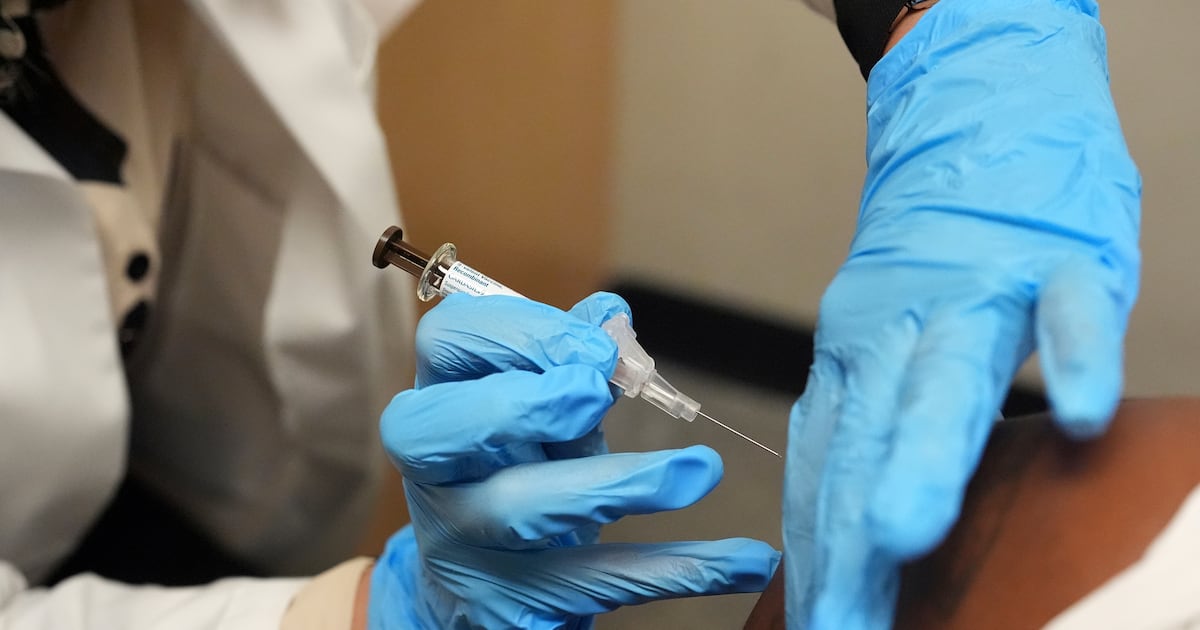
Infections linked to 12% of global cancer cases, study finds
Photograph: CTV News (embedded from source)
What this story says
- Infections were estimated to cause 2.3 million new cancer cases worldwide in 2024, accounting for about 12% of all new cases.
- The International Agency for Research on Cancer (IARC), a WHO arm, conducted the study published in The Lancet Oncology.
- Helicobacter pylori and human papillomavirus (HPV) were the two largest contributors, each linked to roughly 750,000 to 760,000 cases.
- The burden of infection-related cancers is disproportionately higher in low- and middle-income countries.
Who covered it
Percentages are shares of the 50 outlets carrying a published leaning rating. 56 of the 106 outlets we know ran this story carry no rating and are not counted in them. Coverage measured .
Trust
86/100
Craft
95/100
Hype
50/100
106 sources · methodology
Infections were responsible for an estimated 2.3 million new cancer cases globally in 2024, representing approximately 12% of all new cancer diagnoses, according to a study published in The Lancet Oncology. The research, conducted by the International Agency for Research on Cancer (IARC), a branch of the World Health Organization (WHO), identified 12 specific infectious agents linked to cancer.
The two most significant contributors were the bacterium Helicobacter pylori and the human papillomavirus (HPV), each accounting for around 750,000 to 760,000 cases. Other identified infectious agents include Epstein-Barr virus (EBV), hepatitis B virus (HBV), and hepatitis C virus (HCV). The study noted that infection-related cancers occur more frequently in low- and middle-income countries, with higher rates observed in Eastern Asia and sub-Saharan Africa compared to North America.
Disagreement on specific pathogens
While the IARC study identified 12 infectious agents, some reports focused on a smaller number. For instance, fakti.bg, citing AFP, mentioned that five pathogens are responsible for almost all infection-related cancers, with a stomach germ at the top. Similarly, El Universo and New York Post highlighted five common infections as being behind more than two million new cancer cases. Discover Magazine specifically named five infections, including Epstein-Barr virus, linked to the 2.3 million cases.
What the coverage left out
None of the left-rated digests mention the specific regional breakdown of infection-related cancer rates, such as the higher rates in Eastern Asia and sub-Saharan Africa compared to North America, which was detailed in CTV News and CBC News. None of the right-rated digests mention the specific regional disparities in infection-related cancer rates.
Still developing. We have re-checked which outlets are covering this 4 times, most recently on 1 Oct 2026, 18:15, and will add the sides that appear.
How each side covered it
Our own reading of the reporting listed below, written from the outlets’ articles rather than quoted from them. The reasoning is set out on our methodology page.
Left
18 rated outlets
- Left-rated reports highlighted the preventability of many infection-related cancers. CBC News and fakti.bg noted that these infections are often preventable through vaccines. t-online.de stated that a large part of these diseases would be avoidable. La Opinion reported that one in eight tumors is attributed to preventable infections, naming Helicobacter pylori, HPV, hepatitis B and C viruses, and Epstein-Barr as concentrating most cases. Gizmodo's headline stated that the biggest culprit is not HPV, and The Independent mentioned that more than 626,000 Americans are projected to die from cancer this year, a detail not present in other reports.
Centre
18 rated outlets
- Centre-rated reports focused on the scale of the problem and the role of public health measures. CTV News quoted Dr. Harriet Rumgay, a co-author, stating that infection control can play a major role in reducing the global cancer burden and that infection-related cancers fall disproportionately on populations in low- and middle-income countries. Karena Volesky, an epidemiologist, was quoted by CTV News and CBC News saying that infections are a major cause of cancer and that public health measures like vaccinations and screenings are effective cancer-prevention tools. Eesti Rahvusringhääling's headline suggested that preventive work on infectious diseases could prevent millions of cancer cases. Allafrica.com reported that around 12% of the world's total cancer cases in 2024 were likely caused by an infection.
Right
14 rated outlets
- Right-rated reports often used the word "surprising" to describe the link between infections and cancer. nytimespost.com, wfmd.com, and Fox News all used headlines stating a "surprising culprit tied to 1 in 8 cancer cases worldwide." Fox News mentioned HPV, H. pylori, hepatitis B, and hepatitis C among the top causes. El Universo and Iefimerida.gr highlighted that five common infections are behind more than two million new cancer cases and that these are preventable. New York Post also focused on the number of cases linked to five common infections.
Questions about this coverage
- How did the left and right cover Infections linked to 12% of global cancer cases, study finds?
- Of the 50 outlets on this story carrying a published leaning rating, 36% are rated left, 36% are rated centre, 28% are rated right. Those percentages are shares of the rated outlets, not of every outlet that ran it, which was 106. The sections above set out what each side emphasised, in its own terms.
- Is Infections linked to 12% of global cancer cases, study finds left or right?
- Neither side dominates it. Of the 50 rated outlets on this story, 36% are rated left, 36% are rated centre, 28% are rated right, and no side holds the 70% this site would want before calling a field one-sided. A story is not left or right in any case; the outlets that carried it are what carry ratings.
- Is the coverage of Infections linked to 12% of global cancer cases, study finds biased?
- Infections linked to 12% of global cancer cases, study finds is one event reported by 106 outlets, and this page does not rate the story as biased or unbiased. What it publishes is the spread: which outlets ran it, where named rating organisations place each of them on the spectrum, and what each side chose to lead with. A leaning rating describes an outlet's record over time, not this article, and the two should not be run together.
- Which outlets covered Infections linked to 12% of global cancer cases, study finds?
- 106 that we know of, every one of them listed further up this page with a link to its own report and to what we hold on the publisher. Nothing here is a summary of somebody else's summary: the outlets are named so the original reporting can be read.
- How many new cancer cases are linked to infections globally?
- An estimated 2.3 million new cancer cases worldwide in 2024 were linked to infections. This figure represents about 12% of all new cancer cases diagnosed globally in that year, according to a study by the International Agency for Research on Cancer.
- Which infections are most commonly linked to cancer?
- The two infections most commonly linked to cancer are Helicobacter pylori and human papillomavirus (HPV), each accounting for approximately 750,000 to 760,000 cases. Other significant contributors include Epstein-Barr virus (EBV), hepatitis B virus (HBV), and hepatitis C virus (HCV).
- Where are infection-related cancers most prevalent?
- The burden of infection-related cancers falls disproportionately on populations in low- and middle-income countries. Higher rates are observed in Eastern Asia and sub-Saharan Africa compared to North America, according to the study.
Read it at the source
106 outlets, grouped by the leaning a published rating gives them. Every headline links to the original; an underlined outlet name opens our profile of that publisher.
Left
18- 1 in 8 Cancer Cases Worldwide Are Caused by Common Infections, Study Finds (opens People in a new tab)
- Preventable Infections Cause an Estimated 2.3 Million Additional Cases of Cancer Annually (opens fakti.bg in a new tab)
- Most Avoidable: Every Eighth Cancer Is Caused by Infections (opens t-online in a new tab)
- A 2.3M-Case Analysis Found This Very Surprising Link To Cancer (opens mindbodygreen in a new tab)
mindbodygreen — is mindbodygreen biased? Our profile of this outlet
- 1 in 8 Cancers Are Caused by Infections. The Biggest Culprit Isn't HPV (opens Gizmodo in a new tab)
- One in Eight Cancer Cases Worldwide Is Due to Infection (opens Sueddeutsche Zeitung in a new tab)
Sueddeutsche Zeitung — is Sueddeutsche Zeitung biased? Our profile of this outlet
- One in Eight Tumors Is Attributed to Preventable Infections (opens La Opinion in a new tab)
La Opinion — is La Opinion biased? Our profile of this outletOpinion
- 1 in 8 cancer cases linked to common infections, new research finds (opens The Independent (US) in a new tab)
The Independent (US) — is The Independent (US) biased? Our profile of this outlet
Show 10 more
- 1 in 8 cancer cases linked to common infections, new research finds (opens The Independent in a new tab)
The Independent — is The Independent biased? Our profile of this outlet
- About One in Eight Cancers Worldwide Is Believed to Be Linked to Infection, According to a Study by a WHO Agency. (opens Liberation in a new tab)
Liberation — is Liberation biased? Our profile of this outlet
- Researchers are discovering more infections that can cause cancer (opens CBC News in a new tab)
- Nearly 1.9 lakh cancer cases in India linked to viral, bacterial infections, says Lancet study (opens Indian Express in a new tab)
Indian Express — is Indian Express biased? Our profile of this outlet
- About One in Eight Cancers Worldwide Is Linked to Often Preventable Infections, According to a WHO Agency (opens franceinfo.fr in a new tab)
franceinfo.fr — is franceinfo.fr biased? Our profile of this outlet
- One in eight new cancers are likely caused by infections—there’s an easy way to protect yourself (opens Scientific American in a new tab)
Scientific American — is Scientific American biased? Our profile of this outlet
- Around One in Eight Cancers in the World Is Linked to Infections, According to a WHO Agency (opens La Presse in a new tab)
- One in Eight New Cancers Is Caused by Infections, According to an IARC Study (opens Le Monde in a new tab)
- About One in Eight Cancers Worldwide Is Reported to Be Linked to Infections, According to a Study by the International Centre for Cancer Research (opens Le Temps in a new tab)
- One in Eight Tumors Worldwide Is Attributed to Preventable Infections (opens El Pais in a new tab)
Centre
18- Common infections linked to 1 in 8 cancer cases, global study suggests (opens CTV News in a new tab)
- WHO Report: Preventive Work on Infectious Diseases Could Prevent Millions of Cancer Cases (opens Eesti Rahvusringhääling in a new tab)
Eesti Rahvusringhääling — is Eesti Rahvusringhääling biased? Our profile of this outlet
- Rise in Infectious Disease-Caused Cancers Spurs Need for More Prevention (opens Inside Precision Medicine in a new tab)
Inside Precision Medicine — is Inside Precision Medicine biased? Our profile of this outletOpinion
- More than 2 million new cancer cases caused by infections in 2024, study finds (opens University of Minnesota Twin Cities… in a new tab)
- Africa: One in Eight Cancers Are Likely Caused By an Infection Worldwide (opens allAfrica in a new tab)
- Hello Doc: Vaccines to Protect Against Cancer (opens TF1 INFO in a new tab)
- 5 Infections, Including Epstein-Barr Virus, Were Linked to 2.3 Million New Cancer Cases in 2024 (opens Discover Magazine in a new tab)
Discover Magazine — is Discover Magazine biased? Our profile of this outlet
- One in eight cancers worldwide linked to infections, WHO agency says (opens France24 in a new tab)
Show 10 more
- Un cancer sur huit est dû à une infection (opens INTELLINEWS in a new tab)
INTELLINEWS — is INTELLINEWS biased? Our profile of this outlet
- One in eight cancers are likely caused by an infection worldwide, new study finds (opens Medical Xpress in a new tab)
Medical Xpress — is Medical Xpress biased? Our profile of this outlet
- One in Eight Tumors Is Avoidable: Five Infections Trigger More than Two Million Cases of Cancer Every Year (opens mannheim24.de in a new tab)
mannheim24.de — is mannheim24.de biased? Our profile of this outlet
- One in eight cancer cases linked to preventable infections (opens Euronews in a new tab)
- 1 in 8 cancers attributable to infections; burden ‘enormous’ but ‘largely preventable’ (opens Healio in a new tab)
- Health: About One in Eight Cancers Around the World Is Linked to Infections, According to a WHO Agency (opens Sud Ouest in a new tab)
- One in eight cancers are likely caused by an infection worldwide – new study (opens The Conversation in a new tab)
The Conversation — is The Conversation biased? Our profile of this outlet
- Just 5 Infections Responsible For More Than 2 Million New Cancer Cases Annually (opens Science Alert in a new tab)
Science Alert — is Science Alert biased? Our profile of this outlet
- 1 in 8 Cancer Cases Worldwide Linked to Infections, Study Finds (opens Newsweek in a new tab)
- One in eight cancers are linked to infections, new study finds (opens dailymail.com in a new tab)
dailymail.com — is dailymail.com biased? Our profile of this outlet
Right
14- Surprising culprit tied to 1 in 8 cancer cases worldwide, major study reveals - NEW YORK TIMES POST (opens nytimespost.com in a new tab)
nytimespost.com — is nytimespost.com biased? Our profile of this outlet
- Surprising culprit tied to 1 in 8 cancer cases worldwide, major study reveals (opens wfmd.com in a new tab)
- Surprising culprit tied to 1 in 8 cancer cases worldwide, major study reveals (opens Fox News in a new tab)
- Limit Immune System: 5 Common Infections Are Behind More than 2 Million New Cancer Cases (opens El Universo in a new tab)
El Universo — is El Universo biased? Our profile of this outlet
- Millions of cancer cases are linked to 5 common infections: study (opens New York Post in a new tab)
New York Post — is New York Post biased? Our profile of this outlet
- Five infectious agents linked to millions of new cancer cases (opens Unknown in a new tab)
Unknown
- One in Eight New Cancer Cases Linked to Preventable Infections - What a New Study Reveals - iefimerida.gr (opens Iefimerida in a new tab)
Iefimerida — is Iefimerida biased? Our profile of this outlet
- 5 Viruses and Bacteria Cause Millions of Cancers – You Can Protect Yourself From Them (opens focus.de in a new tab)
Show 6 more
- Cancer: These Five Viruses and Bacteria Trigger the Growth of Tumors. To Protect Yourself (opens Welt in a new tab)
- These 5 Infections Are Increasing the Risk of Cancer! They Are Linked to 2.3 Million New Cases in 2024. Learn How Serious the Threat Is. (opens Unknown in a new tab)
Unknown
- Scientists Have Identified Infection as the Cause of 12% of Cancer Worldwide (opens vz.ru in a new tab)
- Mainly Five Pathogens: Every Eighth Cancer Is Due to Infection (opens n-tv in a new tab)
- The Five Most Carcinogenic Pathogens Have Been Revealed (opens Origo in a new tab)
- 1 in 8 Cases of Cancer in the World Is Associated with 5 Infections, Shows Study; See Which (opens Globo in a new tab)
Not rated
56- One in Eight New Cases of Cancer Worldwide Is Associated with Infections. Which Are the Most Common (opens Stirile Pro TV in a new tab)
Stirile Pro TV — is Stirile Pro TV biased? Our profile of this outlet
- 1 in 8 Cancer Cases Worldwide Is Linked to Infection (opens iatronet.gr in a new tab)
iatronet.gr — is iatronet.gr biased? Our profile of this outlet
- Five Infections Are Responsible for More than Two Million New Cancer Cases Annually (opens n1info.rs in a new tab)
- 1 in 8 Cancer Cases May Be Caused by Infections (opens Knowridge Science Report in a new tab)
Knowridge Science Report — is Knowridge Science Report biased? Our profile of this outlet
- Millions of Cancer Cases Are Linked to Infections: Here Are the Top 5 Contributing Factors. (opens Karar Gazetesi in a new tab)
Karar Gazetesi — is Karar Gazetesi biased? Our profile of this outlet
- Beyond Tobacco and Alcohol, There's Also the Risk of Cancer! Beware of These Five Infections. (opens Unknown in a new tab)
Unknown
- The Hidden Cause of 2 plus Million Cancer Cases (opens Business News This Week in a new tab)
Business News This Week — is Business News This Week biased? Our profile of this outlet
- WHO Study: 12 Percent of Cancers in the World Start From Viruses and Bacteria (opens Republika Online in a new tab)
Republika Online — is Republika Online biased? Our profile of this outlet
Show 48 more
- 1 in 8 Cancer Cases Worldwide Is Linked to Preventable Infections #StarGrNews (opens star.gr in a new tab)
- One in Eight New Cancer Cases Linked to Preventable Infections (opens THE BEST in a new tab)
- Over Two Million Cancer Cases a Year Start with Five Completely Common Infections (opens pmo.ee in a new tab)
- The Hidden Cause of 2+ Million Cancer Cases (opens Newswise in a new tab)
- 12% of Cancers Worldwide Are Related to Infections (opens ALnavío in a new tab)
- Cancer Reasons: Do Not Ignore These 5 Infections as Normal, They Can Be the Cause of Cancer! (opens tv9gujarati.com in a new tab)
tv9gujarati.com — is tv9gujarati.com biased? Our profile of this outlet
- 1 in 8 Cancer Cases Is Linked to Infections - 30/09/2026 - Equilibrio E Saúde (opens Folha de S.Paulo in a new tab)
Folha de S.Paulo — is Folha de S.Paulo biased? Our profile of this outlet
- Every Second Person in the World Has It: Just 5 Infections Are Responsible for More than 2 Million New Cancer Cases per Year (opens StartItUp.sk in a new tab)
StartItUp.sk — is StartItUp.sk biased? Our profile of this outlet
- Five Infections Are Behind 2.3 Million Cases of Cancer in the World (opens Metrópoles in a new tab)
Metrópoles — is Metrópoles biased? Our profile of this outlet
- Five Infections Linked to More than 2.3 Million New Cancer Cases Each Year - Techmaniacs (opens techmaniacs.gr in a new tab)
techmaniacs.gr — is techmaniacs.gr biased? Our profile of this outlet
- 1 in 8 Cancer Cases Worldwide Is Linked to Preventable Infections: What They Are and How to Reduce Their Risk (opens Noticias al Día y a la Hora in a new tab)
Noticias al Día y a la Hora — is Noticias al Día y a la Hora biased? Our profile of this outlet
- Nearly 1 in 8 Cancers Worldwide Caused by Infections (opens Medscape in a new tab)
- One in Eight Cases of Cancer Is Related to Infections, Most of Which Can Be Avoided, According to a WHO Agency. (opens rador.ro in a new tab)
- Cancer Reasons: Don't Underestimate Infections! They Can Cause Cancer: Study (opens TV9 Hindi in a new tab)
- WHO Publishes New Study on the Proportion of Cancer Cases Originating From Viruses and Bacteria. (opens vietnamplus.vn in a new tab)
vietnamplus.vn — is vietnamplus.vn biased? Our profile of this outlet
- Cancer: One in Eight Cases Is Caused by Frequent Infections, Says WHO (opens Iatropedia in a new tab)
Iatropedia — is Iatropedia biased? Our profile of this outlet
- One in Eight Cancer Cases Is Linked to Common Infections. (opens indyturk.com in a new tab)
indyturk.com — is indyturk.com biased? Our profile of this outlet
- One in Eight Cancer Cases Is Probably Caused by Infections by Viruses or Bacteria, Points Out New Study (opens Terra in a new tab)
- Infections and Cancer: 12% of New Cases Worldwide Are Caused by Five Pathogens (opens zougla.gr in a new tab)
- Health: One in Eight Cancer Cases Is Reported to Be Caused by Infections (opens economiematin.fr in a new tab)
economiematin.fr — is economiematin.fr biased? Our profile of this outlet
- Infections Globally Cause Every Eightth Cancer Case (opens scinexx.de in a new tab)
scinexx.de — is scinexx.de biased? Our profile of this outlet
- One in Eight Cancers in the World Is Linked to This Risk Factor. (opens Futura in a new tab)
- Study: One in Eight Cancer Cases Is Related to Infections. How Many of Them Can Be Prevented (opens Adevarul in a new tab)
- "Infections Linked to 1 in 8 New Cancer Cases Globally" (opens Daily US Times in a new tab)
Daily US Times — is Daily US Times biased? Our profile of this outlet
- One in Eight Cancers in the World Is Born From an Infection (opens Le Singulier in a new tab)
Le Singulier — is Le Singulier biased? Our profile of this outlet
- Scientists Have Identified Five Infections Associated with the Majority of Cancer Cases in the World. (opens Life.ru in a new tab)
- Approximately One in Eight New Cases of Cancer Worldwide Is Caused by Infections, According to WHO (opens replicaonline.ro in a new tab)
replicaonline.ro — is replicaonline.ro biased? Our profile of this outlet
- 12% of Cancers in the World Are Related to Infections: HPV and Helicobacter Pylori, Among the Main Risks According to a Study (opens Prensa Libre in a new tab)
Prensa Libre — is Prensa Libre biased? Our profile of this outlet
- 12% of Cancers Worldwide Are Related to Infections (opens El Comercio in a new tab)
El Comercio — is El Comercio biased? Our profile of this outlet
- Millions of Cancer Cases Could Have Been Prevented: These Infections Carry the Greatest Risk (opens nin.rs in a new tab)
- One in Eight Cancers Is Due to an Infection (opens Courrier international in a new tab)
Courrier international — is Courrier international biased? Our profile of this outlet
- A Noteworthy Study on Cancer: One in Eight Cases Is Linked to Infections. (opens anlatilaninotesi.com.tr in a new tab)
anlatilaninotesi.com.tr — is anlatilaninotesi.com.tr biased? Our profile of this outlet
- New Study: 1 in 8 Cancer Cases Linked to Preventable Infections (opens ieidiseis.gr in a new tab)
ieidiseis.gr — is ieidiseis.gr biased? Our profile of this outlet
- Viruses, Bacteria, Parasites: One in Eight Cancers in the World Would Be Linked to Mostly Preventable Infections (opens parismatch.com in a new tab)
parismatch.com — is parismatch.com biased? Our profile of this outlet
- HPV, Hepatitis, Helicobacter pylori... WHO Warns: These Preventable Infections Are Responsible for One in Eight Cancers Worldwide (opens midilibre.fr in a new tab)
midilibre.fr — is midilibre.fr biased? Our profile of this outlet
- Just Five Infections Are Responsible for More than Two Million New Cancer Cases Each Year (opens Dnevnik in a new tab)
- The Link Between Infections and Cancer Is Greater than Was Thought (opens diariomedico.com in a new tab)
diariomedico.com — is diariomedico.com biased? Our profile of this outlet
- Five Infections Are Linked to More than 2.3 Million Cancer Cases. One Is Extremely Widespread • Newsweek Romania (opens newsweek.ro in a new tab)
newsweek.ro — is newsweek.ro biased? Our profile of this outlet
- 12% of Cancers Are Related to Infections (opens EL NACIONAL in a new tab)
EL NACIONAL — is EL NACIONAL biased? Our profile of this outlet
- Infections Behind 2.3 Million New Cancer Cases, Says WHO, Prevention Key (opens Mathrubhumi in a new tab)
Mathrubhumi — is Mathrubhumi biased? Our profile of this outlet
- About 2.3 Million Cancer Cases Worldwide Linked to Infections, Many of Which Can Be Prevented Through Vaccination and Testing (opens Telegram.hr in a new tab)
Telegram.hr — is Telegram.hr biased? Our profile of this outlet
- Cancer: About One in Eight Cases Worldwide Is Linked to Infections, According to a Study (opens cnews.fr in a new tab)
- One in Eight New Cancer Cases Is Related to Infections: What the New WHO Study Shows (opens realitatea.md in a new tab)
realitatea.md — is realitatea.md biased? Our profile of this outlet
- The common infections linked to millions of cancer cases (opens yourlifechoices.com.au in a new tab)
yourlifechoices.com.au — is yourlifechoices.com.au biased? Our profile of this outlet
- One in Eight Cancers Is Linked to Infections (WHO Agency) (opens rfj.ch in a new tab)
- Cancer: One in Eight Cases Is Caused by Infection, According to WHO (opens RTS in a new tab)
- About One in Eight Cancers Around the World Is Linked to Infections, According to a WHO Agency (opens gabonactu.com in a new tab)
gabonactu.com — is gabonactu.com biased? Our profile of this outlet
- 1 in 8 Cancer Cases Worldwide Linked to Infections, Study Finds (opens BizToc in a new tab)
How did this read?
About the coverage, not about the story. We do not ask whether you agree with what happened — we have no honest use for that answer.
More in Health
All Health →
Elsewhere on the site
 Conflict & Security•2 min readExplosions in Addis Ababa; Opposition Claims Drone Strikes
 Conflict & Security•2 min readZimbabwe helicopter crash kills six, including businessman Wicknell Chivayo
 Politics•3 min readSouth Africa: Hundreds protest illegal immigration in Durban
 Politics•3 min readThree States Sue Over Abortion Shield Laws