Brazil court orders transport for Indigenous voters
Federal ruling mandates government action to ensure access to presidential runoff polls
AI-assisted coverage comparison, editor-supervised · How this was made
President Donald Trump speaks at a campaign rally at the T. Ed Garrison Arena, Wednesday, Oct. 21, 2026, in Pendleton, S.C. (AP Photo/Julia Demaree Nikhinson)
Photograph: KSAT 12 (embedded from source)
What this story says
- A federal court in Para state ordered Brazil's government to ensure Indigenous people nationwide can vote in the presidential runoff.
- The ruling grants a request for free transportation by river, land, or air, and funding for food, interpreters, and signage in Indigenous languages.
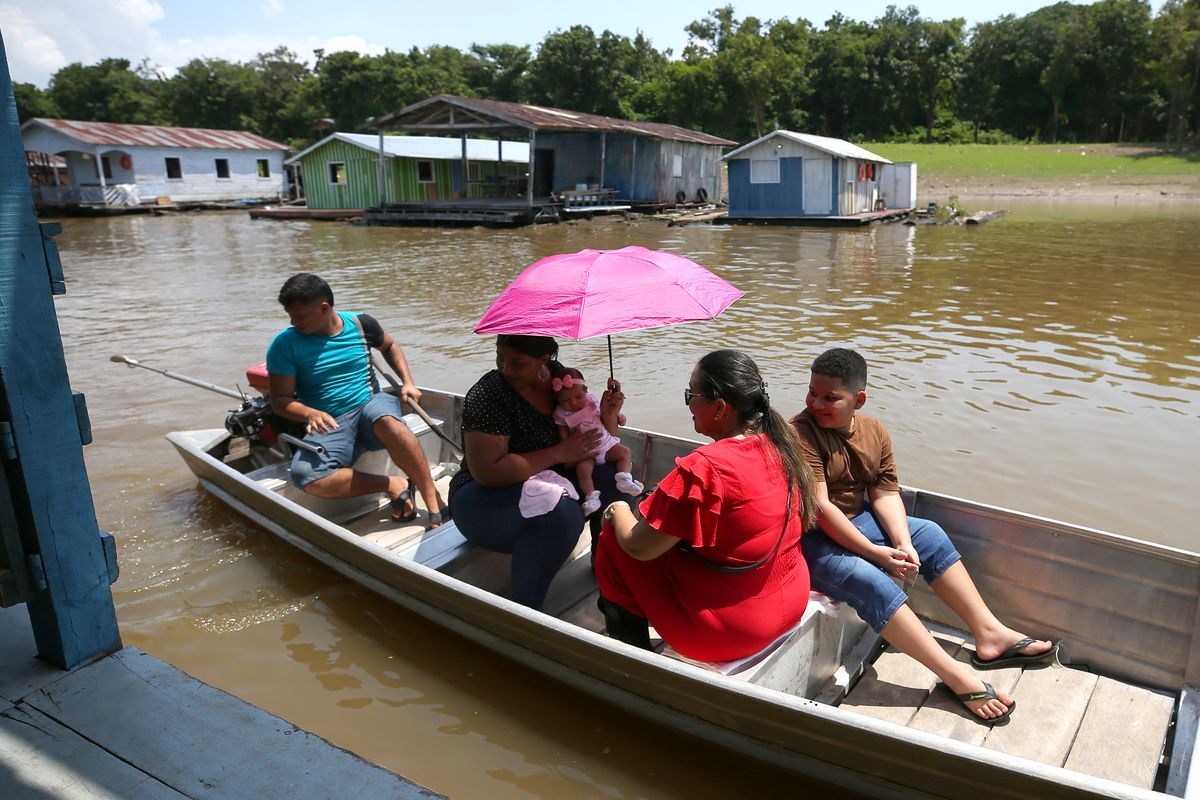
- Some Indigenous voters live up to 895 kilometers from polling places, requiring multi-day boat journeys.
- The court's decision aims to overcome practical barriers to exercising the right to vote.
Who covered it
Percentages are shares of the 6 outlets carrying a published leaning rating. Coverage measured .
Trust
72/100
Craft
87/100
Hype
12/100
6 sources · methodology
Thin on the right so far
None of the 6 outlets with a published leaning rating that ran this story are rated right.
This story is still being watched, so it is a count and not yet a finding. Coverage keeps arriving for hours after an event, and a side that has published nothing this morning may publish by tonight. If it is still true when we stop checking, we will say so plainly.
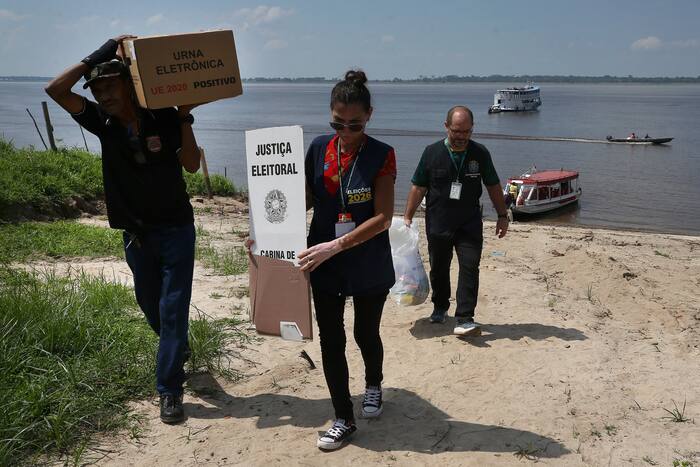
A federal court in Brazil’s Para state has ordered the federal government to guarantee that Indigenous people across the country can participate in the upcoming presidential runoff election. The ruling, issued on Thursday, responded to a request filed by federal prosecutors. It mandates the provision of free transportation via river, land, or air, along with funding for food, interpreters, and signage in Indigenous languages at polling stations. The court acknowledged that geographic distance and a lack of accessible transport can prevent the practical exercise of voting rights.
The lawsuit highlighted accounts from Indigenous communities detailing difficulties in reaching polling places. These included allegations of municipal governments withholding transportation for political reasons and ranchers preventing Indigenous workers from leaving farms. Some voters reside as far as 895 kilometers from their designated polling locations, necessitating boat trips that can last three to five days. The ruling aims to address these significant logistical hurdles.
Disagreement on specific support requested
The federal court ruling granted a request for free transportation, food, interpreters, and signage in Indigenous languages. However, the Associated Press, in its full report, specified that the prosecutors' request also included funding for "cultural facilitators." The digest reports from Beckley Register-Herald and Associated Press News do not detail the specific types of funding requested beyond transportation.
What the coverage left out
None of the left or centre-rated reports mentioned the specific cost estimates for the transportation and support measures ordered by the court. The full report from KSAT 12 noted that the Brazilian government's Indigenous affairs agency, Funai, stated it had consulted communities on transportation needs but that state electoral authorities were responsible for arranging it, a detail not present in the other digests.
Still developing. We have re-checked which outlets are covering this 3 times, most recently on 23 Oct 2026, 00:45, and will add the sides that appear.
How each side covered it
Our own reading of the reporting listed below, written from the outlets’ articles rather than quoted from them. The reasoning is set out on our methodology page.
Left
3 rated outlets
- The left-rated reports focused on the court order mandating government action to ensure Indigenous voters can cast ballots in the presidential runoff. Both the Beckley Register-Herald and Associated Press News digests highlighted the court's directive and the challenges of geographic distance and transportation access. The Associated Press digest also noted the involvement of federal prosecutors in requesting the support measures.
Centre
3 rated outlets
- The centre-rated reports from KSAT 12, NY1, and KPRC-TV all led with the federal court's order for the government to provide transportation for Indigenous voters in the upcoming runoff. The KSAT 12 report, which is a full Associated Press article, provided the most detail, including the ruling's rationale about practical barriers to voting, the specific requests made by prosecutors, and the context of the election between President Luiz Inácio Lula da Silva and his challenger. The NY1 digest mentioned that prosecutors and Indigenous organizations were pushing for these guarantees.
Right
0 rated outlets
No outlet rated right has run this story so far. We are still checking, and will say plainly if that does not change.
Questions about this coverage
- How did the left and right cover Brazil court orders transport for Indigenous voters?
- Of the 6 outlets on this story carrying a published leaning rating, 50% are rated left, 50% are rated centre, 0% are rated right. Those percentages are shares of the rated outlets, not of every outlet that ran it. The sections above set out what each side emphasised, in its own terms.
- Is Brazil court orders transport for Indigenous voters left or right?
- Too few of the outlets on this story carry a published leaning rating to say. 6 of them do, and this site does not characterise a field under 12: at that size one newsroom filing moves the share by ten points. The percentages above are the count as it stands.
- Is the coverage of Brazil court orders transport for Indigenous voters biased?
- Brazil court orders transport for Indigenous voters is one event reported by 6 outlets, and this page does not rate the story as biased or unbiased. What it publishes is the spread: which outlets ran it, where named rating organisations place each of them on the spectrum, and what each side chose to lead with. A leaning rating describes an outlet's record over time, not this article, and the two should not be run together.
- Which side is not reporting Brazil court orders transport for Indigenous voters?
- When we first saw this story, outlets rated right had barely covered it. Coverage accretes for hours after an event, so that is where to look rather than a verdict — the split above is the current count, and it is the one to read.
- Which outlets covered Brazil court orders transport for Indigenous voters?
- 6 that we know of, every one of them listed further up this page with a link to its own report and to what we hold on the publisher. Nothing here is a summary of somebody else's summary: the outlets are named so the original reporting can be read.
- What did the Brazilian court order the government to do?
- A federal court in Para state ordered Brazil's federal government to ensure Indigenous people nationwide can vote in the presidential runoff. This includes providing free transportation by river, land, or air, and funding for food, interpreters, and signage in Indigenous languages.
- Why is transportation a problem for Indigenous voters?
- Some Indigenous voters live up to 895 kilometers from their polling places, requiring boat trips of three to five days. The court ruling acknowledged that geographic distance and a lack of accessible transportation can make it practically impossible to exercise the right to vote.
- Who requested the court order for transportation?
- The ruling granted a request filed by federal prosecutors. Indigenous organizations, such as the Articulation of Indigenous Peoples of Brazil (Apib), also announced efforts to ensure electoral officials act quickly to help Indigenous people reach voting centers.
Read it at the source
6 outlets, grouped by the leaning a published rating gives them. Every headline links to the original; an underlined outlet name opens our profile of that publisher.
Left
3- Brazil's Indigenous voters deep in Amazon struggle to cast ... (opens The Washington Post in a new tab)
The Washington Post — is The Washington Post biased? Our profile of this outlet
- Brazil court orders government to provide transportation for Indigenous voters in Sunday’s runoff (opens Beckley Register-Herald in a new tab)
Beckley Register-Herald — is Beckley Register-Herald biased? Our profile of this outlet
- Brazil court orders government to provide transportation for Indigenous voters in Sunday’s runoff (opens Associated Press News in a new tab)
Associated Press News — is Associated Press News biased? Our profile of this outlet
Centre
3- Brazil court orders government to provide transportation for Indigenous voters in Sunday’s runoff (opens KPRC-TV in a new tab)
- Brazil's Indigenous voters deep in Amazon struggle to cast ballots (opens NY1 in a new tab)
- Brazil court orders government to provide transportation for Indigenous voters in Sunday’s runoff (opens KSAT 12 in a new tab)
Right
0No outlet in this group ran the story.
Not rated
0No outlet in this group ran the story.
How did this read?
About the coverage, not about the story. We do not ask whether you agree with what happened — we have no honest use for that answer.