Canadian Muslim charities halt aid to Syria and Yemen over terrorism financing rules
Study by University of Toronto professor finds banks cutting off services to charities, forcing withdrawal from conflict zones
AI-assisted coverage comparison, editor-supervised · How this was made

Canadian Muslim charities halt aid to Syria and Yemen over terrorism financing rules
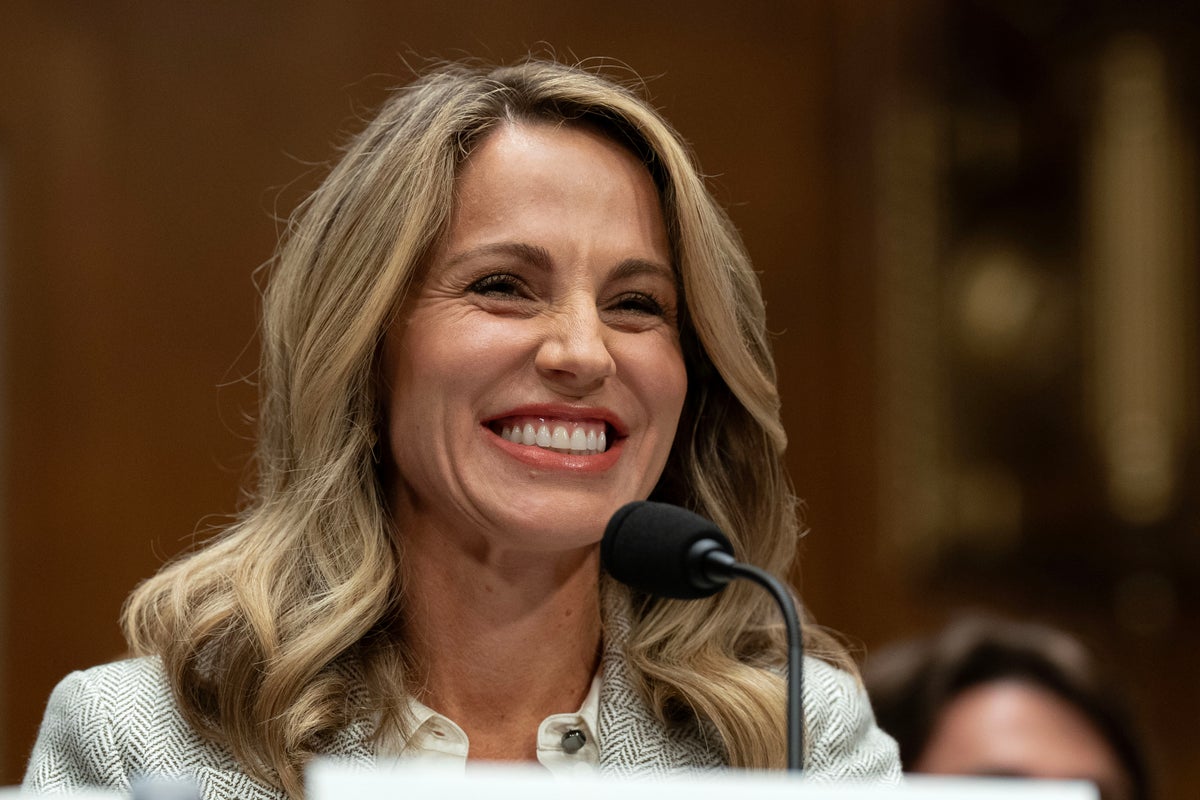
Photograph: Battlefords NOW (embedded from source)
What this story says
- A University of Toronto study found Canadian Muslim charities are withdrawing aid from Syria and Yemen due to fears of losing banking services under anti-terrorism financing rules.
- Two unnamed charities reported abrupt service cuts by banks or donation platforms, forcing them to halt operations in three countries.
- Canada amended its Criminal Code in 2023 to allow humanitarian aid in high-risk areas, but charities say the rules remain unclear and lead to self-imposed restrictions.
- No right-rated outlet covered the study, though 15 outlets across left and centre ratings reported on it.
Who covered it
Percentages are shares of the 31 outlets carrying a published leaning rating. 3 of the 34 outlets we know ran this story carry no rating and are not counted in them. Coverage measured .
Trust
66/100
Craft
77/100
Hype
15/100
34 sources · methodology
Missing from the right
None of the 31 outlets with a published leaning rating that ran this story are rated right.
A reader who follows the right would not have seen this. We report the absence rather than explain it: outlets choose what to cover for many reasons, and we have no evidence about which one applies here.
Canadian Muslim charities have stopped delivering humanitarian aid to Syria and Yemen because banks and payment platforms are cutting off their services, a study by University of Toronto professor Anver Emon found. The charities fear that operating in regions deemed high-risk for terrorism financing will trigger financial penalties or criminal liability, even when their work is legal under Canadian law.
The study, conducted under the auspices of Canada’s Office of the Special Representative on Combating Islamophobia, describes two phenomena: financial derisking, where banks terminate services to clients, and humanitarian derisking, where charities withdraw from conflict zones to avoid legal risks. Emon’s research included accounts from two unnamed charities that lost access to donation platforms without notice or explanation, forcing them to suspend operations in three countries.
Canada amended its Criminal Code in 2023 to permit humanitarian aid in areas controlled by listed terrorist groups, provided charities take reasonable steps to minimise benefit to those groups. The study notes that the scope of this exemption remains unclear, leaving charities uncertain about when they need additional authorisation from Public Safety Canada. The ambiguity has led to self-imposed restrictions on aid delivery in regions with urgent humanitarian needs.
What the coverage left out
No right-rated outlet ran the story. None of the digests, including those from left and centre ratings, mentioned the specific countries where the two unnamed charities halted operations after losing access to donation platforms. The full report in Battlefords NOW did not name the donation processing platform or the banks involved, nor did it specify the three countries where the charities stopped work.
Coverage settled. We checked this 118 times and stopped on 21 Aug 2026, 20:00. The figures above are what it finished at.
How each side covered it
Our own reading of the reporting listed below, written from the outlets’ articles rather than quoted from them. The reasoning is set out on our methodology page.
Left
23 rated outlets
- All ten left-rated digests led on the study’s finding that anti-terrorism financing measures are causing Muslim charities to withdraw aid from Syria and Yemen. They included the study’s warning about financial derisking and the broader impact on humanitarian work in conflict zones. The digests also noted the 2023 Criminal Code amendment but did not quote charities or banks directly, as none of the left-rated outlets published full reports.
Centre
8 rated outlets
- The five centre-rated digests carried the same core facts: the study’s warning about charities withdrawing aid, the role of financial derisking, and the 2023 Criminal Code amendment. One digest, from Medicine Hat News, named the study’s author, Anver Emon, and identified the University of Toronto as his institution. Battlefords NOW, the only outlet to publish a full report, quoted Emon’s description of the power imbalance between banks and charities, including the practice of banks terminating accounts with limited notice and no explanation.
Right
0 rated outlets
No outlet rated right ran this story. We watched the coverage until it stopped changing, and none appeared.
Questions about this coverage
- How did the left and right cover Canadian Muslim charities halt aid to Syria and Yemen over terrorism…?
- Of the 31 outlets on this story carrying a published leaning rating, 74% are rated left, 26% are rated centre, 0% are rated right. Those percentages are shares of the rated outlets, not of every outlet that ran it, which was 34. The sections above set out what each side emphasised, in its own terms.
- Is Canadian Muslim charities halt aid to Syria and Yemen over terrorism… left or right?
- The story itself is neither. What can be counted is who has covered it, and 74% of the 31 rated outlets on it are rated left — so far this is a story carried mostly by the left. Coverage of this one has settled, so that is unlikely to move much now.
- Is the coverage of Canadian Muslim charities halt aid to Syria and Yemen over terrorism… biased?
- Canadian Muslim charities halt aid to Syria and Yemen over terrorism financing rules is one event reported by 34 outlets, and this page does not rate the story as biased or unbiased. What it publishes is the spread: which outlets ran it, where named rating organisations place each of them on the spectrum, and what each side chose to lead with. A leaning rating describes an outlet's record over time, not this article, and the two should not be run together.
- Which side is not reporting Canadian Muslim charities halt aid to Syria and Yemen over terrorism…?
- When we first saw this story, outlets rated right had barely covered it. Coverage accretes for hours after an event, so that is where to look rather than a verdict — the split above is the current count, and it is the one to read.
- Which outlets covered Canadian Muslim charities halt aid to Syria and Yemen over terrorism…?
- 34 that we know of, every one of them listed further up this page with a link to its own report and to what we hold on the publisher. Nothing here is a summary of somebody else's summary: the outlets are named so the original reporting can be read.
- What is financial derisking?
- Financial derisking is when banks or financial institutions cut off services to clients, such as charities, to avoid risks related to terrorism financing. The study found this practice is forcing Canadian Muslim charities to withdraw from conflict zones like Syria and Yemen, even when their work is legal.
- Why did Canada amend its Criminal Code in 2023?
- Canada amended its Criminal Code in 2023 to allow humanitarian aid in areas controlled by listed terrorist groups, provided charities take reasonable steps to minimise benefit to those groups. The change was meant to clarify when aid could be delivered without criminal liability, but charities say the rules remain unclear.
- Which outlets reported on the study?
- Fifteen outlets reported on the study, all rated left or centre. No right-rated outlet covered it. The reports included digests from ten left-rated outlets and five centre-rated outlets, with one full report published by Battlefords NOW, a centre-rated outlet.
Read it at the source
34 outlets, grouped by the leaning a published rating gives them. Every headline links to the original; an underlined outlet name opens our profile of that publisher.
Left
23- Anti-terrorism measures hindering Muslim charities' humanitarian efforts: study (opens Thorold Today in a new tab)
Thorold Today — is Thorold Today biased? Our profile of this outlet
- Anti-terrorism measures hindering Muslim charities' humanitarian efforts: study (opens Newmarket Today in a new tab)
Newmarket Today — is Newmarket Today biased? Our profile of this outlet
- Anti-terrorism measures hindering Muslim charities' humanitarian efforts: study (opens Timmins Today in a new tab)
Timmins Today — is Timmins Today biased? Our profile of this outlet
- Anti-terrorism measures hindering Muslim charities' humanitarian efforts: study (opens Elora Fergus Today in a new tab)
Elora Fergus Today — is Elora Fergus Today biased? Our profile of this outlet
- Anti-terrorism measures hindering Muslim charities' humanitarian efforts: study (opens CambridgeToday.ca in a new tab)
CambridgeToday.ca — is CambridgeToday.ca biased? Our profile of this outlet
- Anti-terrorism measures hindering Muslim charities' humanitarian efforts: study (opens Bradford Today in a new tab)
Bradford Today — is Bradford Today biased? Our profile of this outlet
- Anti-terrorism measures hindering Muslim charities' humanitarian efforts: study (opens InnisfilToday.ca in a new tab)
InnisfilToday.ca — is InnisfilToday.ca biased? Our profile of this outlet
- Anti-terrorism measures hindering Muslim charities' humanitarian efforts: study (opens Collingwood Today in a new tab)
Collingwood Today — is Collingwood Today biased? Our profile of this outlet
Show 15 more
- Anti-terrorism measures hindering Muslim charities' humanitarian efforts: study (opens Barrie Today in a new tab)
Barrie Today — is Barrie Today biased? Our profile of this outlet
- Anti-terrorism measures hindering Muslim charities' humanitarian efforts: study (opens StratfordToday.ca in a new tab)
StratfordToday.ca — is StratfordToday.ca biased? Our profile of this outlet
- Anti-terrorism measures hindering Muslim charities' humanitarian efforts: study (opens flamboroughtoday.com in a new tab)
flamboroughtoday.com — is flamboroughtoday.com biased? Our profile of this outlet
- Anti-terrorism measures hindering Muslim charities' humanitarian efforts: study (opens haltonhillstoday.ca in a new tab)
haltonhillstoday.ca — is haltonhillstoday.ca biased? Our profile of this outlet
- Anti-terrorism measures hindering Muslim charities' humanitarian efforts: study (opens burlingtontoday.com in a new tab)
burlingtontoday.com — is burlingtontoday.com biased? Our profile of this outlet
- Anti-terrorism measures hindering Muslim charities' humanitarian efforts: study (opens Oakville News in a new tab)
Oakville News — is Oakville News biased? Our profile of this outlet
- Anti-terrorism measures hindering Muslim charities' humanitarian efforts: study (opens thealbertan.com in a new tab)
thealbertan.com — is thealbertan.com biased? Our profile of this outlet
- Anti-terrorism measures hindering Muslim charities' humanitarian efforts: study (opens The NOTL Local in a new tab)
The NOTL Local — is The NOTL Local biased? Our profile of this outlet
- Anti-terrorism measures hindering Muslim charities' humanitarian efforts: study (opens ElliotLakeToday.com in a new tab)
ElliotLakeToday.com — is ElliotLakeToday.com biased? Our profile of this outlet
- Anti-terrorism measures hindering Muslim charities' humanitarian efforts: study (opens Bay Today in a new tab)
- Anti-terrorism measures hindering Muslim charities' humanitarian efforts: study (opens Sudbury in a new tab)
- Anti-terrorism measures hindering Muslim charities' humanitarian efforts: study (opens Orillia Matters in a new tab)
Orillia Matters — is Orillia Matters biased? Our profile of this outlet
- Anti-terrorism measures hindering Muslim charities' humanitarian efforts: study (opens SooToday.com in a new tab)
SooToday.com — is SooToday.com biased? Our profile of this outlet
- Anti-terrorism measures hindering Muslim charities' humanitarian efforts: study (opens Rocky Mountain Outlook in a new tab)
Rocky Mountain Outlook — is Rocky Mountain Outlook biased? Our profile of this outlet
- Anti-terrorism measures hindering Muslim charities’ humanitarian efforts: study (opens The Toronto Star in a new tab)
The Toronto Star — is The Toronto Star biased? Our profile of this outlet
Centre
8- Anti-terrorism measures hindering Muslim charities' humanitarian efforts: study (opens CTV News in a new tab)
- Anti-terrorism measures hindering Muslim charities’ humanitarian efforts: study (opens meadowlakeNOW in a new tab)
meadowlakeNOW — is meadowlakeNOW biased? Our profile of this outlet
- Anti-terrorism measures hindering Muslim charities’ humanitarian efforts: study (opens Ckpg Today in a new tab)
Ckpg Today — is Ckpg Today biased? Our profile of this outlet
- Anti-terrorism measures hindering Muslim charities’ humanitarian efforts: study (opens Battlefords NOW in a new tab)
Battlefords NOW — is Battlefords NOW biased? Our profile of this outlet
- Anti-terrorism measures hindering Muslim charities' humanitarian efforts: study (opens Narcity in a new tab)
- Anti-terrorism measures hindering Muslim charities' humanitarian efforts: study (opens City News in a new tab)
- Anti-terrorism measures hindering Muslim charities' humanitarian efforts: study (opens Medicine Hat News in a new tab)
Medicine Hat News — is Medicine Hat News biased? Our profile of this outlet
- Anti-terrorism measures hindering Muslim charities' humanitarian efforts: study (opens Winnipeg Free Press in a new tab)
Winnipeg Free Press — is Winnipeg Free Press biased? Our profile of this outlet
Right
0No outlet in this group ran the story.
Not rated
3- Anti-terrorism measures hindering Muslim charities' humanitarian efforts: study (opens Western Investor in a new tab)
Western Investor — is Western Investor biased? Our profile of this outlet
- Anti-terrorism measures hindering Muslim charities’ humanitarian efforts: study (opens Loonie Politics in a new tab)
Loonie Politics — is Loonie Politics biased? Our profile of this outlet
- Anti-terrorism measures hindering Muslim charities' humanitarian efforts: study (opens Airdrie City View in a new tab)
Airdrie City View — is Airdrie City View biased? Our profile of this outlet
How did this read?
About the coverage, not about the story. We do not ask whether you agree with what happened — we have no honest use for that answer.