France and Germany agree on EU car emissions rules
Deal aims to balance climate goals with industrial support and domestic production.
AI-assisted coverage comparison, editor-supervised · How this was made
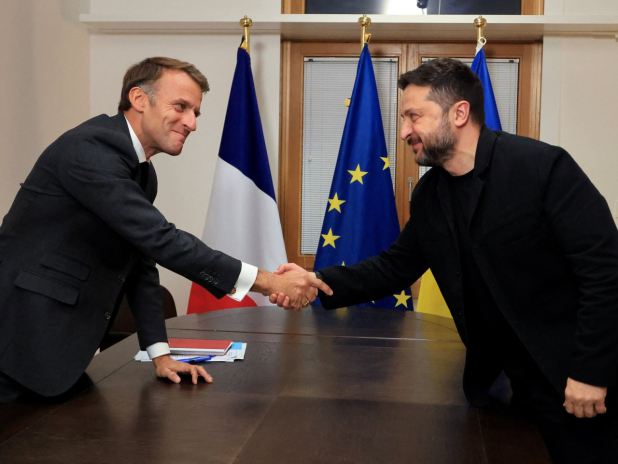
France and Germany agree on EU car emissions rules
Photograph: Il Fatto Quotidiano (embedded from source)
What this story says
- France and Germany have agreed on new rules for the European automotive industry, aiming to balance climate targets with industrial support.
- The agreement proposes a 90% reduction in CO2 emissions for new cars by 2035, a relaxation from the previously proposed 100% cut.
- The deal includes 'Made in Europe' provisions intended to strengthen domestic production and investment, with potential special status for Britain.
- Environmental groups have criticised the agreement, warning it could slow investment in electric vehicles and favour competitors.
Who covered it
Percentages are shares of the 81 outlets carrying a published leaning rating. 163 of the 244 outlets we know ran this story carry no rating and are not counted in them. Coverage measured .
Trust
42/100
Craft
61/100
Hype
41/100
244 sources · methodology
France and Germany have reached an agreement on the future of the European automotive industry. The deal aims to reconcile flexibility for combustion engines with strengthening European production. It proposes a 90% reduction in CO2 emissions for new cars by 2035, a change from the European Commission's initial proposal of a 100% reduction or a 90% reduction with compensation.
The agreement also includes provisions for 'Made in Europe' rules, with France and Germany seeking to boost domestic production and investment. Defining 'European production' for components like batteries is noted as complex. The deal also opens the door for Britain to be treated as a trusted partner under the bloc's 'Made in EU' rules.
Disagreement on emissions targets
Reports differ on the precise emissions reduction target for 2035. Il Fatto Quotidiano states the Franco-German agreement goes beyond the Commission's proposal, aiming for a 90% reduction without an obligation to compensate for the remaining 10%. Reuters and Euronews report a 90% reduction requirement without needing to offset the remaining 10%. OKDIARIO and brusselssignal.eu also mention a 90% reduction target with more flexibility for alternative fuels. However, caleaeuropeana.ro and Le Devoir suggest the agreement relaxes the plan for 2035, with Le Devoir noting it leads to a smaller CO2 reduction.
What the coverage left out
None of the left-rated digests mention the specific battery content requirements for the 'Made in Europe' rules, which were detailed in the full report by Il Fatto Quotidiano. None of the right-rated digests mention the criticism from environmental organisation Transport & Environment regarding insufficient battery content requirements and potential impact on electric vehicle share.
Still developing. We have re-checked which outlets are covering this 109 times, most recently on 17 Oct 2026, 20:15, and will add the sides that appear.
How each side covered it
Our own reading of the reporting listed below, written from the outlets’ articles rather than quoted from them. The reasoning is set out on our methodology page.
Left
21 rated outlets
- Left-rated reports focused on the agreement's potential to weaken climate goals and favour competitors. Il Fatto Quotidiano highlighted that the deal risks slowing investment in future technologies and could reduce the share of electric vehicles by 2030. It also noted criticism from Transport & Environment regarding insufficient battery content requirements. SANA reported French President Emmanuel Macron announced the agreement, stressing the goal of making the sector successful while preserving climate ambitions. Telegrafi stated the agreement involves a reform of European automotive policy, with a request to ease the phase-out of internal combustion engines. Aljazeera.net framed the agreement as a measure to support the 'troubled' European automobile industry under competition from China. Franceinfo.fr reported Paris accepted additional flexibilities for thermal vehicles, a measure Berlin sought to preserve its automotive industry. Le Temps stated Paris and Berlin are sacrificing part of their climate ambitions to protect the automotive industry. Novinky.cz reported the aim is to reduce CO2 emissions by 2035 and boost electric car production in Europe.
Centre
33 rated outlets
- Centre-rated reports highlighted the deal's dual focus on emissions and industrial production, alongside potential criticisms. Reuters reported the agreement softens proposed EU car emissions rules and opens the door for Britain's special status under 'Made in EU' rules. Portfolio noted the pact is being cheered in European industry and involves easing 2035 carbon dioxide emissions targets. TF1 INFO stated the agreement resulted in a smaller reduction in CO2 emissions by 2035 but a stronger 'Made in Europe' focus, confirming a renunciation of an all-electric future. Le Devoir reported the agreement leads to a smaller reduction in CO2 emissions, a point noted by environmental organisations. Ara.cat described the agreement as a setback for the EU's climate goals, allowing for the maintenance of combustion vehicles beyond 2035. Euronews reported carmakers would be required to cut CO2 emissions by 90% by 2035 without offsetting the remaining 10%. IntelliNews noted that Germany and France want to allow combustion engine cars beyond 2035 to support the auto industry, with critics warning this could backfire.
Right
27 rated outlets
- Right-rated reports focused on the agreement's easing of combustion engine bans and its implications for European production. OKDIARIO reported Germany and France are joining forces to pressure Brussels to maintain combustion cars beyond 2035 without forcing compensation for remaining emissions. Yonhap News Agency reported Germany and France eased EU's 2035 automobile emissions reduction targets and public procurement, including British cars in 'Made in Europe' to counter Chinese cars. RP Online stated Berlin defends the car deal with France, which aims to relax the EU-wide combustion engine ban from 2035. GB News reported France and Germany announced plans to lower emissions targets with a new joint approach to protect the struggling European car industry. Brusselssignal.eu reported Germany and France are moving to ease the EU's 2035 combustion-engine ban, suggesting a 90% reduction target and more flexibility for alternative fuels. Berlingske.dk reported the Franco-German agreement is expected to help shape the EU's future policy in the area. BT reported France and Germany agree to support Europe's auto industry.
Questions about this coverage
- How did the left and right cover France and Germany agree on EU car emissions rules?
- Of the 81 outlets on this story carrying a published leaning rating, 26% are rated left, 41% are rated centre, 33% are rated right. Those percentages are shares of the rated outlets, not of every outlet that ran it, which was 244. The sections above set out what each side emphasised, in its own terms.
- Is France and Germany agree on EU car emissions rules left or right?
- Neither side dominates it. Of the 81 rated outlets on this story, 26% are rated left, 41% are rated centre, 33% are rated right, and no side holds the 70% this site would want before calling a field one-sided. A story is not left or right in any case; the outlets that carried it are what carry ratings.
- Is the coverage of France and Germany agree on EU car emissions rules biased?
- France and Germany agree on EU car emissions rules is one event reported by 244 outlets, and this page does not rate the story as biased or unbiased. What it publishes is the spread: which outlets ran it, where named rating organisations place each of them on the spectrum, and what each side chose to lead with. A leaning rating describes an outlet's record over time, not this article, and the two should not be run together.
- Which outlets covered France and Germany agree on EU car emissions rules?
- 244 that we know of, every one of them listed further up this page with a link to its own report and to what we hold on the publisher. Nothing here is a summary of somebody else's summary: the outlets are named so the original reporting can be read.
- What is the new CO2 emissions target for cars in the EU?
- France and Germany have agreed to propose a 90% reduction in CO2 emissions for new cars by 2035. This is a relaxation from the European Commission's initial proposal of a 100% reduction or a 90% reduction with compensation.
- What does the 'Made in Europe' provision entail?
- The agreement includes 'Made in Europe' rules aimed at boosting domestic production and investment within the EU. France and Germany are seeking to strengthen their industrial base, though defining 'European production' for components like batteries is complex. Britain may be treated as a trusted partner.
- What are the criticisms of the new agreement?
- Environmental groups like Transport & Environment have criticised the deal. They estimate it could lead to a drop in electric vehicle share by 2030 and argue that the proposed battery content requirements are insufficient to protect European investment.
- Will combustion engines still be sold after 2035?
- The agreement proposes more flexibility for combustion engines, deviating from a strict 100% reduction in emissions. While the exact details are subject to further negotiation, the deal suggests a move away from an outright ban on new combustion engine car sales by 2035.
Read it at the source
244 outlets, grouped by the leaning a published rating gives them. Every headline links to the original; an underlined outlet name opens our profile of that publisher.
Left
21- Franco-German Car Deal A ‘Historic Mistake’ That Weakens Climate Ambition And Europe’s Car Industry - CleanTechnica (opens Clean Technica in a new tab)
Clean Technica — is Clean Technica biased? Our profile of this outletOpinion
- France-Germany Agreement on European Car: Less Electric Targets (opens Il Fatto Quotidiano in a new tab)
Il Fatto Quotidiano — is Il Fatto Quotidiano biased? Our profile of this outlet
- McCrone Announces an Agreement with Germany to Support the European Auto Sector. (opens SANA in a new tab)
- Germany and France Agree to Reform European Car Policy (opens Telegrafi in a new tab)
- Agreement Between France and Germany to Save the Troubled Automobile Industry (opens aljazeera.net in a new tab)
aljazeera.net — is aljazeera.net biased? Our profile of this outlet
- Automotive Industry: Berlin and Paris Agree on Burn-Out (opens Zeit Online in a new tab)
Zeit Online — is Zeit Online biased? Our profile of this outlet
- France and Germany Confirm Agreement on the Future of the Automobile Industry "Made in Europe" (opens franceinfo.fr in a new tab)
franceinfo.fr — is franceinfo.fr biased? Our profile of this outlet
- France, Germany unveil deal to safeguard European car industry (opens Courthouse News Service in a new tab)
Courthouse News Service — is Courthouse News Service biased? Our profile of this outlet
Show 13 more
- Paris and Berlin Sacrifice Part of Their Climate Ambitions to Protect the Automotive Industry (opens Le Temps in a new tab)
- France and Germany Agree on Proposal to Help the Automotive Sector (opens Novinky.cz in a new tab)
Novinky.cz — is Novinky.cz biased? Our profile of this outlet
- France and Germany Reach a Common Agreement to Defend Their Automobile Sector (opens La Vanguardia in a new tab)
La Vanguardia — is La Vanguardia biased? Our profile of this outlet
- Agreement Between France and Germany on the Defence of the Future of the European Car Industry (opens News.ro in a new tab)
- Germany and France Ease Internal Combustion Engine Regulations… UK-Made Vehicles Also Eligible for ‘European’ Support (opens 한겨레 in a new tab)
한겨레
- Germany and France strike deal to further relax EU auto emissions rules (opens The Local - De in a new tab)
The Local - De — is The Local - De biased? Our profile of this outlet
- France and Germany Reached a Major Agreement on the Future of the Auto Industry (opens IndexHR in a new tab)
- Late discord delays Franco-German deal on Made in Europe, car emissions (opens Politico Europe in a new tab)
Politico Europe — is Politico Europe biased? Our profile of this outlet
- France and Germany Agree on the Future of a "Made in Europe" Automobile Industry (opens Le Monde in a new tab)
- Friedrich Merz and Emmanuel Macron Agree on Softening of Burners (opens Spiegel in a new tab)
- Merz Gets Through: Burner-Off From 2035 Is Softened (opens t-online in a new tab)
- Germany and France Seek to Give More Room to the Combustion Engine in 2035 (opens ecoticias.com in a new tab)
ecoticias.com — is ecoticias.com biased? Our profile of this outlet
- Car Industry: How Merz and Macron Want to Save the Burner (opens Sueddeutsche Zeitung in a new tab)
Sueddeutsche Zeitung — is Sueddeutsche Zeitung biased? Our profile of this outletOpinion
Centre
33- Berlin and Paris Agree - "Verbrander-Aus Damit Geschichte" (opens osthessen-news.de in a new tab)
osthessen-news.de — is osthessen-news.de biased? Our profile of this outlet
- German car lobby sees EU auto deal as step but wants changes (opens Devdiscourse in a new tab)
Devdiscourse — is Devdiscourse biased? Our profile of this outlet
- France, Germany strike deal on car emissions and UK special status (opens Reuters in a new tab)
- Berlin and Paris Agree - "Verbrander-Aus Mit Geschichte" (opens wz.de in a new tab)
- The German-French Special Pact Is Being Cheered in European Industry (opens Portfolio in a new tab)
- What Is the Change in the Franco-German Agreement on the Future of the Automotive Industry? (opens TF1 INFO in a new tab)
- Paris and Berlin Conclude an Agreement on the Car that Slows Down the... (opens Le Devoir in a new tab)
- Germany, France push to scrap climate neutrality goal for cars (opens The Detroit News in a new tab)
The Detroit News — is The Detroit News biased? Our profile of this outlet
Show 25 more
- France and Germany Agree to Keep Combustion Cars in Europe Beyond 2035 (opens Ara.cat in a new tab)
- France and Germany deal links 2035 car rules to ‘Made in Europe’ push (opens Euronews in a new tab)
- Verbrenner-Aus: Grüne Dröge Sieht Deutsch-Französischen Autodeal Als »Bremsklotz« (opens INTELLINEWS in a new tab)
INTELLINEWS — is INTELLINEWS biased? Our profile of this outlet
- Germany and France Agree on the Easing of Burn-Out (opens Tagesschau in a new tab)
Tagesschau — is Tagesschau biased? Our profile of this outlet
- Paris and Berlin Formalize an Agreement that Slows Down the Switch to All-Electric (opens La Libre in a new tab)
- Automotive Industry: Berlin and Paris Agree on Burn-Out (opens volksfreund.de in a new tab)
volksfreund.de — is volksfreund.de biased? Our profile of this outlet
- Automotive Industry: Berlin and Paris Agree on Burn-Out (opens saarbruecker-zeitung.de in a new tab)
saarbruecker-zeitung.de — is saarbruecker-zeitung.de biased? Our profile of this outlet
- France, Germany deal to safeguard European car industry (opens RTÉ in a new tab)
- Understanding France-Germany on Automotive and 'Made in Europe' (opens ANSA in a new tab)
- Germany and France Agree on Measures to Strengthen European Car Industry (opens Lietuvos Radijas ir Televizija in a new tab)
- Germany, France agree deal to support Europe's struggling car industry (opens Deutsche Welle in a new tab)
Deutsche Welle — is Deutsche Welle biased? Our profile of this outlet
- France and Germany Reach an Agreement to Defend the European Engine by Appealing for Regulatory Flexibility (opens 20minutos in a new tab)
- Francuska I Njemačka Postigle Dogovor O Budućnosti Automobilske Industrije (opens Novi list in a new tab)
- France, Germany reach deal on future of car industry (opens Radio France Internationale in a new tab)
Radio France Internationale — is Radio France Internationale biased? Our profile of this outlet
- France, Germany near deal on car emissions, Britain ‘Made in EU’ status (opens WTVB in a new tab)
- France, Germany reach deal on future of car industry (opens France24 in a new tab)
- Industry. "Made in Europe", CO2 Emissions: France and Germany Reach Agreement on Automobiles (opens leprogres.fr in a new tab)
leprogres.fr — is leprogres.fr biased? Our profile of this outlet
- Industry. "Made in Europe", CO2 Emissions: France and Germany Reach Agreement on Automobiles (opens ledauphine.com in a new tab)
ledauphine.com — is ledauphine.com biased? Our profile of this outlet
- France and Germany Reach Agreement on the Future of the Automotive Industry (opens Sud Ouest in a new tab)
- Burner-Aus: Berlin and Paris Agree on Further Softening (opens Westfalenpost in a new tab)
Westfalenpost — is Westfalenpost biased? Our profile of this outlet
- Political Dispute Over Burner Off: It Gets Looser – And Trickier (opens mannheim24.de in a new tab)
mannheim24.de — is mannheim24.de biased? Our profile of this outletOpinion
- Political Dispute Over Burner Off: It Gets Looser – And Trickier (opens hna.de in a new tab)
hna.de — is hna.de biased? Our profile of this outletOpinion
- Political Dispute Over Burner Off: It Gets Looser – And Trickier (opens merkur.de in a new tab)
merkur.de — is merkur.de biased? Our profile of this outletOpinion
- Political Dispute Over Burner Off: It Gets Looser – And Trickier (opens tz.de in a new tab)
- More Time, Less Pressure: Merz and Macron Plan Course Correction on the Burner Ban – with a Hook (opens Kreiszeitung in a new tab)
Kreiszeitung — is Kreiszeitung biased? Our profile of this outlet
Right
27- EU carmakers hail deal on emissions that opens door to the UK (opens Business Times in a new tab)
Business Times — is Business Times biased? Our profile of this outlet
- Emmanuel Macron Announces Agreement with Germany on End of Thermal Engines (opens Capital.fr in a new tab)
Capital.fr — is Capital.fr biased? Our profile of this outlet
- Germany and France have agreed to ease the ban on the sale of new cars with internal combustion engines in the EU from 2035, German Chancellor Friedrich Merz said (opens news-pravda.com in a new tab)
news-pravda.com — is news-pravda.com biased? Our profile of this outlet
- Germany and France Join Forces to Pressure Brussels: They Want to Maintain Combustion Cars Beyond 2035 (opens OKDIARIO in a new tab)
- Germany and France Include British Cars in 'Made in Europe' to Counter Chinese Cars (opens 연합뉴스-Yonhap News Agency in a new tab)
연합뉴스-Yonhap News Agency — is 연합뉴스-Yonhap News Agency biased? Our profile of this outlet
- Relaxation for Burners: Berlin Defends the Car Deal with France (opens RP Online in a new tab)
- France and Germany issue major announcement on 'future of European automotive' (opens GB News in a new tab)
- Germany and France move to ease EU 2035 combustion-engine ban (opens brusselssignal.eu in a new tab)
brusselssignal.eu — is brusselssignal.eu biased? Our profile of this outlet
Show 19 more
- France and Germany Agree to Support Europe's Auto Industry (opens berlingske.dk in a new tab)
berlingske.dk — is berlingske.dk biased? Our profile of this outlet
- France and Germany Agree to Support Europe's Auto Industry (opens BT in a new tab)
- Burner Off: Germany and France Agree on Relaxation (opens Die Presse in a new tab)
Die Presse — is Die Presse biased? Our profile of this outlet
- Reverse of Burner-Aus: Paris and Berlin Weaken Ban (opens Kurier in a new tab)
- France and Germany Agree on Relaxation of European Car Rules (opens BNR Nieuwsradio in a new tab)
BNR Nieuwsradio — is BNR Nieuwsradio biased? Our profile of this outlet
- Media: France and Germany Strike Deal on Automotive Industry (opens Reformatorisch Dagblad in a new tab)
Reformatorisch Dagblad — is Reformatorisch Dagblad biased? Our profile of this outlet
- Germany, France Agree on Reform of European Automotive Policy (opens Anadolu Ajansı in a new tab)
Anadolu Ajansı — is Anadolu Ajansı biased? Our profile of this outlet
- Agreement on the Future of the European Automotive Industry (opens politika.rs in a new tab)
politika.rs — is politika.rs biased? Our profile of this outlet
- Automobile: France and Germany Reach Agreement to Preserve the Future of European Industry (opens Le Figaro in a new tab)
- Diplomatic Circles: Germany and France Agree on Softening of Burners and "Made in EU-Deal" (opens Welt in a new tab)
- Berlin and Paris Agree on Further Softening of Burners (opens Berliner Morgenpost in a new tab)
Berliner Morgenpost — is Berliner Morgenpost biased? Our profile of this outlet
- France and Germany Are Close to the Internal Combustion Engine Deal. (opens vz.ru in a new tab)
- "Civil War" in Europe over Gasoline and Diesel Engines - Which Country Changed Sides - iefimerida.gr (opens Iefimerida in a new tab)
Iefimerida — is Iefimerida biased? Our profile of this outlet
- Burner Ban Could Be Eliminated for Climate Sprite Cars (opens FOCUS online in a new tab)
FOCUS online — is FOCUS online biased? Our profile of this outlet
- Germany and France Agree to Revoke an Extension to Combustion Engines in the EU (opens ABC in a new tab)
- Merz and Macron: Burner Off to Be Clearly Relaxed (opens Bild in a new tab)
- Regulation to Be Softened: Reports: Merz and Macron Close Burner Ban Deal (opens n-tv in a new tab)
- EU: Germany and France Want to Ease the Burning Process Further (opens Handelsblatt in a new tab)
Handelsblatt — is Handelsblatt biased? Our profile of this outlet
- Burner Ban: Merz and Macron Plan Surprising Deal (opens Frankfurter Allgemeine in a new tab)
Frankfurter Allgemeine — is Frankfurter Allgemeine biased? Our profile of this outlet
Not rated
163- A New Chance for the European Car Industry. Paris and Berlin Want to Save Thermal Engines and Promote Production in the EU (opens money.ro in a new tab)
- Germania Si Franta Anuleaza Interdictia Asupra Productiei De Motoare Termice Din 2035. China a Omorat Green Deal in Europe! (opens AUTOLATEST in a new tab)
AUTOLATEST — is AUTOLATEST biased? Our profile of this outletOpinion
- Big Turnaround in Europe: France and Germany Agree on Lighter Rules for Cars, Plan for 2035 Changes (opens dalmacijadanas.hr in a new tab)
dalmacijadanas.hr — is dalmacijadanas.hr biased? Our profile of this outlet
- France, Germany agree deal on car emissions and UK special status – Net News 1 (opens netnews1.com in a new tab)
netnews1.com — is netnews1.com biased? Our profile of this outlet
- France, Germany agree deal on car emissions and UK special status (opens online-listing.com in a new tab)
online-listing.com — is online-listing.com biased? Our profile of this outlet
- The Same Call Came From Toyota and Ömer Bolat. (opens Haber Sitesi ODATV in a new tab)
Haber Sitesi ODATV — is Haber Sitesi ODATV biased? Our profile of this outlet
- Macron and Merz Agree to Relax the End of the EU Combustion Engine in Exchange for Demanding 'Made in Europe' (opens Moncloa in a new tab)
- France and Germany Agree to Relax EU Emission Standards for Vehicles. (opens Business AM in a new tab)
Business AM — is Business AM biased? Our profile of this outlet
Show 155 more
- France and Germany Propose Relaxation of the Emission Target for New Cars in 2035 in Exchange for Rules Favourable to European Production (opens Financial Intelligence in a new tab)
Financial Intelligence — is Financial Intelligence biased? Our profile of this outlet
- Auto, France-Germany Agreement. The EU's' Green 'Objectives Relaxed (opens Quotidiano Nazionale in a new tab)
Quotidiano Nazionale — is Quotidiano Nazionale biased? Our profile of this outlet
- Germany and France Lift EU Ban on Internal Combustion Engines in Cars (opens Uued Uudised in a new tab)
Uued Uudised — is Uued Uudised biased? Our profile of this outlet
- France and Germany Near Historic Car Emissions Agreement with UK’s Distinct Role (opens MondialNews in a new tab)
MondialNews — is MondialNews biased? Our profile of this outlet
- The EU Will Save Gasoline and Hybrid Cars, but China Will Face Another Hardship (opens Liner.hu in a new tab)
Liner.hu — is Liner.hu biased? Our profile of this outletOpinion
- A Groundbreaking Alliance Between France and Germany! Saving Internal Combustion Engines (opens Warszawa W Pigułce in a new tab)
Warszawa W Pigułce — is Warszawa W Pigułce biased? Our profile of this outletOpinion
- France and Germany Agree to Relax the CO2 2035 Standard: 90% Cut and Shielding of 'Made in Europe' (opens Merca2.es in a new tab)
- France and Germany Plan Rescue of European Car Industry (opens δημοκρατία in a new tab)
δημοκρατία
- Asse Paris-Berlin, There Is Agreement on the Automotive that Excludes Rome (opens lanotiziagiornale.it in a new tab)
lanotiziagiornale.it — is lanotiziagiornale.it biased? Our profile of this outlet
- France And Germany Agree On New Exhaust Emissions Rules, Sort Of….. (opens ecotopical.com in a new tab)
ecotopical.com — is ecotopical.com biased? Our profile of this outlet
- Car, Paris and Berlin Archive the Dogma of 2035: the Ban on Thermal Engines to Save the Factories, but Italy Remains on the Stake (opens Scenarieconomici.it in a new tab)
Scenarieconomici.it — is Scenarieconomici.it biased? Our profile of this outletOpinion
- Automotive. European Preference, CO2 emissions... A Franco-German Plan to Save Industry in Europe (opens dna.fr in a new tab)
- Merz: Europe Is Making Progress on some Very Basic Issues (opens Pentapostagma in a new tab)
Pentapostagma — is Pentapostagma biased? Our profile of this outletOpinion
- Concessions for the Future of Thermal Engines (opens lequotidien.lu in a new tab)
lequotidien.lu — is lequotidien.lu biased? Our profile of this outletOpinion
- Cars, From Paris and Berlin Other Pickaxe to the 2035 Targets. T&E: Historian Error. (opens Vaielettrico in a new tab)
Vaielettrico
- There Is No End to Gasoline and Diesel Cars in the EU: Germany and France Have Reached an Agreement (opens Actualno.com in a new tab)
Actualno.com — is Actualno.com biased? Our profile of this outlet
- End of All Electric in 2035: What Really Hides the Franco-German Agreement on the Car (opens Numerama in a new tab)
Numerama — is Numerama biased? Our profile of this outletOpinion
- From the Burner Out – Really? (opens Tichys Einblick in a new tab)
Tichys Einblick — is Tichys Einblick biased? Our profile of this outletOpinion
- "The End of the Thermal Engine Is History": Franco-German Agreement Favouring the European Car Industry and Relaxing the EU Plan for 2035 (opens caleaeuropeana.ro in a new tab)
caleaeuropeana.ro — is caleaeuropeana.ro biased? Our profile of this outlet
- France and Germany Sign an Agreement on the Development of Environmentally Friendly Car Production (opens 1news.com.ua in a new tab)
1news.com.ua — is 1news.com.ua biased? Our profile of this outlet
- How Will the Agreement Between France and Germany Ease the Rules for 2035? (opens Auto Journal in a new tab)
Auto Journal — is Auto Journal biased? Our profile of this outlet
- Germany and France Agree to Continue Investing in Cars with Combustion Engines (opens Document in a new tab)
- Merz: Agreement France-Germany on Auto Emissions 90% (opens notizie.it in a new tab)
notizie.it — is notizie.it biased? Our profile of this outlet
- The Auto Giants Got Their Way – Germany and France Are Slowing Down the Emissions Ban (opens Tärkeimmät talousuutiset | Kauppalehti… in a new tab)
- The Germans and the French Have Agreed on CO2 Standards and the English (opens totalcar.hu in a new tab)
totalcar.hu — is totalcar.hu biased? Our profile of this outlet
- France and Germany Have Signed an Agreement on Environmentally Friendly Car Production (opens Unknown in a new tab)
Unknown
- Franco-German Agreement to Support the European Car Industry (opens CursDeGuvernare.ro in a new tab)
CursDeGuvernare.ro — is CursDeGuvernare.ro biased? Our profile of this outlet
- Paris and Berlin Agree on a Car Industry "Made in Europe" (opens journaldunet.com in a new tab)
journaldunet.com — is journaldunet.com biased? Our profile of this outlet
- Auto, France-Germany Agreement: EU 2035 Target at 90% without Compensation (opens teleborsa.it in a new tab)
teleborsa.it — is teleborsa.it biased? Our profile of this outlet
- France and Germany Have Concluded an Agreement in the Car Industry Linking the Applicable Engine Rules of 2035 of the Campaign "Manufactured in Europe" (opens Aktual24 in a new tab)
- Commitment Between France and Germany to Save the European Car Industry. The Production of Petrol and Diesel Cars Can Continue After 2035 (opens Gândul in a new tab)
- Car-Producing Nations France and Germany Agree on More Lenient Emission Rules (opens De Tijd in a new tab)
- The Agreement Between France and Germany on Cars in Europe (opens Motor1.com in a new tab)
Motor1.com — is Motor1.com biased? Our profile of this outlet
- Franco-German Offensive to Lower the Limits on the Sale of Combustion Cars (opens Expansión in a new tab)
- Alice Weidel: Softening of the Burner Ban Does Not Go Far Enough (opens Mittelstand Cafe in a new tab)
Mittelstand Cafe — is Mittelstand Cafe biased? Our profile of this outletOpinion
- France and Germany Forge Plan to Save the Automotive Industry, at the Expense of the Climate. (opens rtl.nl in a new tab)
rtl.nl — is rtl.nl biased? Our profile of this outletOpinion
- VCD Criticises: German-French CO2 Deal Slows Down E-Mobility and Torpedoes Fossil Exit (opens vcd.org in a new tab)
vcd.orgOpinion
- Paris and Berlin Reach Agreement on the Future of Cars in Europe (opens L'AGEFI in a new tab)
- France and Germany Want "Greater Flexibility" for Combustion Engines (opens berria.eus in a new tab)
berria.eus — is berria.eus biased? Our profile of this outlet
- France and Germany Official Agreement that Flexible Transition to Electric Cars (opens Jovem Pan News in a new tab)
Jovem Pan News — is Jovem Pan News biased? Our profile of this outlet
- Automobile: Paris and Berlin Slow Down All-Electricity (opens RTS in a new tab)
- How Can the Automotive Industry Be Protected? France and Germany Reach an Agreement (opens Dnevnik in a new tab)
- Germany and France Have a Joint Plan to Support the European Auto Industry (opens banker.bg in a new tab)
- Paris and Berlin Re-Design the Future of the European Car (opens Le Singulier in a new tab)
Le Singulier — is Le Singulier biased? Our profile of this outlet
- Germany, France Strike Deal to Support Europe’s Car Industry (opens Sada El balad in a new tab)
Sada El balad — is Sada El balad biased? Our profile of this outlet
- France and Germany Reached an Agreement on the Future of the European Automotive Industry - What Does It Predict? (opens Reporter.gr in a new tab)
Reporter.gr — is Reporter.gr biased? Our profile of this outlet
- Germany and France Want Conventional Engines After 2035 (opens bankingnews.gr in a new tab)
bankingnews.gr — is bankingnews.gr biased? Our profile of this outlet
- Deviation From the Strict Burner-Off: Berlin and Paris Agree (opens zdfheute.de in a new tab)
zdfheute.de — is zdfheute.de biased? Our profile of this outlet
- France and Germany Agree on More Concessions for the Automotive Industry (opens dnevnik.bg in a new tab)
dnevnik.bg — is dnevnik.bg biased? Our profile of this outlet
- Germany, France Agree to Relax Environmental Targets for Cars (opens Newsit.gr in a new tab)
- France and Germany Agree on a Joint Plan for the Future of the European Automotive Industry (opens ertnews.gr in a new tab)
ertnews.gr — is ertnews.gr biased? Our profile of this outlet
- Germany-France: Joint Plan for the Future of the Automotive Industry in the EU (opens sigmalive.com in a new tab)
sigmalive.com — is sigmalive.com biased? Our profile of this outlet
- Automobile: Paris and Berlin Formalize an Agreement that Slows Down the Switch to All-Electric (opens LaProvence.com in a new tab)
LaProvence.com — is LaProvence.com biased? Our profile of this outlet
- France and Germany Make and Undo EU Car Rules: the Other Scene Changes (opens SicurAUTO.it in a new tab)
SicurAUTO.it — is SicurAUTO.it biased? Our profile of this outlet
- A Major Turnaround Could Happen in the EU: Gasoline and Hybrid Cars Would Have a Chance to Survive After 2035 (opens Heti Világgazdaság in a new tab)
Heti Világgazdaság — is Heti Világgazdaság biased? Our profile of this outletOpinion
- Cars, France and Germany Are in Agreement on 2035 and Made in Europe (opens Il Quotidiano del Sud in a new tab)
Il Quotidiano del Sud — is Il Quotidiano del Sud biased? Our profile of this outlet
- Cars, France and Germany Are in Agreement on 2035 and Made in Europe (opens Askanews in a new tab)
- WKÖ-Prettner: German-French Agreement on the Automotive Package Is an Important Signal for the Automotive Industry (opens TOP News Österreich in a new tab)
TOP News Österreich — is TOP News Österreich biased? Our profile of this outletOpinion
- France and Germany Agree to Support Europe's Auto Industry (opens avisendanmark.dk in a new tab)
avisendanmark.dk — is avisendanmark.dk biased? Our profile of this outlet
- 2035: France Finally Gives Way to Protect the European Automotive Industry (opens lesvoitures.fr in a new tab)
lesvoitures.fr — is lesvoitures.fr biased? Our profile of this outlet
- Departing From the Burner: Berlin Confirms Franco-German Unification (opens epochtimes.de in a new tab)
epochtimes.de — is epochtimes.de biased? Our profile of this outlet
- German-French Agreement on the Automotive Industry Completed (opens Dagens industri in a new tab)
Dagens industri — is Dagens industri biased? Our profile of this outlet
- France and Germany Support Relaxation of EU Rules on Car Emissions (opens PSnews in a new tab)
- France and Germany Agree on a Joint Plan for the Future of the European Car Industry (opens insider.gr in a new tab)
insider.gr — is insider.gr biased? Our profile of this outlet
- Carsten Schneider on German-French Positioning for CO2 Regulation of Passenger Cars and New "Made in Europe" Rules (opens bundesumweltministerium.de in a new tab)
bundesumweltministerium.de — is bundesumweltministerium.de biased? Our profile of this outlet
- France and Germany strike car deal, but Toyota isn't buying it (opens newmobility.news in a new tab)
newmobility.news — is newmobility.news biased? Our profile of this outlet
- Burner Off: Berlin and Paris Agree on Easing (opens stol.it in a new tab)
- Germany and France Have a Plan to Help the Automotive Industry | ČeskéNoviny.cz (opens ceskenoviny.cz in a new tab)
ceskenoviny.cz — is ceskenoviny.cz biased? Our profile of this outlet
- Auto, France-Germany Agreement for the Sector: EU Green Targets Loosened (opens Eunews in a new tab)
- France and Germany Agree on a Joint Plan for the Future of the European Car Industry (opens Capital.gr in a new tab)
Capital.gr — is Capital.gr biased? Our profile of this outlet
- Berlin and Paris Agree on Burner-Out-Locking (opens Badische Neueste Nachrichten in a new tab)
Badische Neueste Nachrichten — is Badische Neueste Nachrichten biased? Our profile of this outlet
- France and Germany Agreed on a Common Plan for the Future of the European Car Industry . . Press Agency Rador (opens rador.ro in a new tab)
- Germany and France Agree on Car Package (opens onetz.de in a new tab)
- Berlin and Paris Agree - "Verbrander-Aus Mit Geschichte" (opens noz.de in a new tab)
- Germany and France Agree on Car Package (opens inFranken.de in a new tab)
inFranken.de — is inFranken.de biased? Our profile of this outlet
- France and Germany Close to Agreement on Selling Gasoline and Diesel Cars Even After 2035 (opens akta.ba in a new tab)
- France and Germany Agree on the Future of the Automotive Industry (opens linfodurable.fr in a new tab)
linfodurable.fr — is linfodurable.fr biased? Our profile of this outlet
- Franco-German Initiative to Strengthen the Car Industry (opens Heise in a new tab)
- France and Germany in Agreement on Car Emissions and "Made in EU" (opens Business Daily in a new tab)
Business Daily — is Business Daily biased? Our profile of this outlet
- New Agreement Between France and Germany. Carbon Emission Rules Relaxed (opens Mediafax in a new tab)
- Gjermania Dhe Franca, Gati Për Regulla Të Reja Në Industrinë Automobilistice - Lajmet E Fundit (opens Zëri in a new tab)
- Germany and France Are Close to an Agreement to Support the EU Car Industry (opens economica.net in a new tab)
economica.net — is economica.net biased? Our profile of this outlet
- Auto-Politics EU: Berlin and Paris Want 2035-Lockerung (opens Automobile News and Trends in a new tab)
Automobile News and Trends
- Paris-Berlin Agreement that Could Change the Auto Industry: Gasoline and Diesel Vehicles Could Survive in 2035. (opens Klix in a new tab)
- CO2 versus "Made in Europe": France and Germany Close to a Compromise on European Automobiles (opens L'Opinion in a new tab)
L'Opinion — is L'Opinion biased? Our profile of this outletOpinion
- Francuska I Njemačka Postigle Dogovor O Budućnosti Automobilske Industrije, Ublažavaju Se Pravila O Emisiji šTetnih Plinova (opens Radiotelevizija Herceg-Bosne in a new tab)
Radiotelevizija Herceg-Bosne — is Radiotelevizija Herceg-Bosne biased? Our profile of this outlet
- Historic Agreement Between Berlin and Paris, Intending to Fundamentally Change the Future of the Auto Industry (opens Telegram.hr in a new tab)
Telegram.hr — is Telegram.hr biased? Our profile of this outlet
- Germany wants carmakers to guarantee jobs in exchange for regulatory relief (opens quatrostrategies.ca in a new tab)
quatrostrategies.ca — is quatrostrategies.ca biased? Our profile of this outlet
- France and Germany Close to Cutting 90% of Car Emissions in 2035: the German Social Democrats Are Holding Back (opens notiziegeopolitiche.net in a new tab)
notiziegeopolitiche.net — is notiziegeopolitiche.net biased? Our profile of this outlet
- France and Germany Are Opening the Door to Britain: Türkiye Is Excluded From the Offer - Dünya Newspaper (opens dunya.com in a new tab)
- France, Germany Near Deal on Car Emissions, Britain 'Made in EU' Status (opens Insurance Journal in a new tab)
Insurance Journal — is Insurance Journal biased? Our profile of this outlet
- Germany and France Agree on the Easing of Combustion From 2035 Onwards (opens der Standard DE in a new tab)
der Standard DE — is der Standard DE biased? Our profile of this outlet
- France and Germany Reach Agreement on the Future of the European Automotive Industry. (opens vietnamplus.vn in a new tab)
vietnamplus.vn — is vietnamplus.vn biased? Our profile of this outlet
- Merz and Macron back new rules for Europe’s car industry (opens azeritimes.com in a new tab)
azeritimes.com — is azeritimes.com biased? Our profile of this outlet
- France and Germany Agree to Increase Protection for European Cars over Those Made in China (opens 3cat.cat in a new tab)
- Media: France and Germany Strike Deal on Automotive Industry (opens welingelichtekringen.nl in a new tab)
welingelichtekringen.nl — is welingelichtekringen.nl biased? Our profile of this outlet
- France and Germany Strike Deal on Automotive Industry (opens Nieuws.nl in a new tab)
- Germany and France Reach an Agreement: The 2035 Ban on Internal Combustion Engines Is Being Relaxed. (opens ekonomim.com in a new tab)
ekonomim.com — is ekonomim.com biased? Our profile of this outlet
- France, Germany reach deal on future of car industry (opens coastaltvnews.com in a new tab)
coastaltvnews.com — is coastaltvnews.com biased? Our profile of this outlet
- Burner Off: Germany and France Agree on Easing – EU Still Has to Agree (opens rnd.de in a new tab)
- Burner Off: Germany and France Agree on Easing – EU Still Has to Agree (opens Leipziger Volkszeitung in a new tab)
Leipziger Volkszeitung — is Leipziger Volkszeitung biased? Our profile of this outlet
- Germany and France Open to More Lenient EU Requirements on Car Emissions (opens borskollen.se in a new tab)
borskollen.se — is borskollen.se biased? Our profile of this outlet
- France and Germany Reach Agreement on the Future of the Automotive Industry (opens La Croix in a new tab)
- Automotive Crisis: France and Germany Agree on the Industrial Accelerator Act (opens La Tribune in a new tab)
La Tribune — is La Tribune biased? Our profile of this outlet
- Industry. "Made in Europe", CO2 Emissions: Paris and Berlin Reach an Agreement on the Automobile (opens vosgesmatin.fr in a new tab)
vosgesmatin.fr — is vosgesmatin.fr biased? Our profile of this outlet
- Industry. "Made in Europe", CO2 Emissions: Paris and Berlin Reach an Agreement on the Automobile (opens republicain-lorrain.fr in a new tab)
republicain-lorrain.fr — is republicain-lorrain.fr biased? Our profile of this outlet
- Industry. "Made in Europe", CO2 Emissions: Paris and Berlin Reach an Agreement on the Automobile (opens lejsl.com in a new tab)
- Industry. "Made in Europe", CO2 Emissions: Paris and Berlin Reach an Agreement on the Automobile (opens lalsace.fr in a new tab)
lalsace.fr — is lalsace.fr biased? Our profile of this outlet
- Industry. "Made in Europe", CO2 Emissions: Paris and Berlin Reach an Agreement on the Automobile (opens estrepublicain.fr in a new tab)
estrepublicain.fr — is estrepublicain.fr biased? Our profile of this outlet
- Industry. "Made in Europe", CO2 Emissions: France and Germany Reach Agreement on Automobiles (opens bienpublic.com in a new tab)
bienpublic.com — is bienpublic.com biased? Our profile of this outlet
- Weakened Environmental Agenda: France and Germany Agree on a Deal for the Future of the Automotive Industry (opens rtl.lu in a new tab)
rtl.lu — is rtl.lu biased? Our profile of this outletOpinion
- Burner-Aus: Berlin and Paris Agree on Further Softening (opens wr.de in a new tab)
- Burner-Aus: Berlin and Paris Agree on Further Softening (opens tlz.de in a new tab)
- Burner-Aus: Berlin and Paris Agree on Further Softening (opens ikz-online.de in a new tab)
ikz-online.de — is ikz-online.de biased? Our profile of this outlet
- Burner-Aus: Berlin and Paris Agree on Further Softening (opens braunschweiger-zeitung.de in a new tab)
braunschweiger-zeitung.de — is braunschweiger-zeitung.de biased? Our profile of this outlet
- Burner-Aus: Berlin and Paris Agree on Further Softening (opens Westdeutsche Allgemeine Zeitung in a new tab)
- Burner-Aus: Berlin and Paris Agree on Further Softening (opens Thüringer Allgemeine in a new tab)
Thüringer Allgemeine — is Thüringer Allgemeine biased? Our profile of this outlet
- Burner-Aus: Berlin and Paris Agree on Further Softening (opens Ostthüringer Zeitung in a new tab)
Ostthüringer Zeitung — is Ostthüringer Zeitung biased? Our profile of this outlet
- Merz, Macron strike major EU auto industry deal (opens BizToc in a new tab)
- France and Germany Agree on the Future of the Automotive Industry (opens Naftemporiki in a new tab)
Naftemporiki — is Naftemporiki biased? Our profile of this outlet
- France, Germany strike deal on future of car industry: diplomats (opens Insider Paper in a new tab)
Insider Paper — is Insider Paper biased? Our profile of this outlet
- The End of Combustion Engines: Two Countries in Europe Are Pushing to Make the Ban of 2035 - Hybrids and Electrics Even More Flexible (opens hibridosyelectricos.com in a new tab)
hibridosyelectricos.com — is hibridosyelectricos.com biased? Our profile of this outlet
- A Last Ditch Effort for the European Automotive Industry - What Germany and France Are Asking For (opens ieidiseis.gr in a new tab)
ieidiseis.gr — is ieidiseis.gr biased? Our profile of this outletOpinion
- France Says It Has Figured Out a Way to Protect European Carmakers with Germany (opens vz.lt in a new tab)
- European Sales Ban on Fuel-Powered Cars Even Less Strict – and Is a Trade Deal with China Enough? (opens EWmagazine.nl in a new tab)
EWmagazine.nl — is EWmagazine.nl biased? Our profile of this outletOpinion
- Paris and Berlin Will Ease the Ban on Petrol and Diesel Cars From 2035. (opens poslovni.hr in a new tab)
poslovni.hr — is poslovni.hr biased? Our profile of this outlet
- Agreement Between France and Germany for the Motor Vehicle Industry to Be Signed (opens antena3.ro in a new tab)
antena3.ro — is antena3.ro biased? Our profile of this outlet
- France and Germany Close to Agreement on European Motor Vehicle Policy (opens Noticias ao Minuto in a new tab)
Noticias ao Minuto — is Noticias ao Minuto biased? Our profile of this outlet
- France and Germany Have Agreed on the Deadline for Selling Engines with Internal Combustion in the EU (opens capital.bg in a new tab)
capital.bg — is capital.bg biased? Our profile of this outlet
- Influential Politicians Are Sounding the Alarm. Hope for Combustion Engines in Europe Is Rekindled (opens Aktuálně.cz in a new tab)
Aktuálně.cz — is Aktuálně.cz biased? Our profile of this outlet
- Europe Backtracks on Internal Combustion Engine Ban. (opens yenicaggazetesi.com in a new tab)
yenicaggazetesi.com — is yenicaggazetesi.com biased? Our profile of this outlet
- The EU Wanted to Bury Combustion Cars. The Germans Arrived at the Wake by Bulldozer. (opens ITHardware in a new tab)
ITHardware — is ITHardware biased? Our profile of this outletOpinion
- “Civil War” in Europe over Gasoline and Diesel Engines -Which Country Changed Camp (opens carandmotor.gr in a new tab)
carandmotor.gr — is carandmotor.gr biased? Our profile of this outlet
- Loosening in the Ban on Burners Is Drawing Near (opens byc-news.de in a new tab)
byc-news.de — is byc-news.de biased? Our profile of this outlet
- Car Industry Crisis: Germany and France Demand EU Relaxation of Restrictions on Thermal Machines After 2035 • Newsweek Romania (opens newsweek.ro in a new tab)
newsweek.ro — is newsweek.ro biased? Our profile of this outlet
- France and Germany Agree to Further Relax the Veto on Combustion Cars in 2035 (opens forococheselectricos in a new tab)
forococheselectricos — is forococheselectricos biased? Our profile of this outlet
- France and Germany cut deal to delay phase out of internal combustion cars, reports say (opens evshift.com in a new tab)
evshift.com — is evshift.com biased? Our profile of this outlet
- Thermal Car: Paris and Berlin Agree on a Carry-over to 2035 (opens L'EnerGeek in a new tab)
L'EnerGeek — is L'EnerGeek biased? Our profile of this outlet
- Political Dispute Over Burner Off: It Gets Looser – And Trickier (opens op-online.de in a new tab)
op-online.de — is op-online.de biased? Our profile of this outletOpinion
- End of Thermal in 2035: the Secret Agreement Between Macron and Merz to Save the Combustion Engines (opens Clubic.com in a new tab)
Clubic.com — is Clubic.com biased? Our profile of this outlet
- France Relaxes the Ban on Thermal Cars in 2035 (opens economiematin.fr in a new tab)
economiematin.fr — is economiematin.fr biased? Our profile of this outlet
- France and Germany Absolve Burners From (opens Blick in a new tab)
- Germany Gets Aid From France to End the Ban on Thermal Cars in 2035 (opens frontpopulaire.fr in a new tab)
frontpopulaire.fr — is frontpopulaire.fr biased? Our profile of this outlet
- Thermal Cars After 2035: France and Germany Prepare a Major Relaxation (opens Génération-NT in a new tab)
Génération-NT — is Génération-NT biased? Our profile of this outlet
- France and Germany Agree to a Further Weakening of the Phasing Out of Combustion Engines in the EU (opens elperiodicodelaenergia.com in a new tab)
elperiodicodelaenergia.com — is elperiodicodelaenergia.com biased? Our profile of this outlet
- France and Germany Ask the EU to Loosen the Steam on Thermal Cars (opens autoplus.fr in a new tab)
autoplus.fr — is autoplus.fr biased? Our profile of this outlet
- Germany and France Reach Agreement on Ban on Internal Combustion Engines. (opens bloomberght.com in a new tab)
bloomberght.com — is bloomberght.com biased? Our profile of this outlet
- The Two Countries Have Reached an Agreement: The Ban Will Be Eased. (opens Akşam in a new tab)
- Merz and Macron Agreed on a Plan that Could Reduce the EU's Emissions Target by up to 80 Percent. (opens Haberler in a new tab)
- Germany and France Oppose the EU. This Is a Crucial Industry. (opens Business Insider (Poland) in a new tab)
Business Insider (Poland) — is Business Insider (Poland) biased? Our profile of this outletOpinion
- Merz and Macron Have a New Plan. They Want to Ease the Ban on Vehicles with Combustion Engines (opens echo24.cz in a new tab)
- Good & Stock Exchange: Debate on Burner Off and Buffed Tank Discount (opens radioeins.de in a new tab)
radioeins.de — is radioeins.de biased? Our profile of this outlet
- A Big Turn Is Coming in Brussels: Merz and Macron Have Signed a Pact, France and Germany Would Save Internal Combustion Engines Even After 2035 (opens Világgazdaság in a new tab)
Világgazdaság — is Világgazdaság biased? Our profile of this outlet
- Merz and Macron Plan to End the Burner Ban (opens Onlinezeitung für Osnabrück in a new tab)
Onlinezeitung für Osnabrück — is Onlinezeitung für Osnabrück biased? Our profile of this outlet
- Report: Merz and Macron Want to Tip Off the Burner (opens berliner-sonntagsblatt.de in a new tab)
berliner-sonntagsblatt.de — is berliner-sonntagsblatt.de biased? Our profile of this outlet
How did this read?
About the coverage, not about the story. We do not ask whether you agree with what happened — we have no honest use for that answer.