Taiwan envoy Lee Yi-yang boycotts Nagasaki atomic bomb memorial over seating
Representative accuses Nagasaki officials of pro-China bias after delegation denied diplomatic seating status
AI-assisted coverage comparison, editor-supervised · How this was made
Soldiers conduct shooting training during the annual Han Kuang military exercises in Taipei, Taiwan, Wednesday, Aug. 5, 2026. (AP Photo/Chiang Ying-ying)
Photograph: Associated Press News (embedded from source)
What this story says
- Lee Yi-yang, Taiwan’s representative in Japan, boycotted the Nagasaki memorial ceremony on 9 August 2026 after his delegation was not assigned seats among diplomatic missions.
- Nagasaki officials said the Taiwanese delegation’s seats were near other envoys and not clearly marked as nondiplomatic, while Lee accused the city of acting as a "pawn of China’s insistence that Taiwan is not a state."
- The ceremony marked the 81st anniversary of the U.S. atomic bombing of Nagasaki, with representatives from 98 countries and three international organisations in attendance.
- None of the right-rated digests below mention the 2024 boycott by G7 ambassadors, which prompted Nagasaki to revise its invitation policy.
Who covered it
Percentages are shares of the 23 outlets carrying a published leaning rating. 8 of the 31 outlets we know ran this story carry no rating and are not counted in them. Coverage measured .
Trust
66/100
Craft
95/100
Hype
15/100
31 sources · methodology
Missing from the right
Only 5 of the 23 outlets with a published leaning rating that ran this story are rated right.
A reader who follows the right would not have seen this. We report the absence rather than explain it: outlets choose what to cover for many reasons, and we have no evidence about which one applies here.
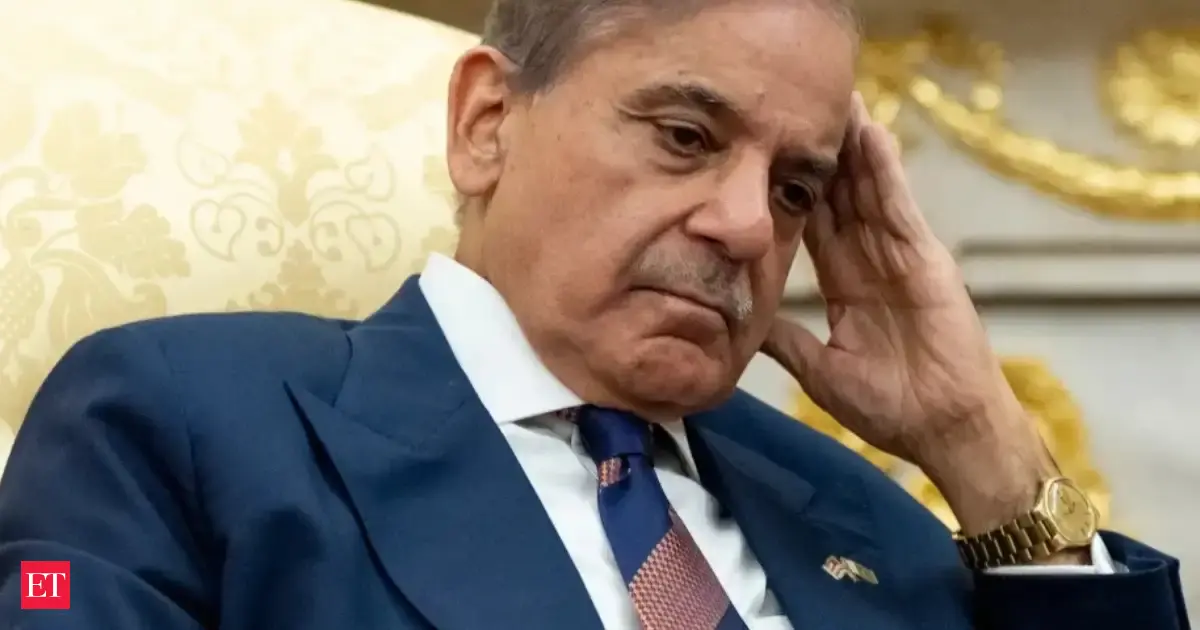
Taiwan’s top representative in Japan, Lee Yi-yang, boycotted the 9 August 2026 memorial ceremony in Nagasaki marking the 81st anniversary of the U.S. atomic bombing of the city. Lee said the seating arrangement for his delegation denied Taiwan’s status as a nation and disregarded its sovereignty. The Taipei Economic and Cultural Representative Office in Tokyo described the move as an insult to Taipei and accused Nagasaki officials of acting as "a pawn of China’s insistence that Taiwan is not a state."
Nagasaki officials said the seats assigned to Taiwanese officials were located near other envoys and were not clearly distinguished as nondiplomatic guests. The ceremony, held at the Peace Park in Nagasaki, was attended by representatives from 98 countries and three international organisations, including the United Nations, the European Union and the International Committee of the Red Cross. Lee sent a lower-ranked official from Fukuoka in his place.
The dispute follows a policy change in Nagasaki after the 2024 ceremony was boycotted by the U.S. ambassador and five other Group of Seven envoys over the exclusion of Israel. Nagasaki subsequently revised its invitation policy to include countries, regions and organisations with diplomatic missions in Japan or at the United Nations, though Taiwan does not fit either category. Nagasaki officials said Taiwan’s representatives were accommodated at their request last year.
What the coverage left out
None of the right-rated or centre-rated digests below mention the 2024 boycott by the U.S. ambassador and five other Group of Seven envoys, which prompted Nagasaki to revise its invitation policy. The left-rated reports, including the full Associated Press and Washington Top News articles, carried this detail.
Coverage settled. We checked this 13 times and stopped on 15 Aug 2026, 17:30. The figures above are what it finished at.
How each side covered it
Our own reading of the reporting listed below, written from the outlets’ articles rather than quoted from them. The reasoning is set out on our methodology page.
Left
12 rated outlets
- The seven left-rated digests and two full reports led on Lee’s accusation that Nagasaki officials were pro-China and had insulted Taiwan’s sovereignty. The Associated Press and Washington Top News, whose full reports are printed below, quoted Lee’s statement that the seating arrangement showed Nagasaki had "deliberately denied Taiwan’s status as a nation." The Taipei Times and Taiwan News framed the incident as a protest against a "snub" or "slight" to Taiwan’s national status.
- The left-rated reports included Lee’s claim that Taiwan had demonstrated itself to be a peace-loving nation, while China posed a threat to the region through its military growth and nuclear weapons. The Associated Press and Washington Top News both noted that Lee attended the Hiroshima memorial on 6 August 2026, where he said he was treated equally with other foreign envoys. The left-rated digests also carried Nagasaki’s explanation that the seating was not clearly distinguished as nondiplomatic.
Centre
6 rated outlets
- The four centre-rated digests led on the fact of the boycott and Lee’s accusation that Nagasaki officials were pro-China. Newsday and the Ottumwa Courier included Lee’s name and his role as head of the Taipei Economic and Cultural Representative Office. None of the centre-rated digests mentioned the 2024 boycott by G7 ambassadors or Nagasaki’s subsequent policy change.
Right
5 rated outlets
- All five right-rated digests report that Taiwan’s representative in Japan, Lee Yi-yang, boycotted the Nagasaki atomic bomb memorial over seating arrangements. They agree the dispute centred on accusations that Nagasaki officials were pro-China and had insulted Taipei by denying Taiwan’s status.
- The digests from the Batesville Daily Guard, Washington Times, and regionalmedianews.com specify that Lee accused Nagasaki of deliberately denying Taiwan’s status as a nation. India Today and Yonhap News Agency frame the incident as exposing broader tensions between China and Taiwan in diplomatic settings.
- None of the digests include statements from Nagasaki officials or Japanese government sources. The dispute’s origins in seating protocols are mentioned, but no outlet provides details on how the arrangements differed from previous years.
Questions about this coverage
- How did the left and right cover Taiwan envoy Lee Yi-yang boycotts Nagasaki atomic bomb memorial over…?
- Of the 23 outlets on this story carrying a published leaning rating, 52% are rated left, 26% are rated centre, 22% are rated right. Those percentages are shares of the rated outlets, not of every outlet that ran it, which was 31. The sections above set out what each side emphasised, in its own terms.
- Is Taiwan envoy Lee Yi-yang boycotts Nagasaki atomic bomb memorial over… left or right?
- Neither side dominates it. Of the 23 rated outlets on this story, 52% are rated left, 26% are rated centre, 22% are rated right, and no side holds the 70% this site would want before calling a field one-sided. A story is not left or right in any case; the outlets that carried it are what carry ratings.
- Is the coverage of Taiwan envoy Lee Yi-yang boycotts Nagasaki atomic bomb memorial over… biased?
- Taiwan envoy Lee Yi-yang boycotts Nagasaki atomic bomb memorial over seating is one event reported by 31 outlets, and this page does not rate the story as biased or unbiased. What it publishes is the spread: which outlets ran it, where named rating organisations place each of them on the spectrum, and what each side chose to lead with. A leaning rating describes an outlet's record over time, not this article, and the two should not be run together.
- Which side is not reporting Taiwan envoy Lee Yi-yang boycotts Nagasaki atomic bomb memorial over…?
- When we first saw this story, outlets rated right had barely covered it. Coverage accretes for hours after an event, so that is where to look rather than a verdict — the split above is the current count, and it is the one to read.
- Which outlets covered Taiwan envoy Lee Yi-yang boycotts Nagasaki atomic bomb memorial over…?
- 31 that we know of, every one of them listed further up this page with a link to its own report and to what we hold on the publisher. Nothing here is a summary of somebody else's summary: the outlets are named so the original reporting can be read.
- Why did Taiwan’s representative boycott the Nagasaki memorial ceremony?
- Lee Yi-yang, Taiwan’s representative in Japan, boycotted the ceremony because his delegation was not seated among diplomatic missions. He accused Nagasaki officials of denying Taiwan’s status as a nation and acting as a "pawn of China’s insistence that Taiwan is not a state." Nagasaki officials said the seating was not clearly distinguished as nondiplomatic.
- What was the seating arrangement for Taiwan’s delegation at the Nagasaki ceremony?
- Nagasaki officials said the seats assigned to Taiwanese officials were located near other envoys and were not clearly marked as nondiplomatic. Lee Yi-yang said the arrangement denied Taiwan’s status as a nation and sent a lower-ranked official in his place.
- Did any other countries boycott the Nagasaki ceremony in previous years?
- Yes. In 2024, the U.S. ambassador and five other Group of Seven envoys boycotted the ceremony because Israel was not invited. This prompted Nagasaki to revise its invitation policy to include countries, regions and organisations with diplomatic missions in Japan or at the United Nations.
Read it at the source
31 outlets, grouped by the leaning a published rating gives them. Every headline links to the original; an underlined outlet name opens our profile of that publisher.
Left
12- Taiwan representative in Japan boycotts Nagasaki bombing anniversary ceremony over seating (opens Stuff in a new tab)
- Taiwan representative in Japan boycotts Nagasaki bombing anniversary ceremony over seating (opens The Hindu in a new tab)
- Taiwan representative in Japan boycotts Nagasaki anniversary ceremony over seating (opens The Korea Times in a new tab)
The Korea Times — is The Korea Times biased? Our profile of this outlet
- Taiwan representative in Japan boycotts Nagasaki bombing anniversary ceremony over seating (opens The Washington Post in a new tab)
The Washington Post — is The Washington Post biased? Our profile of this outlet
- Taiwan representative in Japan boycotts Nagasaki anniversary ceremony over seating (opens The Seattle Times in a new tab)
The Seattle Times — is The Seattle Times biased? Our profile of this outlet
- Taiwan representative in Japan boycotts Nagasaki anniversary ceremony over seating (opens The Toronto Star in a new tab)
The Toronto Star — is The Toronto Star biased? Our profile of this outlet
- Taiwan representative in Japan boycotts Nagasaki anniversary ceremony over seating (opens Associated Press News in a new tab)
Associated Press News — is Associated Press News biased? Our profile of this outlet
- Taiwan representative in Japan boycotts Nagasaki bombing anniversary ceremony over seating (opens ABC News in a new tab)
Show 4 more
- Taiwan representative in Japan boycotts Nagasaki anniversary ceremony over seating (opens The Hamilton Spectator in a new tab)
The Hamilton Spectator — is The Hamilton Spectator biased? Our profile of this outlet
- Taipei protests ‘snub’ at Japan memorial (opens Taipei Times in a new tab)
Taipei Times — is Taipei Times biased? Our profile of this outlet
- Taiwan protests seating at Nagasaki peace ceremony | Taiwan News | Aug. 9, 2026 14:59 (opens Taiwan News in a new tab)
Taiwan News — is Taiwan News biased? Our profile of this outlet
- Taiwan envoy to Japan protests Nagasaki memorial designation, skips event (opens Focus Taiwan in a new tab)
Focus Taiwan — is Focus Taiwan biased? Our profile of this outlet
Centre
6- Taiwan Representative in Japan Boycotts Ceremony in Nagasaki for Seat Dispute (opens LancasterOnline in a new tab)
LancasterOnline — is LancasterOnline biased? Our profile of this outlet
- Taiwan Representative in Japan Boycotts Ceremony in Nagasaki for Seat Dispute (opens Santa Maria Times in a new tab)
Santa Maria Times — is Santa Maria Times biased? Our profile of this outlet
- Taiwan representative in Japan boycotts Nagasaki anniversary ceremony over seating (opens Washington Top News in a new tab)
Washington Top News — is Washington Top News biased? Our profile of this outlet
- Taiwan representative in Japan boycotts Nagasaki anniversary ceremony over seating (opens Newsday in a new tab)
- Taiwan representative in Japan boycotts Nagasaki anniversary ceremony over seating (opens Ottumwa Courier in a new tab)
Ottumwa Courier — is Ottumwa Courier biased? Our profile of this outlet
- Taiwan representative in Japan boycotts Nagasaki anniversary ceremony over seating (opens Winnipeg Free Press in a new tab)
Winnipeg Free Press — is Winnipeg Free Press biased? Our profile of this outlet
Right
5- China and Taiwan Clash over 'National Dignity' over Seating Arrangements at Nagasaki Atomic Bomb Memorial Service (opens 연합뉴스-Yonhap News Agency in a new tab)
연합뉴스-Yonhap News Agency — is 연합뉴스-Yonhap News Agency biased? Our profile of this outlet
- Taiwan envoy skips Nagasaki memorial over seating row and China concerns (opens India Today in a new tab)
India Today — is India Today biased? Our profile of this outlet
- Taiwan representative in Japan boycotts Nagasaki anniversary ceremony over seating - Regional Media News (opens regionalmedianews.com in a new tab)
regionalmedianews.com — is regionalmedianews.com biased? Our profile of this outlet
- Taiwan representative in Japan boycotts Nagasaki bombing anniversary ceremony over seating (opens Washington Times in a new tab)
Washington Times — is Washington Times biased? Our profile of this outlet
- Taiwan representative in Japan boycotts Nagasaki anniversary ceremony over seating (opens The Batesville Daily Guard in a new tab)
The Batesville Daily Guard — is The Batesville Daily Guard biased? Our profile of this outlet
Not rated
8- Taiwan representative in Japan boycotts Nagasaki bombing anniversary ceremony over seating (opens Northwest Asian Weekly in a new tab)
Northwest Asian Weekly — is Northwest Asian Weekly biased? Our profile of this outlet
- Taiwan envoy boycotts Nagasaki atomic bombing memorial over seating row (opens NEWS9 LIVE in a new tab)
NEWS9 LIVE — is NEWS9 LIVE biased? Our profile of this outlet
- Taiwan Boycotted the Nagasaki Ceremony. (opens Haberler in a new tab)
- Taiwan Representative in Japan Boycotts Ceremony in Nagasaki for Seat Dispute (opens Independent Español in a new tab)
Independent Español — is Independent Español biased? Our profile of this outlet
- Taiwan representative in Japan boycotts Nagasaki anniversary ceremony over seating (opens pmg-ky3.com in a new tab)
pmg-ky3.com — is pmg-ky3.com biased? Our profile of this outlet
- Lee Yi-Yang Refused to Attend the Nagasaki Atomic Bombing Ceremony, Which Was Seen as an Attempt to Belittle Taiwan. (opens 大纪元 Epoch Times in a new tab)
大纪元 Epoch Times — is 大纪元 Epoch Times biased? Our profile of this outlet
- Taiwan's Representative to Japan Skipped a Ceremony in Nagasaki and Issued a Protest Statement, Claiming that She Was Not Given "Appropriate Treatment" Befitting an Ambassador in Terms of Seating Arrangement. (opens Unknown in a new tab)
Unknown
- Representative to Japan Lee Yi-Yang Did Not Attend the Nagasaki Atomic Bombing Ceremony; Protesting that the Seating Arrangement Diminished National Dignity (opens cna.com.tw in a new tab)
cna.com.tw — is cna.com.tw biased? Our profile of this outlet
How did this read?
About the coverage, not about the story. We do not ask whether you agree with what happened — we have no honest use for that answer.