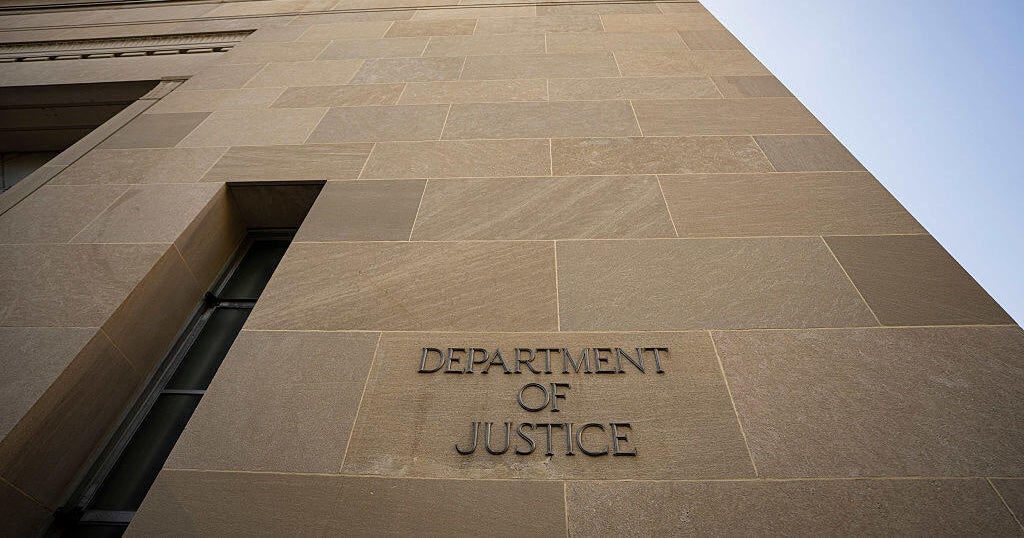
West Virginia Supreme Court weighs legislative power over education rules
Justices heard arguments on whether lawmakers can reject state school board regulations.
AI-assisted coverage comparison, editor-supervised · How this was made

West Virginia Supreme Court weighs legislative power over education rules
Photograph: Mountain State Spotlight (embedded from source)
What this story says
- The West Virginia Supreme Court of Appeals heard arguments on whether the state Legislature has the authority to review and reject rules set by the state Board of Education.
- In April 2025, the West Virginia Legislature passed a law granting itself power over the Board of Education's regulations, a move intended to prompt a court challenge.
- Voters have twice rejected constitutional amendments that would have given the Legislature more control over the Board of Education, in 1989 and 2022.
- The state school board, established as an independent body in 1958, argues that legislative oversight would be detrimental to student success and contrary to the state constitution and voter will.
Who covered it
Percentages are shares of the 17 outlets carrying a published leaning rating. Coverage measured .
Trust
42/100
Craft
59/100
Hype
20/100
17 sources · methodology
Thin on the right so far
Only 1 of the 17 outlets with a published leaning rating that ran this story are rated right.
This story is still being watched, so it is a count and not yet a finding. Coverage keeps arriving for hours after an event, and a side that has published nothing this morning may publish by tonight. If it is still true when we stop checking, we will say so plainly.
The West Virginia Supreme Court of Appeals is hearing a case concerning the Legislature's authority over the state Board of Education's regulations. In April 2025, the Legislature passed a law that would grant itself power over the board's rules. This action was taken despite voters twice rejecting constitutional amendments that would have given the Legislature more control over the Board of Education.
The state school board, established as an independent body in 1958 following a constitutional amendment, filed a lawsuit after the Secretary of State's Office referred one of its rules to the Legislature. The board argues that legislative oversight would cause delays detrimental to student success and is contrary to the state constitution and the will of the voters. The Legislature's attempt to gain review power over school board policies follows a similar law passed in 1988, which was struck down by the state Supreme Court for violating the constitution.
Disagreement on legislative authority
Attorneys for the Secretary of State argued that while the constitution grants the school board general supervision, it also mandates the Legislature to provide for a thorough and efficient system of free schools. They contend the constitution does not grant an executive agency unchecked power over its own rules without legislative oversight, asserting the Legislature ultimately has the final say. The Board of Education's attorneys countered that the state Supreme Court had already decided this issue in the 1988 case, establishing that one branch of government cannot grant itself veto power over another's authority, citing basic separation of powers principles.
What the coverage left out
None of the left-rated or centre-rated reports mention the specific details of the 1988 law that was struck down, beyond stating that it was ruled unconstitutional. The full report from Washington Top News noted that in the previous law, if legislators didn’t vote on a rule it was rejected, whereas in the new law, if they don't vote within 15 months, it is automatically approved. This detail was not present in the digests.
Still developing. We have re-checked which outlets are covering this 4 times, most recently on 26 Sept 2026, 00:15, and will add the sides that appear.
How each side covered it
Our own reading of the reporting listed below, written from the outlets’ articles rather than quoted from them. The reasoning is set out on our methodology page.
Left
7 rated outlets
- Left-rated reports focused on the Legislature's attempt to gain power over the Board of Education's regulations, noting that this occurred after voters twice rejected similar proposals. These reports highlighted that the Legislature passed a law in April 2025 to give itself this power, intending to trigger a court challenge. They also mentioned the 1958 constitutional amendment establishing the school board as an independent body and the 1988 law that the state Supreme Court struck down. The Charleston Gazette-Mail noted the Supreme Court was considering lawmakers' power over public education rules after a 2025 Republican-backed bill gave a group of lawmakers authority to approve or reject education rules.
Centre
9 rated outlets
- Centre-rated reports also highlighted the West Virginia Supreme Court hearing arguments on the Legislature's authority over the Board of Education's regulations. They noted the 2025 law passed by the Legislature to gain oversight, and that voters had twice rejected similar proposals. Reports mentioned the state school board was established as an independent body in 1958. The Mountain State Spotlight digest stated lawmakers have long sought to weaken the board's independence. WV MetroNews reported that retired Justice Beth Walker joined the court for oral arguments, while newly elected Justice Bill Flanigan, who previously served as a state delegate, stepped aside. The case centres on House Bill 2755, passed during the 2025 legislative session.
Right
1 rated outlet
We have not written our reading of the right coverage of this story. The right-rated outlets that ran it are listed below.
Questions about this coverage
- How did the left and right cover West Virginia Supreme Court weighs legislative power over education…?
- Of the 17 outlets on this story carrying a published leaning rating, 41% are rated left, 53% are rated centre, 6% are rated right. Those percentages are shares of the rated outlets, not of every outlet that ran it. The sections above set out what each side emphasised, in its own terms.
- Is West Virginia Supreme Court weighs legislative power over education… left or right?
- Neither side dominates it. Of the 17 rated outlets on this story, 41% are rated left, 53% are rated centre, 6% are rated right, and no side holds the 70% this site would want before calling a field one-sided. A story is not left or right in any case; the outlets that carried it are what carry ratings.
- Is the coverage of West Virginia Supreme Court weighs legislative power over education… biased?
- West Virginia Supreme Court weighs legislative power over education rules is one event reported by 17 outlets, and this page does not rate the story as biased or unbiased. What it publishes is the spread: which outlets ran it, where named rating organisations place each of them on the spectrum, and what each side chose to lead with. A leaning rating describes an outlet's record over time, not this article, and the two should not be run together.
- Which side is not reporting West Virginia Supreme Court weighs legislative power over education…?
- When we first saw this story, outlets rated right had barely covered it. Coverage accretes for hours after an event, so that is where to look rather than a verdict — the split above is the current count, and it is the one to read.
- Which outlets covered West Virginia Supreme Court weighs legislative power over education…?
- 17 that we know of, every one of them listed further up this page with a link to its own report and to what we hold on the publisher. Nothing here is a summary of somebody else's summary: the outlets are named so the original reporting can be read.
- What is the core issue in the West Virginia Supreme Court case?
- The West Virginia Supreme Court of Appeals is hearing arguments to decide whether the state Legislature has the ultimate authority to review and potentially reject rules established by the state Board of Education. This case stems from a 2025 law passed by the Legislature seeking oversight over the board's regulations.
- Why is the state Board of Education considered independent?
- The state school board was established as an independent body in 1958 following a constitutional amendment approved by voters. This independence was intended to separate education policy from partisan politics.
- Have voters previously decided on legislative control over education?
- Yes, voters have twice rejected constitutional amendments that would have granted the Legislature more control over the Board of Education. These rejections occurred in 1989 and again in 2022, with a significant majority voting against such measures.
Read it at the source
17 outlets, grouped by the leaning a published rating gives them. Every headline links to the original; an underlined outlet name opens our profile of that publisher.
Left
7- West Virginia lawmakers battle in court over the Board of Education’s independence (opens The Toronto Star in a new tab)
The Toronto Star — is The Toronto Star biased? Our profile of this outlet
- West Virginia lawmakers battle in court over the Board of Education’s independence (opens Associated Press News in a new tab)
Associated Press News — is Associated Press News biased? Our profile of this outlet
- WV Supreme Court considers lawmakers’ power over public education rules (opens Charleston Gazette-Mail in a new tab)
Charleston Gazette-Mail — is Charleston Gazette-Mail biased? Our profile of this outlet
- WV Supreme Court considers lawmakers’ power over public education rules (opens Times West Virginian in a new tab)
Times West Virginian — is Times West Virginian biased? Our profile of this outlet
- Justices consider state Democrats’ challenge of 2025 appointment to W.Va. House seat (opens Beckley Register-Herald in a new tab)
Beckley Register-Herald — is Beckley Register-Herald biased? Our profile of this outlet
- Justices hear arguments in case challenging education rule-making law (opens Dominion Post in a new tab)
Dominion Post — is Dominion Post biased? Our profile of this outlet
- Justices consider state Democrats’ challenge of 2025 appointment to WV House seat • West Virginia Watch (opens westvirginiawatch.com in a new tab)
westvirginiawatch.com — is westvirginiawatch.com biased? Our profile of this outlet
Centre
9- West Virginia lawmakers battle in court over the Board of Education’s independence (opens The Standard-Journal in a new tab)
The Standard-Journal — is The Standard-Journal biased? Our profile of this outlet
- West Virginia lawmakers battle in court over the Board of Education’s independence – WTOP News (opens Washington Top News in a new tab)
Washington Top News — is Washington Top News biased? Our profile of this outlet
- West Virginia lawmakers battle in court over the Board of Education’s independence (opens Winnipeg Free Press in a new tab)
Winnipeg Free Press — is Winnipeg Free Press biased? Our profile of this outlet
- Lawmakers and the Board of Education are arguing in court over school rules. Here’s what to know. (opens Mountain State Spotlight in a new tab)
Mountain State Spotlight — is Mountain State Spotlight biased? Our profile of this outlet
- WV Supreme Court considers lawmakers’ power over public education rules (opens The Herald-Dispatch in a new tab)
The Herald-Dispatch — is The Herald-Dispatch biased? Our profile of this outlet
- West Virginia Supreme Court hears Dems' claim over arrested delegate-elect's successor selection (opens WVNS in a new tab)
- West Virginia Supreme Court considers clash over ultimate authority on education rules (opens WV MetroNews in a new tab)
WV MetroNews — is WV MetroNews biased? Our profile of this outlet
- WV Supreme Court weighs Legislature’s power over state Board of Education rules (opens WV News in a new tab)
Right
1Not rated
0No outlet in this group ran the story.
How did this read?
About the coverage, not about the story. We do not ask whether you agree with what happened — we have no honest use for that answer.