NASA WB-57 aircraft to chase 12 August 2026 solar eclipse over Iceland
High-altitude flight will extend observation of the sun’s corona to nearly three minutes during totality
AI-assisted coverage comparison, editor-supervised · How this was made

NASA WB-57 aircraft to chase 12 August 2026 solar eclipse over Iceland
Photograph: Forbes (embedded from source)
What this story says
- NASA’s WB-57 aircraft will fly at 50,000 feet on 12 August 2026 to observe the total solar eclipse, extending corona observation time to nearly three minutes.
- The mission will use the SCIFLI Multispectral Airborne Imager to capture high-resolution images of the solar corona in visible and infrared wavelengths.
- Student teams from U.S. universities will launch scientific balloons in Iceland and Spain to study atmospheric changes during the eclipse.
- No left-rated outlet carried the story, according to the reports printed below.
Who covered it
Percentages are shares of the 20 outlets carrying a published leaning rating. 24 of the 44 outlets we know ran this story carry no rating and are not counted in them. Coverage measured .
Trust
76/100
Craft
95/100
Hype
30/100
44 sources · methodology
On 12 August 2026, a total solar eclipse will pass over Greenland, Iceland, Spain and a small part of Portugal. NASA will deploy its WB-57 high-altitude research aircraft to observe the event from 50,000 feet above the North Atlantic, west of Iceland. The aircraft will carry the SCIFLI Multispectral Airborne Imager, a suite of cameras designed to record the solar corona at 20 frames per second in visible and infrared light.
The WB-57 will travel at about 460 miles per hour, allowing it to follow the moon’s shadow and extend the observation window for the corona from just over two minutes on the ground to nearly three minutes in the air. Scientists aim to study solar prominences, the corona’s million-degree temperatures and the development of the solar wind. The mission builds on data collected during the 2024 total solar eclipse, with adjustments to exposure times and data-processing software.
Alongside the aircraft mission, NASA is supporting the Nationwide Eclipse Ballooning Project. Student teams from several U.S. universities will launch scientific balloons in Iceland and Spain before, during and after the eclipse. In Iceland, the balloons will study changes in Earth’s boundary layer, the part of the atmosphere that touches the ground. In Spain, balloons equipped with 360-degree cameras will image the eclipse shadow from above and measure ozone levels.
What the coverage left out
None of the right-rated digests mentioned the Nationwide Eclipse Ballooning Project or the involvement of student teams launching scientific balloons in Iceland and Spain. The cost of the mission or the funding sources for the research were not reported in any of the digests or full reports. No left-rated outlet carried the story at all.
Coverage settled. We checked this 269 times and stopped on 15 Aug 2026, 16:00. The figures above are what it finished at.
How each side covered it
Our own reading of the reporting listed below, written from the outlets’ articles rather than quoted from them. The reasoning is set out on our methodology page.
Left
3 rated outlets
We have not written our reading of the left coverage of this story. The left-rated outlets that ran it are listed below.
Centre
10 rated outlets
- The three centre-rated reports led on the scientific objectives of the mission. Forbes and Phys.org both detailed the WB-57’s flight path, altitude and speed, and the use of the SCIFLI Multispectral Airborne Imager to capture high-resolution images of the corona. Forbes included the involvement of the Irish Air Corps, which will fly a C-295 aircraft with scientists from the European Space Agency and Dublin Institute for Advanced Studies. Phys.org reported that the mission aims to improve understanding of solar prominences and the solar wind, and that the aircraft will fly above clouds to avoid atmospheric interference.
- Forbes quoted principal investigator Amir Caspi of the Southwest Research Institute: “The sun is always changing. Every eclipse is different. So we could see things we didn’t see before.” Phys.org quoted Kelly Korreck, NASA’s eclipse program manager: “The sun impacts our daily life, satellites and astronauts in space, and we can take advantage of this moment to advance our understanding of that influence.” Sky & Telescope’s digest mentioned the scientific campaigns planned for the eclipse but did not provide additional detail.
Right
7 rated outlets
- The two right-rated digests led on the mission’s technical aspects and the aircraft’s role. The News described the WB-57’s flight as a “chase” of the moon’s shadow over Iceland, while TV Azteca framed the mission as a “hunt” for the eclipse. Both digests mentioned the aircraft’s altitude and speed but did not include details about the scientific instruments or the broader atmospheric research planned for the event.
Questions about this coverage
- How did the left and right cover NASA WB-57 aircraft to chase 12 August 2026 solar eclipse over Iceland?
- Of the 20 outlets on this story carrying a published leaning rating, 15% are rated left, 50% are rated centre, 35% are rated right. Those percentages are shares of the rated outlets, not of every outlet that ran it, which was 44. The sections above set out what each side emphasised, in its own terms.
- Is NASA WB-57 aircraft to chase 12 August 2026 solar eclipse over Iceland left or right?
- Neither side dominates it. Of the 20 rated outlets on this story, 15% are rated left, 50% are rated centre, 35% are rated right, and no side holds the 70% this site would want before calling a field one-sided. A story is not left or right in any case; the outlets that carried it are what carry ratings.
- Is the coverage of NASA WB-57 aircraft to chase 12 August 2026 solar eclipse over Iceland biased?
- NASA WB-57 aircraft to chase 12 August 2026 solar eclipse over Iceland is one event reported by 44 outlets, and this page does not rate the story as biased or unbiased. What it publishes is the spread: which outlets ran it, where named rating organisations place each of them on the spectrum, and what each side chose to lead with. A leaning rating describes an outlet's record over time, not this article, and the two should not be run together.
- Which outlets covered NASA WB-57 aircraft to chase 12 August 2026 solar eclipse over Iceland?
- 44 that we know of, every one of them listed further up this page with a link to its own report and to what we hold on the publisher. Nothing here is a summary of somebody else's summary: the outlets are named so the original reporting can be read.
- What will NASA’s WB-57 aircraft do during the 12 August 2026 solar eclipse?
- NASA’s WB-57 aircraft will fly at 50,000 feet over the North Atlantic to observe the total solar eclipse. It will carry the SCIFLI Multispectral Airborne Imager to capture high-resolution images of the solar corona, extending observation time to nearly three minutes by following the moon’s shadow at 460 miles per hour.
- Which countries will the 12 August 2026 total solar eclipse pass over?
- The total solar eclipse on 12 August 2026 will pass over Greenland, Iceland, Spain and a small part of Portugal. The path of totality will begin in Arctic Russia and end in the Mediterranean Ocean, with NASA’s WB-57 aircraft observing from above the North Atlantic.
- What is the Nationwide Eclipse Ballooning Project?
- The Nationwide Eclipse Ballooning Project is a NASA-supported initiative where student teams from U.S. universities will launch scientific balloons in Iceland and Spain during the 12 August 2026 eclipse. The balloons will study atmospheric changes, including the boundary layer and ozone levels, before, during and after the event.
Read it at the source
44 outlets, grouped by the leaning a published rating gives them. Every headline links to the original; an underlined outlet name opens our profile of that publisher.
Left
3- A special high-altitude NASA plane will chase the solar eclipse at 50,000 feet. Take a look. (opens Business Insider in a new tab)
Business Insider — is Business Insider biased? Our profile of this outlet
- The Eclipse Hunters, the Nasa Jet Flying over the Clouds to Capture the Sun: "We only Have One Chance" (opens La Stampa in a new tab)
- "Each Eclipse Teaches Us How to Observe the Next One Even Better" (opens TVN24.pl in a new tab)
TVN24.pl — is TVN24.pl biased? Our profile of this outletOpinion
Centre
10- Plane De La Nasa, French Expedition at sea... The Solar Eclipse, a Boon for Researchers (opens TF1 INFO in a new tab)
- NASA will chase the Aug. 12 total solar eclipse with balloons and a high-altitude jet (opens Space in a new tab)
- Studying the eclipse: Special NASA high-altitude plane stops in Maine (opens WMTW in a new tab)
- From Traffic Cuts to How to Photograph It: the Apps You Need so You Don't Miss Any Details of the Eclipse (opens EL ESPAÑOL in a new tab)
EL ESPAÑOL — is EL ESPAÑOL biased? Our profile of this outlet
- NASA WB-57 Heads to Iceland to Observe Solar Eclipse (opens The Aviationist in a new tab)
The Aviationist — is The Aviationist biased? Our profile of this outlet
- Solar Eclipse: Three things we could learn on August 12 (opens France24 in a new tab)
- WB-57 - JSC | NASA Airborne Science Program (opens NASA (Source) in a new tab)
NASA (Source) — is NASA (Source) biased? Our profile of this outlet
- Science Campaigns Planned for the August 12th Total Solar Eclipse (opens Sky & Telescope in a new tab)
Sky & Telescope — is Sky & Telescope biased? Our profile of this outlet
Right
7- Copy of Total solar eclipse 2026 with NASA (opens ussanews.com in a new tab)
ussanews.com — is ussanews.com biased? Our profile of this outlet
- NASA Will Use Balloons and Jet to Study Atmosphere During the Total Eclipse (opens Observador in a new tab)
Observador — is Observador biased? Our profile of this outlet
- Nasa jet to monitor solar eclipse from 50,000ft in the air in effort to uncover sun's secrets (opens GB News in a new tab)
- Total Solar Eclipse 2026: NASA Superplane to Rise August 12 to Capture the Sun Before All (opens la Nacion in a new tab)
- NASA Chases the Solar Eclipse, Special Mission Launches From Iceland (opens Origo in a new tab)
- NASA eclipse mission will chase moon’s shadow over Iceland (opens The News in a new tab)
- Thus NASA Will "Hunt" the Solar Eclipse of August 12th on a Mission From the Heights (opens TV Azteca in a new tab)
Not rated
24- August 12, 2026 Solar Eclipse: Why NASA Is Sending a Jet and Balloons (opens Curiosmos in a new tab)
- Nasa jet to monitor solar eclipse from 50,000ft in the air in effort to uncover sun’s secrets (opens PressNewsAgency in a new tab)
PressNewsAgency — is PressNewsAgency biased? Our profile of this outlet
- NASA Will Pursue the Solar Eclipse with a High-Altitude Plane From Iceland (opens SIC Notícias in a new tab)
SIC Notícias — is SIC Notícias biased? Our profile of this outlet
- NASA Will Take Advantage of the Solar Eclipse. Scientists Will Study Its Corona. (opens Rzeczpospolita in a new tab)
Rzeczpospolita — is Rzeczpospolita biased? Our profile of this outlet
- NASA Will Study Wednesday's Total Eclipse with a High-Altitude Aircraft and Scientific Balloons (opens noticiasdegipuzkoa.eus in a new tab)
noticiasdegipuzkoa.eus — is noticiasdegipuzkoa.eus biased? Our profile of this outlet
- NASA Will Study Wednesday's Total Eclipse with a High-Altitude Aircraft and Scientific Balloons (opens noticiasdealava.eus in a new tab)
noticiasdealava.eus — is noticiasdealava.eus biased? Our profile of this outlet
- NASA Will Study Wednesday's Total Eclipse with a High-Altitude Aircraft and Scientific Balloons (opens Noticias de Navarra in a new tab)
Noticias de Navarra — is Noticias de Navarra biased? Our profile of this outlet
- NASA details coverage and research during total solar eclipse visible on August 12 (opens Portal Mix Vale in a new tab)
Portal Mix Vale — is Portal Mix Vale biased? Our profile of this outlet
Show 16 more
- Tempted to Fly with the Shadow of the Moon (opens RÚV in a new tab)
- Why Will NASA Send Fighter Jets After the Total Solar Eclipse in 2026? (opens aufeminin.com in a new tab)
aufeminin.com — is aufeminin.com biased? Our profile of this outlet
- NASA Shares August Astronomical Events: Solar Eclipse, Star Rain and Much More (opens El Comercio in a new tab)
El Comercio — is El Comercio biased? Our profile of this outlet
- NASA Is Conducting a Special Mission During the Solar Eclipse (opens 24 HU in a new tab)
- August 12 Solar eclipse: Why Two NASA Pilots Will Experience Nearly 3 Minutes of Darkness (opens BreezyScroll in a new tab)
BreezyScroll — is BreezyScroll biased? Our profile of this outlet
- Solar Eclipse: How NASA and Co. Explore the Event (opens wissenschaft.de in a new tab)
wissenschaft.de — is wissenschaft.de biased? Our profile of this outlet
- This Is the Ancient Bomber with Which NASA Will Chase the Moon's Shadow During the Eclipse. (opens Business Insider (Spain) in a new tab)
Business Insider (Spain) — is Business Insider (Spain) biased? Our profile of this outlet
- Chasing Solar Eclipses with NASA Supersonic Jet Pilots (opens friendsofnasa.org in a new tab)
friendsofnasa.org — is friendsofnasa.org biased? Our profile of this outlet
- "As if a Hand Were Waved, the Shadow Falls" (opens Fréttir - mbl.is in a new tab)
Fréttir - mbl.is — is Fréttir - mbl.is biased? Our profile of this outlet
- Spectacular NASA Mission. An Airplane Will Follow the Shadow of the Moon to Observe the Total Eclipse Nearly Three Minutes (opens Stirile Pro TV in a new tab)
Stirile Pro TV — is Stirile Pro TV biased? Our profile of this outlet
- "You're Hit by a Sudden Wave of Darkness. NASA Sends a Plane at 15,000 Meters Altitude to Gather Information About the Sun During the Eclipse (opens Adevarul in a new tab)
- GeenStijl: Media Landscape Completely Darkened by Articles About Solar Eclipse (opens geenstijl.nl in a new tab)
geenstijl.nl — is geenstijl.nl biased? Our profile of this outletOpinion
- NASA science soars during August total solar eclipse (opens panasiabiz.com in a new tab)
panasiabiz.com
- NASA aircraft chases unique total solar eclipses (opens latination.com in a new tab)
latination.com
- Montana State students to help NASA science soar during 2026 total solar eclipse (opens montana.edu in a new tab)
montana.edu
- NASA will use the WB-57 aircraft to capture unprecedented images of the solar corona during the August 12 eclipse (opens noticiasambientales.com in a new tab)
noticiasambientales.com
How did this read?
About the coverage, not about the story. We do not ask whether you agree with what happened — we have no honest use for that answer.
More in Science & Tech
All Science & Tech →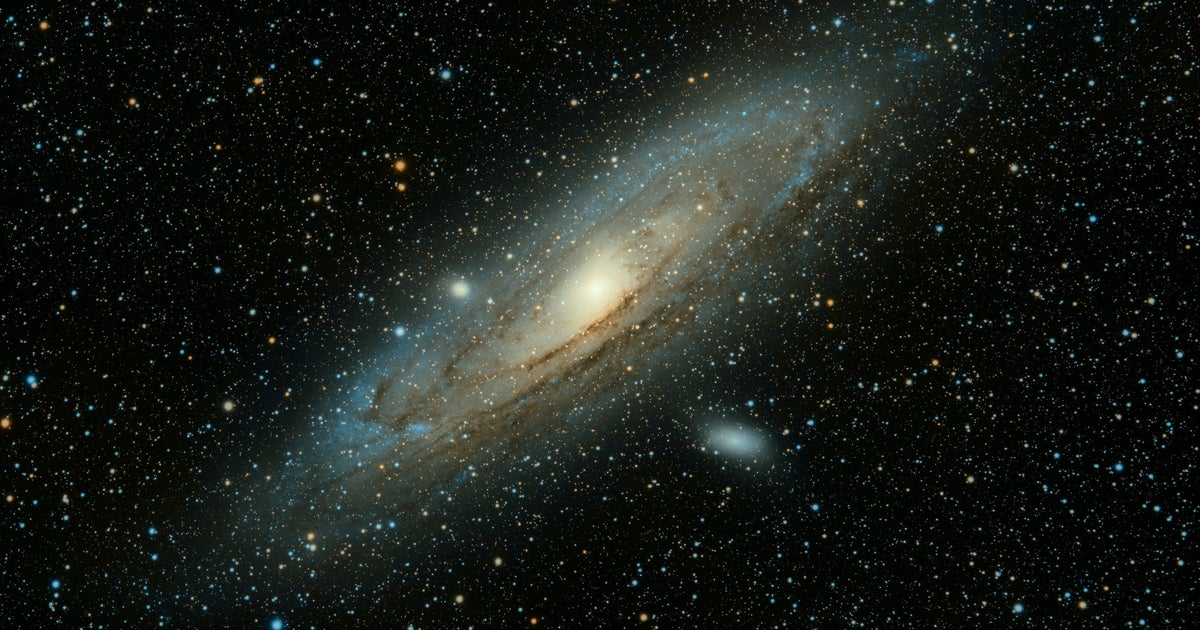


Elsewhere on the site
 Media•3 min readFlorida AG James Uthmeier sues New York Times for alleged anti‑Israel bias
 Politics•2 min readSenate Republicans Hold Hearing on Transgender Athletes
 Conflict & Security•3 min readZelenskiy warns Russia of painful winter if energy attacks continue
 Business & Economy•3 min readUS stocks slide as bond market pressure and inflation fears rise