San Francisco bars pause Patronscan ID scanning after LGBTQ+ privacy concerns
Badlands and Toad Hall halted facial scanning technology following a petition by digital rights group Fight for the Future
AI-assisted coverage comparison, editor-supervised · How this was made
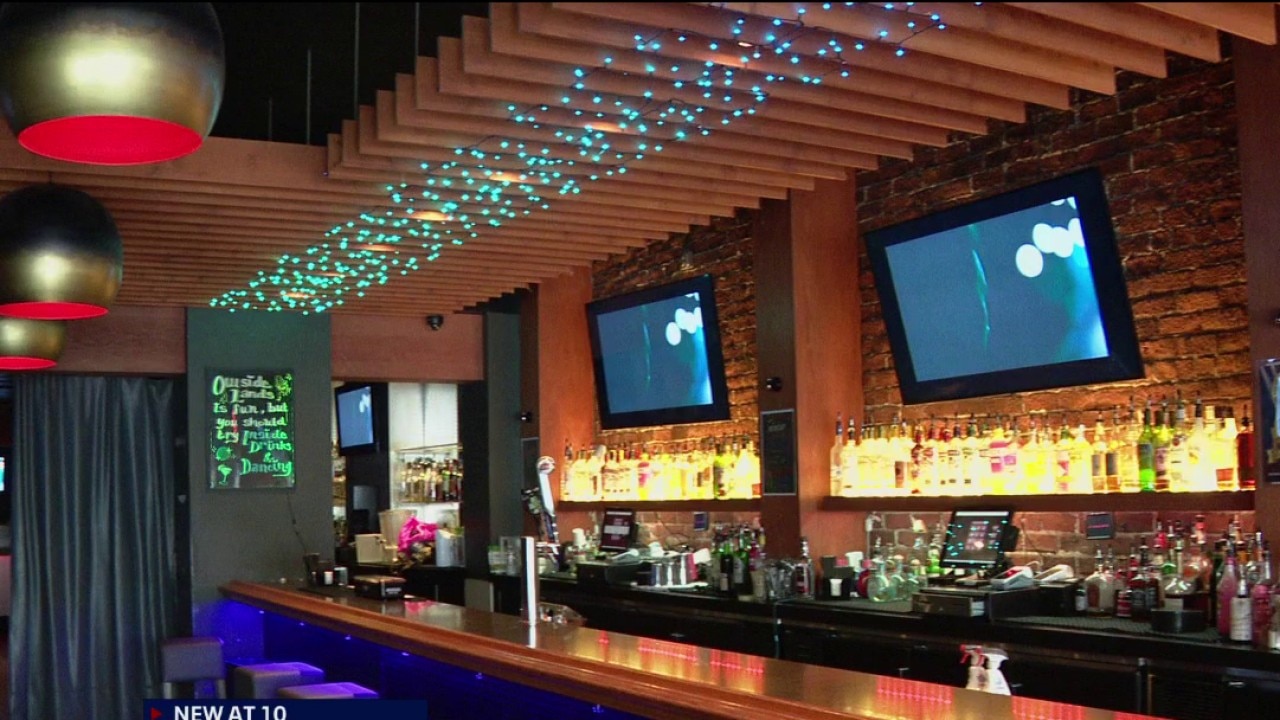
San Francisco Castro bars pause security technology after privacy backlash
Photograph: KTVU FOX 2 (embedded from source)
What this story says
- Badlands and Toad Hall paused Patronscan’s Guard+ system on 16 August 2026 after a petition by digital rights group Fight for the Future.
- The system scans government-issued IDs and takes photographs but does not use facial recognition for North American customers, Patronscan said.
- Unflagged customer data is retained for 21 days; flagged data may be kept for up to five years, the company said.
- A third bar, The Mix, continues using the technology, citing security concerns after an employee assault.
Who covered it
Percentages are shares of the 18 outlets carrying a published leaning rating. 5 of the 23 outlets we know ran this story carry no rating and are not counted in them. Coverage measured .
Trust
76/100
Craft
95/100
Hype
15/100
23 sources · methodology
Two San Francisco bars in the Castro neighbourhood paused their use of Patronscan’s Guard+ system on 16 August 2026. Badlands and Toad Hall announced the decision on Instagram after community backlash over privacy concerns. The bars said they would review their security practices while the system was paused.
Patronscan’s Guard+ system scans a government-issued ID and takes a photograph of patrons entering venues. The company said it does not use facial recognition for North American customers. Data from unflagged customers is retained for 21 days before permanent deletion, while flagged data may be kept for up to one year for networked flags and up to five years for single-venue flags.
The pause followed a petition by digital rights group Fight for the Future, which called on Castro bars to remove the technology. The group argued that the system collected and shared sensitive customer information. Over 2,000 people signed the petition, as reported by GO Magazine.
A third bar, The Mix, continues using the system. The bar said it installed the technology after an employee was assaulted by a patron who had been ejected. The Mix uses Patronscan on weekends when crowds are largest.
What the reports disagree on
The reports disagree on whether the technology uses facial recognition. KTVU FOX 2 reported that Patronscan said its Guard+ system does not use facial recognition or collect biometric data. LGBTQ Nation, however, described the system as "AI-powered facial recognition and surveillance technology that uses cameras and scanners to collect patrons’ personal data, including an image of their face."
What the coverage left out
None of the right-rated digests mentioned the retention periods for unflagged or flagged customer data. None of the left-rated digests mentioned that The Mix continues using the system. The centre-rated digests did not carry the retention periods for flagged data.
Still developing. We have re-checked which outlets are covering this 1 time, most recently on 16 Aug 2026, 19:30, and will add the sides that appear.
How each side covered it
Our own reading of the reporting listed below, written from the outlets’ articles rather than quoted from them. The reasoning is set out on our methodology page.
Left
13 rated outlets
- All 13 left-rated digests led on the pause by Badlands and Toad Hall. They carried the names of the bars, the petition by Fight for the Future, and the privacy concerns raised by LGBTQ+ groups. The digests named the technology as Patronscan and described it as scanning IDs and taking photographs.
- The digests quoted community objections, including discomfort among LGBTQ+ patrons about being recorded or noted for visiting gay establishments. They also carried the bars’ statement that they had heard concerns and were reviewing their security practices. None of the digests mentioned the retention periods for unflagged or flagged data.
- LGBTQ Nation and The Advocate described the technology as "dangerous & invasive" and "AI-assisted face scanning," respectively. Out Magazine and The Advocate both used the phrase "discontinued the use" of the technology, while Queerty said the bars had "stopped using this controversial technology."
Centre
3 rated outlets
- The three centre-rated digests led on the pause by the bars. KTVU FOX 2, the only full report, carried the bars’ statement that they had used electronic ID verification for years for age verification and safety. It quoted Brian Aranda, director of operations for Badlands, saying the system helped identify individuals involved in incidents and prevent problem patrons from returning.
- KTVU FOX 2 also carried Patronscan’s statement that the system does not use facial recognition for North American customers. It quoted patrons who said the technology was unnecessary or an overreach, as well as residents who supported it as a security measure. The report included the retention periods for unflagged and flagged data.
- The San Francisco Standard and Internewscast digests described the technology as facial scanning. The Standard said The Mix, Badlands, and Toad Hall had all stopped it, while Internewscast said the bars were "backing away" from it after a boycott.
Right
2 rated outlets
- The two right-rated digests led on the backlash from the LGBTQ+ community. USSANews described the technology as "controversial face-scanning technology" and said the bars had "opted out" after "furious backlash." The New York Post called the system "draconian surveillance" and said the bars had been "forced to boot" it after a privacy backlash.
- USSANews carried the bars’ names and the technology’s name, Patronscan. It described the system as requiring guests to have their photos scanned and IDs verified before entering. The New York Post said the system was used to verify IDs and ages and flag problem patrons across venues. Neither digest mentioned the retention periods for data.
Read it at the source
23 outlets, grouped by the leaning a published rating gives them. Every headline links to the original; an underlined outlet name opens our profile of that publisher.
Left
13- Third S.F. gay bar pauses use of facial recognition technology amid privacy concerns (opens SF Chronicle in a new tab)
SF Chronicle — is SF Chronicle biased? Our profile of this outlet
- After outcry, gay bars in SF have stopped using this controversial technology (opens Queerty in a new tab)
- SAN FRANCISCO, CA––The Mix Bar becomes the next to hit "pause" on face scanning (opens Fight for the Future in a new tab)
Fight for the Future — is Fight for the Future biased? Our profile of this outlet
- San Francisco Gay Bars Pause ID Scanning After Privacy Backlash (opens Metro Weekly in a new tab)
Metro Weekly — is Metro Weekly biased? Our profile of this outlet
- Two Castro Bars Decide to 'Pause' Use of Facial Scanning Tech at the Door (opens SFist in a new tab)
- Two Castro Gay Bars Just Told AI Surveillance to Take a Hike (opens Instinct in a new tab)
- 2 San Francisco bars pause use of ID technology after community pushback (opens East Bay Times in a new tab)
East Bay Times — is East Bay Times biased? Our profile of this outlet
- 2 San Francisco bars pause use of ID technology after community pushback (opens The Mercury news in a new tab)
The Mercury news — is The Mercury news biased? Our profile of this outlet
Show 5 more
- SF Gay Bars Drop Face-Scan ID Tech Amid Backlash (opens Joe.My.God. in a new tab)
Joe.My.God. — is Joe.My.God. biased? Our profile of this outlet
- 2 popular gay bars in San Francisco 'pause' use of ID verification tech after pushback (opens NBC Bay Area in a new tab)
NBC Bay Area — is NBC Bay Area biased? Our profile of this outlet
- SF gay bars end use of “dangerous & invasive” tech that collects facial scans & personal data (opens LGBTQ Nation in a new tab)
LGBTQ Nation — is LGBTQ Nation biased? Our profile of this outlet
- San Francisco gay bars back off AI-assisted face scanning technology after privacy uproar (opens Out Magazine in a new tab)
Out Magazine — is Out Magazine biased? Our profile of this outlet
- San Francisco gay bars back off AI-assisted face scanning technology after privacy uproar (opens The Advocate in a new tab)
The Advocate — is The Advocate biased? Our profile of this outlet
Centre
3- Castro bars pause facial scanning amid privacy fight (opens The San Francisco Standard in a new tab)
The San Francisco Standard — is The San Francisco Standard biased? Our profile of this outlet
- San Francisco Castro bars pause security technology after privacy backlash (opens KTVU FOX 2 in a new tab)
KTVU FOX 2 — is KTVU FOX 2 biased? Our profile of this outlet
- San Francisco Bars End PatronScan Facial Recognition Use After Boycott (opens Internewscast in a new tab)
Internewscast — is Internewscast biased? Our profile of this outlet
Right
2- Two San Francisco gay bars ditch controversial face-scanning technology after furious backlash from LGBTQ community (opens ussanews.com in a new tab)
ussanews.com — is ussanews.com biased? Our profile of this outlet
- Famed California bars forced to boot draconian surveillance system after privacy backlash (opens New York Post in a new tab)
New York Post — is New York Post biased? Our profile of this outlet
Not rated
5- San Francisco Bars Reverse Course on Face Scanning Machines at Bars After Community Concerns - GO Magazine (opens gomag.com in a new tab)
gomag.com
- 2 popular SF gay bars 'pause' use of ID verification tech after community pushback (opens Local News Matters in a new tab)
Local News Matters — is Local News Matters biased? Our profile of this outlet
- LGBTQ+ Advocates Force Castro Bars to Halt AI Surveillance (opens Davis Vanguard in a new tab)
Davis Vanguard — is Davis Vanguard biased? Our profile of this outlet
- Why Are Castro Gay Bars Scanning Your Face to Check Your ID? (opens Broke-Ass Stuart's Website in a new tab)
Broke-Ass Stuart's Website
- Why do these Castro gay bars have TSA-style face scanners? (opens gazetteer.co in a new tab)
gazetteer.co
Questions about this coverage
- How did the left and right cover San Francisco bars pause Patronscan ID scanning after LGBTQ+ privacy…?
- Of the 18 outlets on this story carrying a published leaning rating, 72% are rated left, 17% are rated centre, 11% are rated right. Those percentages are shares of the rated outlets, not of every outlet that ran it, which was 23. The sections above set out what each side emphasised, in its own terms.
- Is San Francisco bars pause Patronscan ID scanning after LGBTQ+ privacy… left or right?
- The story itself is neither. What can be counted is who has covered it, and 72% of the 18 rated outlets on it are rated left — so far this is a story carried mostly by the left. Coverage is still arriving and that can change, which is why the figure is dated rather than fixed.
- Is the coverage of San Francisco bars pause Patronscan ID scanning after LGBTQ+ privacy… biased?
- San Francisco bars pause Patronscan ID scanning after LGBTQ+ privacy concerns is one event reported by 23 outlets, and this page does not rate the story as biased or unbiased. What it publishes is the spread: which outlets ran it, where named rating organisations place each of them on the spectrum, and what each side chose to lead with. A leaning rating describes an outlet's record over time, not this article, and the two should not be run together.
- Which outlets covered San Francisco bars pause Patronscan ID scanning after LGBTQ+ privacy…?
- 23 that we know of, every one of them listed further up this page with a link to its own report and to what we hold on the publisher. Nothing here is a summary of somebody else's summary: the outlets are named so the original reporting can be read.
- What is Patronscan’s Guard+ system?
- Patronscan’s Guard+ system scans a government-issued ID and takes a photograph of patrons entering venues. The company said it does not use facial recognition for North American customers. Data from unflagged customers is retained for 21 days, while flagged data may be kept for up to five years.
- Why did Badlands and Toad Hall pause the technology?
- Badlands and Toad Hall paused the technology on 16 August 2026 after community backlash over privacy concerns. The bars said they had heard concerns from the Castro community and would review their security practices while the system was paused.
- Which outlets disagreed on whether the system uses facial recognition?
- KTVU FOX 2 reported that Patronscan said its Guard+ system does not use facial recognition. LGBTQ Nation described the system as "AI-powered facial recognition and surveillance technology that uses cameras and scanners to collect patrons’ personal data."
How did this read?
About the coverage, not about the story. We do not ask whether you agree with what happened — we have no honest use for that answer.
More in Science & Tech
All Science & Tech →


Elsewhere on the site
 Business & Economy•4 min readCanada and US trade negotiators meet as 50% tariff deadline nears
 Business & Economy•4 min readUS airlines ban humanoid robots from flights over battery and safety concerns
 Politics•3 min readUS Attorney General Todd Blanche may ask Supreme Court to rule on voter roll access
 Politics•4 min readCanadian delegation lobbies Iowa over pork trade amid US tariff threats