US appeals court halts Minnesota law banning AI‑generated nude images
The 8th Circuit issued an injunction after xAI argued the measure violates free‑speech protections.
AI-assisted coverage comparison, editor-supervised · How this was made
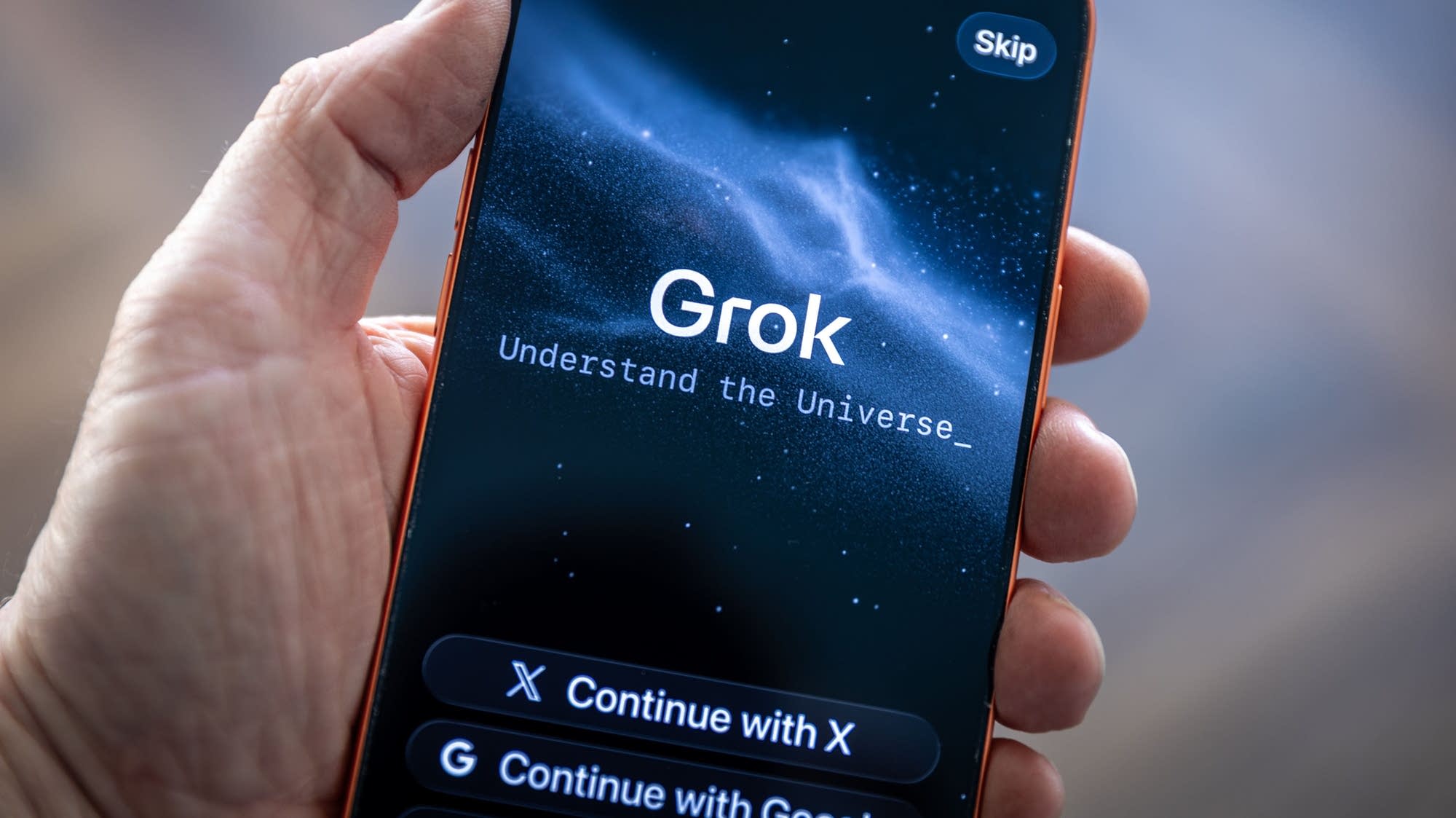
In this photo illustration a iPhone screen displaying the Grok app and logo is seen on January 7, in Bath, England. Anna Barclay | Getty Images
Photograph: MPR News (embedded from source)
What this story says
- The 8th US Circuit Court of Appeals issued an order halting Minnesota’s AI “nudification” law.
- The law, effective 1 August, bans creation of realistic nude images of identifiable individuals not shown in original photos.
- Judge Donovan Frank previously ruled that xAI had not shown irreparable harm and had delayed seeking emergency relief.
- xAI argues the ban violates free‑speech rights and the court granted its request for an injunction.
Who covered it
Percentages are shares of the 8 outlets carrying a published leaning rating. 1 of the 9 outlets we know ran this story carry no rating and are not counted in them. Coverage measured .
Trust
78/100
Craft
77/100
Hype
15/100
9 sources · methodology
Thin on the left so far
Only 1 of the 8 outlets with a published leaning rating that ran this story are rated left.
This story is still being watched, so it is a count and not yet a finding. Coverage keeps arriving for hours after an event, and a side that has published nothing this morning may publish by tonight. If it is still true when we stop checking, we will say so plainly.
On 2 October 2026 the St. Louis‑based 8th US Circuit Court of Appeals issued an order that temporarily stops Minnesota’s first‑in‑the‑nation ban on AI‑generated fake nude images. The injunction was granted at the request of Elon Musk’s artificial‑intelligence company xAI, which is pursuing a lawsuit that claims the law infringes constitutional free‑speech protections.
Minnesota’s anti‑nudification statute, which took effect on 1 August, prohibits website operators, software developers and other parties from allowing users to create realistic images that depict intimate body parts of an identifiable person when those parts are not shown in the original photograph. The state introduced the measure to combat what it described as a “staggering amount” of child sexual‑abuse material generated by AI tools.
U.S. District Judge Donovan Frank had earlier ruled that xAI had not demonstrated it would suffer irreparable harm and that the company had waited too long to seek emergency relief. In its appeal, xAI disputed the judge’s finding and said its Grok Imagine tool includes “rigorous protections” against creating nudified or sexualised images of real people.
What the coverage left out
None of the centre‑rated digests mention Judge Donovan Frank’s earlier ruling that xAI had not shown irreparable harm and had delayed seeking emergency relief. None of the right‑rated digests mention that ruling either. Additionally, the centre and right digests omit the state’s statement that the law targets a “staggering amount” of child sexual‑abuse material generated by AI.
Still developing. We have re-checked which outlets are covering this 2 times, most recently on 3 Oct 2026, 02:45, and will add the sides that appear.
How each side covered it
Our own reading of the reporting listed below, written from the outlets’ articles rather than quoted from them. The reasoning is set out on our methodology page.
Left
1 rated outlet
- MPR News, the sole left‑rated outlet with a full report, led with the fact that xAI persuaded the appeals court to halt the law and highlighted the company’s claim that the ban restricts free speech protected by the Constitution. The article also quoted xAI’s statement that its Grok Imagine tool has “rigorous protections” against creating nudified images, and it reproduced the state’s justification that the law targets a “staggering amount” of child sexual‑abuse material.
Centre
3 rated outlets
- The centre‑rated digests (WTVB, Market Screener and Reuters) each reported that the appeals court halted Minnesota’s AI nudification ban after xAI’s lawsuit. All three noted that the law bans the creation of realistic nude images of identifiable individuals and that xAI argues the measure is unconstitutional. The digests referenced the court’s injunction but did not include the state’s comment about child‑abuse material or the detail about Judge Frank’s earlier ruling.
Right
4 rated outlets
- The right‑rated digests (The Straits Times, The Star Kuala Lumpur, Handelsblatt and Globo) all conveyed that a US federal appeals court stopped Minnesota’s law banning AI‑generated fake nude images after xAI cited free‑speech rights. Each mentioned the law’s prohibition on creating realistic nude images of identifiable people and that the court granted an injunction to xAI. None of the digests included the state’s claim about child‑abuse material or Judge Frank’s prior finding on irreparable harm.
Questions about this coverage
- How did the left and right cover US appeals court halts Minnesota law banning AI‑generated nude images?
- Of the 8 outlets on this story carrying a published leaning rating, 13% are rated left, 37% are rated centre, 50% are rated right. Those percentages are shares of the rated outlets, not of every outlet that ran it, which was 9. The sections above set out what each side emphasised, in its own terms.
- Is US appeals court halts Minnesota law banning AI‑generated nude images left or right?
- Too few of the outlets on this story carry a published leaning rating to say. 8 of them do, and this site does not characterise a field under 12: at that size one newsroom filing moves the share by ten points. The percentages above are the count as it stands.
- Is the coverage of US appeals court halts Minnesota law banning AI‑generated nude images biased?
- US appeals court halts Minnesota law banning AI‑generated nude images is one event reported by 9 outlets, and this page does not rate the story as biased or unbiased. What it publishes is the spread: which outlets ran it, where named rating organisations place each of them on the spectrum, and what each side chose to lead with. A leaning rating describes an outlet's record over time, not this article, and the two should not be run together.
- Which side is not reporting US appeals court halts Minnesota law banning AI‑generated nude images?
- When we first saw this story, outlets rated left had barely covered it. Coverage accretes for hours after an event, so that is where to look rather than a verdict — the split above is the current count, and it is the one to read.
- Which outlets covered US appeals court halts Minnesota law banning AI‑generated nude images?
- 9 that we know of, every one of them listed further up this page with a link to its own report and to what we hold on the publisher. Nothing here is a summary of somebody else's summary: the outlets are named so the original reporting can be read.
- What did the appeals court order?
- The 8th US Circuit Court of Appeals issued an injunction that temporarily halts enforcement of Minnesota’s AI nudification law, stopping the ban on creating realistic nude images of identifiable individuals while the lawsuit proceeds.
- What does Minnesota’s law prohibit?
- The law, effective 1 August, bars website operators, software developers and similar parties from allowing users to generate realistic images that depict intimate body parts of an identifiable person when those parts are not present in the original photograph.
- Why did xAI challenge the law?
- xAI argues that the ban infringes constitutional free‑speech rights, claiming the restriction limits lawful expression and that its own AI tool includes safeguards to prevent creation of non‑consensual nudified images.
- What did Judge Donovan Frank rule earlier in the case?
- Judge Donovan Frank previously found that xAI had not demonstrated it would suffer irreparable harm and that the company had waited too long to seek emergency relief, a finding the appeals court later set aside when granting the injunction.
Read it at the source
9 outlets, grouped by the leaning a published rating gives them. Every headline links to the original; an underlined outlet name opens our profile of that publisher.
Left
1Centre
3- US appeals court blocks Minnesota’s AI ‘nudification’ law for now in XAI lawsuit (opens WTVB in a new tab)
- US appeals court blocks Minnesota's AI 'nudification' law for now in XAI lawsuit (opens Market Screener in a new tab)
Market Screener — is Market Screener biased? Our profile of this outlet
- US appeals court blocks Minnesota law barring 'nudified' photos in XAI lawsuit (opens Reuters in a new tab)
Right
4- US appeals court blocks Minnesota AI nudification law (opens The Straits Times in a new tab)
The Straits Times — is The Straits Times biased? Our profile of this outlet
- US appeals court blocks Minnesota law barring 'nudified' photos in XAI lawsuit (opens The Star Kuala Lumpur in a new tab)
The Star Kuala Lumpur — is The Star Kuala Lumpur biased? Our profile of this outlet
- Artificial Intelligence: US Court Temporarily Stops AI Naked Image Prohibition by Musks xAI (opens Handelsblatt in a new tab)
Handelsblatt — is Handelsblatt biased? Our profile of this outlet
- U.S. Justice Overthrows State Law Banning AI-Made Nudes (opens Globo in a new tab)
Not rated
1How did this read?
About the coverage, not about the story. We do not ask whether you agree with what happened — we have no honest use for that answer.
More in Science & Tech
All Science & Tech →

Elsewhere on the site
 Politics•4 min readJudge David S. Leibowitz rules federal non‑citizen voting ban unconstitutional in case of Jamaican national Chelsea Cox
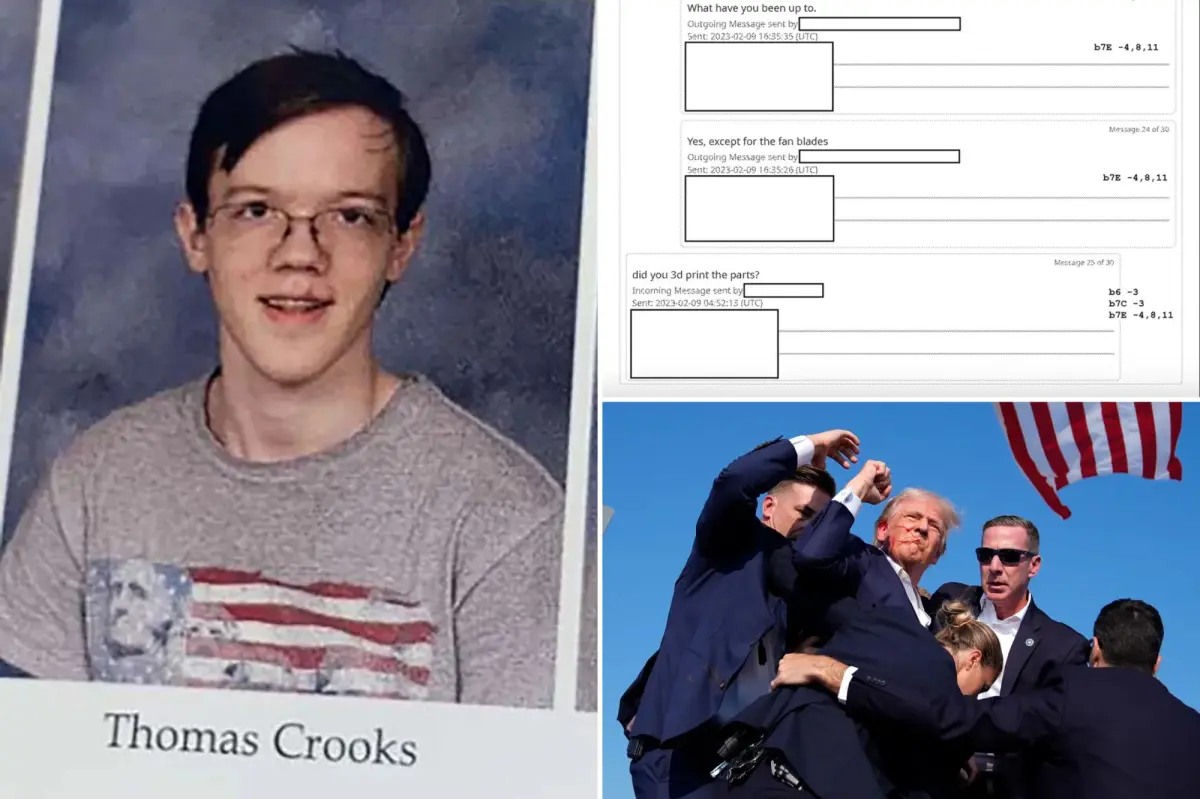 Conflict & Security•3 min readThomas Crooks texted about 3D‑printed gun parts and drone photos
 Health•3 min readFDA closes lettuce parasite probe after finding cyclospora at Mexican farm
 Media•3 min readJared Kushner disputes CNN report on Middle East work and investments