East German espionage boosted economy by 7.4%, study finds
New research uses secret archives to quantify the impact of Stasi intelligence gathering on GDR industry.
AI-assisted coverage comparison, editor-supervised · How this was made
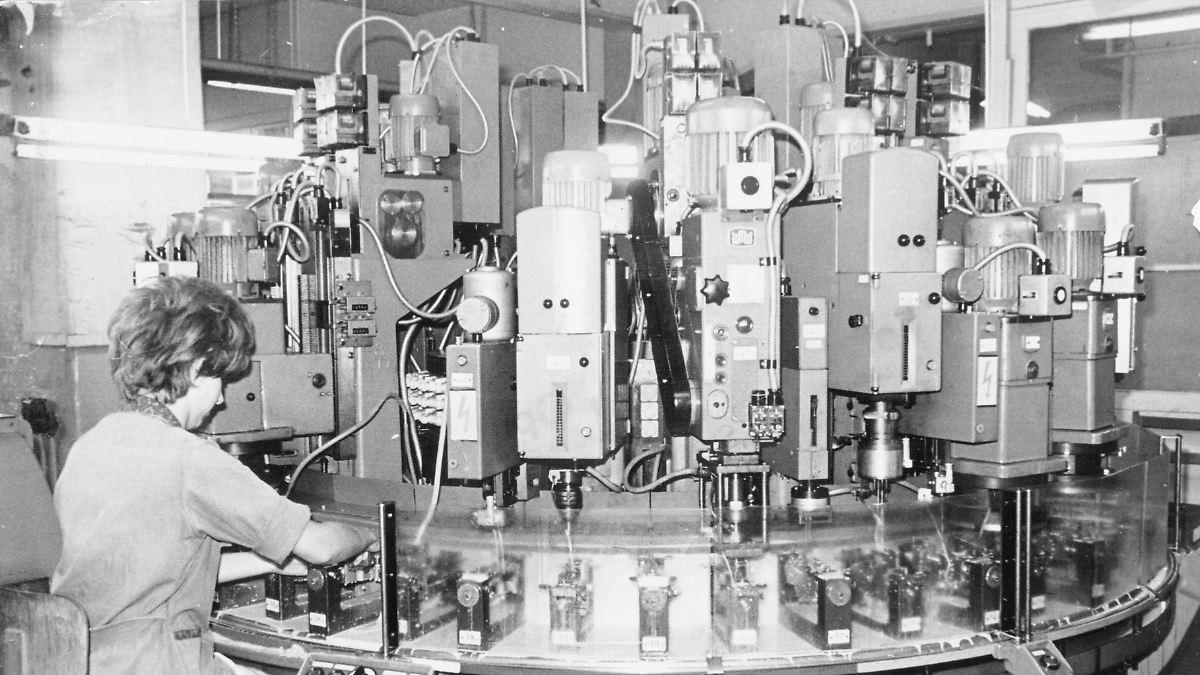
Die DDR spionierte gezielt West-Unternehmen aus. (Foto: picture alliance / Archiv Sächsische Zeitung)
Photograph: n-tv (embedded from source)
What this story says
- East German economic espionage in the West increased the country's economic output by 7.4 percent in 1988, according to a study by the Rockwool Foundation Berlin.
- Industry value creation in the GDR was 22.3 percent higher due to espionage, resulting in 20.2 billion GDR-Mark or 4.1 billion Euros (in 2020 prices).
- Companies that received espionage information had better chances of surviving the transition to a market economy after reunification.
- The study's findings have current relevance for export controls, industrial policy, and technological competition, particularly in relation to China.
Who covered it
Percentages are shares of the 7 outlets carrying a published leaning rating. 1 of the 8 outlets we know ran this story carry no rating and are not counted in them. Coverage measured .
Trust
60/100
Craft
60/100
Hype
40/100
8 sources · methodology
Thin on the left so far
None of the 7 outlets with a published leaning rating that ran this story are rated left.
This story is still being watched, so it is a count and not yet a finding. Coverage keeps arriving for hours after an event, and a side that has published nothing this morning may publish by tonight. If it is still true when we stop checking, we will say so plainly.
Economic espionage conducted by East Germany in the West significantly boosted the country's economic performance, a new study has found. Research by the Rockwool Foundation Berlin calculated that this intelligence gathering increased the GDR's overall economic output by 7.4 percent in 1988. Industry value creation was found to be 22.3 percent higher as a direct result of espionage in the same year.
The value created through this espionage amounted to 20.2 billion GDR-Mark, equivalent to 4.1 billion Euros in 2020 prices. The study's authors utilised previously inaccessible secret service archives and newly digitised company records to trace the flow of espionage information from its Western sources to its end recipients within the East German economy. The findings suggest that companies which benefited from valuable espionage intelligence were better positioned to navigate the economic transition to a market economy following German reunification.
Albrecht Glitz, a project leader for the study from the University of Pompeu Fabra in Barcelona, stated that while Stasi espionage strengthened the GDR's position within the Soviet bloc, it did not substantially improve its success in Western markets. He also noted that firms receiving useful espionage data experienced faster productivity growth, increased investment in capital stock, greater reliance on intermediate goods, and more focused specialisation in their core products. These advantages then spread through supplier and customer networks, amplifying the overall economic gains.
The study's co-author, Adrian Lerche from the Institute for Employment Research in Nuremberg, highlighted the contemporary relevance of these historical findings. He indicated that the underlying issues concerning export controls, industrial policy, intellectual property protection, and technological competition remain significant today, particularly in the context of global technological competition.
Disagreement on espionage's impact on Western markets
Albrecht Glitz, a project leader for the study, stated that the espionage "improved however not essentially the success on West-Markets" according to the n-tv report. The digest from finanzmarktwelt.de mentions that "West-based technology know-how provided GDR businesses with measurable advantages" without specifying market success. The digest from Welt notes that "The GDR not only copied the West, it had it spyed on" and that "this significantly increased its economic performance, and gave some companies a head start."
What the coverage left out
None of the right-rated reports or the centre-rated report mentioned the specific figure of 4.1 billion Euros (in 2020 prices) for the value creation attributed to espionage. The right-rated reports also did not mention the specific figure of 20.2 billion GDR-Mark.
Still developing. We have re-checked which outlets are covering this 1 time, most recently on 27 Sept 2026, 15:15, and will add the sides that appear.
How each side covered it
Our own reading of the reporting listed below, written from the outlets’ articles rather than quoted from them. The reasoning is set out on our methodology page.
Left
0 rated outlets
No outlet rated left has run this story so far. We are still checking, and will say plainly if that does not change.
Centre
2 rated outlets
- The centre-rated report led with the headline figure that East German espionage raised GDP by 7.4% in the late 1980s. It carried the finding that the Rockwool Foundation study calculated this increase due to extensive Cold War economic espionage in the 1970s and 1980s. The report attributed the information to Reuters.
Right
5 rated outlets
- Right-rated reports led with headlines stating that espionage significantly increased the economic performance of the GDR. The n-tv report, which was a full report, detailed that the Stasi's espionage resulted in billions in profits and that companies receiving information had better survival chances post-reunification. It quoted project leader Albrecht Glitz and co-author Adrian Lerche on the findings and their current relevance, specifically mentioning China in relation to industrial policy and technological competition. Handelsblatt and Die Presse also highlighted the 7.4 percent GDP increase and the 22.3 percent higher industry value creation, respectively. Welt's report focused on how espionage caused the GDR economy to boom and what this means for dealing with China today. Frankfurter Allgemeine's digest noted that the Stasi provided valuable information that increased value creation by billions and mentioned the study's current references.
Questions about this coverage
- How did the left and right cover East German espionage boosted economy by 7.4%, study finds?
- Of the 7 outlets on this story carrying a published leaning rating, 0% are rated left, 29% are rated centre, 71% are rated right. Those percentages are shares of the rated outlets, not of every outlet that ran it, which was 8. The sections above set out what each side emphasised, in its own terms.
- Is East German espionage boosted economy by 7.4%, study finds left or right?
- Too few of the outlets on this story carry a published leaning rating to say. 7 of them do, and this site does not characterise a field under 12: at that size one newsroom filing moves the share by ten points. The percentages above are the count as it stands.
- Is the coverage of East German espionage boosted economy by 7.4%, study finds biased?
- East German espionage boosted economy by 7.4%, study finds is one event reported by 8 outlets, and this page does not rate the story as biased or unbiased. What it publishes is the spread: which outlets ran it, where named rating organisations place each of them on the spectrum, and what each side chose to lead with. A leaning rating describes an outlet's record over time, not this article, and the two should not be run together.
- Which side is not reporting East German espionage boosted economy by 7.4%, study finds?
- When we first saw this story, outlets rated left had barely covered it. Coverage accretes for hours after an event, so that is where to look rather than a verdict — the split above is the current count, and it is the one to read.
- Which outlets covered East German espionage boosted economy by 7.4%, study finds?
- 8 that we know of, every one of them listed further up this page with a link to its own report and to what we hold on the publisher. Nothing here is a summary of somebody else's summary: the outlets are named so the original reporting can be read.
- How much did East German espionage increase the country's economic output?
- A study by the Rockwool Foundation Berlin found that East German economic espionage in the West increased the country's economic output by 7.4 percent in 1988. This espionage also led to industry value creation being 22.3 percent higher.
- What was the financial value of the espionage to the GDR economy?
- The espionage resulted in 20.2 billion GDR-Mark in value creation. This is equivalent to 4.1 billion Euros in 2020 prices, according to the study by the Rockwool Foundation Berlin.
- What is the current relevance of the study's findings?
- The study's authors suggest the findings have current relevance for export controls, industrial policy, intellectual property protection, and technological competition. This is particularly pertinent in the context of ongoing technological competition between nations.
Read it at the source
8 outlets, grouped by the leaning a published rating gives them. Every headline links to the original; an underlined outlet name opens our profile of that publisher.
Left
0No outlet in this group ran the story.
Centre
2Right
5- GDR Study: Espionage Contributed to Significantly Higher Economic Performance (opens Frankfurter Allgemeine in a new tab)
Frankfurter Allgemeine — is Frankfurter Allgemeine biased? Our profile of this outlet
- Industry: How Espionage Caused the Economy of the GDR to Boom – and What This Means for Dealing with China Today (opens Welt in a new tab)
- Business Cycle: Study – Espionage Significantly Boosted Economic Performance of the GDR (opens Handelsblatt in a new tab)
Handelsblatt — is Handelsblatt biased? Our profile of this outlet
- Study: Espionage Significantly Boosted Economic Performance of the GDR (opens Die Presse in a new tab)
Die Presse — is Die Presse biased? Our profile of this outlet
- Study Calculates: Espionage Significantly Increased Economic Performance of the GDR (opens n-tv in a new tab)
Not rated
1How did this read?
About the coverage, not about the story. We do not ask whether you agree with what happened — we have no honest use for that answer.
More in Business & Economy
All Business & Economy →


Elsewhere on the site
 Politics•3 min readUS firm to pay €30.9m over Milan consulate worker exploitation
 Politics•3 min readPope Leo criticises France's assisted dying law
 Conflict & Security•2 min readFive migrants drown while crossing the Kupa/Kolpa river on the Croatia‑Slovenia border
 Politics•3 min readEuropean governments act on record fuel prices