FAO warns global food prices will rise by end of 2026 due to wars and El Niño
Chief economist Maximo Torero says conflicts in Iran and Ukraine and extreme weather will drive costs higher
AI-assisted coverage comparison, editor-supervised · How this was made
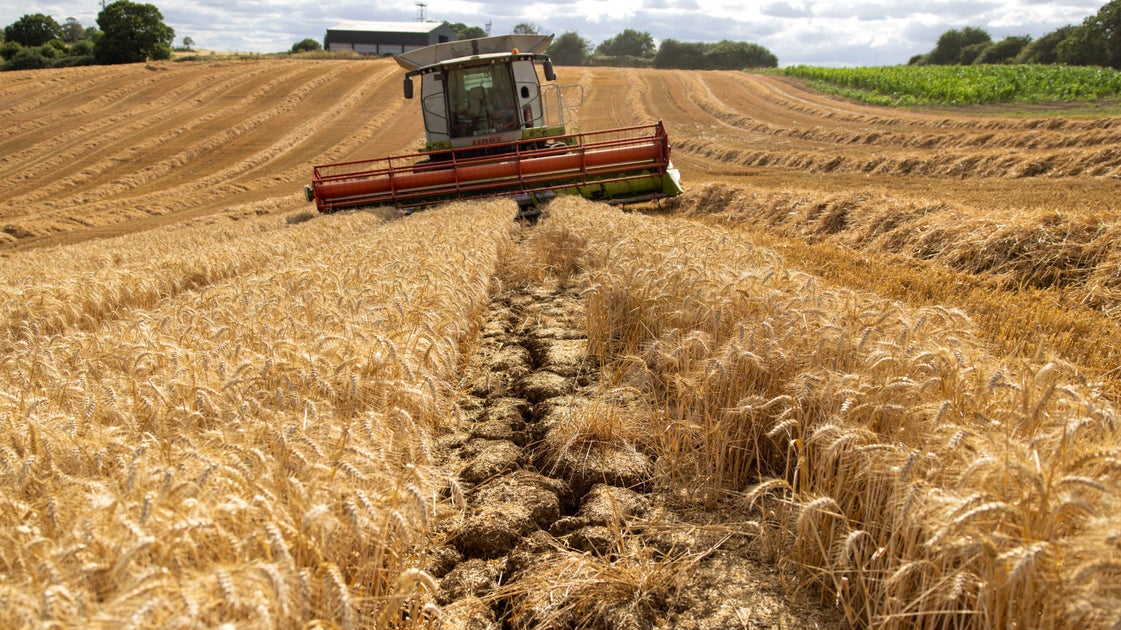
Although some commodity prices, such as wheat, maize and rice have increased in recent months, most still reflect relatively good harvests, rather than likely difficulties in the coming year.
Photograph: HuffPost (embedded from source)
What this story says
- The FAO’s chief economist, Maximo Torero, warned that global food prices will rise by the end of 2026 and increase further in 2027 due to wars in Iran and Ukraine and the El Niño weather phenomenon.
- Australia reported a 21% decline in winter crop production, attributed to higher fuel and fertiliser costs, as noted by multiple outlets.
- The U.S. Farm Bureau estimates farmers could lose $32 billion in 2027 without federal assistance, a figure cited by HuffPost.
- Outlets disagreed on whether the price surge had already begun, with the Financial Post reporting a three-year high in July, while others focused on future projections.
Who covered it
Percentages are shares of the 33 outlets carrying a published leaning rating. 21 of the 54 outlets we know ran this story carry no rating and are not counted in them. Coverage measured .
Trust
64/100
Craft
95/100
Hype
30/100
54 sources · methodology
Thin on the left so far
Only 6 of the 33 outlets with a published leaning rating that ran this story are rated left.
This story is still being watched, so it is a count and not yet a finding. Coverage keeps arriving for hours after an event, and a side that has published nothing this morning may publish by tonight. If it is still true when we stop checking, we will say so plainly.
The United Nations Food and Agriculture Organization (FAO) warned that global food prices will rise by the end of 2026 and continue increasing in 2027. Maximo Torero, the FAO’s chief economist, attributed the surge to wars in Iran and Ukraine, the El Niño weather phenomenon, and rising costs for fuel and fertiliser. Torero told Reuters that the impact of these factors would become visible in consumer prices within three to six months.
Australia, one of the world’s largest crop exporters, reported a 21% decline in winter crop production, linked to higher fuel and fertiliser prices. The FAO also noted that disruptions in the Strait of Hormuz, a key shipping route, would affect agricultural inputs such as oil and natural gas, which are used for pumping, packaging, and fertiliser production. In the U.S., the Farm Bureau estimated that farmers could lose $32 billion in 2027 without federal assistance, with every major crop projected to remain below breakeven.
El Niño’s impact on rainfall patterns was highlighted as a significant risk, with India’s monsoon already delayed and below-average rainfall expected. Torero warned that the combination of these factors could push tens of millions into acute food insecurity. The FAO’s warning was corroborated by reports from outlets across Africa, Europe, and the Americas, though some focused on immediate price increases while others emphasised future projections.
When the price surge begins
Outlets disagreed on whether the food price surge had already started. The Financial Post reported that global food prices had reached a three-year high in July, citing supply fears. HuffPost, however, quoted Torero as saying that while commodity prices had begun to rise, the impact on consumer food prices would not be visible until the end of 2026. Other outlets, including Globo and IOL Portugal, focused on the FAO’s projection of price increases by the end of the year without specifying whether the rise had already begun.
What the coverage left out
None of the right-rated digests mentioned the U.S. Farm Bureau’s estimate that farmers could lose $32 billion in 2027 without federal assistance. The figure was included only in HuffPost’s report. The FAO’s specific timeline for the transmission of commodity prices to consumer costs, three to six months, was also omitted from all digests, including those rated centre and right. Only HuffPost quoted Torero’s explanation of the delay.
The FAO’s warning that tens of millions could face acute food insecurity due to El Niño and other factors was not mentioned in any of the centre or right-rated digests. The impact of the Strait of Hormuz on agricultural inputs was also left out of all digests except HuffPost’s report.
Still developing. We have re-checked which outlets are covering this 4 times, most recently on 7 Aug 2026, 18:00, and will add the sides that appear.
How each side covered it
Our own reading of the reporting listed below, written from the outlets’ articles rather than quoted from them. The reasoning is set out on our methodology page.
Left
6 rated outlets
- The left-rated reports agree that the UN Food and Agriculture Organization expects global food prices to rise by the end of 2026. All four outlets led on the combined impact of wars and El Niño on crop yields and costs.
- HuffPost’s full report included the FAO’s forecast that commodity prices would accelerate by year-end, with a three-to-six-month delay before consumer prices reflect the increase. It quoted the FAO chief economist on disruptions in the Strait of Hormuz, diesel shortages, and fertiliser constraints. The Independent and Irish Times digests noted food prices had already reached a three-year high last month.
- None of the digests from The Independent (UK and US) or the Irish Times mentioned the FAO’s projection of a $32 billion loss for US farmers in 2027 or the 21% drop in Australia’s winter crop production. These details appeared only in HuffPost’s report.
Centre
10 rated outlets
- The four centre-rated digests, Devdiscourse, The Economic Times, RTÉ, and WTVB, all led with the FAO’s warning of a fresh food price surge driven by wars in Iran and Ukraine and El Niño. Devdiscourse noted that prices were expected to rise by the end of the year and into 2027. The Economic Times and WTVB included the 21% decline in Australia’s winter crop production and the impact of tight margins on farmers’ planting decisions. RTÉ’s digest repeated the FAO’s description of a "perfect storm" of higher costs and lower yields.
- None of the centre-rated digests mentioned the $32 billion potential loss for U.S. farmers or the FAO’s specific timeline for the transmission of commodity prices to consumer costs. The Economic Times and WTVB both noted that the combination of factors would likely increase consumer food costs globally, but they did not quote Torero or other sources directly.
Right
17 rated outlets
- The five right-rated digests, Financial Post, Globo, Asharq AL-awsat, The Straits Times, and Times of India, led with the immediate or near-term impact of the food price surge. The Financial Post reported that global food prices had already hit a three-year high in July due to supply fears. Globo framed the issue as a worsening scenario for consumers, with its headline: "If Going to the Market Already Weighs in the Pocket, Scenario Must Get Worse, Previews UN."
- Asharq AL-awsat and The Straits Times repeated the FAO’s warning of a "perfect storm" of higher costs and lower yields, while the Times of India noted that prices may rise by the end of the year and into 2027. The Times of India and Asharq AL-awsat both included the 21% decline in Australia’s winter crop production. None of the right-rated digests mentioned the $32 billion potential loss for U.S. farmers or the FAO’s concern about the Strait of Hormuz’s impact on agricultural inputs.
Read it at the source
54 outlets, grouped by the leaning a published rating gives them. Every headline links to the original; an underlined outlet name opens our profile of that publisher.
Left
6- Global food prices edge up in July amid heat waves, regional conflicts: FAO (opens CGTN in a new tab)
- Global food prices hit three-year high on back of conflict and extreme weather (opens Irish Times in a new tab)
Irish Times — is Irish Times biased? Our profile of this outlet
- Food System More Unstable Due to Wars and Extreme Weather, Warns UN Organization (opens NRC Handelsblad in a new tab)
NRC Handelsblad — is NRC Handelsblad biased? Our profile of this outlet
- World food prices soar to three-year high amid conflicts and extreme weather (opens The Independent (US) in a new tab)
The Independent (US) — is The Independent (US) biased? Our profile of this outlet
- World food prices soar to three-year high amid conflicts and extreme weather (opens The Independent in a new tab)
The Independent — is The Independent biased? Our profile of this outlet
- U.N. Warns 3 Global Crises Are About To Push Food Prices Higher (opens HuffPost in a new tab)
Centre
10- Global food prices hit 3-year high as supply fears build (opens Transport Topics in a new tab)
Transport Topics
- World food prices hit 3-year high in July as weather and war weigh: UN (opens CTV News in a new tab)
- Worldwide Food Prices - UN Index at the Highest Level Since the Beginning of 2023 (opens Deutschlandfunk in a new tab)
Deutschlandfunk — is Deutschlandfunk biased? Our profile of this outlet
- Global Food Prices Hit Three-Year High as Supply Fears Build (opens Bloomberg in a new tab)
- Fao, Food Prices +0.6% in a Month, Hot Impact and Wars (opens ANSA in a new tab)
- World faces fresh food price surge, FAO warns | Science-Environment (opens Devdiscourse in a new tab)
Devdiscourse — is Devdiscourse biased? Our profile of this outlet
- World faces fresh food price surge, FAO warns (opens Reuters in a new tab)
- World faces fresh food price surge, FAO warns (opens The Economic Times in a new tab)
The Economic Times — is The Economic Times biased? Our profile of this outlet
Right
17- Global Food Prices Rise Again Amid Heatwaves and War, Reach Highest in Three and a Half Years (opens 연합뉴스-Yonhap News Agency in a new tab)
연합뉴스-Yonhap News Agency — is 연합뉴스-Yonhap News Agency biased? Our profile of this outlet
- Global Food Prices Hit Three-Year High As War, Chokepoint Chaos And El Nino Spark Perfect Storm (opens ussanews.com in a new tab)
ussanews.com — is ussanews.com biased? Our profile of this outlet
- Global Food Prices Edge Up as Cereals, Sugar and Edible Oils Turn Costlier: FAO (opens Latestly in a new tab)
- World food prices hit 3-year high in July as weather, war weigh (opens Free Malaysia Today News in a new tab)
Free Malaysia Today News — is Free Malaysia Today News biased? Our profile of this outlet
- Global Food Prices Hit Three-Year High As War, Chokepoint Chaos And El Nino Spark Perfect Storm (opens Nemos News Network in a new tab)
Nemos News Network — is Nemos News Network biased? Our profile of this outlet
- Sugar, Cereals, oils... Geopolitical and Climatic Upheavals Caused Food Prices to Jump in July (opens Le Figaro in a new tab)
- Weather, war send global food prices to over 3-year high in July (opens Daily Sabah in a new tab)
Daily Sabah — is Daily Sabah biased? Our profile of this outlet
- Heat and Energy Raise World Food Prices in July (opens Observador in a new tab)
Observador — is Observador biased? Our profile of this outlet
Show 9 more
- Food: UN Index for Food Prices at the Highest Level Since 2023 (opens Handelsblatt in a new tab)
Handelsblatt — is Handelsblatt biased? Our profile of this outlet
- World heading towards hunger crisis? FAO warns extreme weather and global conflict pushing food prices to record highs (opens The News in a new tab)
- Food Prices Highest in over Three Years Due to Wars and Weather (opens Reformatorisch Dagblad in a new tab)
Reformatorisch Dagblad — is Reformatorisch Dagblad biased? Our profile of this outlet
- Global Food Prices Hit Three-Year High as Supply Fears Build (opens Financial Post in a new tab)
Financial Post — is Financial Post biased? Our profile of this outlet
- Global Food Prices Hit Three-Year High As War, Chokepoint Chaos And El Nino Spark Perfect Storm (opens Zero Hedge in a new tab)
Zero Hedge — is Zero Hedge biased? Our profile of this outlet
- If Going to the Market Already Weighs in the Pocket, Scenario Must Get Worse, Previews UN (opens Globo in a new tab)
- World Faces Fresh Food Price Surge, FAO Warns (opens Asharq AL-awsat in a new tab)
Asharq AL-awsat — is Asharq AL-awsat biased? Our profile of this outlet
- Food price surge looms, UN agency warns (opens The Straits Times in a new tab)
The Straits Times — is The Straits Times biased? Our profile of this outlet
- World faces fresh food price surge, FAO warns (opens Times of India in a new tab)
Times of India — is Times of India biased? Our profile of this outlet
Not rated
21- Food prices edged up in July amid heatwaves and energy price hikes (opens UN News in a new tab)
- Foods, at the Highest Price in the Last Three Years. Canicula and Wars Push the Costs (opens Stirile Antena 1 Observator in a new tab)
Stirile Antena 1 Observator — is Stirile Antena 1 Observator biased? Our profile of this outlet
- Impact of War and Climate Crisis on Food Prices: Reaches Highest Level in 3 Years. (opens gazetepencere.com in a new tab)
gazetepencere.com — is gazetepencere.com biased? Our profile of this outlet
- Food Prices in the World Are at Their Highest in Years. UN Data Released (opens Business Insider (Poland) in a new tab)
Business Insider (Poland) — is Business Insider (Poland) biased? Our profile of this outlet
- UN Food and Agriculture Organization: July Food Price Index Hits Three-Year High (opens 大纪元 Epoch Times in a new tab)
大纪元 Epoch Times — is 大纪元 Epoch Times biased? Our profile of this outlet
- FAO Price Index Increased in July Due to Heat (opens Efeagro Información agroalimentaria in a new tab)
Efeagro Información agroalimentaria
- World Food Prices at Three-Year High, FAO Finds (opens Česká televize in a new tab)
Česká televize — is Česká televize biased? Our profile of this outlet
- Heat and Energy Trigger Food Prices: See What Stand Out (opens Noticias ao Minuto in a new tab)
Noticias ao Minuto — is Noticias ao Minuto biased? Our profile of this outlet
Show 13 more
- World Food Prices Are Rising to the Highest Level in Three Years. (opens aljarida.com in a new tab)
aljarida.com
- Wars and Extreme Weather Events Push Food Prices up. FAO Reports a New Peak of the Last Three Years (opens Stirile Pro TV in a new tab)
Stirile Pro TV — is Stirile Pro TV biased? Our profile of this outlet
- Food: Prices Will Blaze by 2027, FAO Warns (opens economiematin.fr in a new tab)
economiematin.fr — is economiematin.fr biased? Our profile of this outlet
- Extreme heat threatens Africa’s farmers and food production, FAO-WMO report warns (opens Farmers Review Africa in a new tab)
Farmers Review Africa
- Food and Agriculture Organization of the United Nations (FAO) Strengthens Agricultural Statistics Across Africa to Support Better Decisions on Food and Agriculture (opens Social News XYZ in a new tab)
Social News XYZ — is Social News XYZ biased? Our profile of this outlet
- World faces fresh food price surge due to conflicts, El Nino, FAO warns (opens Global Business Outlook in a new tab)
Global Business Outlook
- WORLD FACES FRESH FOOD PRICE SURGE, FAO WARNS (opens independentpress.cc in a new tab)
independentpress.cc — is independentpress.cc biased? Our profile of this outlet
- El Niño and Wars Threaten the Price of Food in Brazil (opens A TARDE in a new tab)
- Wars and El Niño Will Raise Food Prices by the End of the Year (opens IOL Portugal in a new tab)
IOL Portugal — is IOL Portugal biased? Our profile of this outlet
- UN Expects World Food Prices to Rise. Wars and El Niño Affect Harvests (opens Hospodárske Noviny in a new tab)
Hospodárske Noviny — is Hospodárske Noviny biased? Our profile of this outlet
- FAO Warns of a New Episode of Food Inflation From Wars and El Niño (opens El Economista in a new tab)
El Economista — is El Economista biased? Our profile of this outlet
- Food: World Will Face New High Prices, Says FAO - 05/08/2026 (opens Folha de S.Paulo in a new tab)
Folha de S.Paulo — is Folha de S.Paulo biased? Our profile of this outlet
- El Niño Will Bring Heat Waves and in October, Warns Experts of the World Meteorological Organization (opens Adevarul in a new tab)
How did this read?
About the coverage, not about the story. We do not ask whether you agree with what happened — we have no honest use for that answer.
More in Business & Economy
All Business & Economy →


Elsewhere on the site
 Conflict & Security•4 min readADNOC reports 15 vessel attacks in Strait of Hormuz, one crew member killed
 Conflict & Security•4 min readUN human rights experts say US sanctions risk turning Cuba into 'silent Gaza'
 Conflict & Security•4 min readIran’s parliament considers blocking US and Israeli ships from Strait of Hormuz
 Conflict & Security•4 min readUS and Ukraine still negotiating Patriot missile production licence