US imposes 100% tariffs on Chinese drones to curb imports
Tariffs target drones over 25 kilograms and those with thermal imaging, aiming to reduce reliance on China’s DJI
AI-assisted coverage comparison, editor-supervised · How this was made
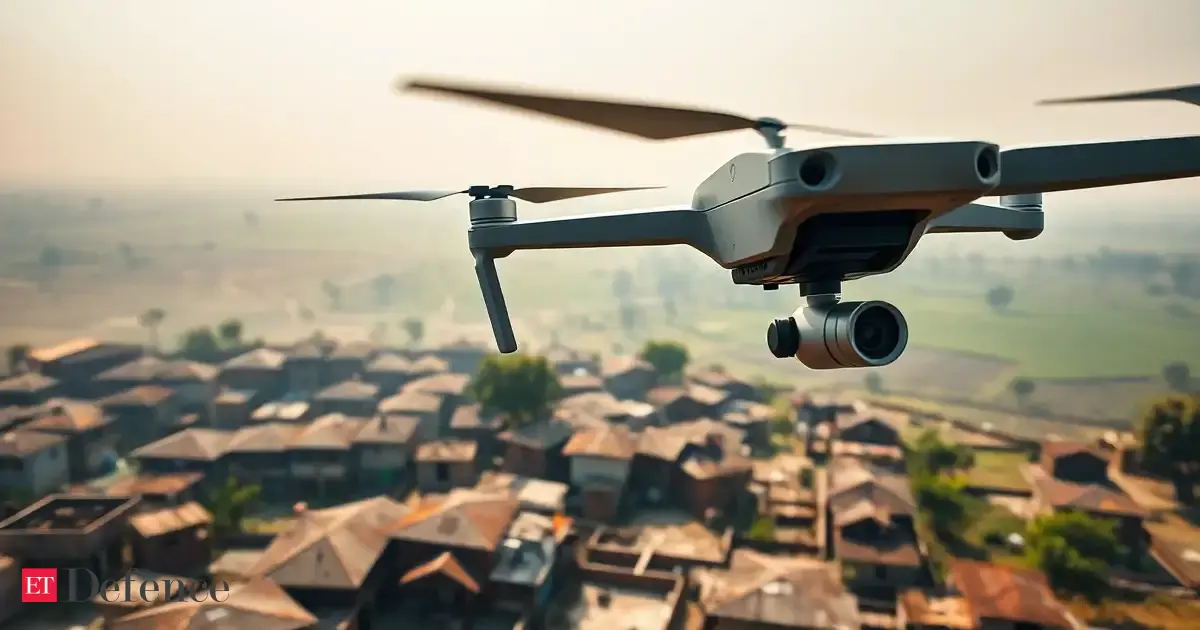
Representative AI image
Photograph: Times of India (embedded from source)
What this story says
- US tariffs of up to 100% on drones and components took effect on 3 September 2026, targeting imports from China.
- Drones weighing over 25 kilograms or equipped with thermal imaging face a 100% tariff; smaller drones are subject to a lower duty.
- The tariffs aim to reduce US reliance on Chinese drone imports, particularly from market leader DJI.
- China protested the move, calling it disruptive to global supply chains and unfair to competition.
Who covered it
Percentages are shares of the 30 outlets carrying a published leaning rating. 18 of the 48 outlets we know ran this story carry no rating and are not counted in them. Coverage measured .
Trust
62/100
Craft
95/100
Hype
10/100
48 sources · methodology
Missing from the left
Only 10 of the 30 outlets with a published leaning rating that ran this story are rated left.
A reader who follows the left would not have seen this. We report the absence rather than explain it: outlets choose what to cover for many reasons, and we have no evidence about which one applies here.
The US imposed tariffs of up to 100% on drones and certain components on 3 September 2026. The duties target drones weighing more than 25 kilograms, those with thermal imaging capabilities, and docking stations. Smaller drones face a lower tariff. The measures were signed into effect by President Donald Trump in August, with the stated goal of reducing US dependence on Chinese drone imports and addressing national security concerns.
China’s DJI, which holds over two-thirds of the global drone market, is the primary target of the tariffs. The company has been on a US list of Chinese firms linked to the country’s military since 2022, restricting its access to US technology. China’s commerce ministry opposed the tariffs, arguing they would disrupt global supply chains and undermine fair competition.
What the coverage left out
No left- or centre-rated outlet ran this story. None of the right-rated digests mentioned that some drone components will face tariffs only from February 2027, a detail included in the Times of India’s full report.
Coverage settled. We checked this 17 times and stopped on 8 Sept 2026, 13:45. The figures above are what it finished at.
How each side covered it
Our own reading of the reporting listed below, written from the outlets’ articles rather than quoted from them. The reasoning is set out on our methodology page.
Left
10 rated outlets
- The left‑rated outlets reported that President Donald Trump announced tariffs of up to one hundred percent on imported drones and related components. La Presse and the digests from The Seattle Times, Vanguard News, Global News, Zeit Online, Le Monde, The Korea Times, TVA Nouvelles, CartaCapital, rbc.ua and Radio‑Canada all led on the high tariff level and the aim of curbing Chinese dominance in the market.
- La Presse’s full report added that the proclamation sets a one hundred percent duty on drones weighing more than twenty‑five kilograms, equipped with thermal cameras, docking stations or certain components, while a twenty‑five percent duty applies to smaller models. It quoted Trump’s claim that the measure protects U.S. national security, encourages domestic production and reduces dependence on foreign suppliers, and noted DJI’s two‑thirds global market share.
- The digests did not mention the weight threshold, the reduced twenty‑five percent rate for smaller drones, the 3 September implementation date, the specific quote about national‑security protection, or DJI’s market‑share figure. Those details appear only in La Presse’s full article.
Centre
10 rated outlets
- All twelve centre‑rated outlets reported that the United States imposed a 100 percent tariff on certain imported drones. Euronews and ANSA supplied full articles; the remaining ten appeared as digests that summarised the proclamation and the White House announcement.
- Euronews reported that drones weighing more than 25 kg, as well as those equipped with thermal imaging or docking stations, are subject to the full 100 percent tariff, while smaller drones face a 25 percent duty and that limited duties on some components start on 9 February 2027. ANSA stated that the tariffs apply to drones of certain sizes or capabilities considered sensitive to national security and to selected critical components.
- Digest summaries from France 24, La Libre, CTV News, UPI and The Japan Times said the measures aim to reduce dependence on suppliers and singled out China’s dominance, mentioning DJI as the leading producer. Jerusalem Post and Naver added that a 15 percent tariff applies to drones from EU, Japan, South Korea, Switzerland and Taiwan. None of the centre digests mention any cost estimate for the tariffs, and only Euronews provides February 9 date for duties.
Right
10 rated outlets
- All six right-rated digests led on the tariffs taking effect and the US government’s stated aim of reducing reliance on Chinese drone imports. The Times of India’s full report, the only right-rated article in the material, detailed the tariff rates and the specific categories of drones affected. It also included China’s protest and DJI’s dominance of the global market.
- The right-rated digests carried the tariffs’ national security justification, as reported by ARY News and Free Malaysia Today. Le Figaro and Business Times framed the move as an effort to boost domestic production. None of the right-rated digests mentioned the delayed implementation of tariffs on some drone components, which the Times of India reported will take effect in February 2027.
Questions about this coverage
- How did the left and right cover US imposes 100% tariffs on Chinese drones to curb imports?
- Of the 30 outlets on this story carrying a published leaning rating, 33% are rated left, 34% are rated centre, 33% are rated right. Those percentages are shares of the rated outlets, not of every outlet that ran it, which was 48. The sections above set out what each side emphasised, in its own terms.
- Is US imposes 100% tariffs on Chinese drones to curb imports left or right?
- Neither side dominates it. Of the 30 rated outlets on this story, 33% are rated left, 34% are rated centre, 33% are rated right, and no side holds the 70% this site would want before calling a field one-sided. A story is not left or right in any case; the outlets that carried it are what carry ratings.
- Is the coverage of US imposes 100% tariffs on Chinese drones to curb imports biased?
- US imposes 100% tariffs on Chinese drones to curb imports is one event reported by 48 outlets, and this page does not rate the story as biased or unbiased. What it publishes is the spread: which outlets ran it, where named rating organisations place each of them on the spectrum, and what each side chose to lead with. A leaning rating describes an outlet's record over time, not this article, and the two should not be run together.
- Which side is not reporting US imposes 100% tariffs on Chinese drones to curb imports?
- When we first saw this story, outlets rated left had barely covered it. Coverage accretes for hours after an event, so that is where to look rather than a verdict — the split above is the current count, and it is the one to read.
- Which outlets covered US imposes 100% tariffs on Chinese drones to curb imports?
- 48 that we know of, every one of them listed further up this page with a link to its own report and to what we hold on the publisher. Nothing here is a summary of somebody else's summary: the outlets are named so the original reporting can be read.
- What drones are affected by the new US tariffs?
- Drones weighing over 25 kilograms, those with thermal imaging, and docking stations face a 100% tariff. Smaller drones are subject to a lower duty. The tariffs aim to reduce US reliance on Chinese imports, particularly from market leader DJI.
- Why did the US impose these tariffs?
- The US government cited national security concerns and a desire to reduce dependence on Chinese drone imports. President Donald Trump signed the order in August 2026, targeting China’s dominance in the global drone market.
- How did China respond to the tariffs?
- China protested the tariffs, calling them disruptive to global supply chains and unfair to competition. The commerce ministry urged the US to withdraw the duties, which target China’s DJI, the world’s largest drone manufacturer.
Read it at the source
488 outlets, grouped by the leaning a published rating gives them. Every headline links to the original; an underlined outlet name opens our profile of that publisher.
Left
85- U.S. Import Drone Tariffs Enter Into Force (opens La Jornada in a new tab)
La Jornada — is La Jornada biased? Our profile of this outlet
- Drones Are the Latest Target of US Tariffs (opens Newser in a new tab)
- U.S. Customs Duties on Imported Drones Come Into Force (opens TVA Nouvelles in a new tab)
TVA Nouvelles — is TVA Nouvelles biased? Our profile of this outlet
- US President Donald Trump imposes 100% tariff on drones (opens Semafor in a new tab)
- New U.S. tariffs on drones take effect (opens The Hindu in a new tab)
- U.S. Fees on Imported Marches Come Into Effect. (opens aljazeera.net in a new tab)
aljazeera.net — is aljazeera.net biased? Our profile of this outlet
- The US Cannot Meet Domestic Demand for Drones on Its Own (opens fakti.bg in a new tab)
- US locks on drone imports with up to 100pc tariffs (opens rthk.hk in a new tab)
Show 77 more
- US Imposes 100% Tariffs on Drones to Counter China's Dominance (opens Telegrafi in a new tab)
- Trump Puts Tariffs of Up to 100% on Foreign-Made Drones (opens The Seattle Times in a new tab)
The Seattle Times — is The Seattle Times biased? Our profile of this outlet
- Trump Orders the Navy to Return to an Older System of Launching Jets Off Aircraft Carriers (opens Marianne in a new tab)
Marianne — is Marianne biased? Our profile of this outletOpinion
- President Grandpa To Power Aircraft Carriers With Water Wheels (opens Wonkette in a new tab)
- Trump Orders The Navy To Return To An Older System Of Launching Jets Off Aircraft Carriers (opens HuffPost in a new tab)
- Trump orders Navy to use older steam-powered catapults. See what they look like (opens USA Today in a new tab)
- Trump, the Military Expert: Now He Demands Old Steam Catapults for Aircraft Carriers (opens watson in a new tab)
- Donald Trump Wants the Steam Catapults Back Into Service on Aircraft Carriers (opens Le Monde in a new tab)
- ‘Very outdated’: Trump’s directive to revert to steam catapults on new aircraft carrier baffles naval experts (opens CNN in a new tab)
- Trump drone tariffs: Who is impacted? (opens Mashable in a new tab)
- Trump Spending Billions to Revert Aircraft Carriers to Steam Catapults, Which Are 15+ Years Out of Date (opens Truthout in a new tab)
- WTFing the Carrier Fleet (opens Lawyers, Guns & Money in a new tab)
Lawyers, Guns & Money — is Lawyers, Guns & Money biased? Our profile of this outletOpinion
- Trump Declares the Few Drones You Can Still Buy Will Cost Way More (opens Gizmodo in a new tab)
- US tariffs give Taiwan competitive drone edge (opens Taipei Times in a new tab)
Taipei Times — is Taipei Times biased? Our profile of this outlet
- Donald Trump Reverses and Imposes the Return of Steam Catapults on Aircraft Carriers: a Choice that Could Cost Several Billions of Dollars (opens La Dépêche du Midi in a new tab)
La Dépêche du Midi — is La Dépêche du Midi biased? Our profile of this outlet
- Trump's been railing against the electromagnetic catapults on the Navy's newest carriers for years. Now, he's pushing a return to steam. (opens Business Insider in a new tab)
Business Insider — is Business Insider biased? Our profile of this outlet
- Trump Slaps New 25% Tariff on Small Drones, 100% on Thermal Imaging Drones (opens PC Mag in a new tab)
- "Not the Force": Now Trump Wants the Return of Steam Catapults (opens t-online in a new tab)
- Trump's drone tariffs hit 100%, Europe capped at 15% (opens TNW in a new tab)
- Drone stocks rally after Trump orders tariffs on foreign-made components (opens CNBC in a new tab)
- Trump Makes a Move that Will Shake the Markets: Up to 100% Tariffs on Drone Trade Are on the Way. (opens Cumhuriyet in a new tab)
Cumhuriyet — is Cumhuriyet biased? Our profile of this outlet
- Trump Orders Navy to Spend Billions Ripping Out a New Tech System (opens The New Republic in a new tab)
The New Republic — is The New Republic biased? Our profile of this outlet
- Trump Imposes 100 Percent Tariff on Imports of Drones and Drone Parts (opens 444.hu in a new tab)
- Trump Wants to Return to the Steam Catapults on Aircraft Carriers: the Operation Will Cost Billions of Dollars (opens Il Fatto Quotidiano in a new tab)
Il Fatto Quotidiano — is Il Fatto Quotidiano biased? Our profile of this outlet
- Donald Trump orders redesign of aircraft carrier, builders warn it'll cost billions and cause 'significant cost, schedule, and integration risks' (opens We Got This Covered in a new tab)
We Got This Covered — is We Got This Covered biased? Our profile of this outlet
- Trump Steps up Pressure on China: Imposes 100 Percent Tariff on Drone Imports (opens telex.hu in a new tab)
- Tariffs up to 100% on Imported Drones, Announces EU (opens La Jornada in a new tab)
La Jornada
- Trump Orders US Navy to Return Steam Catapults to Aircraft Carriers (opens unn.ua in a new tab)
- Trump orders navy to revert to steam-powered fighter launching system (opens ABC Australia in a new tab)
ABC Australia — is ABC Australia biased? Our profile of this outlet
- Trump targets drone imports with tariffs of up to 100%, including from allies (opens Ynet News in a new tab)
- Trump, Wall on Chinese Drones. Up to 100% Duties, Also Affected Commercial Products (opens La Repubblica in a new tab)
La Repubblica — is La Repubblica biased? Our profile of this outlet
- Teco to assess drone part production in U.S. after new tariff (opens Focus Taiwan in a new tab)
Focus Taiwan — is Focus Taiwan biased? Our profile of this outlet
- Trump orders Pentagon to redesign US aircraft carrier to use steam catapults to launch jets (opens Irish Times in a new tab)
Irish Times — is Irish Times biased? Our profile of this outlet
- Donald Trump: U.S. President Announces that He Will Impose up to 100% Tariffs on Drones to Support U.S. Industry (opens La Dépêche du Midi in a new tab)
La Dépêche du Midi
- Trump Imposes Tariffs on Drones (opens Novinky.cz in a new tab)
Novinky.cz — is Novinky.cz biased? Our profile of this outlet
- The U.S. Navy Is Back in the Steam Season. Why Trump Wants Trump at All Costs to Return to the Old Catapults on the Most Modern Carriers - HotNews.ro (opens Hot News in a new tab)
- Trump Wants Old Catapults Back on Aircraft Carriers as a Launch System for Fighter Jets: Price Tag up to Hundreds of Millions of Dollars (opens De Morgen in a new tab)
- Trump slaps a 100 percent tariff on heavy and 'sensitive' drones (opens Engadget in a new tab)
- USA News: USA Impose High Tariffs on Drones and Drone Components (opens Sueddeutsche Zeitung in a new tab)
Sueddeutsche Zeitung — is Sueddeutsche Zeitung biased? Our profile of this outlet
- Steam Catapults Instead of Modern System: Trump Orders Billion-Dollar Decommissioning of Aircraft Carriers (opens der Standard AT in a new tab)
der Standard AT — is der Standard AT biased? Our profile of this outlet
- Donald Trump announces tariffs of up to 100% on imported drones (opens Hong Kong Free Press in a new tab)
Hong Kong Free Press — is Hong Kong Free Press biased? Our profile of this outlet
- Trump Announces Import Tariffs of up to 100 Percent on Drones • Kennedy Center Board Wants Trump's Name Back on Facade (opens De Morgen in a new tab)
De Morgen
- US to impose tariffs on drone imports (opens CGTN in a new tab)
- Donald Trump Imposes up to 100% Customs Duties on Imported Drones (opens Le Temps in a new tab)
- Trump signs proclamations imposing new drone tariffs, orders Navy to allow shipbuilding abroad (opens ABC News in a new tab)
- Trump orders US aircraft carriers to go back to steam catapults (opens Lodinews.com in a new tab)
Lodinews.com — is Lodinews.com biased? Our profile of this outlet
- US Tariffs by Donald Trump: Imported Drones Should Be up to 100 Percent More Expensive (opens Spiegel in a new tab)
Spiegel — is Spiegel biased? Our profile of this outletOpinion
- Trump declares 100 percent tariffs on many drones and all aircraft parts (opens The Verge in a new tab)
- Trump orders the Navy to return to an older system of launching jets off aircraft carriers (opens WCSH in a new tab)
- Trump orders the Navy to return to an older system of launching jets off aircraft carriers (opens Goshen News in a new tab)
Goshen News — is Goshen News biased? Our profile of this outlet
- Trump orders Navy to return to old steam catapaults he likes, in order costing billions (opens Stuff in a new tab)
- Trump orders the Navy to return to an older system of launching jets off aircraft carriers (opens The Morning Call in a new tab)
The Morning Call — is The Morning Call biased? Our profile of this outlet
- Trump orders the Navy to return to an older system of launching jets off aircraft carriers (opens The Toronto Star in a new tab)
The Toronto Star — is The Toronto Star biased? Our profile of this outlet
- Trump orders the Navy to return to an older system of launching jets off aircraft carriers (opens The Seattle Times in a new tab)
The Seattle Times
- Trump orders the Navy to return to an older system of launching jets off aircraft carriers (opens El Paso Inc. in a new tab)
El Paso Inc. — is El Paso Inc. biased? Our profile of this outlet
- Trump orders the Navy to return to an older system of launching jets off aircraft carriers (opens Associated Press News in a new tab)
Associated Press News — is Associated Press News biased? Our profile of this outlet
- Trump orders the Navy to return to an older system of launching jets off aircraft carriers (opens The Independent in a new tab)
The Independent — is The Independent biased? Our profile of this outlet
- Trump orders the Navy to return to an older system of launching jets off aircraft carriers (opens ABC News in a new tab)
ABC News
- Trump Steam Punks The United States Navy (opens Daily Kos in a new tab)
- Donald Trump Imposes 100 % Customs Duties on Certain Drones to Counter Chinese Imports (opens Le Monde in a new tab)
Le Monde
- Customs Duties up to 100 % on Drones (opens Radio-Canada in a new tab)
Radio-Canada — is Radio-Canada biased? Our profile of this outlet
- Trump Signed an Executive Order Imposing Tariffs on Drones and Their Components. (opens rbc.ua in a new tab)
- Trump administration to impose tariffs on drone imports, White House says (opens USA Today in a new tab)
USA Today
- US Tariffs: Trump Orders High Tariffs on Drones and Their Components (opens Zeit Online in a new tab)
Zeit Online — is Zeit Online biased? Our profile of this outlet
- Trump's billion-dollar order to rip out new Navy tech hands enemies a gift: WSJ (opens Raw Story in a new tab)
- Trump announces tariffs of up to 100 pct on drones (opens rthk.hk in a new tab)
rthk.hk
- Trump slaps new tariffs on drones, including from some key U.S. allies - National (opens Global News in a new tab)
Global News — is Global News biased? Our profile of this outlet
- Trump Imposes, Through a Proclamation, Customs Duties of up to 100%, Starting From September 3rd, on Drones Imported Into the US. He Targets the Chinese Company DJI, Which Holds over Two Thirds of the World Market (opens News.ro in a new tab)
- Trump gov't announces new tariffs on drones, including 15% levy on Korea, Japan, others (opens The Korea Times in a new tab)
The Korea Times — is The Korea Times biased? Our profile of this outlet
- Trump Orders Costly Return To Steam Carrier Launchers (opens Joe.My.God. in a new tab)
Joe.My.God. — is Joe.My.God. biased? Our profile of this outlet
- Trump Announces Tariffs of up to 100% for Imported Drones (opens CartaCapital in a new tab)
CartaCapital — is CartaCapital biased? Our profile of this outlet
- Just in: Trump announces tariffs of up to 100% on imported drones (opens Vanguard News in a new tab)
Vanguard News — is Vanguard News biased? Our profile of this outlet
- Imported Drones: Trump Imposes Customs Duties of up to 100% (opens La Presse in a new tab)
- Trump orders the Navy to return to an older system of launching jets off aircraft carriers (opens WellandTribune.ca in a new tab)
WellandTribune.ca — is WellandTribune.ca biased? Our profile of this outlet
- Trump orders the Navy to return to an older system of launching jets off aircraft carriers (opens The Record in a new tab)
The Record — is The Record biased? Our profile of this outlet
- Trump orders the Navy to return to an older system of launching jets off aircraft carriers (opens The Hamilton Spectator in a new tab)
The Hamilton Spectator — is The Hamilton Spectator biased? Our profile of this outlet
- Imported Drones: Donald Trump Announces New Tariffs up to 100% (opens TVA Nouvelles in a new tab)
TVA Nouvelles
Centre
145- Trump Administration imposing new tariffs on drones (opens ABC Columbia in a new tab)
ABC Columbia — is ABC Columbia biased? Our profile of this outlet
- New tariffs target Chinese drones, but US makers still need their parts (opens Straight Arrow News in a new tab)
Straight Arrow News — is Straight Arrow News biased? Our profile of this outlet
- Trump slaps tariffs of up to 100% on drones, raising costs for US businesses (opens Business Report in a new tab)
Business Report — is Business Report biased? Our profile of this outlet
- Trump’s 100% tariff on drones will be disaster for the US, critics warn (opens Ars Technica in a new tab)
Ars Technica — is Ars Technica biased? Our profile of this outlet
- New US Tariffs on Drones Come Into Force (opens Lietuvos Radijas ir Televizija in a new tab)
- Trump drone tariffs up to 100% take effect September 2026 (opens Quartz in a new tab)
- US tariffs of up to 100% on imported drones take effect (opens aerotime.aero in a new tab)
aerotime.aero — is aerotime.aero biased? Our profile of this outlet
- Trump Puts Tariffs of Up to 100% On Foreign-Made Drones (opens Political Wire in a new tab)
Political Wire — is Political Wire biased? Our profile of this outlet
Show 137 more
- US slaps 100% tariffs on drones to counter Chinese dominance (opens Euronews in a new tab)
- US imposes 100% drone tariffs to curb China reliance (opens The Economic Times in a new tab)
The Economic Times — is The Economic Times biased? Our profile of this outlet
- The picture that sums up Trump's absurd design obsession (opens iNews in a new tab)
- Trump's aircraft carrier changes draw warnings of higher costs, delays (opens Newsweek in a new tab)
- USS John F Kennedy Begins Sea Trials as Trump Orders Steam Catapults for Next Aircraft Carrier (opens Marine Insight in a new tab)
Marine Insight — is Marine Insight biased? Our profile of this outlet
- President Trump orders the Navy to return to an older system of launching jets off aircraft carriers (opens MOR-TV in a new tab)
- President Trump orders the Navy to return to an older system of launching jets off aircraft carriers (opens KHBS in a new tab)
- President Trump orders the Navy to return to an older system of launching jets off aircraft carriers (opens WJCL in a new tab)
- President Trump orders the Navy to return to an older system of launching jets off aircraft carriers (opens KSBW in a new tab)
- President Trump orders the Navy to return to an older system of launching jets off aircraft carriers (opens WXII in a new tab)
- President Trump orders the Navy to return to an older system of launching jets off aircraft carriers (opens WGAL in a new tab)
- President Trump orders the Navy to return to an older system of launching jets off aircraft carriers (opens WPBF in a new tab)
- President Trump orders the Navy to return to an older system of launching jets off aircraft carriers (opens WAPT in a new tab)
- President Trump orders the Navy to return to an older system of launching jets off aircraft carriers (opens KOAT in a new tab)
- President Trump orders the Navy to return to an older system of launching jets off aircraft carriers (opens WVTM in a new tab)
- President Trump orders the Navy to return to an older system of launching jets off aircraft carriers (opens WMTW in a new tab)
- President Trump orders the Navy to return to an older system of launching jets off aircraft carriers (opens WBAL-TV in a new tab)
- President Trump orders the Navy to return to an older system of launching jets off aircraft carriers (opens WPTZ in a new tab)
- President Trump orders the Navy to return to an older system of launching jets off aircraft carriers (opens KMBC in a new tab)
- President Trump orders the Navy to return to an older system of launching jets off aircraft carriers (opens KETV in a new tab)
- President Trump orders the Navy to return to an older system of launching jets off aircraft carriers (opens WISN in a new tab)
- President Trump orders the Navy to return to an older system of launching jets off aircraft carriers (opens KCCI in a new tab)
- President Trump orders the Navy to return to an older system of launching jets off aircraft carriers (opens WTAE in a new tab)
- President Trump orders the Navy to return to an older system of launching jets off aircraft carriers (opens WDSU in a new tab)
- President Trump orders the Navy to return to an older system of launching jets off aircraft carriers (opens WYFF in a new tab)
- President Trump orders the Navy to return to an older system of launching jets off aircraft carriers (opens WESH in a new tab)
- President Trump orders the Navy to return to an older system of launching jets off aircraft carriers (opens Koco News5 in a new tab)
Koco News5 — is Koco News5 biased? Our profile of this outlet
- President Trump orders the Navy to return to an older system of launching jets off aircraft carriers (opens WLKY in a new tab)
- President Trump orders the Navy to return to an older system of launching jets off aircraft carriers (opens WMUR in a new tab)
- President Trump orders the Navy to return to an older system of launching jets off aircraft carriers (opens WLWT in a new tab)
- President Trump orders the Navy to return to an older system of launching jets off aircraft carriers (opens WCVB in a new tab)
- President Trump orders the Navy to return to an older system of launching jets off aircraft carriers (opens KCRA 3 in a new tab)
- US Imposes 100% Tariffs on China's Drones - Latino-News - Hispanic Newspaper (opens Latino News in a new tab)
Latino News — is Latino News biased? Our profile of this outlet
- United States: Donald Trump Demands a Return to the Old Catapult System on American Aircraft Carriers (opens Radio France Internationale in a new tab)
Radio France Internationale — is Radio France Internationale biased? Our profile of this outlet
- Trump's Order to Return to Steam Catapults on a New Aircraft Carrier Baffles Naval Experts (opens kioncentralcoast.com in a new tab)
kioncentralcoast.com — is kioncentralcoast.com biased? Our profile of this outlet
- Trump's Order to Return to Steam Catapults on a New Aircraft Carrier Baffles Naval Experts (opens KEZI 9 News in a new tab)
KEZI 9 News — is KEZI 9 News biased? Our profile of this outlet
- Trump to Navy: scrap General Atomics electric catapults and return to steam (opens Times of San Diego in a new tab)
Times of San Diego — is Times of San Diego biased? Our profile of this outlet
- US Military - Trump Wants Aircraft Carriers Equipped with Steam Catapults Again (opens Deutschlandfunk in a new tab)
Deutschlandfunk — is Deutschlandfunk biased? Our profile of this outlet
- Trump’s Flurry of National Security Policies (opens Foreign Policy in a new tab)
Foreign Policy — is Foreign Policy biased? Our profile of this outlet
- ‘Very outdated’: Trump’s directive to revert to steam catapults on new aircraft carrier baffles naval experts (opens CBS58 in a new tab)
- Trump orders Navy plan to remove carrier launch system (opens KHQ Right Now in a new tab)
KHQ Right Now — is KHQ Right Now biased? Our profile of this outlet
- Trump orders Navy plan to remove carrier launch system (opens KULR-TV in a new tab)
- Bringing Back Steam Catapults On Carriers Is A Huge Risk (opens twz.com in a new tab)
twz.com — is twz.com biased? Our profile of this outletOpinion
- ‘Very outdated’: Trump’s directive to revert to steam catapults on new aircraft carrier baffles naval experts (opens KESQ in a new tab)
- ‘Very outdated’: Trump’s directive to revert to steam catapults on new aircraft carrier baffles naval experts (opens KVIA in a new tab)
- ‘Very outdated’: Trump’s directive to revert to steam catapults on new aircraft carrier baffles naval experts (opens KRDO in a new tab)
- ‘Very outdated’: Trump’s directive to revert to steam catapults on new aircraft carrier baffles naval experts (opens KIFI in a new tab)
- ‘Very outdated’: Trump’s directive to revert to steam catapults on new aircraft carrier baffles naval experts (opens Local 3 News in a new tab)
Local 3 News — is Local 3 News biased? Our profile of this outlet
- ‘Very outdated’: Trump’s directive to revert to steam catapults on new aircraft carrier baffles naval experts (opens KEYT in a new tab)
- Trump administration unveils tariffs on drone imports (opens The Hill in a new tab)
- Trump’s Drone Tariff Blitz: 100% Duties Aim to Ground China’s Aerial Dominance (opens WebProNews in a new tab)
WebProNews — is WebProNews biased? Our profile of this outlet
- I feel like I just got sucker punched: Drone tariffs on top of an FCC ban are a double whammy for American drone photographers (opens digitalcameraworld in a new tab)
digitalcameraworld — is digitalcameraworld biased? Our profile of this outletOpinion
- United States: Donald Trump Orders the Navy a Surprising Return of the Steam Catapult on Its Future Aircraft Carriers (opens TF1 INFO in a new tab)
- Possible 2028 candidate hammers Trump for involvement in technical military matter (opens Cleveland in a new tab)
- Possible 2028 candidate hammers Trump for involvement in technical military matter (opens Staten Island Advance in a new tab)
Staten Island Advance — is Staten Island Advance biased? Our profile of this outlet
- Unusual Machines Soars 22%, Red Cat Climbs 8%, Ondas Gains 4% on Trump's 100% Drone Tariff (opens 24/7 Wall St. in a new tab)
24/7 Wall St. — is 24/7 Wall St. biased? Our profile of this outlet
- Drone stocks are soaring thanks to Trump’s new tariffs (opens MarketWatch in a new tab)
MarketWatch — is MarketWatch biased? Our profile of this outlet
- Trump proclamation on drone imports (opens Inside Defense in a new tab)
Inside Defense — is Inside Defense biased? Our profile of this outlet
- Trump imposes 100% tariffs on some drones and components (opens Manufacturing Dive in a new tab)
Manufacturing Dive — is Manufacturing Dive biased? Our profile of this outlet
- Trump sends the US Navy back to the steam age (opens The Register in a new tab)
The Register — is The Register biased? Our profile of this outletOpinion
- Trump orders Navy to use older system of launching jets off aircraft carriers (opens Spectrum News in a new tab)
Spectrum News — is Spectrum News biased? Our profile of this outlet
- Trump directs Navy to put steam catapults on future carrier (opens Stars and Stripes in a new tab)
Stars and Stripes — is Stars and Stripes biased? Our profile of this outlet
- Drone stocks rally after Trump orders tariffs on foreign-made components (opens thepress.net in a new tab)
thepress.net — is thepress.net biased? Our profile of this outlet
- Trump Orders to Return the Aircraft Carriers to Steam (at Billion-Dollar Costs). Meanwhile, the U.S. Arsenal Is Consumed (opens Corriere Della Sera in a new tab)
Corriere Della Sera — is Corriere Della Sera biased? Our profile of this outletOpinion
- Trump orders Navy to use older system of launching jets off aircraft carriers (opens Spectrum News 13 in a new tab)
Spectrum News 13 — is Spectrum News 13 biased? Our profile of this outlet
- Trump places 100% tariffs on ‘particularly sensitive’ drones for national security reasons and to strengthen US drone industry (opens Tech Radar in a new tab)
Tech Radar — is Tech Radar biased? Our profile of this outlet
- Trump orders Navy to use older system of launching jets off aircraft carriers (opens Bay News 9 in a new tab)
Bay News 9 — is Bay News 9 biased? Our profile of this outlet
- Trump orders Navy to use older system of launching jets off aircraft carriers (opens Spectrum Local News in a new tab)
Spectrum Local News — is Spectrum Local News biased? Our profile of this outlet
- White House Slaps Tariffs On Imported Drones—Shares Of Trump Jr.-Linked Drone Maker Soar (opens Forbes in a new tab)
- Trump Drone Tariffs Send Stocks Soaring (opens Political Wire in a new tab)
Political Wire
- US Imposes Tariffs on Drones to Curb China’s Dependence (opens elconciso.es in a new tab)
elconciso.es — is elconciso.es biased? Our profile of this outlet
- Trump Imposes Customs Duties on Drones to support... (opens Le Devoir in a new tab)
- Trump orders the navy to return to older, steam catapult system of launching jets off aircraft carriers (opens CTV News in a new tab)
- Trump imposes drone tariffs of up to 100% with a lower rate for the EU (opens Euronews in a new tab)
Euronews
- U.S. Aircraft Carrier, Trump Wants Steam Catapults Back. Marina in Chaos, the Change Would Cost Billions. (opens Il Messaggero in a new tab)
Il Messaggero — is Il Messaggero biased? Our profile of this outlet
- Full steam in reverse: Trump orders US Navy back to old-style aircraft catapults - Navy Lookout (opens navylookout.com in a new tab)
navylookout.com — is navylookout.com biased? Our profile of this outlet
- Trump Places 100% Tariffs on Heavy Drones, 25% on Smaller Ones (opens PetaPixel in a new tab)
- Trump Announces up to 100% Tariff on Drones (opens 24ur.com in a new tab)
- Trump orders EMALS removed from USS Doris Miller (opens aerotime.aero in a new tab)
aerotime.aero
- Trump Slaps 100% Tariffs on Drones, Deepening China Supply Rift (opens Bloomberg in a new tab)
- Protectionism - President Trump Imposes Tariffs of up to One Hundred Percent on Drones (opens Deutschlandfunk in a new tab)
Deutschlandfunk
- USA Wants to Hit China with Tariffs on Drones (opens Tagesschau in a new tab)
Tagesschau — is Tagesschau biased? Our profile of this outlet
- US to slap 100% tariffs on drone imports in bid to counter China, cites ‘national security’ concerns (opens Hindustan Times in a new tab)
Hindustan Times — is Hindustan Times biased? Our profile of this outlet
- Trump Imposes 100% Drone Tariff Over National Security Fears (opens Internewscast in a new tab)
Internewscast — is Internewscast biased? Our profile of this outlet
- Trump gov't announces new tariffs on drones, including 15% levy on S. Korea, Japan, others (opens Kyodo News+ in a new tab)
Kyodo News+ — is Kyodo News+ biased? Our profile of this outlet
- Trump orders Navy to return to older system of launching jets (opens Euronews in a new tab)
Euronews
- Customs Dispute: US Impose High Tariffs on Drones - China in Focus (opens stern.de in a new tab)
- Trump Imposes New Tariffs on Drones (opens Lietuvos Radijas ir Televizija in a new tab)
Lietuvos Radijas ir Televizija
- Trump announces 100% tariffs on drone imports, citing national security reasons: Here's what we know (opens Live Mint in a new tab)
- Trump's steam catapult choice over EMALS for aircraft carriers slammed by security expert: ‘Some drunk old pilot…’ (opens Hindustan Times in a new tab)
Hindustan Times
- Trump imposes 100% tariffs on some drones, countering China (opens The Japan Times in a new tab)
The Japan Times — is The Japan Times biased? Our profile of this outlet
- Trump announces tariffs of up to 100% on imported drones (opens Radio France Internationale in a new tab)
Radio France Internationale
- Trump directs Navy to return to steam catapults on aircraft carriers (opens The Hill in a new tab)
The Hill
- Trump orders the Navy to return to an older system of launching jets off aircraft carriers (opens Fort Smith/Fayetteville News in a new tab)
Fort Smith/Fayetteville News — is Fort Smith/Fayetteville News biased? Our profile of this outlet
- Trump orders the Navy to return to an older system of launching jets off aircraft carriers (opens KYTX in a new tab)
- Trump orders the Navy to return to an older system of launching jets off aircraft carriers (opens Krem2 News in a new tab)
Krem2 News — is Krem2 News biased? Our profile of this outlet
- Trump orders the Navy to return to an older system of launching jets off aircraft carriers (opens KTVB in a new tab)
- Trump orders the Navy to return to an older system of launching jets off aircraft carriers (opens WBIR in a new tab)
- Trump orders the Navy to return to an older system of launching jets off aircraft carriers (opens WKYC in a new tab)
- Trump orders the Navy to return to an older system of launching jets off aircraft carriers (opens WFAA 8abc in a new tab)
- Trump orders the Navy to return to an older system of launching jets off aircraft carriers (opens 9NEWS Denver in a new tab)
9NEWS Denver — is 9NEWS Denver biased? Our profile of this outlet
- Trump announces tariffs of up to 100% on imported drones (opens WFMZ in a new tab)
- Trump allows Navy to build ships abroad, orders return to steam catapults on carriers (opens Channel News Asia in a new tab)
Channel News Asia — is Channel News Asia biased? Our profile of this outlet
- Trump orders the Navy to return to an older system of launching jets off aircraft carriers (opens WFMZ in a new tab)
WFMZ
- Trump orders the Navy to return to an older system of launching jets off aircraft carriers (opens Ottumwa Courier in a new tab)
Ottumwa Courier — is Ottumwa Courier biased? Our profile of this outlet
- Trump orders the Navy to return to an older system of launching jets off aircraft carriers (opens The Record in a new tab)
The Record
- Trump orders the Navy to return to an older system of launching jets off aircraft carriers (opens Washington Top News in a new tab)
Washington Top News — is Washington Top News biased? Our profile of this outlet
- Trump orders the Navy to return to an older system of launching jets o (opens WBAL in a new tab)
- Trump orders the Navy to return to an older system of launching jets off aircraft carriers (opens Newsday in a new tab)
- Trump orders the Navy to return to an older system of launching jets off aircraft carriers (opens Daily News-Record in a new tab)
Daily News-Record — is Daily News-Record biased? Our profile of this outlet
- Trump orders the Navy to return to an older system of launching jets off aircraft carriers (opens WKMG in a new tab)
- Trump moves to initiate overseas warship construction, return to steam-powered carrier catapults (opens Inside Defense in a new tab)
Inside Defense
- Trump orders US aircraft carriers to go back to steam catapults (opens South China Morning Post in a new tab)
South China Morning Post — is South China Morning Post biased? Our profile of this outlet
- Trump announces steep tariffs on drones, citing US reliance on foreign suppliers (opens Jerusalem Post in a new tab)
Jerusalem Post — is Jerusalem Post biased? Our profile of this outlet
- Trump imposes steep tariffs on drone imports (opens The Kyiv Independent in a new tab)
The Kyiv Independent — is The Kyiv Independent biased? Our profile of this outlet
- Aircraft Carrier USS Abraham Lincoln Is Being Replaced – Trump Orders Return to Steam Catapults (opens INTELLINEWS in a new tab)
INTELLINEWS — is INTELLINEWS biased? Our profile of this outlet
- Trump Announces Up to 100% Imported Drones Tariffs · Global Voices (opens El Diario in a new tab)
- Trump Orders US Aircraft Carriers to Go Back to Steam Catapults (opens gCaptain in a new tab)
- Duty, Trump Imposes 100% Tariffs on Drone Imports (opens Il Messaggero in a new tab)
Il Messaggero
- United States: Donald Trump Imposes up to 100% Customs Duties on Imported Drones (opens France24 in a new tab)
- Trump administration to impose tariffs on drone imports, White House says (opens CTV News in a new tab)
CTV News
- Trump announces tariffs of up to 100pct on imported drones (opens New Strait Times in a new tab)
New Strait Times — is New Strait Times biased? Our profile of this outlet
- Trump Imposes 100% Tariffs on Drone Imports (opens ANSA in a new tab)
- Trump Imposes New Customs Duties up to 100% (opens La Libre in a new tab)
- Trump Imposes Tariffs of up to 100% on Imported Drones and Parts… 15% on South Korea, Japan, and Others (opens Naver in a new tab)
- Presidential proclamation imposing new tariffs on drones and components (opens insidetrade.com in a new tab)
insidetrade.com — is insidetrade.com biased? Our profile of this outlet
- Trump administration to impose tariffs on drone imports, White House says (opens Reuters in a new tab)
- Trump orders Navy to tear out jet launch system, return to steam catapults (opens WTVB in a new tab)
- Trump orders Navy shipbuilding overhaul and new shipyard By Investing.com (opens Investing.com in a new tab)
Investing.com — is Investing.com biased? Our profile of this outlet
- Trump Orders Navy to Restore Older Tech on Aircraft Carriers, Costing Billions
(opens Wall Street Journal in a new tab)
Wall Street Journal — is Wall Street Journal biased? Our profile of this outlet
- Trump Orders U.S. Navy To Bring Back Steam Catapults | Foreign Shipbuilders Get Historic Access (opens WION in a new tab)
- Trump Orders the US Navy to Replace Electromagnetic Catapults with Steam Systems on Future Aircraft Carriers. (opens cedarnews.net in a new tab)
cedarnews.net — is cedarnews.net biased? Our profile of this outlet
- Trump Orders Aircraft Carriers to Use Steam Catapults (opens Political Wire in a new tab)
Political Wire
- White House announces tariffs of up to 100% on drone imports (opens UPI in a new tab)
- Trump Orders Navy to Return to Steam Catapults, Allows Overseas Shipbuilding (opens Maritime Reporter in a new tab)
Maritime Reporter — is Maritime Reporter biased? Our profile of this outlet
- Trump orders the Navy to return to an older system of launching jets off aircraft carriers (opens Winnipeg Free Press in a new tab)
Winnipeg Free Press — is Winnipeg Free Press biased? Our profile of this outlet
- Trump Orders US Aircraft Carriers to Go Back to Steam Catapults (opens Bloomberg in a new tab)
Bloomberg
Right
95- Drone Stocks Fly As Trump's 100% Tariff On Imports Takes Effect (opens Investor's Business Daily in a new tab)
Investor's Business Daily — is Investor's Business Daily biased? Our profile of this outlet
- U.S. Enforces up to 100% Tax on Drones. Washington Wants to Reduce China's Dependency (opens REALITATEA.NET in a new tab)
REALITATEA.NET — is REALITATEA.NET biased? Our profile of this outlet
- New US tariffs of up to 100% on foreign drones take effect (opens Daily Sabah in a new tab)
Daily Sabah — is Daily Sabah biased? Our profile of this outlet
- New US tariffs on drones take effect (opens ARY News in a new tab)
- New US tariffs on drones take effect (opens Free Malaysia Today News in a new tab)
Free Malaysia Today News — is Free Malaysia Today News biased? Our profile of this outlet
- New US tariffs on drones take effect (opens The Straits Times in a new tab)
The Straits Times — is The Straits Times biased? Our profile of this outlet
- United States: Customs Duties up to 100% on a Wide Range of Imported Drones Come Into Effect This Thursday (opens Le Figaro in a new tab)
- Trump puts tariffs of up to 100% on foreign-made drones (opens Business Times in a new tab)
Business Times — is Business Times biased? Our profile of this outlet
Show 87 more
- US imposes 100% drone tariffs to curb China reliance (opens Times of India in a new tab)
Times of India — is Times of India biased? Our profile of this outlet
- US tariffs of up to 100pc on drones take effect as Washington targets China‑dominated industry (opens Malay Mail in a new tab)
Malay Mail — is Malay Mail biased? Our profile of this outlet
- ‘Large backlogs’: Trump delivers plan to revamp military shipbuilding industry * WorldNetDaily * by Bob Unruh (opens OpsLens in a new tab)
- ‘Large backlogs’: Trump delivers plan to revamp military shipbuilding industry (opens ussanews.com in a new tab)
ussanews.com — is ussanews.com biased? Our profile of this outlet
- Unusual Machines leads rally in dronemakers’ stocks after U.S. imposes tariffs on systems (UMAC:NYSE) (opens Seeking Alpha in a new tab)
Seeking Alpha — is Seeking Alpha biased? Our profile of this outlet
- ‘Large backlogs’: Trump delivers plan to revamp military shipbuilding industry * WorldNetDaily * by Bob Unruh (opens WND in a new tab)
- Trump directive to urgently revive U.S.-based shipbuilding makes no mention of China (opens World Tribune in a new tab)
World Tribune — is World Tribune biased? Our profile of this outlet
- ‘Very outdated’: Trump’s directive to revert to steam catapults on new aircraft carrier baffles naval experts (opens KTEN in a new tab)
- Why Is Trump Trying to Tear Out the US Navy’s Modern Aircraft Catapults? (opens The National Interest in a new tab)
The National Interest — is The National Interest biased? Our profile of this outlet
- Trump orders US Navy back to steam catapults: Why is America replacing newer technology with older systems (opens Financial Express in a new tab)
Financial Express — is Financial Express biased? Our profile of this outletOpinion
- Trump Imposes 100% Tariffs on Some Chinese Drones Over National Security Concerns * The Gateway Pundit * by Paul Serran (opens The Gateway Pundit in a new tab)
The Gateway Pundit — is The Gateway Pundit biased? Our profile of this outlet
- It’s Not Trump’s New Claim: Why He Ordered the Navy to Use the Old Steam Catapults to Launch Fighter Planes (opens la Nacion in a new tab)
- Trump Signs Order Aimed At Expanding America’s Shipbuilding Capacity (opens Conservative Review in a new tab)
Conservative Review — is Conservative Review biased? Our profile of this outlet
- Trump Signs Order Expanding America's Shipbuilding Capacity (opens The Federalist in a new tab)
The Federalist — is The Federalist biased? Our profile of this outlet
- Trump Has Ordered US Navy Ford-Class Aircraft Carriers Back to Steam Catapults. Nobody Has Built One in 20 Years. (opens 19FortyFive in a new tab)
19FortyFive — is 19FortyFive biased? Our profile of this outlet
- US Presses China Again and Announces Tariff of up to 100% on Drones (opens BioBioChile in a new tab)
BioBioChile — is BioBioChile biased? Our profile of this outlet
- Drone Stocks Rally After Trump Announces New Tariffs On Drones, Parts (opens Investor's Business Daily in a new tab)
Investor's Business Daily
- Trump Rebuilds America's Navy (opens American Faith in a new tab)
American Faith — is American Faith biased? Our profile of this outlet
- Trump orders billion-dollar Navy overhaul, boosting U.S. shipmaking (opens World in a new tab)
- Trump ‘Attacks’ Drones Made in China: Imposes 100% Tariff on Them for Being ‘Sensitive to Security’ (opens El Financiero in a new tab)
El Financiero — is El Financiero biased? Our profile of this outlet
- Donald Trump Tells the Navy to Return to the Old Steam Catapult when Building New Aircraft Carriers – that Will Cost Billions, Warns an Expert. (opens focus.de in a new tab)
- Trump Pushes U.S. Marine Uralt Technology – Intervention Can Devour Billions (opens Berliner Morgenpost in a new tab)
Berliner Morgenpost — is Berliner Morgenpost biased? Our profile of this outlet
- Trump: Changing the System for Launching Fighter Jets From Aircraft Carriers, Opening Ship Production Abroad (opens Protothema in a new tab)
Protothema — is Protothema biased? Our profile of this outlet
- Trump orders the Navy to return to an older system of launching jets off aircraft carriers (opens Washington Times in a new tab)
Washington Times — is Washington Times biased? Our profile of this outlet
- Trump Sparks Criticism with Demand for Old-Fashioned Catapults on Aircraft Carriers (opens BNR Nieuwsradio in a new tab)
BNR Nieuwsradio — is BNR Nieuwsradio biased? Our profile of this outlet
- Trump Launches Duty Program on Drones (opens Il Tempo in a new tab)
- Thunder Blow in the US Navy: Trump Orders the Abandonment of Electromagnetic Catapults for Future Aircraft Carriers (opens Le Figaro in a new tab)
Le Figaro
- Trump Orders the Navy to Return to an Older System of Launching Jets off Aircraft Carriers (opens Asharq AL-awsat in a new tab)
Asharq AL-awsat — is Asharq AL-awsat biased? Our profile of this outlet
- Trump Announces Plan to Expand U.S. Navy Shipbuilding; Hegseth Rejects Reports of Poor Conditions on USS Lincoln | NTD Good Morning (Aug 14) (opens The Epoch Times in a new tab)
The Epoch Times — is The Epoch Times biased? Our profile of this outlet
- Donald Trump administration to impose tariffs on drone imports (opens ARY News in a new tab)
ARY News
- Trump orders Navy to replace magnetic catapults on aircraft carriers with steam-powered ones (opens Just the News in a new tab)
Just the News — is Just the News biased? Our profile of this outlet
- Trump Slaps 100% Tariff on Drones to End Foreign Reliance and Bolster National Security (opens newstarget.com in a new tab)
newstarget.com — is newstarget.com biased? Our profile of this outlet
- New Trump tariffs set to hit Ukraine’s drone export ambitions (opens ussanews.com in a new tab)
ussanews.com
- Expensive Change: Trump Ensures a Catapult Turnaround on Aircraft Carriers (opens n-tv in a new tab)
- Trump's New Axe on International Trade: Another 100% Tariff Will Be Imposed on the Import of Drones (opens Libertad Digital in a new tab)
Libertad Digital — is Libertad Digital biased? Our profile of this outlet
- Drones: Donald Trump Imposes Customs Duties up to 100% to Counter China (opens Capital.fr in a new tab)
Capital.fr — is Capital.fr biased? Our profile of this outlet
- Because of National Security: Trump Shares Drone Tariffs with China (opens n-tv in a new tab)
n-tv
- Trump Is Bringing Steam Catapults Back to Ford-Class Carriers (opens RedState in a new tab)
- Trump Imposes Tariff of up to 100 Percent on Foreign Drones, China Particularly Hit (opens BNR Nieuwsradio in a new tab)
BNR Nieuwsradio
- Trump Imposes Import Tariffs on Drones and Parts (opens Reformatorisch Dagblad in a new tab)
Reformatorisch Dagblad — is Reformatorisch Dagblad biased? Our profile of this outlet
- Trump Launches Drone Duty Program: up to 100% Import Tariffs (opens Il Sole 24 Ore in a new tab)
Il Sole 24 Ore — is Il Sole 24 Ore biased? Our profile of this outlet
- Trump Is Changing U.S. Aircraft Carriers: What Will Be Removed From Ships (opens Korrespondent.net in a new tab)
Korrespondent.net — is Korrespondent.net biased? Our profile of this outlet
- Trump Imposes Tariffs of up to 100% on Imported Drones to Strengthen U.S. Industry. (opens La Tercera in a new tab)
La Tercera — is La Tercera biased? Our profile of this outlet
- Trump slaps 100% tariff on certain drones over national security concerns (opens New York Post in a new tab)
New York Post — is New York Post biased? Our profile of this outlet
- Trump Announces Rates on Drones to Support U.S. Production Expansion (opens Globo in a new tab)
- Trump orders Navy to return to older system of launching jets off aircraft carriers (opens The Hindu Business Line in a new tab)
The Hindu Business Line — is The Hindu Business Line biased? Our profile of this outlet
- Trump imposes 100% tariffs on certain drones, countering China (opens The Hindu Business Line in a new tab)
The Hindu Business Line
- 15 to 100 Percent: Trump Imposes Tariffs on Drones and Components (opens Die Presse in a new tab)
Die Presse — is Die Presse biased? Our profile of this outlet
- Kelly: Trump 'Shouldn't Be Weighing In on Systems on Aircraft Carriers' (opens Breitbart in a new tab)
- Trump orders Navy catapult system redesign, replacing state-of-the-art tech with older system (opens Times of India in a new tab)
Times of India
- Trump Orders the Navy to Return to an Older System of Launching Jets off Aircraft Carriers (opens VINnews in a new tab)
- Trump Intervenes in "Change of Carrier Aircraft Launch System From Electromagnetic to steam." (opens 연합뉴스-Yonhap News Agency in a new tab)
연합뉴스-Yonhap News Agency — is 연합뉴스-Yonhap News Agency biased? Our profile of this outlet
- Trump to impose 100% tariffs on larger, sensitive drones; smaller models face 25% levy (opens Times of India in a new tab)
Times of India
- US slaps tariffs on imported drones and components, including from key allies (opens Arutz Sheva in a new tab)
Arutz Sheva — is Arutz Sheva biased? Our profile of this outlet
- Trump allows US Navy to build ships abroad, orders return to steam catapults on carriers (opens The Straits Times in a new tab)
The Straits Times
- Trump Orders Navy To Return To Older System Of Launching Jets Off Aircraft Carriers (opens NDTV in a new tab)
- Trump Moves to Boost National Security and Supply Chains with New Drone Tariffs. (opens The National Pulse in a new tab)
The National Pulse — is The National Pulse biased? Our profile of this outlet
- Trump orders Navy to drop EMALS for steam catapults on USS Doris Miller (opens India Today in a new tab)
India Today — is India Today biased? Our profile of this outlet
- Trump Wants Old Catapults Back on Aircraft Carriers (opens Reformatorisch Dagblad in a new tab)
Reformatorisch Dagblad
- Trump imposes tariffs of up to 100% on imported drones, components (opens Anadolu Ajansı in a new tab)
Anadolu Ajansı — is Anadolu Ajansı biased? Our profile of this outlet
- Trump to Impose Tariffs on Imported Drones, Drone Components (opens The Epoch Times in a new tab)
The Epoch Times
- Mark Kelly rips Trump over reported aircraft carrier overhaul (opens Washington Examiner in a new tab)
Washington Examiner — is Washington Examiner biased? Our profile of this outlet
- Trump Introduced up to 100% of Drone Duties. (opens Korrespondent.net in a new tab)
Korrespondent.net
- Trump targets China-dominated drone industry with tariffs of up to 100 per cent (opens Malay Mail in a new tab)
Malay Mail
- Trump orders the Navy to return to an older system of launching jets off aircraft carriers (opens The Press-Enterprise in a new tab)
The Press-Enterprise — is The Press-Enterprise biased? Our profile of this outlet
- Trump signs orders to overhaul Navy shipbuilding, impose tariffs on drones (opens Florida’s Voice in a new tab)
Florida’s Voice — is Florida’s Voice biased? Our profile of this outlet
- Donald Trump Imposes New Tariffs on Drones – China Is Particularly Hit (opens Welt in a new tab)
- Trump Imposes Tariffs of up to 100% on Imports of Drones and Components (opens Observador in a new tab)
Observador — is Observador biased? Our profile of this outlet
- Trump announces tariffs of up to 100% on imported drones (opens The Straits Times in a new tab)
The Straits Times
- Washington: USA Impose Tariffs on Drones and Components (opens Handelsblatt in a new tab)
Handelsblatt — is Handelsblatt biased? Our profile of this outlet
- Trump: Tariffs of up to 100% on Imported Drones, Targeting Dependence on China (opens Protothema in a new tab)
Protothema
- Trump announces tariffs of up to 100% on imported drones (opens Free Malaysia Today News in a new tab)
Free Malaysia Today News
- Trump Imposes Import Tariffs of up to 100 Percent on Drones (opens berlingske.dk in a new tab)
berlingske.dk — is berlingske.dk biased? Our profile of this outlet
- Trump Imposes Import Tariffs of up to 100 Percent on Drones (opens BT in a new tab)
- Trump Announces Up to 100% Imported Drones Tariffs · Global Voices (opens Reforma in a new tab)
- Trump Announces Tariffs Of Up To 100% On Imported Drones To Counter China (opens NDTV in a new tab)
NDTV
- Donald Trump’s New Tariffs: U.S. Sets a Tax of Up to 100% on Drones and Components (opens La Nación, Grupo Nación in a new tab)
La Nación, Grupo Nación — is La Nación, Grupo Nación biased? Our profile of this outlet
- Trump orders return of steam catapults on carriers, fifth public shipyard (opens ussanews.com in a new tab)
ussanews.com
- Trump Imposes Tariffs of up to 100% on Drones and Drone Parts… 15% on Korea (opens Unknown in a new tab)
Unknown
- Trump Imposes Tariffs of up to 100% on Imported Drones (opens El Universo in a new tab)
El Universo — is El Universo biased? Our profile of this outlet
- Trump: Tariffs on Imported Drones (opens Svenska Dagbladet in a new tab)
Svenska Dagbladet — is Svenska Dagbladet biased? Our profile of this outlet
- Trump Announced Tariffs on Drones, up to 100%, Citing National Security Reasons and Hoping to Reduce Reliance on Imports From Foreign Countries. (opens thairath.co.th in a new tab)
thairath.co.th — is thairath.co.th biased? Our profile of this outlet
- Trump Announces Customs Duties of up to 100% on Imported Drones (opens Le Figaro in a new tab)
Le Figaro
- Trump orders return of steam catapults on carriers, fifth public shipyard (opens Breaking Defense in a new tab)
Breaking Defense — is Breaking Defense biased? Our profile of this outlet
- Trump Imposes Tariffs of up to 100% on Drones and Drone parts... 15% on Korea (opens 연합뉴스-Yonhap News Agency in a new tab)
연합뉴스-Yonhap News Agency
- Fact Sheet: President Donald J. Trump Bolsters National Security and Strengthens U.S. Supply Chains by Imposing Tariffs on Drones and Their Parts and Components (opens The White House in a new tab)
The White House — is The White House biased? Our profile of this outlet
- Rebuilding the United States Navy and America's Shipbuilding Industrial Base (opens The White House in a new tab)
The White House
Not rated
163- New U.S. Tariffs on China: Trump Put in Place a 100% Aliquot for Drones (opens AgendAR in a new tab)
- Trump’s 100% tariff on drones will be disaster for the US, critics warn (opens Phil's Stock World in a new tab)
Phil's Stock World — is Phil's Stock World biased? Our profile of this outlet
- Trump’s Tariffs for up to 100% on Drones Come Into Effect (opens Potosinoticias.com in a new tab)
Potosinoticias.com — is Potosinoticias.com biased? Our profile of this outlet
- ବିଦେଶୀ ଡ୍ରୋନ୍ ଉପରେ ୧୦୦% ଆମଦାନୀ ଶୁଳ୍କ ଲଗାଇଲା ଆମେରିକା (opens Mobile News 24x7 English in a new tab)
Mobile News 24x7 English — is Mobile News 24x7 English biased? Our profile of this outlet
- Cury Impact! Trump Places 100% Rates Against Drones (opens BCharts Fórum in a new tab)
BCharts Fórum — is BCharts Fórum biased? Our profile of this outlet
- US slaps 100% tariffs on drones to counter Chinese dominance (opens OODA Loop in a new tab)
- US Ban on Chinese Drones May Usher in a Golden Decade for Taiwanese Manufacturers. (opens 大纪元 Epoch Times in a new tab)
大纪元 Epoch Times — is 大纪元 Epoch Times biased? Our profile of this outlet
- Trump Targets Foreign Drones: Tariffs to Rise to 100% (opens ekonomim.com in a new tab)
ekonomim.com — is ekonomim.com biased? Our profile of this outlet
Show 155 more
- US Tariffs of 100% on Imported Drones Are in Effect (opens Les Affaires in a new tab)
Les Affaires — is Les Affaires biased? Our profile of this outlet
- 03.09.2026 Wadephul Regrets the Closure of the Goethe-Institute, 100 Percent US Tariffs on Drones, Olympic Champions of New Sports Minister of State (opens epochtimes.de in a new tab)
epochtimes.de — is epochtimes.de biased? Our profile of this outlet
- US Applies Tariffs of up to 100% to Drones to Curb China’s Dominance (opens DiarioBitcoin in a new tab)
DiarioBitcoin — is DiarioBitcoin biased? Our profile of this outlet
- In the Face of China, Washington Taxes Drones Imported up to 100% and Finances Its Industrial Winback (opens La Tribune in a new tab)
La Tribune — is La Tribune biased? Our profile of this outlet
- Trump Imposes Tariffs of up to 100 Percent on Drones: US Wants to Reduce Dependence on Imports (opens Telegraf in a new tab)
- US Imposes Customs Duties of up to 100% on Drones. Trump Wants to Reduce China's Dependency (opens antena3.ro in a new tab)
antena3.ro — is antena3.ro biased? Our profile of this outlet
- USA: Duties up to 100% on Drones (opens L'INDIPENDENTE in a new tab)
L'INDIPENDENTE — is L'INDIPENDENTE biased? Our profile of this outlet
- US slaps 100% tariffs on drones to counter Chinese dominance (opens BizToc in a new tab)
- Donald Trump Imposes 100 % Customs Duties on Certain Drones to Counter Chinese Imports (opens LaProvence.com in a new tab)
LaProvence.com — is LaProvence.com biased? Our profile of this outlet
- Trump Administration Invokes Tariffs of up to 100% on Drones with the Aim of Reducing Dependence on China Japan and the Like Are 15% or Less if Certain Conditions Are Met (opens FNN.jpプライムオンライン in a new tab)
FNN.jpプライムオンライン — is FNN.jpプライムオンライン biased? Our profile of this outlet
- Trump Orders Navy to Return to Steam Catapults, Opens Door to Overseas Shipbuilding (opens barlamantoday.com in a new tab)
barlamantoday.com — is barlamantoday.com biased? Our profile of this outlet
- The United States Abandons the Catapults of the Future, France Assures that Its Aircraft Carrier Is Not Threatened (opens Clubic.com in a new tab)
Clubic.com — is Clubic.com biased? Our profile of this outlet
- Trump's Order to Return to Steam Catapults on a New Aircraft Carrier Baffles Naval Experts (opens meneame.net in a new tab)
meneame.net — is meneame.net biased? Our profile of this outlet
- "No Technical or Industrial Risk": After Trump's Announcement to Give up Modern Catapults, the Army Ministry Wants to Be Reassuring (opens nicematin.com in a new tab)
nicematin.com — is nicematin.com biased? Our profile of this outlet
- U.S. Catapults: No Identified Risk for French Aircraft Carrier, According to the Ministry of Army (opens NotreTemps.com in a new tab)
NotreTemps.com — is NotreTemps.com biased? Our profile of this outlet
- Trump Imposes 100% Tariffs on Heavy and "Sensitive" Drones (opens Macitynet.it in a new tab)
Macitynet.it — is Macitynet.it biased? Our profile of this outlet
- Is Trump's 100% Drone Tariff Aimed at China? (opens TUOI TRE ONLINE in a new tab)
TUOI TRE ONLINE — is TUOI TRE ONLINE biased? Our profile of this outlet
- Trump Orders the Return to the Old Naval Catapults (opens Agi.it in a new tab)
- United States to Return to Traditional Catapults on Aircraft Carriers by Trump's Command (opens SIC Notícias in a new tab)
SIC Notícias — is SIC Notícias biased? Our profile of this outlet
- Trump Memo Directs Future Carriers Revert To Steam Catapults, Start Fifth Public Shipyard (opens Defense Daily in a new tab)
Defense Daily — is Defense Daily biased? Our profile of this outlet
- Trump Announces that He Will Impose Tariffs on Drone Imports for Reasons of National Security (Xinhua Note) (opens Julio Astillero in a new tab)
Julio Astillero — is Julio Astillero biased? Our profile of this outlet
- Trump Orders Change in Aircraft Carrier Launch System (opens Gazeta Do Povo in a new tab)
Gazeta Do Povo — is Gazeta Do Povo biased? Our profile of this outlet
- Trump Imposes Tariffs of up to 100% on Drones and Imported Components (opens Perfil in a new tab)
- Trump imposes tariffs of up to 100% on imported drones and parts to reduce foreign reliance and expand U.S. defense production (opens defence-industry.eu in a new tab)
defence-industry.eu — is defence-industry.eu biased? Our profile of this outlet
- Trump Orders Navy to Tear Up Ships to Fulfill His Crazy Steam Fantasy (opens Phil's Stock World in a new tab)
Phil's Stock WorldOpinion
- Trump Orders Return to Steam Catapult System in Aircraft Carrier (opens CNN Brasil in a new tab)
CNN Brasil — is CNN Brasil biased? Our profile of this outlet
- Trump’s new drone tariffs could hit hobbyists and first responders alike (opens Northeast Times in a new tab)
Northeast Times — is Northeast Times biased? Our profile of this outlet
- Trump Orders US Navy's New Aircraft Carrier to Revert to Steam-Launched Aircraft. (opens 大纪元 Epoch Times in a new tab)
大纪元 Epoch Times
- Trump’s 100% Drone Tariffs Send Small-Cap Defense Stocks Soaring (opens Trading Tips in a new tab)
Trading Tips — is Trading Tips biased? Our profile of this outlet
- Trump Announces Replacement of Catapult System in Aircraft Carrier (opens Noticias ao Minuto in a new tab)
Noticias ao Minuto — is Noticias ao Minuto biased? Our profile of this outlet
- Goodbye to Electromagnetic Catapults? Trump Orders His Replacement in Future Gerald R. Ford Class Nuclear Aircraft Carriers (opens zona-militar.com in a new tab)
zona-militar.com — is zona-militar.com biased? Our profile of this outlet
- White House Imposes New Tariffs on Imported Drones and Components (opens DRONELIFE in a new tab)
- Trump Announces Drone Tariffs to Bolster U.S. Supply Chains and Counter China (opens OODA Loop in a new tab)
OODA Loop
- Trump Opens Another Front: Imposes 100 Percent Tariff on a Key Product (opens economx.hu in a new tab)
economx.hu — is economx.hu biased? Our profile of this outlet
- Trump orders US navy to drop EMALS and return to steam catapults on aircraft carriers (opens Legit.ng in a new tab)
- Trump Imposes Tariffs of up to 100% on Drones Imported Into the United States (opens nelpr.com in a new tab)
nelpr.com
- Trump Orders the Navy to Return to the Steam Catapults for Its Aircraft Carriers (opens Les Echos in a new tab)
- Trump Wants to Return to Steam Powered Catapults in Aircraft Carriers (opens Wort.lu in a new tab)
- Trump Just Slapped Major Tariffs on Drones, and DJI Buyers Will Feel It (opens Android Headlines in a new tab)
Android Headlines — is Android Headlines biased? Our profile of this outlet
- Trump orders US Navy to study return to steam catapults on new carrier (opens Air Data News in a new tab)
Air Data News — is Air Data News biased? Our profile of this outlet
- Trump Trade: White House announces tariffs on drones, components (opens interactivebrokers.com in a new tab)
interactivebrokers.com — is interactivebrokers.com biased? Our profile of this outlet
- Trump Orders New Aircraft Carriers to Be Fitted with Old-Style Steam Catapults (opens lrytas.lt in a new tab)
- JAMM: Trump Hides Out From Press As War Bombshells Go Off In His Face Edition (opens jimacosta.com in a new tab)
jimacosta.com — is jimacosta.com biased? Our profile of this outlet
- 100% Drone Tariff Could Force Users to Buy American (opens Flying in a new tab)
- Trump Pushes U.S. Marine Uralt Technology – Intervention Can Devour Billions (opens braunschweiger-zeitung.de in a new tab)
braunschweiger-zeitung.de — is braunschweiger-zeitung.de biased? Our profile of this outlet
- Trump Pushes U.S. Marine Uralt Technology – Intervention Can Devour Billions (opens ikz-online.de in a new tab)
ikz-online.de — is ikz-online.de biased? Our profile of this outlet
- Trump Pushes U.S. Marine Uralt Technology – Intervention Can Devour Billions (opens tlz.de in a new tab)
- Trump Pushes U.S. Marine Uralt Technology – Intervention Can Devour Billions (opens Thüringer Allgemeine in a new tab)
Thüringer Allgemeine — is Thüringer Allgemeine biased? Our profile of this outlet
- Trump Pushes U.S. Marine Uralt Technology – Intervention Can Devour Billions (opens wr.de in a new tab)
- Trump Pushes U.S. Marine Uralt Technology – Intervention Can Devour Billions (opens Westdeutsche Allgemeine Zeitung in a new tab)
- Trump Pushes U.S. Marine Uralt Technology – Intervention Can Devour Billions (opens Hamburger Abendblatt in a new tab)
Hamburger Abendblatt — is Hamburger Abendblatt biased? Our profile of this outlet
- Trump Imposes 100% Tariffs on Imported Drones for National Security Reasons (opens chacodiapordia.com in a new tab)
chacodiapordia.com — is chacodiapordia.com biased? Our profile of this outlet
- Trump Announces Drone Tariffs to Strengthen US Supply Chains (opens Eurasia Business News in a new tab)
Eurasia Business News — is Eurasia Business News biased? Our profile of this outlet
- Trump Receives Criticism: Scraps Modern Systems on Warships (opens Nettavisen in a new tab)
Nettavisen — is Nettavisen biased? Our profile of this outlet
- TRUMP IMPOSES TARIFFS OF UP TO 100% ON IMPORTED DRONES, COMPONENTS (opens independentpress.cc in a new tab)
independentpress.cc — is independentpress.cc biased? Our profile of this outlet
- Trump Imposes Tariffs on Drones (opens Heti Világgazdaság in a new tab)
Heti Világgazdaság — is Heti Világgazdaság biased? Our profile of this outlet
- US imposes up to 100% tariffs on foreign-made drones and components — China remains primary target as Washington moves to reduce reliance on overseas suppliers (opens Tom's Hardware in a new tab)
Tom's Hardware — is Tom's Hardware biased? Our profile of this outlet
- Reviving Tradition: Steam Catapults Return to Ford-Class Aircraft Carriers Under Trump's Plan (opens NewsFinale in a new tab)
NewsFinale — is NewsFinale biased? Our profile of this outlet
- Trump Orders Return To Steam Catapults (opens RAGEX in a new tab)
- U.S. Drone Tariffs: Trump Punishes Sensitive Drones with up to 100% (opens Moncloa in a new tab)
- Donald Trump Orders the Navy to Reintroduce Old Technologies on Aircraft Carriers, Which Will Cost Billions of Dollars. (opens L'Opinion in a new tab)
L'Opinion — is L'Opinion biased? Our profile of this outletOpinion
- Aircraft Carrier: Mr. Trump Orders the Abandonment of Electromagnetic Catapults and a Return to Steam Power (opens Zone Militaire in a new tab)
Zone Militaire — is Zone Militaire biased? Our profile of this outlet
- Trump Bludgeons Foreign Drone Imports With A 100% Tariff Hammer (opens HotHardware in a new tab)
HotHardware — is HotHardware biased? Our profile of this outletOpinion
- Trump Now Imposes 100 Percent Inch on Drone Imports (opens winfuture.de in a new tab)
winfuture.de — is winfuture.de biased? Our profile of this outlet
- Trump Orders Navy to Use Steam Again (opens Vísir in a new tab)
- US to impose tariffs on drone imports (opens Daily Finland in a new tab)
Daily Finland — is Daily Finland biased? Our profile of this outlet
- Trump Announces 100% Tariff Charge on Drones and Parts for Manufacturing - 14/08/2026 (opens Folha de S.Paulo in a new tab)
Folha de S.Paulo — is Folha de S.Paulo biased? Our profile of this outlet
- Trump Imposes Tariffs on Drones to Support the American Industry (opens LaProvence.com in a new tab)
LaProvence.com
- Trump Hits Drones: US President Imposes 100 Percent Tariffs on Allied UAVs (opens Fakty.ua ФАКТЫ in a new tab)
Fakty.ua ФАКТЫ — is Fakty.ua ФАКТЫ biased? Our profile of this outlet
- Trump Imposes Tariffs for the Import of Drones. Adds up to 100% for Sensitive Capabilities for National Security (opens Mediafax in a new tab)
- Trump Targets Chinese Drones with New Barrage of Tariffs (opens De Tijd in a new tab)
- Trump administration to impose tariffs on drone imports, White House says (opens Sada El balad in a new tab)
Sada El balad — is Sada El balad biased? Our profile of this outlet
- United States: up to 100% Customs Duty on Foreign Drones, DJI on the Front Line (opens KultureGeek.fr in a new tab)
KultureGeek.fr — is KultureGeek.fr biased? Our profile of this outlet
- Technological War Escalates: White House Announces Drastic Customs Duties for Drones and Components, with European Impact (opens Stirile Pro TV in a new tab)
Stirile Pro TV — is Stirile Pro TV biased? Our profile of this outlet
- Commercial War: Washington Hits Chinese Drones with Massive Customs Tax (opens Clubic.com in a new tab)
Clubic.com
- Trump Decided: State-of-the-Art Aircraft Carriers Will Return to the Steam Age (opens T&T in a new tab)
- Trump orders US carriers back to steam catapults as China, France move ahead with EMALS (opens The Frontier Post in a new tab)
The Frontier Post — is The Frontier Post biased? Our profile of this outlet
- Trump Imposes Tariffs of up to 100% on Imported Drones (opens vz.lt in a new tab)
- Trump Announced Tariffs on the Import of Drones to the United States (opens Європейська правда in a new tab)
Європейська правда
- Trump Announces 100% Tariff on Imported Drones (opens thehindustangazette.com in a new tab)
thehindustangazette.com — is thehindustangazette.com biased? Our profile of this outlet
- New Trump tariffs set to hit Ukraine’s drone export ambitions - The Press United (opens ThePress United in a new tab)
ThePress United — is ThePress United biased? Our profile of this outlet
- President Trump Orders US Navy to Abandon EMALS Electromagnetic Catapults and Return to Steam Launch and Recovery Systems (opens aresdifesa.it in a new tab)
aresdifesa.it — is aresdifesa.it biased? Our profile of this outlet
- Trump Imposes Customs Duties on Drones to Support US Industry (opens La Croix in a new tab)
- The U.S. Increases Taxes on Imported Drones. The Largest Will Reach 100% (opens radiomoldova.md in a new tab)
radiomoldova.md — is radiomoldova.md biased? Our profile of this outlet
- US Imposes 15% Tariffs on European Drones and 100% on Military Use with Technology From Non-Allies (opens Revista Defensa Infodefensa.com in a new tab)
- Trump Announces Tariffs on Drone Imports. EU Exposures Will Also Include (opens Do Rzeczy in a new tab)
- Trump Orders the Navy to Restore Steam Engine Tech on Aircraft Carriers (opens Mish Talk in a new tab)
- Trump slaps a 100 percent tariff on heavy and 'sensitive' drones (opens technewstube.com in a new tab)
technewstube.com — is technewstube.com biased? Our profile of this outlet
- Trump Imposes Import Tariffs of up to 100 Percent on Drones (opens borsen.dk in a new tab)
- George on Friday: AI Models May Import Authoritarian Censorship; Trump Wants 1950 Steam Catapults on Aircraft Carriers; Ukrainian Defector ‘Liquidated’; General Naqdi Says U.S. Is Weaker Than PerceivedFrequent Business Traveler (opens frequentbusinesstraveler.com in a new tab)
frequentbusinesstraveler.com — is frequentbusinesstraveler.com biased? Our profile of this outlet
- Trade Dispute: US Imposes Tariffs of up to 100 Percent on Drones (opens manager magazin in a new tab)
manager magazin — is manager magazin biased? Our profile of this outlet
- Trump Imposes Tariffs of up to 100% on Imported Drones to Strengthen US Industry (opens Business Insider (Spain) in a new tab)
Business Insider (Spain) — is Business Insider (Spain) biased? Our profile of this outlet
- Drones: Donald Trump Raises Tariffs to up to 100 Percent, Less for Europe (opens Heise in a new tab)
- USA Impose High Tariffs on Drones - China in Focus (opens Moneycab in a new tab)
- “Strategic Weaknesses.” Trump Imposed Tariffs on Drones Imported From the EU (opens rmf24.pl in a new tab)
- Steam Catapults Instead of Modern System: Trump Orders Billion-Dollar Decommissioning of Aircraft Carriers (opens der Standard DE in a new tab)
der Standard DE — is der Standard DE biased? Our profile of this outlet
- Trump Imposes Tariffs of up to 100% on Imported Drones (opens Ara.cat in a new tab)
- Friday Media Review: Trump Announces Drone Tariffs – Including EU Tariffs (opens Defence24 in a new tab)
- Up to 100%: Trump Introduced Tariffs on Imports of Drones and Components (opens 5 канал in a new tab)
- Trump Announces 100% Rate on Import of Drones (opens SIC Notícias in a new tab)
SIC Notícias
- Donald Trump Is Preparing a Very Tough Move (opens Liner.hu in a new tab)
- White House: US Impose Tariffs on Drones and Components (opens wiwo.de in a new tab)
- USA, Trump Imposes 100% Duties on Drones Imported From China (opens Agi.it in a new tab)
Agi.it
- New 25% tariffs on foreign drones make a bad situation worse for US buyers (opens DPReview in a new tab)
DPReview — is DPReview biased? Our profile of this outletOpinion
- Trump Administration Imposes Tariffs on Drone Imports: 100% Tax on Heavy Vehicles and Those Equipped with Thermal Cameras. (opens Aydınlık in a new tab)
- USA Impose Tariffs on Drones and Components (opens ORF.at News in a new tab)
ORF.at News — is ORF.at News biased? Our profile of this outlet
- Tariffs of up to 100 Percent on Drone Imports From China. New US Measures Will Boost Domestic Production (opens Aktuality.sk in a new tab)
Aktuality.sk — is Aktuality.sk biased? Our profile of this outlet
- Trump Has Imposed New Tariffs on Drone Imports. Bets Reach 100% (opens babel.ua in a new tab)
- Trump Hits Drone Industry with Tariffs of up to 100 Percent (opens lrytas.lt in a new tab)
lrytas.lt
- US Imposes up to 100 Percent Tariffs on Drone Imports, Aiming to Reduce Dependence on China (opens Hospodárske Noviny in a new tab)
Hospodárske Noviny — is Hospodárske Noviny biased? Our profile of this outlet
- Trump imposes up to 100% import tariffs on drones - The Copenhagen Post (opens cphpost.dk in a new tab)
cphpost.dk — is cphpost.dk biased? Our profile of this outlet
- USA Impose High Tariffs on Drones - China in Focus (opens noz.de in a new tab)
- USA Impose High Tariffs on Drones - China in Focus (opens inFranken.de in a new tab)
inFranken.de — is inFranken.de biased? Our profile of this outlet
- Trump Wrote a Decree About a New Mite on the Import Drones. (opens espreso.tv in a new tab)
espreso.tv — is espreso.tv biased? Our profile of this outlet
- White House Hits Drones Hard to Counter Chinese Supremacy (opens Le Singulier in a new tab)
Le Singulier — is Le Singulier biased? Our profile of this outlet
- Trump Imposes a 100% Tariff on Drones with Thermal Sensors and Their Components (opens Proceso Digital in a new tab)
Proceso Digital — is Proceso Digital biased? Our profile of this outlet
- Trump Decides on 100% Tariffs on Drones Imported Into the US - Which Countries Are Affected? (opens CNN Greece in a new tab)
CNN Greece — is CNN Greece biased? Our profile of this outlet
- Trump slaps up to 100% tariffs on drones in fresh crackdown on Chinese tech (opens Cryptocurrency News in a new tab)
Cryptocurrency News — is Cryptocurrency News biased? Our profile of this outlet
- Trump slaps up to 100% tariffs on drones in fresh crackdown on Chinese tech (opens Cryptopolitan in a new tab)
Cryptopolitan — is Cryptopolitan biased? Our profile of this outlet
- Donald Trump Imposes a 100% Tariff on Drones with Thermal Sensors and Their Components (opens RPP in a new tab)
- Trump Imposes Tariffs on Drones (opens Dagens industri in a new tab)
Dagens industri — is Dagens industri biased? Our profile of this outlet
- Trump Requests up to 100% Import of Drones and Accessories (opens Gazeta.ua in a new tab)
- The US Imposes Tariffs of up to 100% on Imported Drones and Parts. (opens 大纪元 Epoch Times in a new tab)
大纪元 Epoch Times
- Trump Imposes Tariffs of up to 100% on Imported Drones to Strengthen U.S. Industry (opens gaceta.es in a new tab)
- Trump Introduced 100% Duty on Drones: Even US Allies Were Hit (opens ТСН.ua in a new tab)
- Trump Orders Navy To Replace EMALS With Steam Catapults On USS Doris Miller (opens The CSR Journal in a new tab)
The CSR Journal — is The CSR Journal biased? Our profile of this outlet
- Trump Imposes Tariffs of up to 100% on Imported Drones to Strengthen US Industry (opens diarioestrategia.cl in a new tab)
diarioestrategia.cl — is diarioestrategia.cl biased? Our profile of this outlet
- Trump Imposes Tariffs of up to 100% on Imported Drones to Strengthen US Industry (opens Forbes España in a new tab)
Forbes España — is Forbes España biased? Our profile of this outlet
- The White House Announced Tariffs on Imported Drones and Components. (opens unsafe.sh in a new tab)
- Trump Imposes Up to 100% Tariffs on Drone Imports (opens newscentraltv.com in a new tab)
newscentraltv.com — is newscentraltv.com biased? Our profile of this outlet
- Trump Imposes 15% Tariffs on Drones and Components From Multiple Countries. (opens BITRSS in a new tab)
- Set 100% Influtningstoll to Drone without Erupting Each Við Þjóðaröryggi (opens RÚV in a new tab)
- Donald Trump Taxes Imported Drones to Support US Industry (opens RTS in a new tab)
- Trump announces tariffs of up to 100% on imported drones (opens rtl.lu in a new tab)
- Donald Trump Imposes New Customs Duties on Drones (opens ouest-france.fr in a new tab)
ouest-france.fr — is ouest-france.fr biased? Our profile of this outlet
- USA: Trump Imposes Tariffs of up to 100 Percent on Drones (opens zdfheute.de in a new tab)
zdfheute.de — is zdfheute.de biased? Our profile of this outlet
- Trump Introduced Drone Duties: Even U.S. Allies Will Have to Pay. (opens ZN.UA Зеркало недели in a new tab)
ZN.UA Зеркало недели — is ZN.UA Зеркало недели biased? Our profile of this outlet
- United States Fixes Tariffs of up to 100% on Imported Drones to Encourage Domestic Production (opens EL NACIONAL in a new tab)
EL NACIONAL — is EL NACIONAL biased? Our profile of this outlet
- Trump orders the Navy to return to an older system of launching jets off aircraft carriers (opens KXL in a new tab)
- U.S. Navy Shipbuilding Overhaul Allows Foreign-Built Warships Under New Policy (opens dataportuaria.com in a new tab)
dataportuaria.com
- Trump Imposes 100% Tariffs on Drones (opens Česká televize in a new tab)
Česká televize — is Česká televize biased? Our profile of this outlet
- Trump imposes up to 100% tariffs on drone imports, citing national security (opens Crypto Briefing in a new tab)
Crypto Briefing — is Crypto Briefing biased? Our profile of this outlet
- The US Imposes Additional Tariffs of up to 100% on Drones to Reduce Reliance on China, a Major Production Country; Japan Will Face a 15% Tariff. (opens 産経ニュース in a new tab)
産経ニュース
- Trump Imposes Tax on Drones. (opens Halk TV in a new tab)
- Imported Drones: Trump Imposes Tariffs up to 100% (opens Les Affaires in a new tab)
Les Affaires
- Trump Has Imposed up to 100 Percent Tariffs on Drones, Those From the EU Will Pay 15 Percent | ČeskéNoviny.cz (opens ceskenoviny.cz in a new tab)
ceskenoviny.cz — is ceskenoviny.cz biased? Our profile of this outlet
- Trump Imposes Import Tariffs of up to 100 Percent on Drones (opens Kristeligt Dagblad in a new tab)
Kristeligt Dagblad — is Kristeligt Dagblad biased? Our profile of this outlet
- New Tariff Decision From the US... Additional Tax Imposed on UAV Imports. (opens Akşam in a new tab)
- Trump administration to impose tariffs on drone imports, White House says (opens Business Times in a new tab)
Business Times
- New Tariffs on UAV Imports From the US. (opens Haberler in a new tab)
- Trump: New Tariffs of up to 100% on Imports of Drones and Their Components for National Security Reasons (opens ertnews.gr in a new tab)
ertnews.gr — is ertnews.gr biased? Our profile of this outlet
- Trump Imposes 100% Tariffs on "Drones of a Certain Size and with Certain Capacities" (opens IOL Portugal in a new tab)
IOL Portugal — is IOL Portugal biased? Our profile of this outlet
- Trump Announces New Drone Tariff (opens Nettavisen in a new tab)
Nettavisen
- Trump Announces Tariffs of up to 100% on Imported Drones (opens El Economista in a new tab)
El Economista — is El Economista biased? Our profile of this outlet
- Trump Announces Tariffs of up to 100% on Imported Drones - El Sol De México (opens oem.com.mx in a new tab)
oem.com.mx — is oem.com.mx biased? Our profile of this outlet
How did this read?
About the coverage, not about the story. We do not ask whether you agree with what happened — we have no honest use for that answer.
More in Business & Economy
All Business & Economy →


Elsewhere on the site
 Politics•3 min readFBI warns of AI-driven election scams ahead of midterms
 Politics•3 min readNo Kings coalition organizes nationwide voter turnout events
 Politics•3 min readJudge threatens to sanction Donald Trump in BBC defamation case
 Politics•4 min readZelensky says US proposing trilateral summit with Russia