Global Carbon Pollution to Fall 0.4% in 2026
Decrease in fossil fuel emissions attributed to Iran war and renewables, but total CO2 rises.
AI-assisted coverage comparison, editor-supervised · How this was made
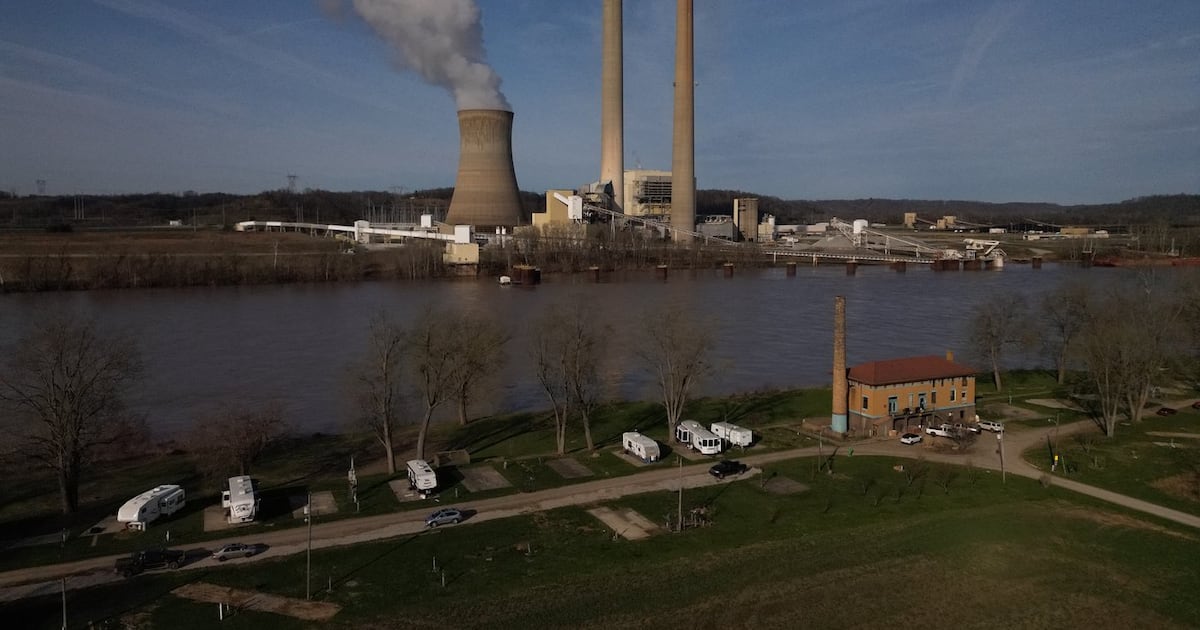
The coal-fired Mountaineer Power Plant, near New Haven, W.Va., operates across the Ohio River from the Lock 24 RV Park and Campground in Racine, Ohio, March 14, 2026. (AP Photo/Carolyn Kaster, File)
Photograph: CTV News (embedded from source)
What this story says
- Global carbon pollution from fossil fuels is projected to decrease by 0.4% in 2026, reaching 42.2 billion tons.
- The decrease is primarily attributed to oil supply shocks from the Iran war and the expansion of renewable energy sources.
- Oil emissions are expected to fall by nearly 2%, while coal emissions are projected to rise by 0.6%.
- Total global CO2 emissions, including land use changes, are forecast to increase by 1%.
Who covered it
Percentages are shares of the 101 outlets carrying a published leaning rating. 58 of the 159 outlets we know ran this story carry no rating and are not counted in them. Coverage measured .
Trust
58/100
Craft
66/100
Hype
48/100
159 sources · methodology
Global carbon pollution from burning fossil fuels is projected to decrease by 0.4% in 2026, according to a study by the Global Carbon Project. This marks the third time in the 21st century that such emissions have fallen, following the 2009 recession and the 2020 COVID-19 pandemic. The projected decrease amounts to 42.2 billion tons of carbon dioxide.
Scientists attribute this reduction primarily to supply shocks stemming from the Iran war, which has impacted oil prices and availability, and the increasing adoption of renewable energy sources. Oil emissions are expected to fall by nearly 2%, while natural gas emissions are forecast to decrease by 0.3%. Conversely, coal emissions are projected to rise by 0.6%.
However, total global CO2 emissions, which include those from land use changes such as deforestation and peat fires, are expected to increase by 1%. This rise is due to land use emissions increasing at a faster rate than fossil fuel emissions have decreased.
Disagreement on the cause of the decline
While the Global Carbon Project study links the fossil fuel emission drop to the Iran war and renewables, some reports suggest a more nuanced view. CTV News quoted study co-author Glen Peters stating the decrease is "largely driven by the war in Iran, what’s happened in the Strait of Hormuz," and that it is "a little bit of good news, but for the wrong reasons." Conversely, some outlets highlight the role of renewable energy growth. The Indian Express digest attributes the decline to "supply shocks created by the ongoing US-Iran conflict and the growing footprint of renewable energy sources."
What the coverage left out
None of the left-rated digests mention the specific figure for total global CO2 emissions, which is projected to increase by 1%. None of the centre-rated digests mention the specific figure for total global CO2 emissions, which is projected to increase by 1%. None of the right-rated digests mention the specific figure for total global CO2 emissions, which is projected to increase by 1%.
Still developing. We have re-checked which outlets are covering this 1 time, most recently on 10 Nov 2026, 14:30, and will add the sides that appear.
How each side covered it
Our own reading of the reporting listed below, written from the outlets’ articles rather than quoted from them. The reasoning is set out on our methodology page.
Left
41 rated outlets
- Left-rated reports highlighted the role of the Iran war in the decline of fossil fuel emissions, often framing it as a temporary or problematic cause. The Indian Express stated the decline was due to "supply shocks created by the ongoing US-Iran conflict and the growing footprint of renewable energy sources." Semafor noted that "A reduction driven partly by geopolitical shocks is not a sustainable climate solution," quoting Professor Pierre Friedlingstein. HuffPost Italy's headline read, "Emissions From Fossil Sources Are Falling (Even for the War in Iran). But It Is a False Signal," and its digest mentioned the fall is "insufficient and not structural braking." In.gr's headline declared, "In the Iran War, Only the Climate Is the Winner - Carbon Emissions Dropped in 2026." SANA's digest stated the reduction was "Due to the Impact of the War on Oil Prices." Franceinfo.fr's headline noted "encouraging signs" but also pointed to "the effects of deforestation, which is still massive." Sydney Morning Herald reported "Greenhouse pollution down but global warming surges as climate talks begin," linking the fall to "the war in Iran and new renewables."
Centre
39 rated outlets
- Centre-rated reports focused on the combination of factors leading to the emissions decrease, often noting the war's impact. CTV News' headline stated, "Heat-trapping carbon pollution drops, but scientists cite the Iran war rather than energy progress," and its full report detailed how the war "effectively closed the Strait of Hormuz, a vital shipping artery for petroleum products, pushing up global prices of gasoline and oil." ElNacional.cat's headline was "The 'Positive' and Unexpected Factor of the War with Iran," with its digest noting "The rise in the price of fossil fuels and supply disruptions cause a drop in emissions." Eesti Rahvusringhääling reported, "The US-Iran War Pushed Global Carbon Emissions Into a Long-Term Decline," but also stated "emissions are falling too slowly to meet climate goals." Observador's headline was "Renewable Energies and War in Iran Drive Down Carbon Emissions," and its digest mentioned "two thirds of carbon emissions are being supplied thanks to the expansion of alternative energies, but 'pulled down' by 'geopolitical crises is not' solution." TRT World's headline linked the Iran war to lower fossil fuel emissions, and its digest specified "oil-related emissions expected to drop 1.9 percent, although coal use is forecast to rise."
Right
21 rated outlets
- Right-rated reports often highlighted the decline in fossil fuel emissions while cautioning about its sustainability or focusing on specific components of the change. Clarin's headline was "Iran's War Unexpectedly Caused a Decline in Carbon Emissions This Year," and its digest warned "this decline could be ephemeral." Observador's headline read, "Renewable Energies and War in Iran Drive Down Carbon Emissions," with its digest noting that "pulled down" by "geopolitical crises is not" a solution. Anadolu Ajansı's headline stated, "Iran War Disruption Expected to Curb Global Fossil Fuel Emissions, Scientists Say," and its digest noted "Oil-related emissions forecast to fall 1.9%, while coal emissions are expected to rise." Dagens Nyheter reported, "Renewable Energy and the Iran War Are Causing Emissions to Decrease," but quoted "This is not enough to put global emissions on a downward trend." N-tv's headline was "Despite Decline in Oil: Global CO2 Emissions Continue to Rise," and its digest stated "there is no reason for researchers to cheer." The National Herald's headline mirrored CTV News', "Heat-Trapping Carbon Pollution Drops, but Scientists Cite the Iran War Rather than Energy Progress."
Questions about this coverage
- How did the left and right cover Global Carbon Pollution to Fall 0.4% in 2026?
- Of the 101 outlets on this story carrying a published leaning rating, 41% are rated left, 38% are rated centre, 21% are rated right. Those percentages are shares of the rated outlets, not of every outlet that ran it, which was 159. The sections above set out what each side emphasised, in its own terms.
- Is Global Carbon Pollution to Fall 0.4% in 2026 left or right?
- Neither side dominates it. Of the 101 rated outlets on this story, 41% are rated left, 38% are rated centre, 21% are rated right, and no side holds the 70% this site would want before calling a field one-sided. A story is not left or right in any case; the outlets that carried it are what carry ratings.
- Is the coverage of Global Carbon Pollution to Fall 0.4% in 2026 biased?
- Global Carbon Pollution to Fall 0.4% in 2026 is one event reported by 159 outlets, and this page does not rate the story as biased or unbiased. What it publishes is the spread: which outlets ran it, where named rating organisations place each of them on the spectrum, and what each side chose to lead with. A leaning rating describes an outlet's record over time, not this article, and the two should not be run together.
- Which outlets covered Global Carbon Pollution to Fall 0.4% in 2026?
- 159 that we know of, every one of them listed further up this page with a link to its own report and to what we hold on the publisher. Nothing here is a summary of somebody else's summary: the outlets are named so the original reporting can be read.
- What is the projected change in global carbon pollution from fossil fuels in 2026?
- Global carbon pollution from fossil fuels is projected to decrease by 0.4% in 2026. This amounts to an estimated 42.2 billion tons of carbon dioxide, marking the third reduction in the 21st century.
- What are the main reasons for the projected decrease in fossil fuel emissions?
- The decrease is primarily attributed to supply shocks caused by the Iran war, which has affected oil prices and availability, and the growing use of renewable energy sources. Oil emissions are expected to fall by nearly 2%.
- Will total global CO2 emissions decrease in 2026?
- No, total global CO2 emissions, which include those from land use changes like deforestation, are expected to increase by 1% in 2026. This is because emissions from land use are rising faster than fossil fuel emissions are falling.
Read it at the source
159 outlets, grouped by the leaning a published rating gives them. Every headline links to the original; an underlined outlet name opens our profile of that publisher.
Left
41- CO2 emissions from fossil fuels projected to decline in 2026: Study (opens Indian Express in a new tab)
Indian Express — is Indian Express biased? Our profile of this outlet
- More renewables and Hormuz disruption drive emissions fall (opens Semafor in a new tab)
- Emissions From Fossil Sources Are Falling (Even for the War in Iran). But It Is a False Signal (opens HuffPost It in a new tab)
HuffPost It — is HuffPost It biased? Our profile of this outletOpinion
- Local experts discuss implications of shrinking global carbon budget (opens Taipei Times in a new tab)
Taipei Times — is Taipei Times biased? Our profile of this outlet
- In the Iran War, Only the Climate Is the Winner - Carbon Emissions Dropped in 2026 (opens in.gr in a new tab)
- Report: This Year ' S Reduction in Fossil Fuel Emissions Due to the Impact of the War on Oil Prices (opens SANA in a new tab)
- Global Carbon Project Report Forecasts Record Greenhouse Gas Emissions, but Also Highlights Encouraging Signs (opens franceinfo.fr in a new tab)
franceinfo.fr — is franceinfo.fr biased? Our profile of this outlet
- Greenhouse pollution down but global warming surges as climate talks begin (opens Brisbane Times in a new tab)
Brisbane Times — is Brisbane Times biased? Our profile of this outlet
Show 33 more
- Greenhouse pollution down but global warming surges as climate talks begin (opens The Age in a new tab)
- Greenhouse pollution down but global warming surges as climate talks begin (opens Sydney Morning Herald in a new tab)
Sydney Morning Herald — is Sydney Morning Herald biased? Our profile of this outlet
- For the First Time Since Corona: Global CO2 Emissions From Fossil Energy Are Falling (opens watson in a new tab)
- Fossil Emissions Down 0.4 Percent (opens Sueddeutsche Zeitung in a new tab)
Sueddeutsche Zeitung — is Sueddeutsche Zeitung biased? Our profile of this outlet
- Iran’s War Stops Global CO2 Emissions From Mass Forest Fires · Global Voices (opens Eldiario.es in a new tab)
Eldiario.es — is Eldiario.es biased? Our profile of this outletOpinion
- Emissions, the First Drop After the Pandemic: Why Not Enough (opens La Stampa in a new tab)
La Stampa — is La Stampa biased? Our profile of this outletOpinion
- Fossil fuel emissions fall due to Iran war, renewables: research (opens GMA Filipino News in a new tab)
GMA Filipino News — is GMA Filipino News biased? Our profile of this outlet
- Fossil Fuel-Related CO2 Emissions Show Light Global Drop, an Encouraging but Inadequate Sign (opens Le Monde in a new tab)
Le Monde — is Le Monde biased? Our profile of this outletOpinion
- Global CO2 Emissions From Fossil Fuels Decrease Slightly (opens Spiegel in a new tab)
- Heat-trapping carbon pollution drops, but scientists cite Iran war rather than energy progress (opens The Hindu in a new tab)
- Heat-trapping carbon pollution drops, but scientists cite the Iran war rather than energy progress (opens The Toronto Star in a new tab)
The Toronto Star — is The Toronto Star biased? Our profile of this outlet
- Heat-trapping carbon pollution drops, but scientists cite the Iran war rather than energy progress (opens The Seattle Times in a new tab)
The Seattle Times — is The Seattle Times biased? Our profile of this outlet
- Climate: "It Would Appear that a CO2 Emissions Plateau Has Been Reached" (opens Liberation in a new tab)
Liberation — is Liberation biased? Our profile of this outlet
- Heat-trapping carbon pollution drops, but scientists cite the Iran war rather than energy progress (opens The Daily Star in a new tab)
The Daily Star — is The Daily Star biased? Our profile of this outlet
- Heat-trapping carbon pollution drops, but scientists cite the Iran war rather than energy progress (opens The Times-Tribune in a new tab)
The Times-Tribune — is The Times-Tribune biased? Our profile of this outlet
- Heat-trapping carbon pollution drops, but scientists cite the Iran war rather than energy progress (opens Richmond Register in a new tab)
Richmond Register — is Richmond Register biased? Our profile of this outlet
- Heat-trapping carbon pollution drops, but scientists cite the Iran war rather than energy progress (opens The Independent (US) in a new tab)
The Independent (US) — is The Independent (US) biased? Our profile of this outlet
- Heat-trapping carbon pollution drops, but scientists cite the Iran war rather than energy progress (opens Associated Press News in a new tab)
Associated Press News — is Associated Press News biased? Our profile of this outlet
- Heat-trapping carbon pollution drops, but scientists cite the Iran war rather than energy progress (opens The Independent in a new tab)
The Independent — is The Independent biased? Our profile of this outlet
- Heat-trapping carbon pollution drops, but scientists cite Iran war (opens ABC News in a new tab)
- Heat-trapping carbon pollution drops, but scientists cite the Iran war rather than energy progress (opens The Tribune-Democrat in a new tab)
The Tribune-Democrat — is The Tribune-Democrat biased? Our profile of this outlet
- Renewables and Iran war help drive fall in global fossil fuel emissions (opens ABC Australia in a new tab)
ABC Australia — is ABC Australia biased? Our profile of this outlet
- Global Fossil Fuel Emissions Actually Fell in 2026. Don’t Get Used to It (opens Gizmodo in a new tab)
Gizmodo — is Gizmodo biased? Our profile of this outletOpinion
- Fossil Fuel Emissions Are Expected to Decrease in 2026 (opens Time Magazine in a new tab)
Time Magazine — is Time Magazine biased? Our profile of this outlet
- War in Iran led global emissions to fall this year, research finds (opens NBC News in a new tab)
- War in Iran and Renewables Bring Down CO2 Emissions From the Fossil Sector for the First Time Since the Pandemic (opens El Pais in a new tab)
- Fossil Carbon Emissions Fell in 2026: an Effect of the War in Iran or the First Sign of a Salutary Evolution? (opens Le Temps in a new tab)
Le Temps — is Le Temps biased? Our profile of this outletOpinion
- Climate Crisis: Global CO2 Emissions Rise – Despite Oil Decline (opens Zeit Online in a new tab)
Zeit Online — is Zeit Online biased? Our profile of this outlet
- Fossil Energy Gases Drop in 2026 by Renewables and the Conflict in Iran (opens La Vanguardia in a new tab)
La Vanguardia — is La Vanguardia biased? Our profile of this outlet
- Heat-trapping carbon pollution drops, but scientists cite the Iran war rather than energy progress (opens WellandTribune.ca in a new tab)
WellandTribune.ca — is WellandTribune.ca biased? Our profile of this outlet
- Heat-trapping carbon pollution drops, but scientists cite the Iran war rather than energy progress (opens The Record in a new tab)
The Record — is The Record biased? Our profile of this outlet
- Heat-trapping carbon pollution drops, but scientists cite the Iran war rather than energy progress (opens St Catharines Standard in a new tab)
St Catharines Standard — is St Catharines Standard biased? Our profile of this outlet
- As War Roils Energy Markets, China Sees Its Emissions Drop (opens Yale University in a new tab)
Yale University — is Yale University biased? Our profile of this outlet
Centre
39- The 'Positive' and Unexpected Factor of the War with Iran (opens ElNacional.cat in a new tab)
ElNacional.cat — is ElNacional.cat biased? Our profile of this outletOpinion
- Global carbon emissions from fossil fuels projected to decrease by 0.4% in 2026—driven by expansion of solar and wind power, electric vehicles, and the Iran conflict. Emissions from oil projected to decrease by 1.9%. Countries everywhere are decreasing emissions while growing their economies. (opens Phys.org in a new tab)
- Scientists expect global fossil fuel emissions to ease this year - BusinessWorld Online (opens bworldonline.com in a new tab)
bworldonline.com — is bworldonline.com biased? Our profile of this outlet
- The US-Iran War Pushed Global Carbon Emissions Into a Long-Term Decline (opens Eesti Rahvusringhääling in a new tab)
Eesti Rahvusringhääling — is Eesti Rahvusringhääling biased? Our profile of this outlet
- Climate. Why Is a Slight Decrease in Global Greenhouse Gas Emissions Expected in 2026? (opens leprogres.fr in a new tab)
leprogres.fr — is leprogres.fr biased? Our profile of this outlet
- Climate. Why Is a Slight Decrease in Global Greenhouse Gas Emissions Expected in 2026? (opens ledauphine.com in a new tab)
ledauphine.com — is ledauphine.com biased? Our profile of this outlet
- Scientists link Iran war to lower fossil fuel emissions in 2026 (opens TRT World in a new tab)
- Renewables and Iran’s War Drive a Fall in Global CO2 Emissions (opens Hola News in a new tab)
Show 31 more
- Emissions Fall for the First Time Since the Pandemic Thanks to the Expansion of Renewables and the Ormuz Crisis (opens informacion.es in a new tab)
informacion.es — is informacion.es biased? Our profile of this outlet
- Greenhouse pollution down but global warming surges as climate talks begin (opens WA today in a new tab)
- Global fossil fuel emissions set to fall in 2026, but total CO2 keeps rising (opens Science Daily in a new tab)
Science Daily — is Science Daily biased? Our profile of this outlet
- Fossil fuel emissions to dip in 2026, but total CO2 is still rising (opens Euronews in a new tab)
- Iran War Lowers CO₂ Emissions for First Time Since Pandemic (opens Ara.cat in a new tab)
- Climate: With Rising Oil Prices, Global Greenhouse Gas Emissions Will Fall Slightly in 2026 (opens Sud Ouest in a new tab)
- Fossil fuel emissions fall due to Iran war and renewables, research shows (opens The Japan Times in a new tab)
The Japan Times — is The Japan Times biased? Our profile of this outlet
- Research Report: Fossil CO2 Emissions Decrease Slightly (opens Tagesschau in a new tab)
Tagesschau — is Tagesschau biased? Our profile of this outlet
- Iran war oil shock drives dip in global emissions, study shows (opens Deutsche Welle in a new tab)
Deutsche Welle — is Deutsche Welle biased? Our profile of this outlet
- Climate: Towards a Slight Drop in Emissions in 2026, "Encouraging" but "Not Enough" (opens France24 in a new tab)
- Heat-trapping carbon pollution drops, but scientists cite the Iran war rather than energy progress (opens My Mother Lode in a new tab)
My Mother Lode — is My Mother Lode biased? Our profile of this outlet
- Heat-trapping carbon pollution drops, but scientists cite the Iran war rather than energy progress (opens CTV News in a new tab)
- Heat-trapping carbon pollution drops, but scientists cite the Iran war rather than energy progress – WTOP News (opens Washington Top News in a new tab)
Washington Top News — is Washington Top News biased? Our profile of this outlet
- Heat-trapping carbon pollution drops, but scientists cite the Iran war (opens WBAL in a new tab)
- Heat-trapping carbon pollution drops, but scientists cite the Iran war rather than energy progress (opens Newsday in a new tab)
- Heat-trapping carbon pollution drops, but scientists cite the Iran war rather than energy progress (opens union-bulletin.com in a new tab)
union-bulletin.com — is union-bulletin.com biased? Our profile of this outlet
- Heat-trapping carbon pollution drops, but scientists cite the Iran war rather than energy progress (opens The Northern Virginia Daily in a new tab)
The Northern Virginia Daily — is The Northern Virginia Daily biased? Our profile of this outlet
- Heat-trapping carbon pollution drops, but scientists cite the Iran war rather than energy progress (opens The Herald Journal in a new tab)
The Herald Journal — is The Herald Journal biased? Our profile of this outlet
- Heat-trapping carbon pollution drops, but scientists cite the Iran war rather than energy progress (opens Ottumwa Courier in a new tab)
Ottumwa Courier — is Ottumwa Courier biased? Our profile of this outlet
- Heat-trapping carbon pollution drops, but scientists cite the Iran war rather than energy progress (opens WKMG in a new tab)
- Scientists expect global fossil fuel emissions to ease this year (opens Reuters in a new tab)
- Scientists expect global fossil fuel emissions to ease this year (opens WTVB in a new tab)
- Global CO2 Emissions Are Rising - Despite a Decline in Oil (opens wz.de in a new tab)
- Climate Crisis: Global CO2 Emissions Rise - Despite Oil Decline (opens volksfreund.de in a new tab)
volksfreund.de — is volksfreund.de biased? Our profile of this outlet
- Climate Crisis: Global CO2 Emissions Rise - Despite Oil Decline (opens saarbruecker-zeitung.de in a new tab)
saarbruecker-zeitung.de — is saarbruecker-zeitung.de biased? Our profile of this outlet
- Fossil fuel emissions are down in 2026. Green energy isn’t the reason (opens Science News in a new tab)
Science News — is Science News biased? Our profile of this outletOpinion
- Global Carbon Emissions Set to Dip in 2026 After Iran War Oil Surge (opens Bloomberg in a new tab)
- Climate: CO2 Emissions From Fossil Fuels Are Expected to Decline, and the Conflict in Iran Is for Many (opens TF1 INFO in a new tab)
- Iran war led to rare carbon dioxide emissions drop this year, scientists say (opens LiveNOW from FOX in a new tab)
LiveNOW from FOX — is LiveNOW from FOX biased? Our profile of this outlet
- Iran war led to rare carbon dioxide emissions drop this year, scientists say (opens Fox 10 Phoenix in a new tab)
Fox 10 Phoenix — is Fox 10 Phoenix biased? Our profile of this outlet
- Heat-trapping carbon pollution drops, but scientists cite the Iran war rather than energy progress (opens Winnipeg Free Press in a new tab)
Winnipeg Free Press — is Winnipeg Free Press biased? Our profile of this outlet
Right
21- Iran's War Unexpectedly Caused a Decline in Carbon Emissions This Year (opens Clarin in a new tab)
- Renewable Energies and War in Iran Drive Down Carbon Emissions (opens Observador in a new tab)
Observador — is Observador biased? Our profile of this outlet
- Iran War Disruption Expected to Curb Global Fossil Fuel Emissions, Scientists Say (opens Anadolu Ajansı in a new tab)
Anadolu Ajansı — is Anadolu Ajansı biased? Our profile of this outlet
- The Paradox of the Iran War… Global Carbon Emissions Decline for the First Time Since the Pandemic (opens 연합뉴스-Yonhap News Agency in a new tab)
연합뉴스-Yonhap News Agency — is 연합뉴스-Yonhap News Agency biased? Our profile of this outlet
- Despite Decline in Oil: Global CO2 Emissions Continue to Rise (opens n-tv in a new tab)
- Renewable Energy and the Iran War Are Causing Emissions to Decrease (opens Dagens Nyheter in a new tab)
Dagens Nyheter — is Dagens Nyheter biased? Our profile of this outlet
- Solar and Wind Boom, Oil crisis... Why C02 Emissions Are Falling Slightly (opens Le Parisien in a new tab)
Le Parisien — is Le Parisien biased? Our profile of this outlet
- Heat-Trapping Carbon Pollution Drops, but Scientists Cite the Iran War Rather than Energy Progress (opens The National Herald in a new tab)
The National Herald — is The National Herald biased? Our profile of this outlet
Show 13 more
- Fossil Emissions May Fall in 2026, but Fall Is Uncertain; Understand (opens Globo in a new tab)
- Fossil fuel emissions fall on Iran war and renewables (opens The Straits Times in a new tab)
The Straits Times — is The Straits Times biased? Our profile of this outlet
- Global Fossil Fuel Emissions May Drop Due to Hormuz (opens dagelijksestandaard.nl in a new tab)
dagelijksestandaard.nl — is dagelijksestandaard.nl biased? Our profile of this outlet
- Fossil fuel emissions fall due to Iran war and renewables, finds research (opens Times of India in a new tab)
Times of India — is Times of India biased? Our profile of this outlet
- Scientists expect global fossil fuel emissions to ease this year (opens Free Malaysia Today News in a new tab)
Free Malaysia Today News — is Free Malaysia Today News biased? Our profile of this outlet
- Heat-trapping carbon pollution drops, but scientists cite the Iran war rather than energy progress (opens Owensboro Messenger-Inquirer in a new tab)
Owensboro Messenger-Inquirer — is Owensboro Messenger-Inquirer biased? Our profile of this outlet
- Heat-trapping carbon pollution drops, but scientists cite the Iran war rather than energy progress (opens Marietta Daily Journal in a new tab)
Marietta Daily Journal — is Marietta Daily Journal biased? Our profile of this outlet
- Fuel crisis forces emissions down but a rebound looms (opens The West Australian in a new tab)
The West Australian — is The West Australian biased? Our profile of this outlet
- Carbon emissions from fossil fuels are projected to decrease in 2026 (opens dailymail.com in a new tab)
dailymail.com — is dailymail.com biased? Our profile of this outlet
- Iran War Leads to Dip in Fossil Fuel Emissions (opens NOS in a new tab)
- Climate Crisis: Global CO2 Emissions Rise – Despite Oil Decline (opens Handelsblatt in a new tab)
Handelsblatt — is Handelsblatt biased? Our profile of this outlet
- Climate: a Historical Decline in Global CO2 Emissions in 2026 (opens Le Figaro in a new tab)
- Global CO2 Fossil Emissions Will Decrease 0.4% in 2026 Due Mainly to the War in Iran (opens El Mundo in a new tab)
Not rated
58- First Drop in Fossil Fuel Emissions Expected This Year Since 2020 (opens Dnevnik in a new tab)
- Carbon Emissions From Fossil Fuels Would Fall for the First Time After a Record Level • Newsweek Romania (opens newsweek.ro in a new tab)
newsweek.ro — is newsweek.ro biased? Our profile of this outlet
- CO2 Emissions Related to Fossil Fuels Will Decrease for the First Time Since the Pandemic, by 0.4% (opens berria.eus in a new tab)
berria.eus — is berria.eus biased? Our profile of this outlet
- Humanity's CO2 Emissions Are Expected to Increase in 2026 as Well (opens Document in a new tab)
- Global Carbon Emissions From Fossil Fuels Would Fall for the First Time After a Record Level. What Role Does Iran's Energy Prices and War Play (opens Mediafax in a new tab)
- World Climate Conference: War Cuts CO2 Emissions – It Doesn't Help the Climate (opens nordisch.info in a new tab)
nordisch.info — is nordisch.info biased? Our profile of this outletOpinion
- Climate Crisis: Global CO2 Emissions Rise – Despite a Decline in Fossil Fuels (opens geo in a new tab)
- UEA Scientists Project Fall in Fossil CO₂ Emissions in 2026 as Total Carbon Emissions Rise (opens EuropaWire.eu in a new tab)
EuropaWire.eu — is EuropaWire.eu biased? Our profile of this outlet
Show 50 more
- Something Unprecedented Has Happened Since Covid (opens 24 HU in a new tab)
- Fossil fuel emissions set to fall for first time since Covid, research shows (opens Modern Ghana in a new tab)
Modern Ghana — is Modern Ghana biased? Our profile of this outlet
- Climate. Why Is a Slight Decrease in Global Greenhouse Gas Emissions Expected in 2026? (opens lejsl.com in a new tab)
- Climate. Why Is a Slight Decrease in Global Greenhouse Gas Emissions Expected in 2026? (opens lalsace.fr in a new tab)
lalsace.fr — is lalsace.fr biased? Our profile of this outlet
- Climate. Why Is a Slight Decrease in Global Greenhouse Gas Emissions Expected in 2026? (opens vosgesmatin.fr in a new tab)
vosgesmatin.fr — is vosgesmatin.fr biased? Our profile of this outlet
- Climate. Why Is a Slight Decrease in Global Greenhouse Gas Emissions Expected in 2026? (opens republicain-lorrain.fr in a new tab)
republicain-lorrain.fr — is republicain-lorrain.fr biased? Our profile of this outlet
- Climate. Why Is a Slight Decrease in Global Greenhouse Gas Emissions Expected in 2026? (opens bienpublic.com in a new tab)
bienpublic.com — is bienpublic.com biased? Our profile of this outlet
- Climate. Why Is a Slight Decrease in Global Greenhouse Gas Emissions Expected in 2026? (opens estrepublicain.fr in a new tab)
estrepublicain.fr — is estrepublicain.fr biased? Our profile of this outlet
- Cop31 live: slight drop in fossil fuel emissions revealed as conference enters second day (opens online-listing.com in a new tab)
online-listing.com — is online-listing.com biased? Our profile of this outlet
- Fossil Fuel Emissions Fall Due to Iran War (opens tpo.nl in a new tab)
- COP31 - Global CO2 Emissions From Fossil Fuels Are Expected to Decrease by 0.4% by 2026 According to a New Global Carbon Project Study (opens Énergies de la Mer in a new tab)
Énergies de la Mer — is Énergies de la Mer biased? Our profile of this outlet
- Global Carbon Budget 2026: Fossil CO2 Emissions Fall - Total Emissions but Not (opens wissenschaft.de in a new tab)
wissenschaft.de — is wissenschaft.de biased? Our profile of this outlet
- Small CO2 Emissions Reduction in 2026 Likely to Be Temporary, Researchers Say (opens dialogos.com.cy in a new tab)
dialogos.com.cy — is dialogos.com.cy biased? Our profile of this outlet
- Renewables Surge as Iran War Disrupts Oil Markets (opens digitalchew.com in a new tab)
digitalchew.com — is digitalchew.com biased? Our profile of this outlet
- Climate: Towards a Small Reduction in CO2 Emissions in 2026, "Encouraging" but "Not Sufficient" (opens ΑΘΗΝΑ 9,84 in a new tab)
ΑΘΗΝΑ 9,84 — is ΑΘΗΝΑ 9,84 biased? Our profile of this outlet
- Forecast for Reduction of CO2 Emissions From Fossil Fuels in 2026 (opens Business Daily in a new tab)
Business Daily — is Business Daily biased? Our profile of this outlet
- Emissions Fall for the First Time Since the Pandemic Thanks to the Expansion of Renewables and the Ormuz Crisis (opens lacronicabadajoz.com in a new tab)
lacronicabadajoz.com — is lacronicabadajoz.com biased? Our profile of this outlet
- Emissions Fall for the First Time Since the Pandemic Thanks to the Expansion of Renewables and the Ormuz Crisis (opens elcorreogallego.es in a new tab)
elcorreogallego.es — is elcorreogallego.es biased? Our profile of this outlet
- Heat-trapping carbon pollution drops, Iran war cited as reason not progress on climate change (opens NEWS9 LIVE in a new tab)
NEWS9 LIVE — is NEWS9 LIVE biased? Our profile of this outlet
- War in Iran Causes Decline in Global Fossil CO₂ Emissions by 2026 (opens 3cat.cat in a new tab)
- Global Paradox: The Energy Crisis Brought a Reduction in CO₂ Emissions (opens sofokleousin.gr in a new tab)
sofokleousin.gr — is sofokleousin.gr biased? Our profile of this outlet
- Climate: Slight Decline in Emissions in 2026, Due to the War in Iran and Renewables (opens La Croix in a new tab)
- CO2 Emissions: the Global Decline Expected in 2026 and These 40 Economies that Are Changing Their Trajectory (opens economiematin.fr in a new tab)
economiematin.fr — is economiematin.fr biased? Our profile of this outlet
- Declining Oil, Rising Coal: Which Explains the Global Decline in CO2 in 2026 (opens L'EnerGeek in a new tab)
L'EnerGeek — is L'EnerGeek biased? Our profile of this outlet
- Iran War and Green Energy Reduce Global CO2 Emissions (opens kleinezeitung.at in a new tab)
kleinezeitung.at — is kleinezeitung.at biased? Our profile of this outlet
- Global Emissions Fall in 2026, a Fragile Respite for the Climate (opens Le Singulier in a new tab)
Le Singulier — is Le Singulier biased? Our profile of this outletOpinion
- COP31, CO2 Emissions Drop with Renewables and War in Iran (opens Agi.it in a new tab)
- Global CO2 Emissions: Slight Decline in Fossil Fuel (opens Libnanews, Le Média Citoyen du Liban in a new tab)
- Climate: Global CO2 Emissions Fall by 0.4% in 2026 (opens RTS in a new tab)
- Fossil Fuel Emissions Decreased in 2026. Green Energy Is Not the Reason (opens Issuesfr in a new tab)
Issuesfr — is Issuesfr biased? Our profile of this outletOpinion
- Renewable Energies and Conflict in Iran Decrease CO2 Emissions (opens Noticias ao Minuto in a new tab)
Noticias ao Minuto — is Noticias ao Minuto biased? Our profile of this outlet
- Global Fossil Fuel Emissions May Drop Due to Hormuz (opens welingelichtekringen.nl in a new tab)
welingelichtekringen.nl — is welingelichtekringen.nl biased? Our profile of this outlet
- Global Fossil Fuel Emissions May Fall (opens Nieuws.nl in a new tab)
- Global CO2 Emissions Are Rising – Despite a Decline in Oil (opens mainwelle.de in a new tab)
mainwelle.de — is mainwelle.de biased? Our profile of this outlet
- Fuel Price Helps to Stop CO2 Emissions, but Will Be Temporary (opens Publico in a new tab)
Publico — is Publico biased? Our profile of this outletOpinion
- The Global Carbon Budget (opens Science Media Centre in a new tab)
Science Media Centre — is Science Media Centre biased? Our profile of this outlet
- Fuel crisis forces emissions down but a rebound looms (opens The Queenslander in a new tab)
The Queenslander — is The Queenslander biased? Our profile of this outlet
- Global CO2 Emissions Are Rising – Despite a Decline in Oil (opens bbv-net.de in a new tab)
bbv-net.de — is bbv-net.de biased? Our profile of this outlet
- Global CO2 Emissions Are Rising – Despite a Decline in Oil (opens RN in a new tab)
- Fossil fuel emissions fall, but CO₂ still at record highs - Expert Reaction - Science Media Centre (opens sciencemediacentre.co.nz in a new tab)
sciencemediacentre.co.nz — is sciencemediacentre.co.nz biased? Our profile of this outlet
- Global CO2 Emissions Are Rising – Despite a Decline in Oil (opens Badische Neueste Nachrichten in a new tab)
Badische Neueste Nachrichten — is Badische Neueste Nachrichten biased? Our profile of this outlet
- Global CO2 Emissions Are Rising – Despite a Decline in Oil (opens onetz.de in a new tab)
- Global Carbon Emissions Set to Dip in 2026 After Iran War Oil Surge (opens BizToc in a new tab)
- Fossil Emissions Will Fall in 2026 for the First Time Since the Coronavirus Pandemic (opens efeverde.com in a new tab)
efeverde.com — is efeverde.com biased? Our profile of this outlet
- Global CO2 Emissions Are Rising – Despite a Decline in Oil (opens noz.de in a new tab)
- – Lasting Decline in Global Emissions a Few Years Away (opens Energi og Klima in a new tab)
Energi og Klima — is Energi og Klima biased? Our profile of this outlet
- Global Carbon Budget 2026 (opens sciencemediacenter.de in a new tab)
sciencemediacenter.de
- Global CO2 Emissions Are Rising – Despite a Decline in Oil (opens op-online.de in a new tab)
op-online.de — is op-online.de biased? Our profile of this outlet
- Global CO2 Emissions Are Rising – Despite a Decline in Oil (opens nordbayern.de in a new tab)
nordbayern.de — is nordbayern.de biased? Our profile of this outlet
- Fossil Emissions Fell in 2026 Due to Iran's War and Renewables (opens El Economista in a new tab)
El Economista — is El Economista biased? Our profile of this outlet
How did this read?
About the coverage, not about the story. We do not ask whether you agree with what happened — we have no honest use for that answer.
More in Climate
All Climate →
Elsewhere on the site
 Conflict & Security•3 min readTrump Pauses New Iran Strikes After Regional Appeals
 Politics•2 min readHegseth faces impeachment resolution over Iran war
 Conflict & Security•3 min readFrance Blames Iran's Revolutionary Guard for Supermarket Cyberattacks
 Politics•3 min readNetanyahu Urges Trump to Resume Iran Strikes, Report Says