Kenyan tea farmers face falling incomes amid climate change
Unpredictable weather, rising costs, and trade practices are impacting yields and farmer earnings.
AI-assisted coverage comparison, editor-supervised · How this was made
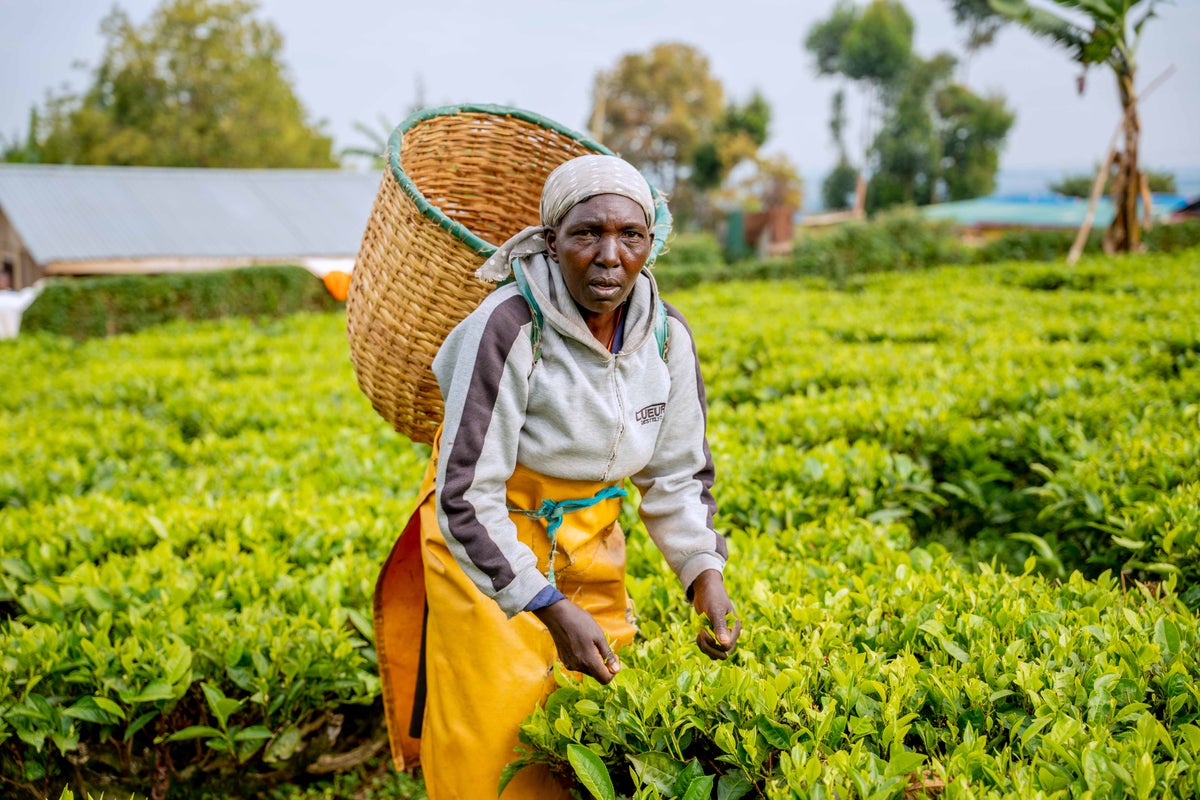
Gladys Maiywa, a tea farmer, on her farm in Chepchabas, in Bomet County (Anthony Odamo/Fairtrade/PA)
Photograph: The Independent (US) (embedded from source)
What this story says
- Kenyan tea farmers are experiencing reduced yields and incomes due to unpredictable climate conditions, unfair trade practices, and rising costs.
- Fintea, a union of tea farming cooperatives, reported a 30% fall in production in May and June.
- One farmer, Lilian Mutai Levin Langot, expects her annual income to drop from 120,000 to 90,000 Kenyan Shillings.
- Another farmer, Paul Kipsigei Koech, earns less than £1 a day and is 80,000 Kenyan Shillings in debt.
Who covered it
Percentages are shares of the 8 outlets carrying a published leaning rating. 2 of the 10 outlets we know ran this story carry no rating and are not counted in them. Coverage measured .
Trust
60/100
Craft
65/100
Hype
40/100
10 sources · methodology
Kenyan tea farmers are facing reduced yields and incomes due to a combination of unpredictable climate conditions, unfair trade practices, and rising costs. The East African nation is a significant supplier of black tea to Britain, providing half of the country's consumption. However, farmers are struggling to profit from their crops, with some reporting significant financial hardship and debt.
Fintea, a union representing tea farming cooperatives in Kenya, reported a 30% decrease in production during May and June compared to previous years. This decline is attributed to increasingly volatile weather patterns, including unseasonal storms and droughts. Farmers are finding it difficult to meet basic living costs, let alone invest in measures to adapt to climate change.
Individual farmers have shared accounts of their struggles. Lilian Mutai Levin Langot reported losing significant earnings after a hailstorm destroyed her tea plants. She anticipates her annual income will fall from 120,000 to 90,000 Kenyan Shillings. Another farmer, Paul Kipsigei Koech, earns between 3,000 and 4,000 Kenyan Shillings per month, which amounts to less than £1 per day, and he is 80,000 Kenyan Shillings in debt.
Disagreement on the cause of reduced income
The Independent (US) reported that Kenyan farmers are experiencing reduced yields and incomes due to unpredictable climate conditions, unfair trade practices, and rising costs. It also noted that middlemen, brokers, and large corporations absorb most of the profits, leaving farmers with little financial benefit from higher global tea prices. The other reports available do not detail the specific reasons for reduced income beyond climate impacts.
What the coverage left out
None of the centre or right-rated digests mention the specific figures for production falls reported by Fintea, nor do they include the individual farmer testimonies about income reductions and debt levels that were detailed in The Independent (US) report.
Still developing. We have re-checked which outlets are covering this 30 times, most recently on 21 Sept 2026, 13:01, and will add the sides that appear.
How each side covered it
Our own reading of the reporting listed below, written from the outlets’ articles rather than quoted from them. The reasoning is set out on our methodology page.
Left
3 rated outlets
- The left-rated reports led on the impact of climate change and other factors on Kenyan tea farmers' yields and incomes. The Independent (US) detailed how unpredictable climate conditions, unfair trade practices, and rising costs are squeezing farmers' earnings. It highlighted specific farmer testimonies, including Lilian Mutai Levin Langot's projected income drop and Paul Kipsigei Koech's low daily earnings and debt. The reports also mentioned the role of middlemen and corporations in absorbing profits.
Centre
4 rated outlets
- The centre-rated reports focused on the threat to the UK's supply of tea due to climate impacts on Kenyan farmers. Sky News UK and Evening Standard digests stated that Kenyan farmers who grow tea for UK supermarkets are warning that climate impacts are hitting yields and their already scarce incomes. IntelliNews digests also noted the potential for supply shortages for the UK's beloved brew.
Right
1 rated outlet
- The right-rated report's digest indicated that the UK's beloved cup of tea may be under threat, aligning with the centre-rated reports' focus on supply concerns for the UK market. No specific details about the farmers' circumstances or the causes of reduced yields were present in the digest.
Questions about this coverage
- How did the left and right cover Kenyan tea farmers face falling incomes amid climate change?
- Of the 8 outlets on this story carrying a published leaning rating, 38% are rated left, 49% are rated centre, 13% are rated right. Those percentages are shares of the rated outlets, not of every outlet that ran it, which was 10. The sections above set out what each side emphasised, in its own terms.
- Is Kenyan tea farmers face falling incomes amid climate change left or right?
- Too few of the outlets on this story carry a published leaning rating to say. 8 of them do, and this site does not characterise a field under 12: at that size one newsroom filing moves the share by ten points. The percentages above are the count as it stands.
- Is the coverage of Kenyan tea farmers face falling incomes amid climate change biased?
- Kenyan tea farmers face falling incomes amid climate change is one event reported by 10 outlets, and this page does not rate the story as biased or unbiased. What it publishes is the spread: which outlets ran it, where named rating organisations place each of them on the spectrum, and what each side chose to lead with. A leaning rating describes an outlet's record over time, not this article, and the two should not be run together.
- Which outlets covered Kenyan tea farmers face falling incomes amid climate change?
- 10 that we know of, every one of them listed further up this page with a link to its own report and to what we hold on the publisher. Nothing here is a summary of somebody else's summary: the outlets are named so the original reporting can be read.
- Why are Kenyan tea farmers experiencing reduced incomes?
- Kenyan tea farmers are facing reduced incomes due to a combination of unpredictable climate conditions, unfair trade practices, and rising costs. These factors are leading to lower crop yields and making it harder for farmers to cover their expenses and make a profit.
- What is the impact of climate change on tea production in Kenya?
- Unpredictable climate conditions, including unseasonal storms and droughts, are significantly impacting tea production in Kenya. Fintea, a union of tea farming cooperatives, reported a 30% fall in production in May and June, directly linking it to these changing weather patterns.
- How much debt are some Kenyan tea farmers in?
- Some Kenyan tea farmers are facing significant debt. For example, Paul Kipsigei Koech reported being 80,000 Kenyan Shillings in debt, while earning less than £1 a day. Gladys Maiywa also reported being in debt for school fees.
- What percentage of black tea consumed in Britain comes from Kenya?
- Kenya supplies half of all the black tea consumed by Britain. This highlights the importance of the Kenyan tea industry to the UK market, and the potential impact of production issues on supply.
Read it at the source
10 outlets, grouped by the leaning a published rating gives them. Every headline links to the original; an underlined outlet name opens our profile of that publisher.
Left
3- Climate impacts hitting yields and already ‘scarce’ incomes, tea farmers warn (opens perspectivemedia.com in a new tab)
perspectivemedia.com — is perspectivemedia.com biased? Our profile of this outletOpinion
- Climate impacts hitting yields and already ‘scarce’ incomes, tea farmers warn (opens The Independent (US) in a new tab)
The Independent (US) — is The Independent (US) biased? Our profile of this outlet
- Climate impacts hitting yields and already ‘scarce’ incomes, tea farmers warn (opens The Independent in a new tab)
The Independent — is The Independent biased? Our profile of this outlet
Centre
4- Why our nation's beloved cup of tea may be under threat (opens Sky News UK in a new tab)
Sky News UK — is Sky News UK biased? Our profile of this outlet
- Why Our Nation's Beloved Cup of Tea May Be Under Threats (opens INTELLINEWS in a new tab)
INTELLINEWS — is INTELLINEWS biased? Our profile of this outletOpinion
- Climate impacts hitting yields and already ‘scarce’ incomes, tea farmers warn (opens Belfast Telegraph in a new tab)
Belfast Telegraph — is Belfast Telegraph biased? Our profile of this outlet
- Climate impacts hitting yields and already ‘scarce’ incomes, tea farmers warn (opens Evening Standard in a new tab)
Evening Standard — is Evening Standard biased? Our profile of this outlet
Right
1Not rated
2- Why British tea prices are rising while tea farmers continue to struggle (opens easterneye.biz in a new tab)
easterneye.biz — is easterneye.biz biased? Our profile of this outlet
- Why Our Nation's Beloved Cup Of Tea May Be Under Threat (opens Great Yorkshire Radio in a new tab)
Great Yorkshire Radio — is Great Yorkshire Radio biased? Our profile of this outletOpinion
How did this read?
About the coverage, not about the story. We do not ask whether you agree with what happened — we have no honest use for that answer.
More in Climate
All Climate →

Elsewhere on the site
 Politics•3 min readBurnham seeks resolution for Diego Garcia base dispute
![Seven Ethiopian armed groups announce an alliance aimed at removing the federal government [Al Jazeera]](https://www.aljazeera.com/wp-content/uploads/2026/09/WEB-MAP-ETHIOPIA-1000X562-1789944350.jpg?resize=1200%2C675) Conflict & Security•3 min readSeven Ethiopian armed groups form alliance against PM Abiy Ahmed
Conflict & Security•3 min readSeven Ethiopian armed groups form alliance against PM Abiy Ahmed Politics•2 min readFederal Court rejects Ottawa's bid to dismiss climate case
 Politics•3 min readUS to Shut Down Iranian Airlines, Citing Sanctions