AI predicts cancer survival risk from facial photos
Model trained on millions of images also assesses biological aging, researchers report
AI-assisted coverage comparison, editor-supervised · How this was made
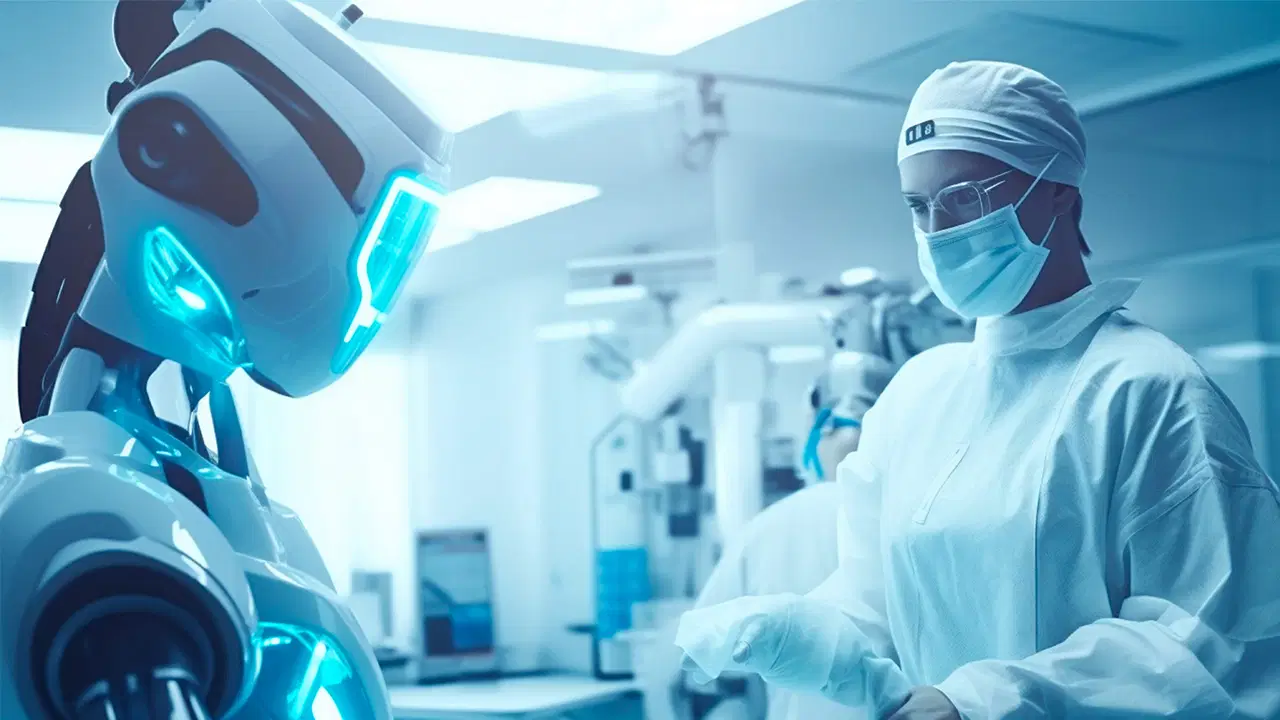
AI predicts cancer survival risk from facial photos
Photograph: Cumhuriyet (embedded from source)
What this story says
- An artificial intelligence model can predict cancer patients' survival risk from a single facial photograph.
- The AI model was trained using more than 40 million facial images.
- Researchers also reported that the model assesses biological aging in addition to chronological age.
- The study was reported by Mass General Brigham in Massachusetts on 19 July 2026.
Who covered it
Percentages are shares of the 54 outlets carrying a published leaning rating. 55 of the 109 outlets we know ran this story carry no rating and are not counted in them. Coverage measured .
Trust
64/100
Craft
52/100
Hype
15/100
109 sources · methodology
An artificial intelligence model has been developed that can predict the survival risk of cancer patients from a single facial photograph. The model, trained on more than 40 million facial images, also assesses biological aging in addition to chronological age. Researchers at Mass General Brigham in Massachusetts reported the findings on 19 July 2026.
Coverage
What the coverage left out
None of the reports below mention the specific survival risk prediction, such as the 'increased likelihood of death within 90 days' cited in one of the digests. The digests also do not detail the methodology used by Mass General Brigham beyond the training data size and the facial photograph input.
Still developing. We have re-checked which outlets are covering this 3 times, most recently on 21 Oct 2026, 01:00, and will add the sides that appear.
How other outlets pictured it
Which photograph to run is each newsroom’s own choice. The leaning beside a name is that outlet’s published rating, not a claim that the pictures divide along it. Every picture is shown from the outlet’s own server and links to the article it ran in.

Camera IconResearchers say an AI model can predict cancer survival from a simple photograph. (AP PHOTO) Credit: AAP
PerthNow — embedded from source

Facial analysis
Daily Mirror — embedded from source
How each side covered it
Our own reading of the reporting listed below, written from the outlets’ articles rather than quoted from them. The reasoning is set out on our methodology page.
Left
19 rated outlets
- Southernminn.com reported that researchers in the United States trained a new artificial intelligence foundation model using more than 40 million facial images. The headline stated that AI can estimate cancer patients' survival risk from a single photo.
Centre
20 rated outlets
- Four centre-rated outlets, Columbia Gorge News, KAKE News, Idaho County Free Press, and Key West Citizen, reported that researchers in the United States trained a new artificial intelligence foundation model using more than 40 million facial images. Their headlines all stated that AI can estimate cancer patients' survival risk from a single photo.
Right
15 rated outlets
- Business Times, El Mundo, Iefimerida, La Razón, Owensboro Messenger-Inquirer, Sapo, The Straits Times, The Sun, The West Australian, Webster County Citizen, abc and la Nacion all reported that researchers trained an artificial‑intelligence model on more than 40 million facial images and that it can estimate a cancer patient’s survival risk from a single photograph.
- El Mundo added that a face can reveal biological age and help predict disease outcomes, while Iefimerida noted that further study is required before the tool can be widely applied. La Razón asked whether readers would allow an AI to estimate age or five‑year survival, and The Sun mentioned detecting both biological age and cancer survival odds. abc described the face as a health mirror, and la Nacion referred to two algorithms that calculate biological age and death risk.
- None of the right‑rated digests mention a cost estimate, regulatory approval status, detailed clinical validation beyond the initial study, or any patient interview or perspective. These omissions are consistent across all twelve digests.
Questions about this coverage
- How did the left and right cover AI predicts cancer survival risk from facial photos?
- Of the 54 outlets on this story carrying a published leaning rating, 35% are rated left, 37% are rated centre, 28% are rated right. Those percentages are shares of the rated outlets, not of every outlet that ran it, which was 109. The sections above set out what each side emphasised, in its own terms.
- Is AI predicts cancer survival risk from facial photos left or right?
- Neither side dominates it. Of the 54 rated outlets on this story, 35% are rated left, 37% are rated centre, 28% are rated right, and no side holds the 70% this site would want before calling a field one-sided. A story is not left or right in any case; the outlets that carried it are what carry ratings.
- Is the coverage of AI predicts cancer survival risk from facial photos biased?
- AI predicts cancer survival risk from facial photos is one event reported by 109 outlets, and this page does not rate the story as biased or unbiased. What it publishes is the spread: which outlets ran it, where named rating organisations place each of them on the spectrum, and what each side chose to lead with. A leaning rating describes an outlet's record over time, not this article, and the two should not be run together.
- Which outlets covered AI predicts cancer survival risk from facial photos?
- 109 that we know of, every one of them listed further up this page with a link to its own report and to what we hold on the publisher. Nothing here is a summary of somebody else's summary: the outlets are named so the original reporting can be read.
- What can the AI model predict from a facial photograph?
- The artificial intelligence model can predict a cancer patient's survival risk and assess their biological aging. This is based on a single facial photograph, according to researchers at Mass General Brigham.
- How was the AI model trained?
- The AI model was trained using more than 40 million facial images. This extensive dataset allowed the model to learn patterns for predicting survival risk and biological aging in cancer patients.
- Who conducted the research?
- The research was conducted by Mass General Brigham, a healthcare system based in Massachusetts. They reported their findings on 19 July 2026.
Read it at the source
109 outlets, grouped by the leaning a published rating gives them. Every headline links to the original; an underlined outlet name opens our profile of that publisher.
Left
19- New Mass General Brigham AI tool estimates biological age, cancer survival from selfies - The Boston Globe (opens Boston Globe in a new tab)
Boston Globe — is Boston Globe biased? Our profile of this outlet
- This AI model is trained to predict cancer survival from a single photo (opens Philly Voice in a new tab)
Philly Voice — is Philly Voice biased? Our profile of this outlet
- AI Analyzes Photo of the Face and Estimates Risk of Death in Cancer Patients (opens UOL in a new tab)
- AI Predicts Cancer Patients' Life Expectancy From Facial Photographs: Critical Research Published. (opens Cumhuriyet in a new tab)
Cumhuriyet — is Cumhuriyet biased? Our profile of this outlet
- AI can estimate cancer patients’ survival risk from a single photo (opens gonzagabulletin.com in a new tab)
gonzagabulletin.com — is gonzagabulletin.com biased? Our profile of this outlet
- AI can estimate cancer patients’ survival risk from a single photo (opens News-Herald in a new tab)
News-Herald — is News-Herald biased? Our profile of this outlet
- AI can estimate cancer patients’ survival risk from a single photo (opens Southernminn.com in a new tab)
Southernminn.com — is Southernminn.com biased? Our profile of this outlet
- New AI tool can predict cancer survival by a single patient selfie, study suggests (opens Irish Examiner in a new tab)
Irish Examiner — is Irish Examiner biased? Our profile of this outlet
Show 11 more
- American Researchers Employ Artificial Intelligence to Analyze the Faces of Cancer Patients. (opens SANA in a new tab)
- A Facial Recognition AI Can Calculate the Risk of Death of Cancer Patients and Customize Treatments (opens Eldiario.es in a new tab)
Eldiario.es — is Eldiario.es biased? Our profile of this outlet
- How a photo of a patient’s face could predict whether they’ll survive cancer (opens The Washington Post in a new tab)
The Washington Post — is The Washington Post biased? Our profile of this outlet
- A Single Selfie Can Show the Chances of Survival of a Cancer Patient. The New AI Instrument Tested by Doctors (opens antena3.ro in a new tab)
antena3.ro — is antena3.ro biased? Our profile of this outlet
- AI Can Estimate Cancer Survival Odds. All It Needs Is a Photo (opens IndexHR in a new tab)
- Could Your Face Reveal Your Cancer Survival Odds? AI Study Links Older Appearance to 21% Higher Death Risk (opens IBTimes UK in a new tab)
IBTimes UK — is IBTimes UK biased? Our profile of this outlet
- A New AI Tool Can Predict a Cancer Patient's Chances of Survival Based on a Single Photograph, Supports a Study - HotNews.ro (opens Hot News in a new tab)
- Single selfie could uncover your chance of surviving deadly cancer (opens Daily Mirror in a new tab)
Daily Mirror — is Daily Mirror biased? Our profile of this outlet
- One photo 'can detect a person's biological age and chance of surviving cancer' (opens The Independent (US) in a new tab)
The Independent (US) — is The Independent (US) biased? Our profile of this outlet
- One photo 'can detect a person's biological age and chance of surviving cancer' (opens The Independent in a new tab)
The Independent — is The Independent biased? Our profile of this outlet
- An AI Finds Signs on the Face to Estimate the Risk of Death in Cancer Patients (opens El Pais in a new tab)
Centre
20- How a photo of a patient’s face could predict whether they’ll survive cancer (opens NZ Herald in a new tab)
- New AI tool can predict cancer survival chances from selfie: study (opens The Express Tribune in a new tab)
The Express Tribune — is The Express Tribune biased? Our profile of this outlet
- AI can estimate cancer patients’ survival risk from a single photo (opens The Penn in a new tab)
- AI can estimate cancer patients’ survival risk from a single photo (opens The Anniston Star in a new tab)
The Anniston Star — is The Anniston Star biased? Our profile of this outlet
- AI can estimate cancer patients’ survival risk from a single photo (opens Purdue Exponent in a new tab)
Purdue Exponent — is Purdue Exponent biased? Our profile of this outlet
- AI can estimate cancer patients’ survival risk from a single photo (opens Pacific Daily News in a new tab)
Pacific Daily News — is Pacific Daily News biased? Our profile of this outlet
- AI can estimate cancer patients’ survival risk from a single photo (opens Leader Publications in a new tab)
Leader Publications — is Leader Publications biased? Our profile of this outlet
- AI can estimate cancer patients’ survival risk from a single photo (opens Appalachian News-Express in a new tab)
Appalachian News-Express — is Appalachian News-Express biased? Our profile of this outlet
Show 12 more
- AI can estimate cancer patients’ survival risk from a single photo (opens Key West Citizen in a new tab)
Key West Citizen — is Key West Citizen biased? Our profile of this outlet
- AI can estimate cancer patients’ survival risk from a single photo (opens Idaho County Free Press in a new tab)
Idaho County Free Press — is Idaho County Free Press biased? Our profile of this outlet
- AI can estimate cancer patients’ survival risk from a single photo (opens KAKE News in a new tab)
- AI can estimate cancer patients’ survival risk from a single photo (opens Columbia Gorge News in a new tab)
Columbia Gorge News — is Columbia Gorge News biased? Our profile of this outlet
- Advanced AI tool estimates biological age and predicts cancer survival from face photos (opens News Medical in a new tab)
News Medical — is News Medical biased? Our profile of this outlet
- Photo of face ‘can detect biological age and chance of surviving cancer’ (opens The Echo UK in a new tab)
The Echo UK — is The Echo UK biased? Our profile of this outlet
- AI Could Calculate Cancer Patients' Risk of Death with Facial Analysis (opens ElNacional.cat in a new tab)
ElNacional.cat — is ElNacional.cat biased? Our profile of this outlet
- Researchers Create an AI Capable of Finding Signs on the Face that Could Predict Survival in Cancer Patients (opens 20minutos in a new tab)
- Znanstvenici Razvili Novi AI Alat Koji Na Temelju Fotografije Osobe Otkriva Može Li Preživjeti Rak (opens Novi list in a new tab)
- Can one photo of your face reveal how ill you are? (opens BBC News in a new tab)
- AI tool used on facial photo to predict cancer survival (opens PerthNow in a new tab)
- AI facial health recognition tools help physicians assess age and survival risk to guide personalized treatment (opens Medical Xpress in a new tab)
Medical Xpress — is Medical Xpress biased? Our profile of this outlet
Right
15- AI can estimate cancer patients’ survival risk from a single photo (opens plaindealerin.com in a new tab)
plaindealerin.com — is plaindealerin.com biased? Our profile of this outlet
- AI can estimate cancer patients’ survival risk from a single photo (opens Webster County Citizen in a new tab)
Webster County Citizen — is Webster County Citizen biased? Our profile of this outlet
- What if a Photo of the Face Could Reveal the Risk of Death From Cancer? AI Looks for Clues in Millions of Images (opens Sapo in a new tab)
- AI can estimate cancer patients’ survival risk from a single photo (opens Owensboro Messenger-Inquirer in a new tab)
Owensboro Messenger-Inquirer — is Owensboro Messenger-Inquirer biased? Our profile of this outlet
- An AI that Predicts the Survival of Cancer Patients with a Single Photo of Their Face Has Come Out (opens 조선일보 in a new tab)
조선일보
- “AI Predicts Cancer Patient Survival Rate with a Single Face photo”... US Research Team Develops (opens 연합뉴스-Yonhap News Agency in a new tab)
연합뉴스-Yonhap News Agency — is 연합뉴스-Yonhap News Agency biased? Our profile of this outlet
- Researchers Claim They Created an AI Tool that Predicts Cancer Patient Survival with a Selfie - What the Study Showed - iefimerida.gr (opens Iefimerida in a new tab)
Iefimerida — is Iefimerida biased? Our profile of this outlet
- AI tool predicts cancer survival chances with single face photo (opens Business Times in a new tab)
Business Times — is Business Times biased? Our profile of this outlet
Show 7 more
- AI tool used on facial photo to predict cancer survival (opens The West Australian in a new tab)
The West Australian — is The West Australian biased? Our profile of this outlet
- From a Selfie: AI May Predict the Risk of Death of Cancer Patients, According to a New Study (opens la Nacion in a new tab)
- They Train an AI with More than 40 Million Faces to Identify Signs Associated with the Survival of Cancer Patients in a Photograph (opens El Mundo in a new tab)
- AI tool predicts cancer survival from face photo (opens The Straits Times in a new tab)
The Straits Times — is The Straits Times biased? Our profile of this outlet
- This AI Aims to Predict How a Cancer Will Progress only From a Card Photo (opens La Razón in a new tab)
- Everything Is on Your Face: a Single Photo Reveals Biological Age and Cancer Survival (opens ABC in a new tab)
- One photo of your face could detect biological age and odds of surviving cancer (opens The Sun in a new tab)
Not rated
55- 'Increased Likelihood of Death Within 90 Days'… Now Predicting Cancer Survival Rates with 'a Single Photo' (opens Unknown in a new tab)
Unknown
- Artificial Intelligence Can Predict Cancer Patients' Survival Chances From Facial Photos (opens Dnevnik in a new tab)
- A Simple Selfie Can Tell the Doctor How Many Chances of Survival a Sick Person Has (opens replicaonline.ro in a new tab)
replicaonline.ro — is replicaonline.ro biased? Our profile of this outlet
- A Simple Selfie Can Reveal Whether Someone Will Overcome Cancer: How AI Predicts the Future of Patients' Health From a Facial Photo (opens irafina.gr in a new tab)
irafina.gr — is irafina.gr biased? Our profile of this outlet
- Using a photo to Predict Cancer Outcome — Goforth Solutions, LLC (opens Becoming in a new tab)
- AI Assesses Health Risk by Studying Faces: What Leaves the Strongest Mark on Biological Age Has Been Discovered (opens vecernji.ba in a new tab)
vecernji.ba — is vecernji.ba biased? Our profile of this outlet
- The Chances of Surviving Cancer Have Learned Self-Esteem -- How the New System Works. (opens e1.ru in a new tab)
- A Selfie Can Reveal Your Biological Age. Now Researchers Say It Can Predict Cancer Survival (opens BizToc in a new tab)
Show 47 more
- Selfie as a Tool for Cancer? AI Estimates Survival Chances Using a Face Photo (opens rtl.nl in a new tab)
- Train an AI to Assess Age and Estimate the Risk of People with Cancer (opens Salud a Diario in a new tab)
Salud a Diario — is Salud a Diario biased? Our profile of this outlet
- AI Studies Face and Assesses Health Risk: Smoking Left the Strongest Mark on Biological Age (opens poslovni.hr in a new tab)
poslovni.hr — is poslovni.hr biased? Our profile of this outlet
- Facial Recognition with AI May Help Personalize Cancer Treatments (opens El Comercio in a new tab)
El Comercio — is El Comercio biased? Our profile of this outlet
- AI Will Estimate Biological Age Based on a Photo and Create a Survival Forecast for Cancer Patients (opens rmf24.pl in a new tab)
- Cancer: A Simple Facial Photo Could Help Assess Patients' Prognosis (opens Clubic.com in a new tab)
Clubic.com — is Clubic.com biased? Our profile of this outlet
- Facial Photo Reveals Risk in CANCER PATIENTS: New AI Tool Helps Doctors Predict SURVIVAL CHANCES? (opens dnevnik.rs in a new tab)
dnevnik.rs — is dnevnik.rs biased? Our profile of this outlet
- A Single Selfie Analyzed with AI Can Predict the Survival Rate of a Cancer Patient • Newsweek Romania (opens newsweek.ro in a new tab)
newsweek.ro — is newsweek.ro biased? Our profile of this outlet
- New AI Tool Can Predict Cancer Survival From a Single Patient's Selfie (opens IOL Portugal in a new tab)
IOL Portugal — is IOL Portugal biased? Our profile of this outlet
- AI May Predict the Survival of Cancer Patients From a Photo of the Face (opens EstamosAquí MX in a new tab)
EstamosAquí MX — is EstamosAquí MX biased? Our profile of this outlet
- AI Trained on 40 Million Selfies, Can Predict Cancer Patients' Chances of Survival From a Single Photo (opens Heti Világgazdaság in a new tab)
Heti Világgazdaság — is Heti Világgazdaság biased? Our profile of this outlet
- Now that You Have a Good Time, You Can Take a Look at the Předpovědět šAnce Na Přežití U Pacientů S Rakovinou Na Základě Jediné Selfie, Naznačuje Studie (opens Britské listy in a new tab)
Britské listy — is Britské listy biased? Our profile of this outlet
- Can a Selfie Reveal the Chances of Surviving Cancer? What a New Study Shows (opens dnews.gr in a new tab)
- AI Tool Can Predict Cancer Patients' Chances with a Selfie (opens computersweden.se in a new tab)
computersweden.se — is computersweden.se biased? Our profile of this outlet
- A Single Selfie Could Help Predict Cancer Survival Chances (opens Večernji list in a new tab)
Večernji list — is Večernji list biased? Our profile of this outlet
- Artificial Intelligence Estimates How Severely Ill a Patient Is From a Single Facial Photograph. (opens Haberler in a new tab)
- A Selfie Can Reveal a Patient's Chance of Survival (opens 24 HU in a new tab)
- A Selfie Can Reveal the Chances of Surviving Cancer. A New AI Experiment Has Raised Hopes. (opens News Nation in a new tab)
News Nation — is News Nation biased? Our profile of this outlet
- AI Can Tell Cancer Patient's Survival Chances by Looking at Selfies, Claim Researchers (opens Sangbad Pratidin in a new tab)
Sangbad Pratidin — is Sangbad Pratidin biased? Our profile of this outlet
- American Researchers Will Use an AI Tool to Determine the Health Status of Cancer Patients (opens republika.mk in a new tab)
republika.mk — is republika.mk biased? Our profile of this outlet
- An AI 'Predicts' the Survival of Oncological Patients From an Image of the Face (opens diariodesevilla.es in a new tab)
diariodesevilla.es — is diariodesevilla.es biased? Our profile of this outlet
- A Single Face Photo Is Enough! AI Calculates the Risk of Death. (opens turkiyegazetesi.com.tr in a new tab)
turkiyegazetesi.com.tr — is turkiyegazetesi.com.tr biased? Our profile of this outlet
- The Patient's Selfie Now Predicts Survival From Cancer - Onliner Technology (opens onliner.by in a new tab)
onliner.by — is onliner.by biased? Our profile of this outlet
- Scientists Have Developed: The Risk of Death of Cancer Patients From a Photo of the Face Can Be Estimated (opens anlatilaninotesi.com.tr in a new tab)
anlatilaninotesi.com.tr — is anlatilaninotesi.com.tr biased? Our profile of this outlet
- A Selfie Could Tell How Many Years of Life a Cancer Patient Has. AI Instrument that Reads Face to Predict Survival (opens jurnalul.ro in a new tab)
jurnalul.ro — is jurnalul.ro biased? Our profile of this outlet
- USA – An Instrument Based on Artificial Intelligence Can Detect a Person's Biological Age and Its Chances of Survival of Cancer . . Press Agency Rador (opens rador.ro in a new tab)
- When AI Was Shown Photos of Cancer Patients' faces... It Even Predicted Survival Rates (opens asiae.co.kr in a new tab)
asiae.co.kr — is asiae.co.kr biased? Our profile of this outlet
- New AI Analyzes Selfie and Can Predict Survival of Cancer Patients (opens Noticias ao Minuto in a new tab)
Noticias ao Minuto — is Noticias ao Minuto biased? Our profile of this outlet
- Study: AI Can Use Photos of Patients' Faces to Forecast Cancer Survival (opens 大纪元 Epoch Times in a new tab)
大纪元 Epoch Times — is 大纪元 Epoch Times biased? Our profile of this outlet
- New AI Tool Can Predict Cancer Survival with Just One Selfie, Study Says (opens LiFO in a new tab)
- New AI Tool Predicts Cancer Survival Probability Through a Simple Selfie (opens NewsBomb in a new tab)
- New AI Tool Developed: Estimates Cancer Survival Chances From a Single Facial Photo (opens jabuka.tv in a new tab)
- Scientific Revolution: Artificial Intelligence "Reads" Cancer Patient Survival From a Selfie (opens Έθνος in a new tab)
Έθνος
- Artificial Intelligence Can Predict Cancer Patient Survival From a Selfie (opens news4health.gr in a new tab)
news4health.gr — is news4health.gr biased? Our profile of this outlet
- A Single Selfie Can Indicate the Risk of Death of Cancer Patients. What Researchers Discovered After Analyzing 40 Million Photos (opens Aktual24 in a new tab)
- AI System Calculates Biological Age and Chances of Cancer Survival From a Selfie (opens Iatropedia in a new tab)
Iatropedia — is Iatropedia biased? Our profile of this outlet
- Can You Determine a Cancer Patient's Chances of Survival Just from... a Selfie? (opens TUOI TRE ONLINE in a new tab)
TUOI TRE ONLINE — is TUOI TRE ONLINE biased? Our profile of this outlet
- A Selfie Can Estimate the Chances of Survival in Cancer-Diagnosed Patients. How It Works (opens Stirile Pro TV in a new tab)
Stirile Pro TV — is Stirile Pro TV biased? Our profile of this outlet
- AI Can Predict Cancer Patients' Survival with a Single Photo (opens Báo điện tử Dân Trí in a new tab)
Báo điện tử Dân Trí — is Báo điện tử Dân Trí biased? Our profile of this outlet
- Can a Facial Photograph Alone Predict Cancer Survival? (opens Thanh Niên in a new tab)
Thanh Niên — is Thanh Niên biased? Our profile of this outlet
- A New Artificial Intelligence Tool Can Predict Survival to Cancer by a Single Patient's Selfie (opens Mediafax in a new tab)
- Facial AI estimates biological age and predicts cancer survival (opens BIOENGINEER.ORG in a new tab)
BIOENGINEER.ORG — is BIOENGINEER.ORG biased? Our profile of this outlet
- Facial AI estimates biological age and predicts cancer survival (opens Scienmag in a new tab)
- New AI tool can predict cancer survival by a single patient selfie, study suggests (opens Bioethics.com in a new tab)
Bioethics.com — is Bioethics.com biased? Our profile of this outlet
- expert reaction to study testing an AI tool using a face photograph to predict cancer survival (opens Science Media Centre in a new tab)
Science Media Centre — is Science Media Centre biased? Our profile of this outlet
- The AI 'Reads' on the Face the Biological Age and Survival of Cancer (opens diariomedico.com in a new tab)
diariomedico.com — is diariomedico.com biased? Our profile of this outlet
- New AI tool can predict cancer survival by a single patient selfie, study suggests (opens ghanamma.com in a new tab)
ghanamma.com — is ghanamma.com biased? Our profile of this outlet
How did this read?
About the coverage, not about the story. We do not ask whether you agree with what happened — we have no honest use for that answer.
More in Science & Tech
All Science & Tech →
Elsewhere on the site
 Business & Economy•3 min readParliamentary Budget Office cuts 2026‑27 growth outlook amid new U.S. tariffs
 Politics•2 min readMike Johnson links France riots to 'open borders,' warns US unrest
 Politics•1 min readEx-negotiator: Digital issues to remain US-Canada trade tension source
 Media•3 min readNews Publishers Sue AI Firm Anthropic Over Copyright Infringement